
Endometriosis is a disease in which tissue that normally grows inside the uterus grows outside the uterus. It most commonly grows on the ovaries and fallopian tubes but can sometimes extend to the bowels, bladder, and adjacent structures.
This tissue growth can lead to symptoms ranging from mild to debilitating, including:
While there is no cure for endometriosis, many people will undergo a hysterectomy (surgical removal of the uterus) to help alleviate intolerable symptoms of the disease.
If you're considering a hysterectomy, it's important to understand the probable outcomes and the alternatives that may be more appropriate for your specific condition.
What's most important to understand is that a hysterectomy is not a guaranteed cure for endometriosis. Multiple surgeries may be needed, and in many cases, the pain relief will not be complete.
Research suggests that pain relief is better achieved if the surgery involves the removal of the ovaries.
According to a 2014 study from researchers at Johns Hopkins Medical Center, 61% of people who had a hysterectomy without an oophorectomy (removal of the ovaries) continued to experience endometriosis pain after the procedure, often for years. Of these, 31% needed a second surgery.
By contrast, only 10% of those who underwent a hysterectomy with oophorectomy had pain, and less than 4% needed a second surgery.
There are also surgical risks to a hysterectomy/oophorectomy that shouldn't be underplayed, including blood clots, infection, post-operative bleeding, and a bad reaction to the anesthesia.
Understandably, this type of dual procedure isn't right for every woman as it is irreversible and will lead to permanent sterility. In addition, if the ovaries are removed, menopause will begin in the days following the surgery, often requiring hormone replacement therapy.
ProsHysterectomy can help alleviate intolerable symptoms
Oophorectomy can help alleviate pain
Multiple surgeries may be needed
Pain relief may not be complete
Oophorectomy leads to permanent sterility and triggers menopause

However desperate you may be to treat persistent endometriosis pain, hysterectomy should never be the first-line option. Instead, consider non-surgical alternatives or less invasive surgical procedures to directly treat the tissue overgrowth.
Ultimately, the choice of treatment should always be based on the severity of pain, your age and health, and whether you have plans to have a family.
In July 2018, the U.S Food and Drug Administration approved Orilissa (elagolix) as the first prescription drug used to treat endometriosis pain. Taken once or twice daily, Orilissa has proven effective in alleviating both menstrual and non-menstrual pelvic pain as well as pain during sex.
Before diagnosing and treating endometriosis, your healthcare provider may conduct imaging tests such as an MRI or ultrasound to confirm that there are no other complicating conditions.
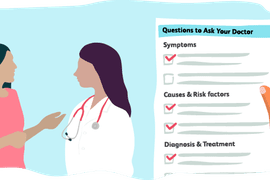
In most cases, healthcare providers will start with conservative treatment such as medication before trying invasive surgical treatment. Use our Healthcare Provider Discussion Guide below to start a conversation with your healthcare provider about the right treatment option for you.
Get our printable guide for your next healthcare provider's appointment to help you ask the right questions.
It's important to be clear with your healthcare provider about your desired goals of treatment before embarking on any treatment for endometriosis.
Your treatment may be vastly different if you want to have kids in the future versus being done having children or not wanting to ever get pregnant.
11 Alternative Therapies to Treat Endometriosis