
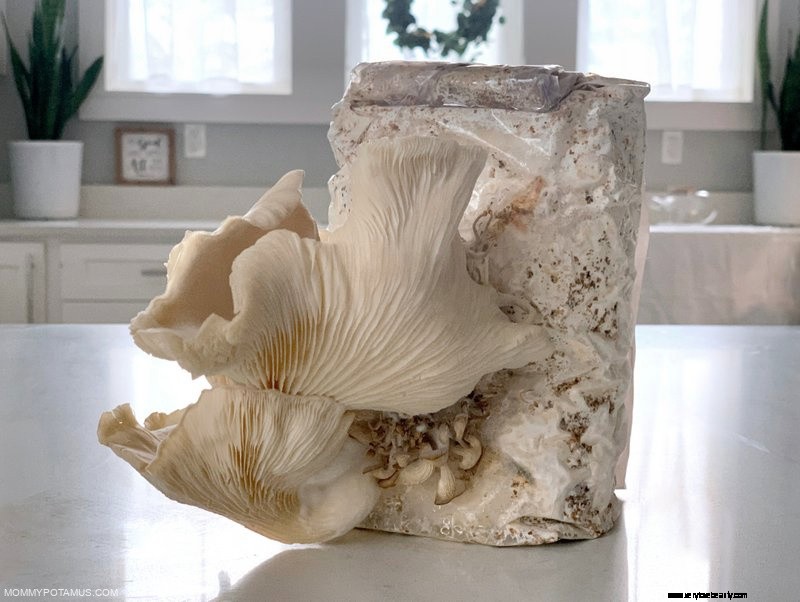
When we talk about the health benefits of mushrooms, exotic species like lion’s mane, chaga and reishi often take the spotlight, but did you know that one of the easiest mushroom species to grow (and prepare) also contains therapeutic properties?
It’s true, oyster mushrooms are both delicious AND beneficial for evening skin tone, de-stressing, supporting immune function and more.
We’ll cover the benefits in just a minute, but first I want to mention that none of these statements have been evaluated by the FDA, this article is not medical advice, and it is not meant to diagnose or treat any condition. Please talk with your healthcare provider about any dietary supplements you are considering.
Now that we’ve got that out of the way, let’s dive in!
For starters, they’re edible mushrooms that get their name from the shell-like appearance of their fruiting bodies – the part we typically think of as mushrooms – not their flavor. Also known as tree oysters and hiratake, which means “flat mushroom” in Japanese, they grow in beautiful clusters and have delicate gills on the underside of the caps.
The variety you typically see in grocery stores are Pleurotus ostreatus (pearl oysters), but there are several other varieties that are both delicious and easy to grow, including:
In the wild they grown on hardwood trees, particularly dead wood, but you can easily grow them on your kitchen counter, too. They’re rich in minerals including phosphorus, potassium, copper, iron, magnesium, zinc, manganese, and selenium, plus several important bioactive compounds we’ll cover later in this article.
“These are among the best edibles, with high protein content (some species have up to 35 percent protein), high digestibility, high fiber, high mineral content, and 15 to 20 percent beta-glucans.” – Christopher Hobbs’s Medicinal Mushrooms
According to Tero Isokauppaila, author of Healing Mushrooms and founder of Four Sigmatic, oyster mushrooms are rich in B vitamins, particularly B6 which:
Our immune cells have several types of receptors that work specifically with polysaccharides created by mushrooms. Oyster mushrooms are rich in beta-glucans, a type of polysaccharide, that works synergistically with the immune system.
“In Medicinal Mushrooms: A Clinical Guide, Martin Powell writes:
In other words, our cells have receptors that are specifically designed to work with the kinds of polysaccharides generated by mushrooms, leading Powell to wonder if they might be “essential nutrients for our immune system.”
In this study, a particular beta-glucan produced by oyster mushrooms (pleuran beta-glucan) had “a positive effect on cellular immunity when given to elite athletes.” (2) (3)
According to Tero Isokauppaila, a compound found in oyster mushrooms – kojic acid – can help fade uneven skin tone associated with sun spots and freckles. It can be applied externally via a serum like this one or taken internally.
He recommends taking the following estimated amounts (by weight) for a period of a few weeks to a few months to get the benefit:
Oyster mushrooms contain an amino acid called ergothioneine, which is a unique antioxidant made by fungi. (4)
Antioxidants help counteract excess oxidative stress that can lead to accelerated aging and several disease processes, but some lose their effectiveness when they’re exposed to heat. Fortunately, ergothioneine levels stay the same when mushrooms are cooked (which they need to be as we’ll cover in the safety section below).
According to this study, oyster mushrooms are also a rich source of other antioxidants including phenolics, flavonoids, ascorbic acid, glycosides, tocopherols, polysaccharides, and carotenoids.
Research suggests that the beta-glucans in oyster mushrooms may support healthy blood pressure levels. (1) (5)
Also, according to mycologist and herbalist Christopher Hobbs, “this mushroom contains a closely related molecule to lovastatin, a statin medication prescribed to lower cholesterol in the body.”
However, he adds that the mushroom molecule is quite mild and the potential benefits are mostly theoretical in humans although a number of animal studies show promise. More research is needed to understand the potential benefits of oyster mushrooms for encouraging healthy cholesterol levels.
In “Traditional Chinese Medicine, oyster mushrooms were often used for joint and muscle relaxation.” (Healing Mushrooms)
Polysaccharides such as beta-glucans also:
For general wellness benefits, Christopher Hobbs recommends “one or two cooked fruiting bodies two or three times a week, at least.”
For supporting healthy blood lipid levels and glucose metabolism, he suggests “3 to 4 grams of the dried and powdered fruiting bodies, or about 800 mg of a dried tea extract. This would amount to 1/2 to 1 teaspoon.” (2)
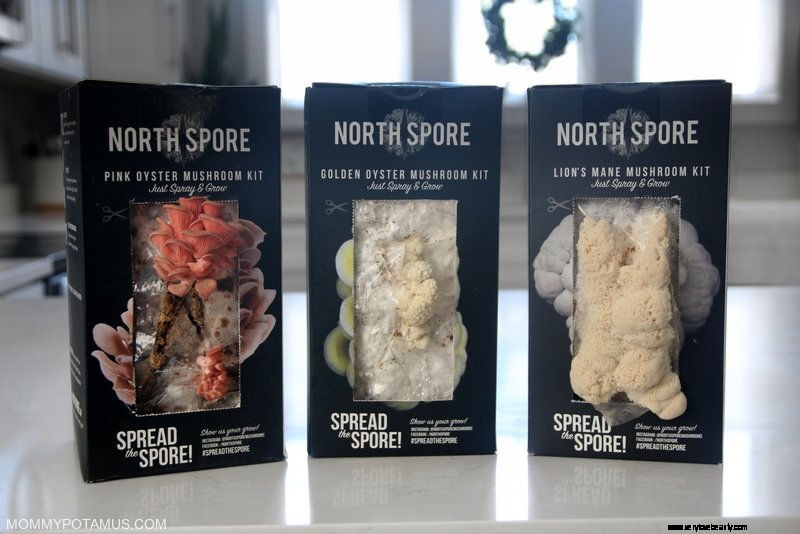
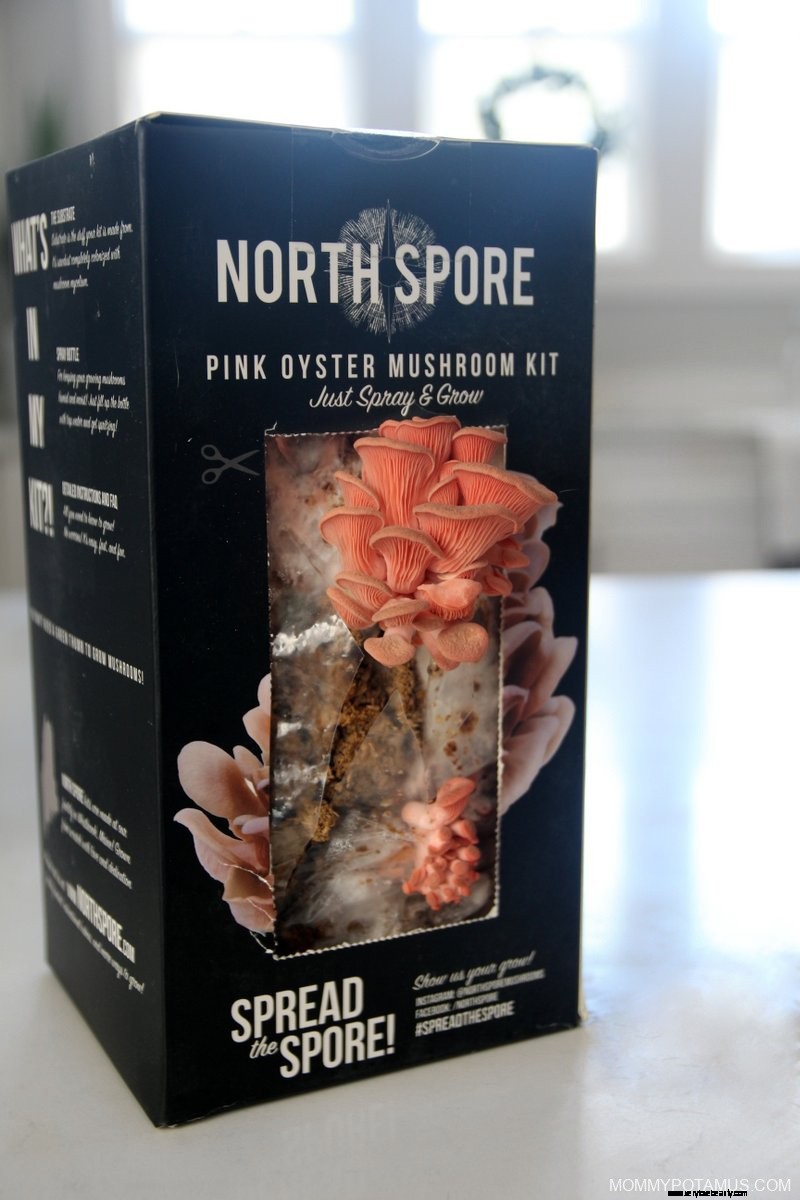
It’s easier than you probably think. Here’s how.
Sources
1. Isokauppila, Tero (2017) Healing Mushrooms
2. Hobbs, Christopher (2021) Christopher Hobbs’s Medicinal Mushrooms: The Essential Guide
3. Bobovčák, Marián et. al. (2010) Effect of Pleuran (β-glucan from Pleurotus ostreatus ) supplementation on cellular immune response after intensive exercise in elite athletes
4. Penn State University (2005) New method shows mushrooms a top source for one antioxidant
5. Y Kabirand S Kimura (1989) Dietary mushrooms reduce blood pressure in spontaneously hypertensive rats (SHR)
6. W J A Banukie N Jayasuriya et. al. (2014) Hypoglycaemic activity of culinary Pleurotus ostreatus and P. cystidiosus mushrooms in healthy volunteers and type 2 diabetic patients on diet control and the possible mechanisms of action
7. Jayachandran, et. al. (2017) A Critical Review on Health Promoting Benefits of Edible Mushrooms through Gut Microbiota
8. Pan, Haitao et. al. (2019) Autophagic flux disruption contributes to Ganoderma lucidum polysaccharide-induced apoptosis in human colorectal cancer cells via MAPK/ERK activation