
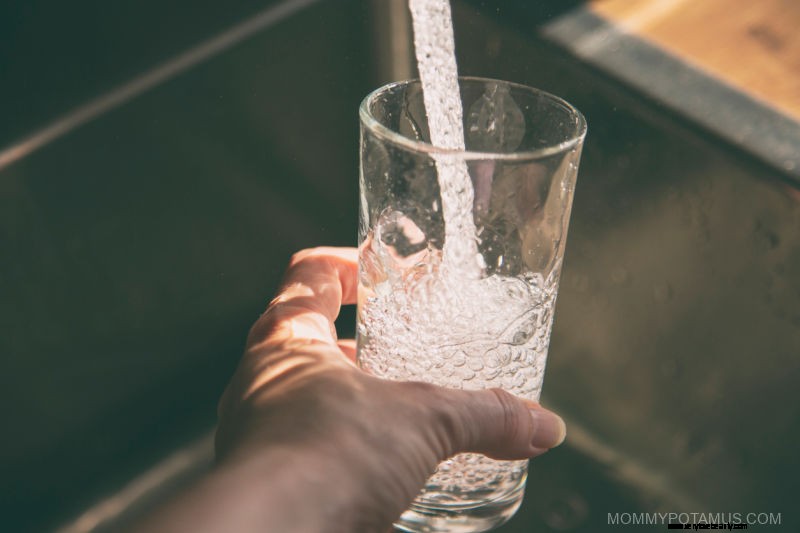
Sometimes called “The Stuff of Life,” water delivers oxygen throughout our bodies, supports detoxification, lubricates joints, keeps skin supple, helps regulate body temperature, and so much more. And because it makes up about 60% of the human body, purity really matters.
When we turn on our faucets, we don’t (usually) have to worry about dangerous pathogens that are often found in developing nations. That doesn’t mean that the water that we drink, cook our food in, and bathe in is free of harmful contaminants, though . . . not by a long shot.
In this article we’ll dive into:
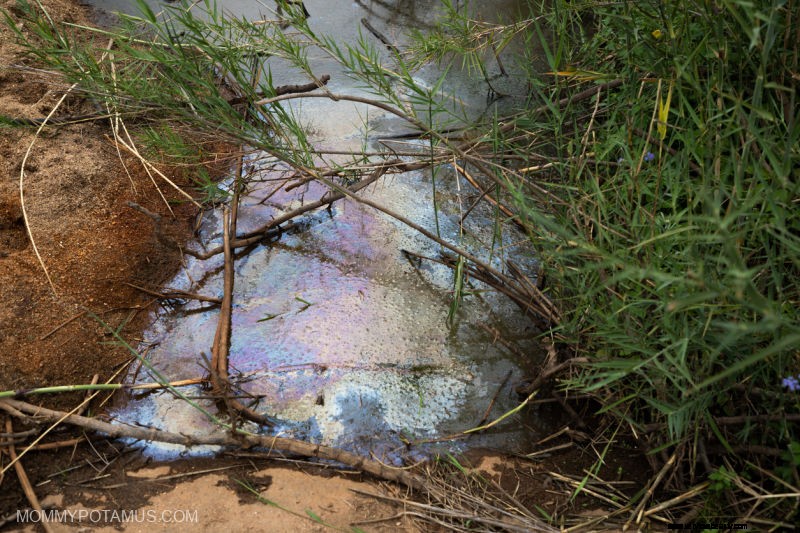
Although the Environmental Protection Agency (EPA) has set limits for certain contaminants in drinking water, critics of those standards say that many of the “acceptable levels” aren’t really safe based on current research. According to The Environmental Working Group:
Unfortunately, many community treatment plants struggle to even meet those standards – just ask the residents of Flint, Michigan (who have had dangerous levels of lead in their water supply for years) or the 6 million people living in eight states who found out they’d been drinking uranium contaminated water that far exceeded EPA maximum levels.
That’s not the only concern, though: In addition to the harmful stuff we’re already aware of, the EPA has identified over 100 “contaminants of emerging concern” that include:
Included on that list are “forever chemicals” such as PFAS – which is a chemical that doesn’t break down and therefore bioaccumulates in our bodies – plus neurotoxins, endocrine disruptors, and likely carcinogens.
Even more problematic is the possibility that the EPA may only be looking into a tenth of the contaminants that are out there. According to this network or laboratories and research centers, the number may be closer to 1000.
Only a small fraction of these chemicals of concern are monitored and/or regulated in any way, which means that it’s up to consumers to address them while regulations catch up. It’s been nearly 20 years since the EPA has added any contaminants to the list of chemicals covered under the Safe Water Drinking Act.
When the Environmental Working Group reviewed drinking water reports from nearly 50,000 water companies or utilities nationwide and then compared the test results with science-based health guidelines, they found:
So what exactly are these contaminants? In general, they fall into four categories:
Different filtration methods remove different types of contaminants, so it’s important to identify the specific concerns for your area when shopping for a water filter.
Chemical contaminants can be naturally occurring or man-made. Although not an exhaustive list, here are some of the most common ones to be aware of:
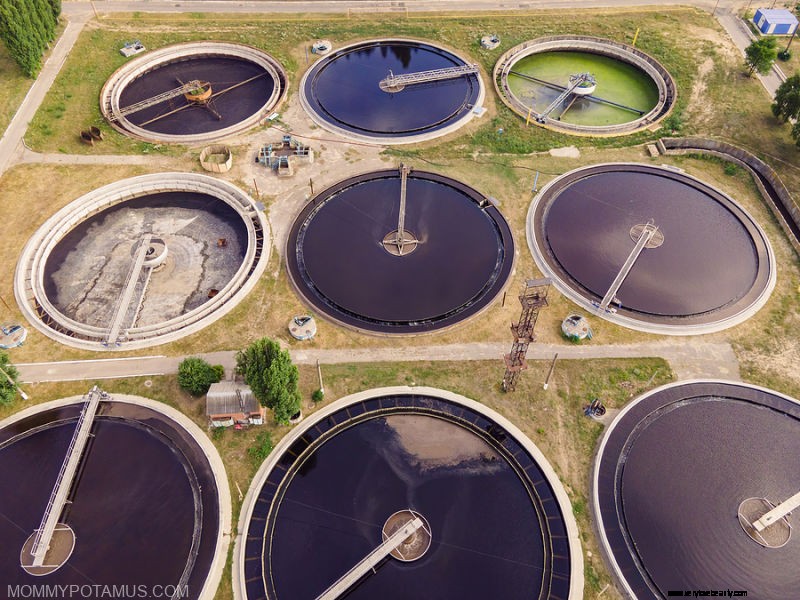
Water treatment plants are not required to monitor levels of pharmaceuticals, and though we’ve known for a while that trace amounts were making it into our drinking water, testing from the Environmental Protection Agency found higher numbers than expected. (4)
Using samples from 50 wastewater treatment plants, they tested for 56 different drugs including oxycodone, high-blood pressure medications, anti-seizure medications like carbamazepine, and beta blockers like metoprolol and atenolol.
More than half of the samples tested positive for at least 25 of the drugs.
Drugs get into the water supply in one of two ways:
Although some argue that they are only “trace amounts” and not dangerous, no one has actually studied the biological impact on humans, and negative effects have been seen in fish and aquatic life at lower levels than anticipated.

Unlike chromium 3 which is a beneficial mineral, chromium 6 is a highly toxic group 1 carcinogen. It’s sometimes called the Erin Brockovich chemical because it was made famous by her advocacy.
Heavy metals including antimony, cadmium, mercury and others can also be found in drinking water as a result of naturally occuring deposits and agricultural runoff/industrial pollution.
According to this study, health issues related to drinking water contaminated with heavy metals “may include cardiovascular disorders, neuronal damage, renal injuries, and risk of cancer and diabetes.”
Fluoride is a known neurotoxin, and a research collaboration between Harvard’s School of Health and China Medical University in Shenyang “found strong indications that fluoride may adversely affect cognitive development in children.” (9)
Several studies have found lower IQ levels in children exposed to fluoridated water, while this study found a 284% increase in ADHD-like symptoms. (9)(10)
A large 2015 study done in England also found that fluoridated water may also increase the risk of developing hypothyroidism, which can lead to symptoms such as fatigue, weight gain and depression. (11)
About 1/3 of U.S. cities don’t fluoridate their water, but some of those cities do have high levels of naturally occurring fluoride. It’s best to check if you need a fluoride filter before buying one.
Important Note: In the past water treatment facilities added sodium fluoride to water, so this is what most fluoride filters are designed to remove. However, these days two new forms of fluoride are more commonly used – fluorosilicic acid and sodium fluorosilicate – and many standard fluoride filters don’t work on them. (12)
Chlorine is a powerful disinfectant that is used to kill bacteria and harmful microorganisms, while chloramine is another type of disinfectant that is made by mixing chlorine with ammonia.
Both create disinfection byproducts such as trihalomethanes (TTHM – chloroform, bromoform, bromodichloromethane, and dibromochloromethane) and haloacetic acids (HAA5 – monochloro-, dichloro-, trichloro-, monobromo-, dibromo-).
According to the National Institute of Health (NIH), there is some concern that these byproducts may increase cancer risk. (13) (14)
Chloramines can also offgas into the air and cause respiratory issues.
Although they do the same thing, you can’t use the same type of filter to remove both chlorine and chloramine. Some remove both, but be sure to check that if yours doesn’t that it does filter the one your city uses.
I’ve written before about the health effects of VOCs and why not of of them are dangerous. The same is true of waterborne VOCs, but there is one difference – they don’t have the distinct taste and/or smell associated with their airborne counterparts.
The Environmental Working Group categorizes twelve common VOC water contaminants as carcinogenic. They are:
Other VOCs are not known to cause cancer but can be toxic to the liver, kidneys or nervous system and/or cause thyroid problems, immune system problems, and more.
Some of these – perfluoroalkyl substances (PFAS), for example – are sometimes called “forever chemicals” because they don’t break down and bioaccumulate in our bodies.
From agricultural runoff, industrial pollution, and product-based contaminants such as flame retardants.
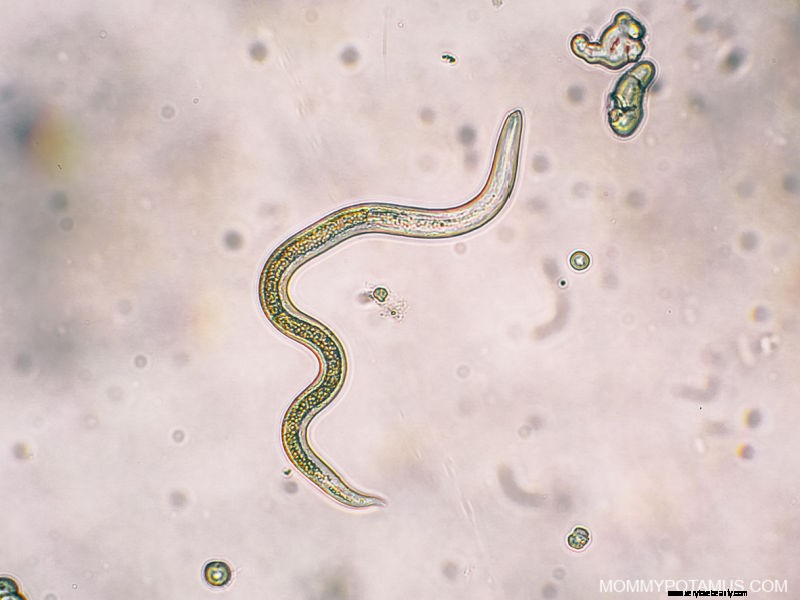
This category includes parasites such as cryptosporidium and giardia, bacteria such as E. coli, protozoan, viruses and algae. Although for the most part chlorine and chloramines kill biological contaminants before they reach us, there are times when some break through.
If testing reveals the problem a county will usually issue a boil notice to consumers to let them know the water is not safe. However, there have been cases when pathogens such as E. coli, norovirus and giardia have made it into the public water supply.
If you’ve ever poured a glass of water that is very cloudy, you may be seeing physical contaminants such as silt, sand, rust or clay. Together these contaminants are called sediment, and they’re generally harmless but can cause problems for some plumbing systems.
Water filters often come with a pre-filter that removes sediment.
Fortunately, our water comes with good stuff, too, particularly minerals including:
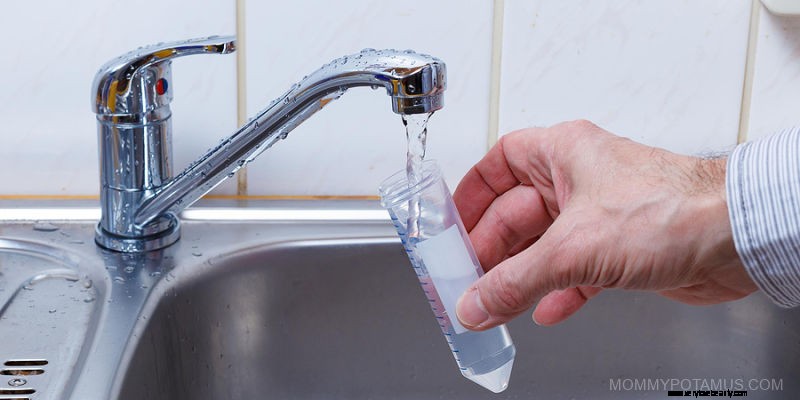
Now that we’ve taken a deep dive into what CAN be in drinking water, let’s talk about how to find out what IS in your drinking water. This is the absolute first step before choosing a water filter, because it will help you figure out what type of filter is needed to remove the things you are concerned about.
Get a copy of your local water quality report. You can usually do this by googling the name of your city, your state and “water quality report.” Clearly Filtered also has helpful tool that can pull your report and help you better understand what the most concerning aspects are.
However, though this report will give you some helpful information, keep in mind that prescription drugs and many “chemicals of emerging concern” are unregulated by the EPA, so they’re not usually listed on water quality reports.
Sometimes you can reach out to your local water supplier and request a more detailed report that will list unregulated chemicals.
Also, find out if your water supplier uses chlorine or chloramines. As mentioned earlier, both serve as disinfectants but they’re filtered out differently. Your water quality report should tell you this, but some suppliers switch back and forth so it doesn’t hurt to call and ask if what’s on the report is what they use all year.
National Water Testing Laboratories is an independent, certified water quality testing service that is one of the most respected in the industry. They offer a Water Check Deluxe Test that looks for:
Also, as mentioned above, even if your local water tests low for lead when it leaves the treatment facility, sometimes it can pick up lead via service pipes leading into your home. If that might be the case, there are are inexpensive at-home test kits that can check for it.

I’ve put together a water filter buyer’s guide that covers the pros and cons of different types of filters, plus detailed guides for each category once you decide what’s best for your goals and budget:
Sources
1. Environmental Working Group (2019) The Dirty Secret of Government Drinking Water Standards
2. United States Environmental Protection Agency. Chemicals of Emerging Concern in the Columbia River
3. Environmental Working Group (2017) Drinking Water and Children’s Health
4. United States Environmental Protection Agency. Concentrations of Prioritized Pharmaceuticals in Effluents from 50 Large Wastewater Treatment Plants in the US and Implications for Risk Estimation
5. United States Environmental Protection Agency. Basic Information about Lead in Drinking Water
6. NDRC (2020) How Can I Find Out If I Have a Lead Service Line?
7. Columbia University (2020) Study Uncovers Hotspots of Arsenic in Drinking Water
8. Michigan Department of Environment, Great Lakes and Energy (2019) Arsenic In Well Water
9. Harvard School of Public Health (2012) Impact of fluoride on neurological development in children
10. Xu, Kaihong et. al. (2020) Fluoride exposure and intelligence in school-age children: evidence from different windows of exposure susceptibility
11. Newsweek (2015) Water Fluoridation May Increase Risk of Underactive Thyroid Disorder
12. Centers for Disease Control & Prevention (CDC) Types of Fluoride Additives
13. National Institutes of Health Division of Cancer Epidemiology & Genetics. Drinking Water Contaminants
14. Massachusetts Department of Environmental Protection (2018) TTHM in Drinking Water: Information for Consumers
15. Cape Fear Public Utility Authority. Radionuclides