
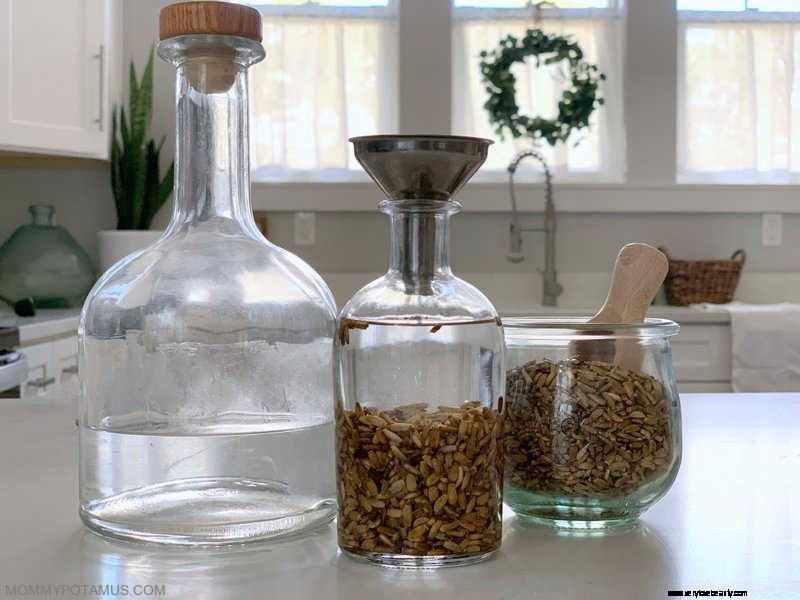
Does your liver need a little extra love? Or maybe you’re wanting to support skin clarity, hormone balance, and strong digestion? Milk thistle has a long history of traditional use for all of that and more.
In this article we’ll dive into the benefits of this powerful yet safe herb, how to use it . . . and how not to!
As always, I want to mention that none of these statements have been evaluated by the FDA, this article is not medical advice, and it is not meant to diagnose or treat any condition. Please talk with your healthcare provider about any herbs or dietary supplements you are considering.
Now that we’ve got that out of the way, let’s dive in!
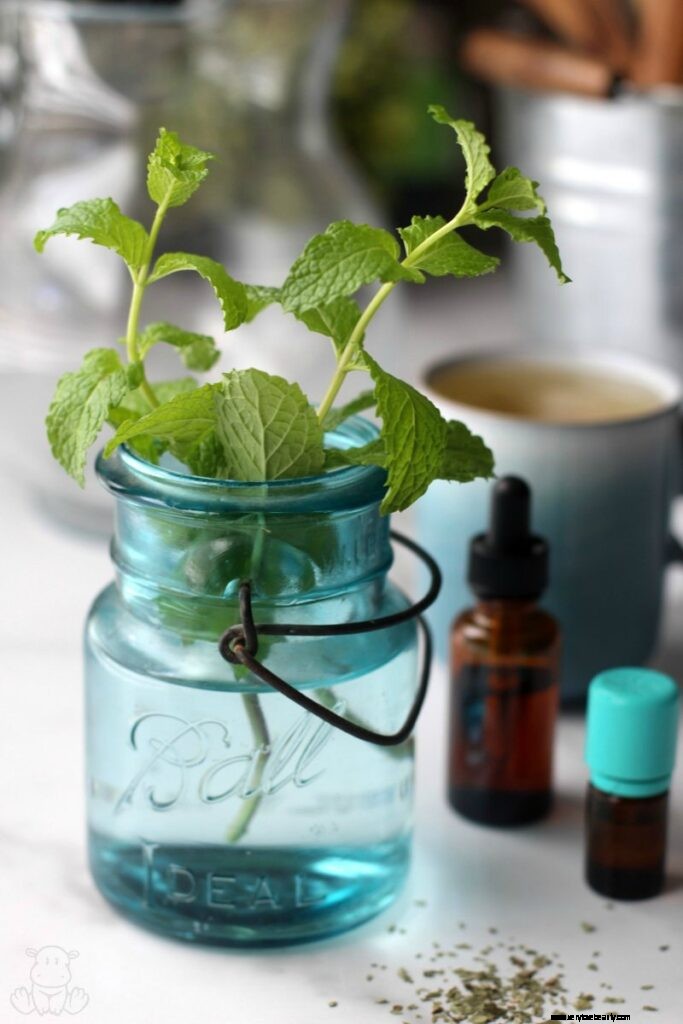
Sometimes known as holy thistle, milk thistle (Silybum marianum) can be easily recognized by its spiky purple flowers and lettuce-like leaves.
Native to the Mediterranean and now naturalized in Central Europe, North and South America, and Southern Australia, this member of the sunflower family (Asteraceae) produces a milky white sap when its stems are crushed. That’s part of how it got its name – and the fact that it’s traditionally used to support breast milk production probably played a role, too.
It’s also been used as a potent yet gentle liver tonic since at least the 1st century, when Pliny the Elder wrote that it was “excellent for carrying off bile.” (1) Current research is more focused on this aspect of its benefits.
The main therapeutic component is silymarin, which is group of flavonoids that includes silybin A, silybin B, isosilybin A, isosilybin B, silydianin, silychristin A and B, and silibinin.
It’s primarily found in the seeds, which just so happen to have a nutty, salty, slightly sweet flavor that makes them perfect for grinding and incorporating into smoothies, oatmeal, granola and more. It also works well in savory dishes, which is why I used it to create this “Love Your Liver” Milk Thistle Seasoning Blend.
Milk thistle is also very effective when used in capsule form, which is very simple to incorporate into a daily routine.
Milk thistle is considered helpful for:
Let’s take a deeper dive into those benefits:
With an increasing number of “contaminants of emerging concern” in our water, VOCs in our environment, and other sources of toxic exposure, the demand on our internal detoxification systems is higher than ever before in history.
Milk thistle is an excellent way to give a little extra love to our liver, which is involved in over 500 vital functions including the breakdown of toxins so that they can be safely flushed out of the body. (3)
According to Katja Swift and Ryn Midura, authors of Herbal Medicine for Beginners, milk thistle supports liver health in three distinct ways:
A substantial amount of research supports these conclusions. (4)
One of the liver’s major jobs is to break down and eliminate excess sex hormones (estrogen, progesterone, and testosterone) plus hormones made by the adrenal glands and thyroid.
If the liver has a lot to handle due to overall body burden, a big surge of cortisol due to stress, or some other reason, it can result in suboptimal clearance of hormones.
By helping it function at its best, milk thistle helps the body maintain balanced hormone levels.
Since we just talked about balancing hormones, this is probably a good time to talk about how milk thistle can support clear skin. The liver often handles more than usual during periods of hormonal transition (puberty, perimenopause, and menopause).
Often, this “extra load on the liver can show up on the skin” in the form of blemishes. (2) Milk thistle may help by offering extra support during these seasons. Some research suggests it may help skin stay youthful looking, too! (5)
Our bodies break down toxins via oxidation – a process that transforms them into water-soluble compounds that can be flushed out of the body. Oxidation produces free radicals, which can damage tissues and accelerate aging unless they are neutralized by antioxidants.
Milk thistle provides antioxidant support in two ways by:
Milk thistle has traditionally been used as a galactogogue, or herb that supports milk production, and modern research seems to support this approach. (8)
Only about 20% of the cholesterol in our bodies is from food – the rest is made by our liver and gut. (9)
Once made, our bodies use cholesterol to make vitamin D, hormones, and enzymes needed for digestion.
Of course, it is possible to get too much of a good thing, which is why our liver is also – you guessed it – responsible for breaking down used cholesterol so that it doesn’t build up in our system.
By supporting liver function in a variety of ways, research suggests that milk thistle may encourage both the healthy production and removal of cholesterol. (10)
Both animal and in vitro human research has found that milk thistle supports immune function.
However, other herbs like elderberry, reishi, astragalus and chaga are typically emphasized when supporting the immune system is the primary goal.
Like dandelion and burdock root, milk thistle seed is considered a digestive bitter – aka an herb that supports digestion.
When taken just before a meal – usually in tincture form – it encourages the release of bile and enzymes from the gallbladder so that nutrients can be properly absorbed. (4)
The active ingredient in milk thistle – silymarin – isn’t extracted well by hot water, so unfortunately milk thistle tea isn’t all that therapeutic. (11)
Fortunately, there are still highly effective ways to use it:
Unlike most herbs which don’t work optimally when taken as capsules, standardized milk thistle extracts work really well.
For daily liver support, Medical Herbalism author David Hoffman suggests “175 mg a day of 30:1 seed extract standardized to 80% silymarin.” That’s not a very common formulation for a supplement – this is the closest option I could find.
“For therapeutic and restorative effects,” he says that “up to 600 mg/day of extract standardized to 80% silymarin may be used.” Here’s an option to consider.
Grinding up the seeds in a coffee grinder (I have one that’s just used for herbs) is an excellent way to optimize the absorption of milk thistle’s beneficial compounds.
Add 1 tsp – 1 tbsp of the grounds seeds to granola, smoothies, oatmeal, or energy bars. It can also be mixed with salt and used as a savory seasoning.
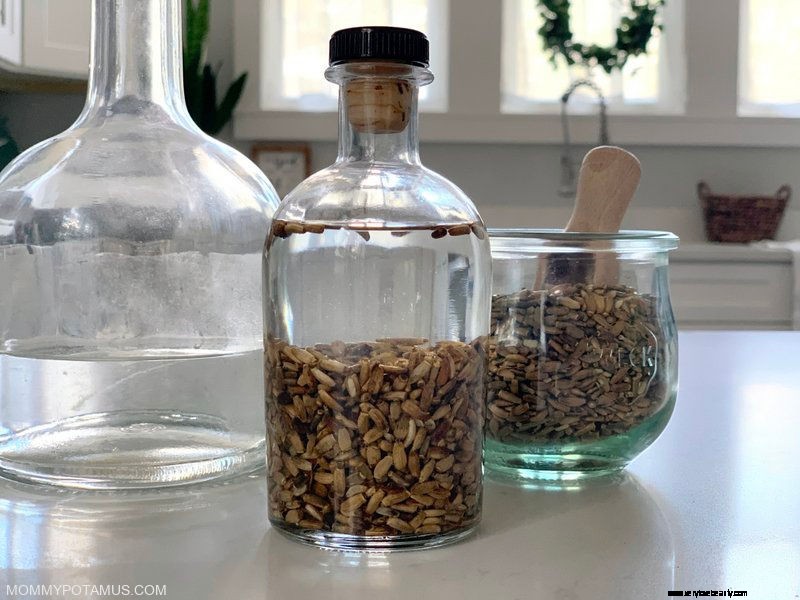
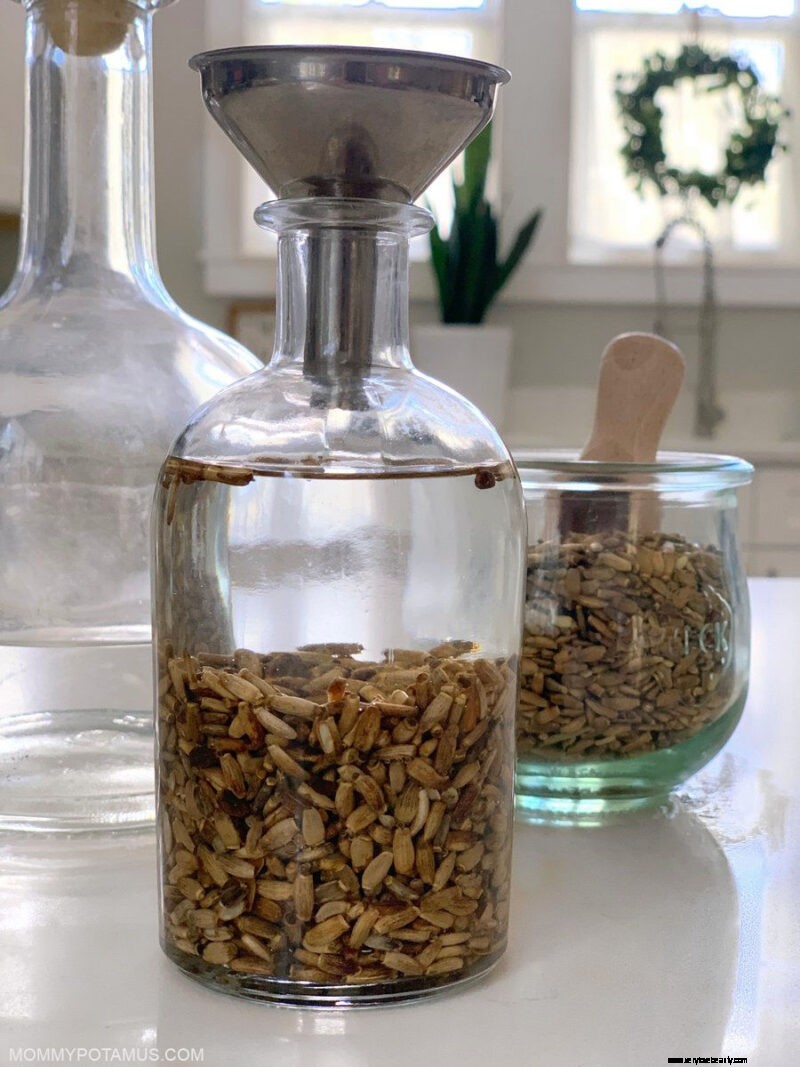
Alcohol is much better at extracting silymarin than water, so for milk thistle a tincture is preferred over tea.
Thomas Easley and Steven Horne, authors of The Modern Herbal Dispensatory, recommend 3-8 ml (about 1/2 to 1 1/2 teaspoons) of 1:3 tincture in 70% alcohol (that’s the ratio of seeds to liquid + the alcohol concentration) up to four times daily.
You can find a 1:3 tincture here or follow the recipe below to make your own.