
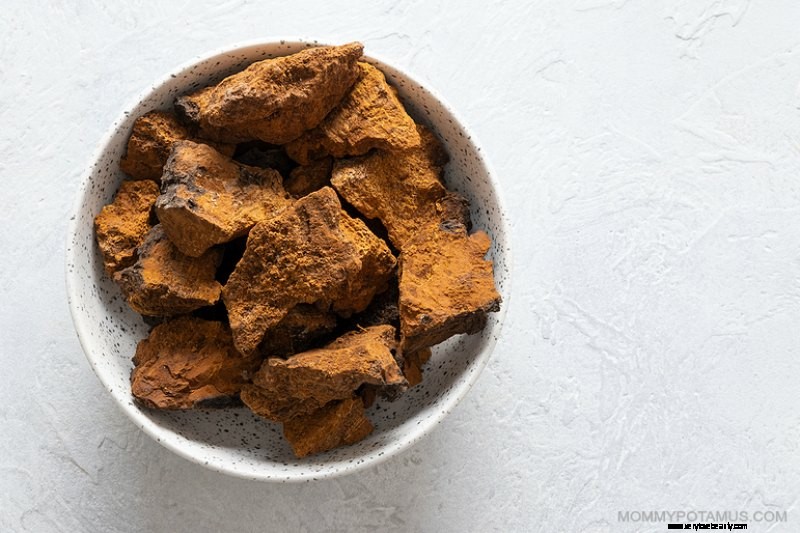
Cryotherapy. Cupping. Flying spaceships with my mind. I’ve done some weird things in the name of wellness, so a few years ago when I heard people were putting mushrooms in their coffee, I just had to know why. As I learned about the benefits of chaga mushrooms for stress support, healthy skin, immune support, and more, I decided to buy some mushroom coffee with chaga and give it a whirl.
It’s a wellness practice that has stuck, not just for me, but for the Siberian Khanty people (and many others) who have been using chaga therapeutically for thousands of years. What makes chaga so special, and what’s the best way to consume it? We’ll dive into that in this post, plus safety considerations and how to choose high quality chaga.
First, though, a quick note: As always, none of these statements have been evaluated by the FDA, this article is not medical advice, and it is not meant to diagnose or treat any condition. If you have a question about whether chaga (or any other supplement) is right for you, please talk with a qualified healthcare provider. Okay, let’s dive in!
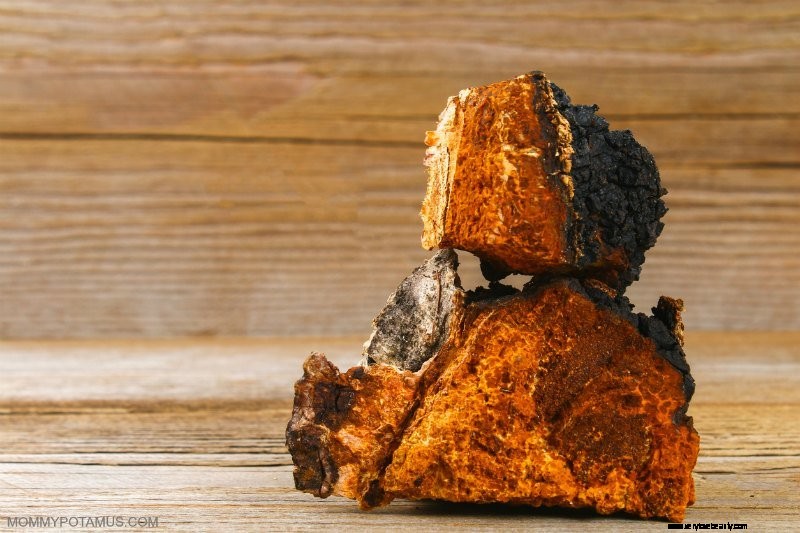
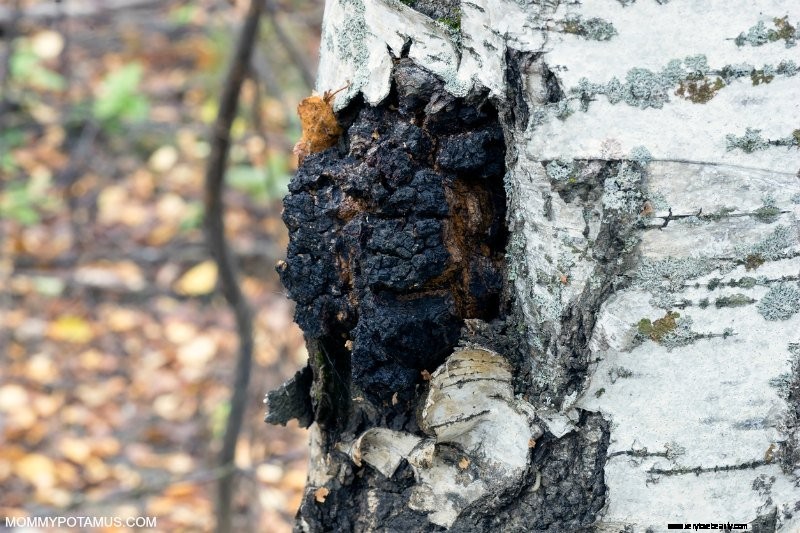
Sometimes called the “King of Medicinal Mushrooms” or “Black Gold,” chaga (Inonotus obliquus):
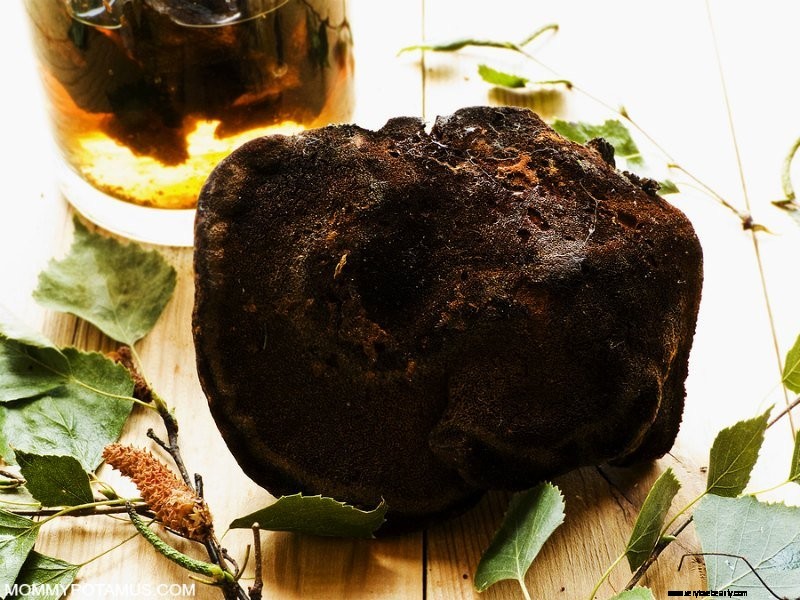
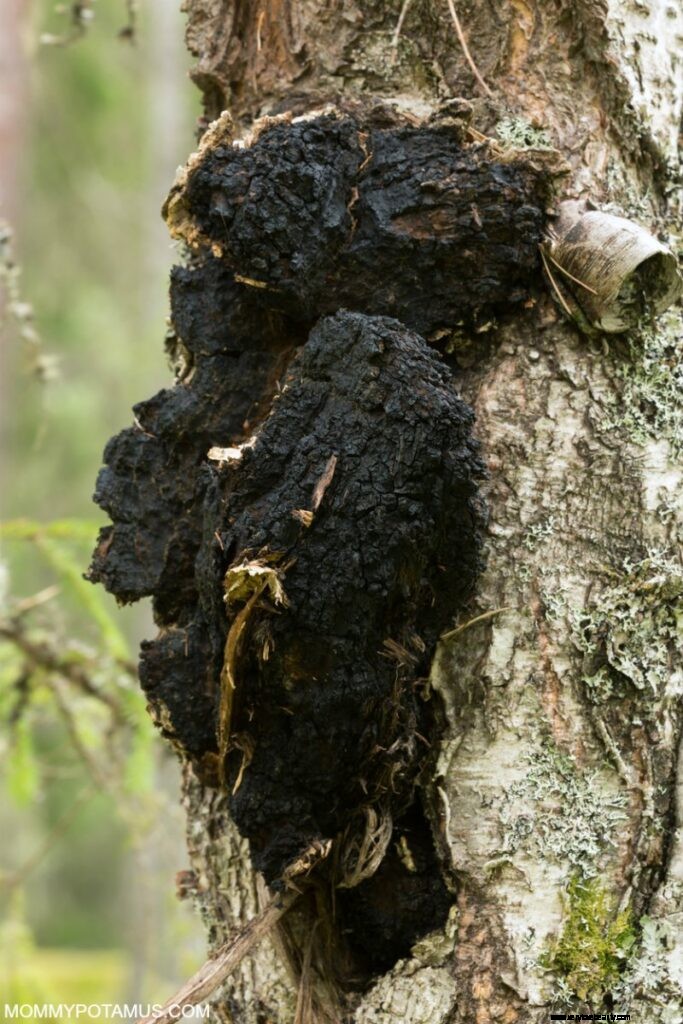
The inside is bright orange with a texture that is similar to cork. As you can imagine, chewing “cork” isn’t easy on the digestive system, which is why in folk medicine it’s usually chopped up and boiled to make chaga tea. Hot water helps to extract the valuable polysaccharides responsible for many of its therapeutic properties, but it does leave some beneficial constituents behind. We’ll talk more about how to extract those hard-to-get compounds later.
One important thing to know is that type of tree chaga grows on affects its therapeutic properties. Birch tree bark is rich in betulin and betulinic acid, which chaga absorbs as one of its main bioactive constituents. Chaga grown on ash or maple may generate other bioactive constituents with their own unique therapeutic properties, but there’s not much research on them yet. For that reason, I look for chaga extracts that are derived from birch. Any reputable supplier will be able to tell you what the source is.
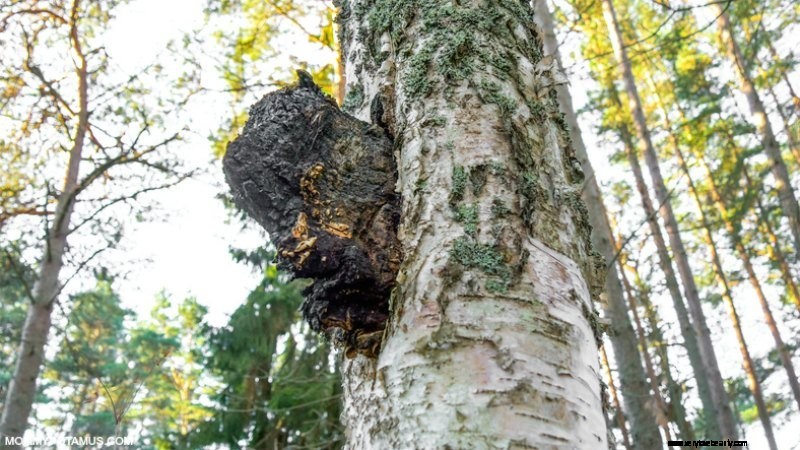
Chaga is one tough fungus. To thrive in semi-arctic climates with high altitudes across Russia, Asia, Alaska, Canada and the northern parts of the United States, it has developed the ability to produce potent compounds that promote survival. According to experts like Martin Powell, author of Medicinal Mushrooms: A Clinical Guide, they have benefits for us as well. Here’s an overview of chaga’s main constituents.
We know that excessive amounts of free radicals – which our bodies produce as byproducts of metabolism – cause oxidative stress that can lead to accelerated aging and several disease processes. Fortunately, as this Live Science article puts it,
Chaga contains betulin and its derivative betulinic acid, which helps to restore balance in a variety of the body’s systems, supports healthy cell signaling, and supports a healthy and balanced inflammatory response. (1)
It also contains lupeol, which has all the benefits of betulin/betulinic acid and may also support heart health. (2)
Triterpenes can only be extracted using alcohol, while the next constituent we’ll be discussing can only be extracted using water. To get the best of both worlds, I buy chaga that has been dual-extracted to incorporate both water and alcohol-soluble compounds.
In Medicinal Mushrooms: A Clinical Guide, Martin Powell writes:
In addition to their immune supporting benefits, polysaccharides such as beta-glucans may have a prebiotic effect that supports gut health. More on that later.
Unlike some of things I’ve tried which didn’t have a noticeable impact, functional mushrooms (or medicinal mushrooms as some people call them) have become a staple in my kitchen. After reading Healing Mushrooms by Four Sigmatic founder Tero Isokauppila, I began incorporating shiitake into stir fry and oyster mushrooms into bone broth.
Since chaga isn’t something that can really be used for culinary purposes, I had to be more intentional about incorporating it in the form of chaga tea. I feel like it’s totally worth it, though. Here’s why:
Also, as I mentioned earlier it’s one of the single richest sources of antioxidants, making it helpful for counteracting excessive oxidative stress that can contribute to DNA damage and accelerated aging.
Our immune cells have several types of receptors that work specifically with polysaccharides generated by mushrooms. Chaga is rich in beta-glucans, a type of polysaccharide, plus other compounds that are believed to work synergistically with the immune system.
For example, research on mice found that chaga may help our bodies regulate cytokine production, which support the immune system by helping cells talk to one another via messengers called cytokines. These chemical messengers are the body’s first line of defense in recognizing and eliminating infected and damaged cells.
According to Tero Isokauppaila, author of Healing Mushrooms and founder of Four Sigmatic, polysaccharides are immune modulators rather than immune stimulants, meaning that they balance the immune system based on what’s needed instead of drive it in a particular direction. (4) However, other sources say that it may have an overstimulating effect, so anyone with an autoimmune diseases should seek medical advice before taking chaga.
Chaga has adaptogenic properties, which means it helps our bodies find balance during times of physical or emotional stress. If caffeine is like a map from point A (sleepy) to point B (alert), adaptogens are more like a GPS system that figures out where you are and helps you get where you need to go (balanced).
It has a grounding, centering effect that helps the body increase overall resilience. Something to keep in mind is that adaptogens usually need to be taken consistently for awhile (usually about 2-3 weeks) in order to produce a noticeable effect.
In other words, polysaccharides may serve as food for beneficial gut bacteria while also promoting a healthy immune system.
In a 2015 study published in the International Journal of Medicinal Mushrooms, researchers reported that a water extract of chaga had a hepatoprotective (liver protective) effect against tertbutyl hydroperoxide, a chemical known to cause liver damage.
The effects of tertbutyl hydroperoxide are similar to drug-induced liver injury or alcohol related liver disease, but no human studies have been done yet to confirm this effect.
In a 2006 study, rats who consumed chaga for eight weeks experienced improved insulin sensitivity (which led to lower blood sugar). For this reason, diabetics who are taking blood sugar lowering medication need to talk with their doctor before taking chaga, as it may amplify the effect medication.
There are two main things to consider: The type of wood the chaga is derived from (birch, maple, ash, etc.) and the type of extract (water or alcohol). I always look for birch-derived because the bark contains compounds that contribute to some of chaga’s most valued bioactive constituents. In terms of extract types:
Which one is desirable depends on what your goals are. Personally, I opt for dual-extraction products like Four Sigmatic that offer the best of both worlds. Basically, they extract the polysaccharides with water and the triterpenes/other compounds with alcohol, then carefully dry the resulting extract into a powder that can be stirred into hot water, smoothies, soups, andmore. Their chaga is wildcrafted (harvested) from birch trees in Siberia.
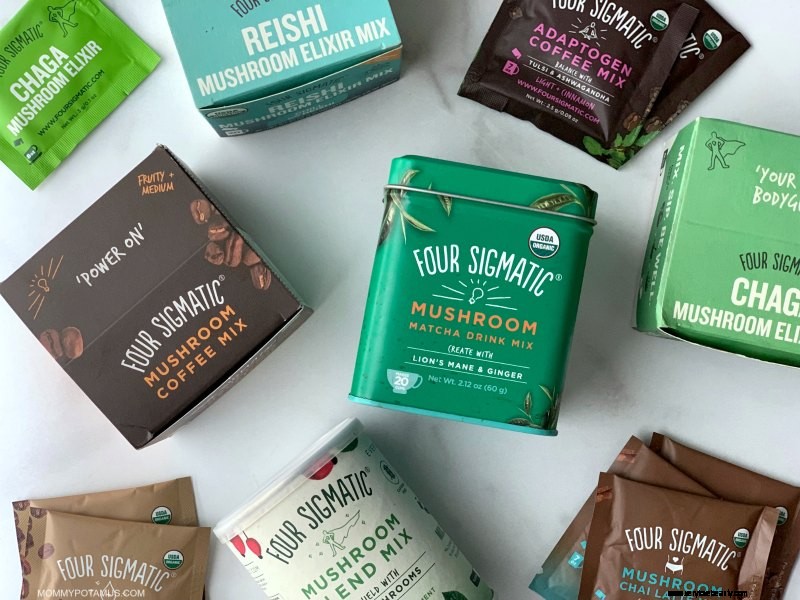
Chaga tastes a lot like coffee, so it makes sense to blend it with coffee, but it can also be brewed as a caffeine-free tea. Here are some of the options I’ve tried and liked. Use code MP15 for 15% off.
Chaga is generally well-tolerated and has a long history of use in traditional cultures. However, no human studies have been done to establish safety or dosage. Here are some cautions to consider:
Oxalates – Chaga contains oxalates, which are also found in foods such as spinach, almonds, beets, cacao powder and raspberries. Oxalates can be toxic in high doses. In one case report, a 72 year-old woman diagnosed with liver cancer developed kidney damage after taking four to five teaspoons of chaga mushroom powder daily for six months.
Pregnancy & Breastfeeding – It is unknown whether chaga has an impact on pregnancy or breastfeeding, so it’s best to talk with your doctor before proceeding.
Autoimmune Diseases – Some practitioners recommend chaga and other polysaccharide-rich fungi for those with autoimmune conditions, while others sources (such as WebMD) caution against them, citing potential immune activation. Talk with your doctor before proceeding.
Bleeding Disorders – “There is concern that chaga might increase the risk of bleeding. Don’t use chaga if you have a bleeding disorder.” (3)
Diabetes – “Chaga might lower blood sugar levels in people with diabetes. Watch for signs of low blood sugar (hypoglycemia) and monitor your blood sugar carefully if you have diabetes and use chaga products. The dose of your diabetes medications may need to be adjusted by your healthcare provider.” (3)
Surgery: “Chaga might affect blood sugar control or increase the risk of bleeding during and after surgery. Stop using chaga at least 2 weeks before a scheduled surgery.” (3)
There is no research on the safety of consuming chaga while pregnant or breastfeeding, so the safest approach is to avoid it.
Please leave it in the comments below!
Sources:
1. Gery, Antoine et. al. (2018) Chaga (Inonotus obliquus), a Future Potential Medicinal Fungus in Oncology? A Chemical Study and a Comparison of the Cytotoxicity Against Human Lung Adenocarcinoma Cells (A549) and Human Bronchial Epithelial Cells (BEAS-2B)
2. Siddique, Hifzur and Saleem, Mohammed (2011) Beneficial health effects of lupeol triterpene: A review of preclinical studies
3. WebMD. Chaga Side Effects & Safety
4. Ultimate Health Podcast. Tero Isokauppila