
8 min read
Lately, my core routine has felt staler than week-old sourdough bread. Sure, classic moves like crunches, Russian twists, and planks are great (and effective!), but in order to reap the gains of strong abs, I need to change up my routine from time to time.
The benefits of core moves might as well be never-ending. A well-conditioned core helps you move better, faster, and stronger, supporting proper form in all types of movements from heavy lifting, to carrying groceries, to endurance training. “When you solidify and strengthen your trunk, everything else feels easier,” certified personal trainer Melissa Kendter, CPT, previously told WH.
If you’re looking for some new ways to spice up your core routine, try out this effective (and quick!) core workout programmed by expert trainers.
Time: 20 minutes | Equipment: Mat, dumbbells, kettlebell, stability ball | Good for: Core
Instructions: Complete two sets of the indicated duration or number of reps for each move. Rest for 30 seconds between sets.
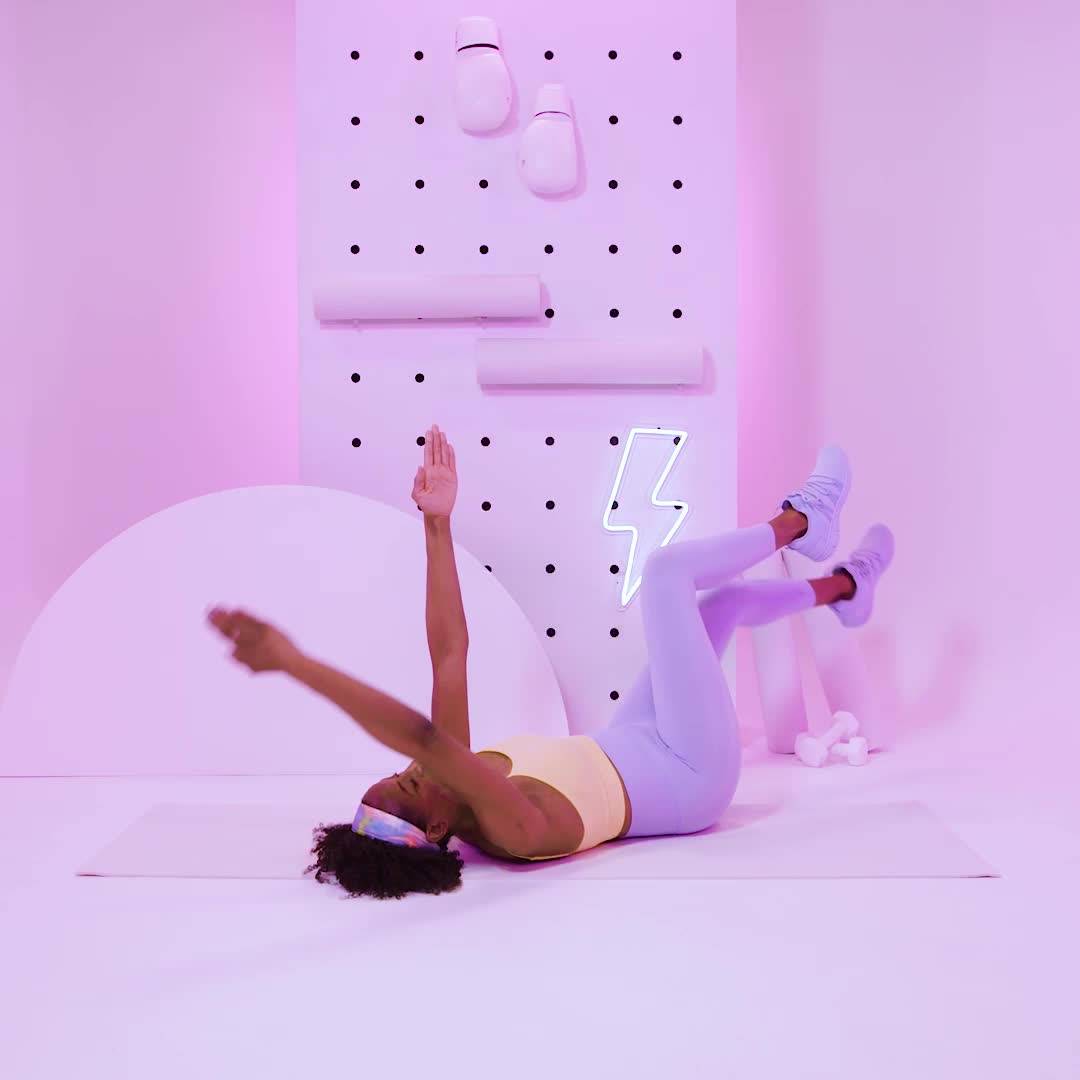
How to:
Why it rocks: “Dead bugs are good for just about any skill level because they are a safe and effective way to strengthen and stabilize your core, spine, and back muscles,” Kendter said. “They target the same stabilization muscles as a plank, but without posing as much potential strain to the low back.”
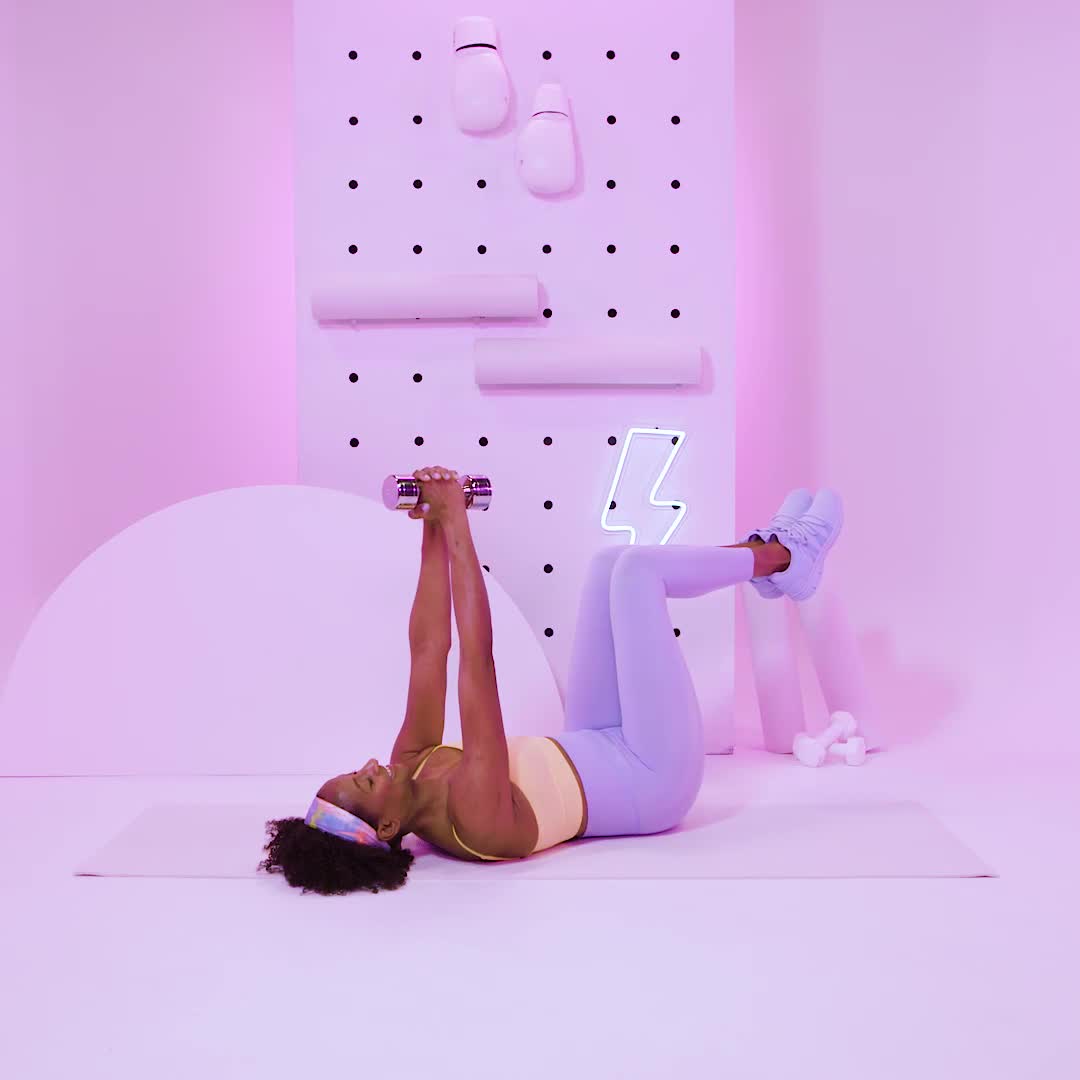
Feel free to use either a dumbbell or kettlebell for this move.
How to:
Why it rocks: When you’re ready for a progression from the traditional dead bug, the dead bug pullover adds an additional load, Kendter said. “It strengthens the abdominal and back muscles, and helps promote a neutral spine and anti-rotation.”
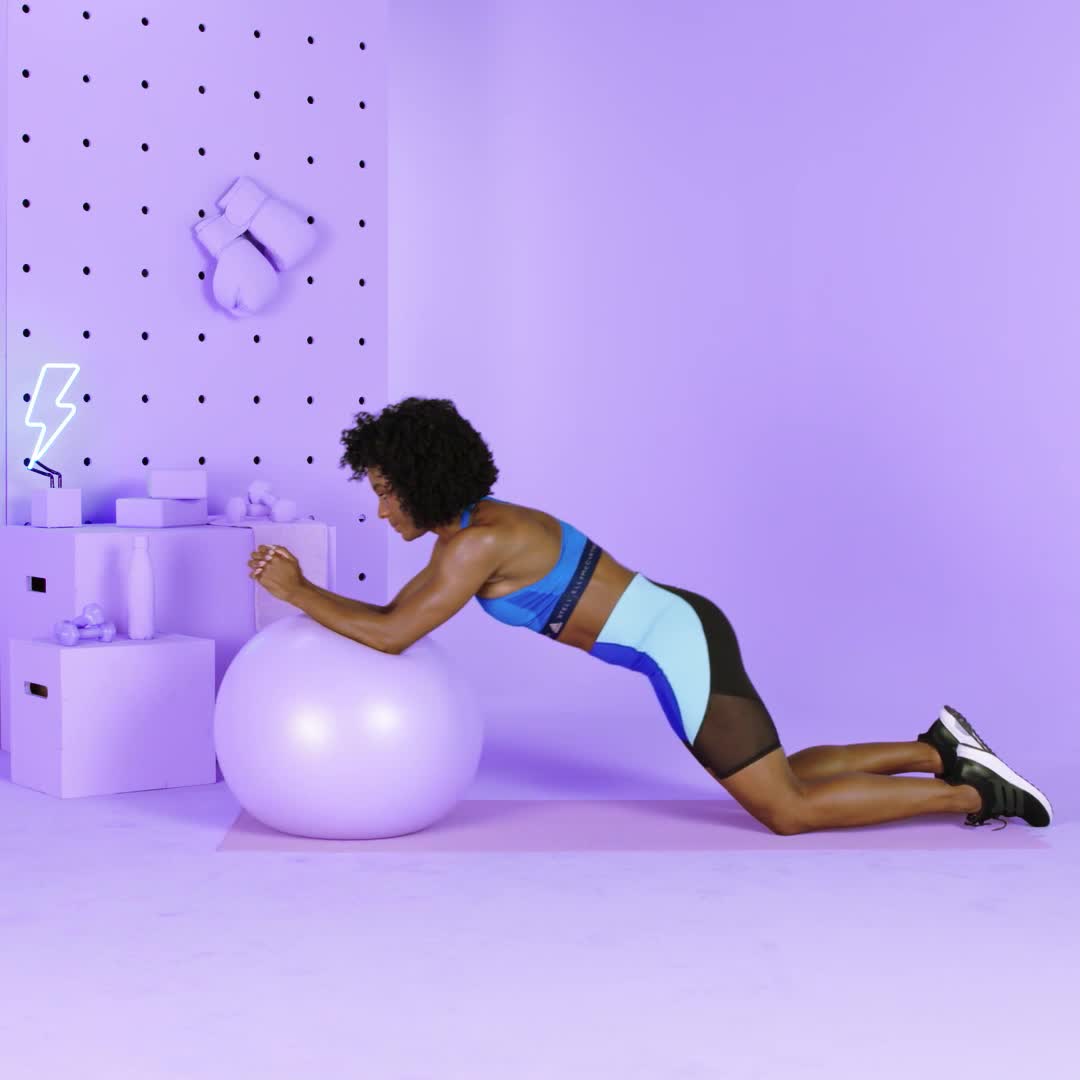
If you don’t have access to a stability ball, using an ab roller wheel for this move will also work, however, it may feel slightly more challenging.
Why it rocks: This is an advanced exercise that gives you a lot of bang for your buck. “I love this advanced plank variation since it adds the element of instability because of the ball, which means more muscles are engaged overall,” Kendter said. If doing this on your knees is too easy, you can progress by doing it from your toes.
How to:
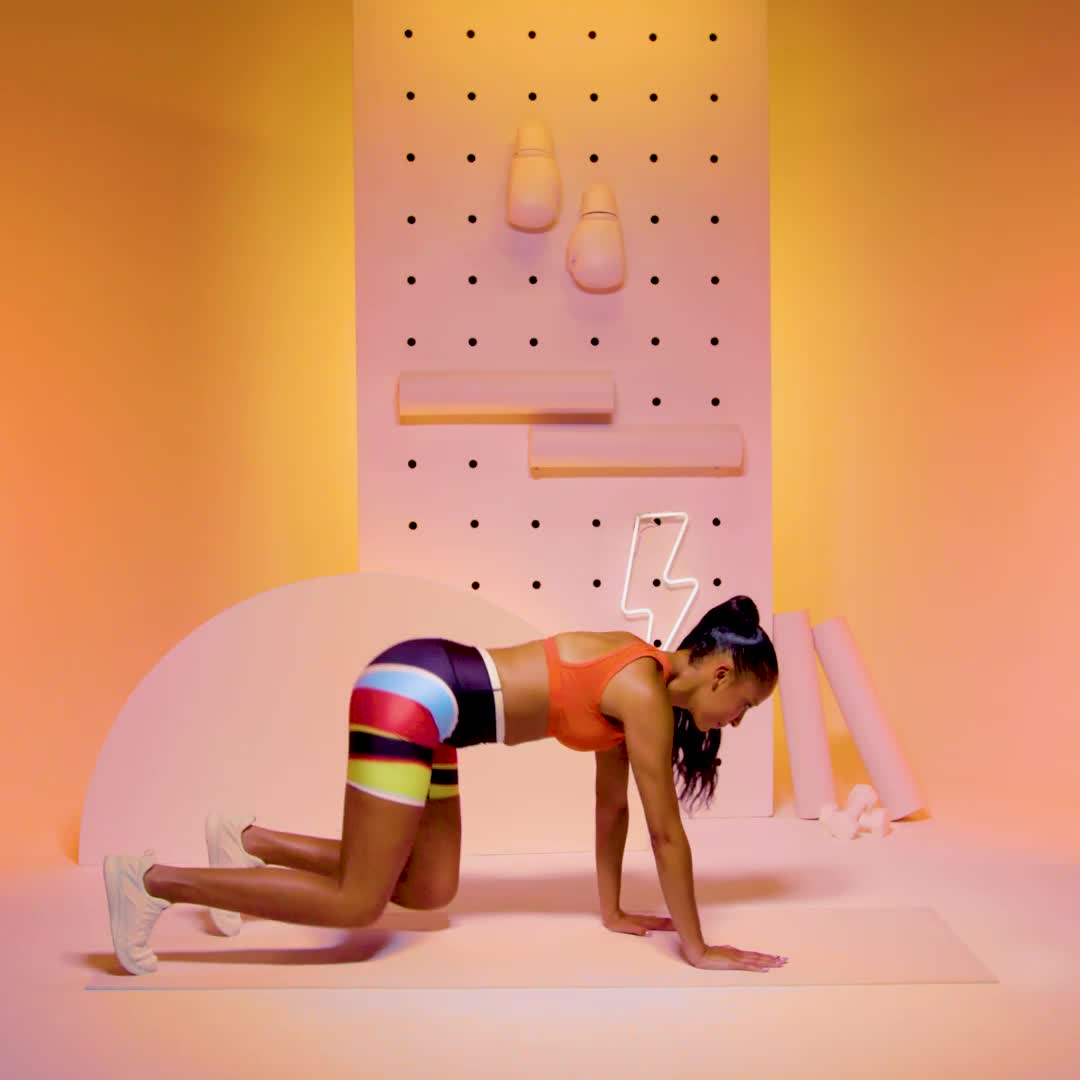
How to:
Why it rocks: “Since you're moving on all fours hovering over the ground as you perform this exercise, your core muscles really have to fire to keep your spine, hips, and shoulders stabilized,” Kendter said. The bear crawl is also a great warmup exercise or finisher since it lights up your entire body, she added.
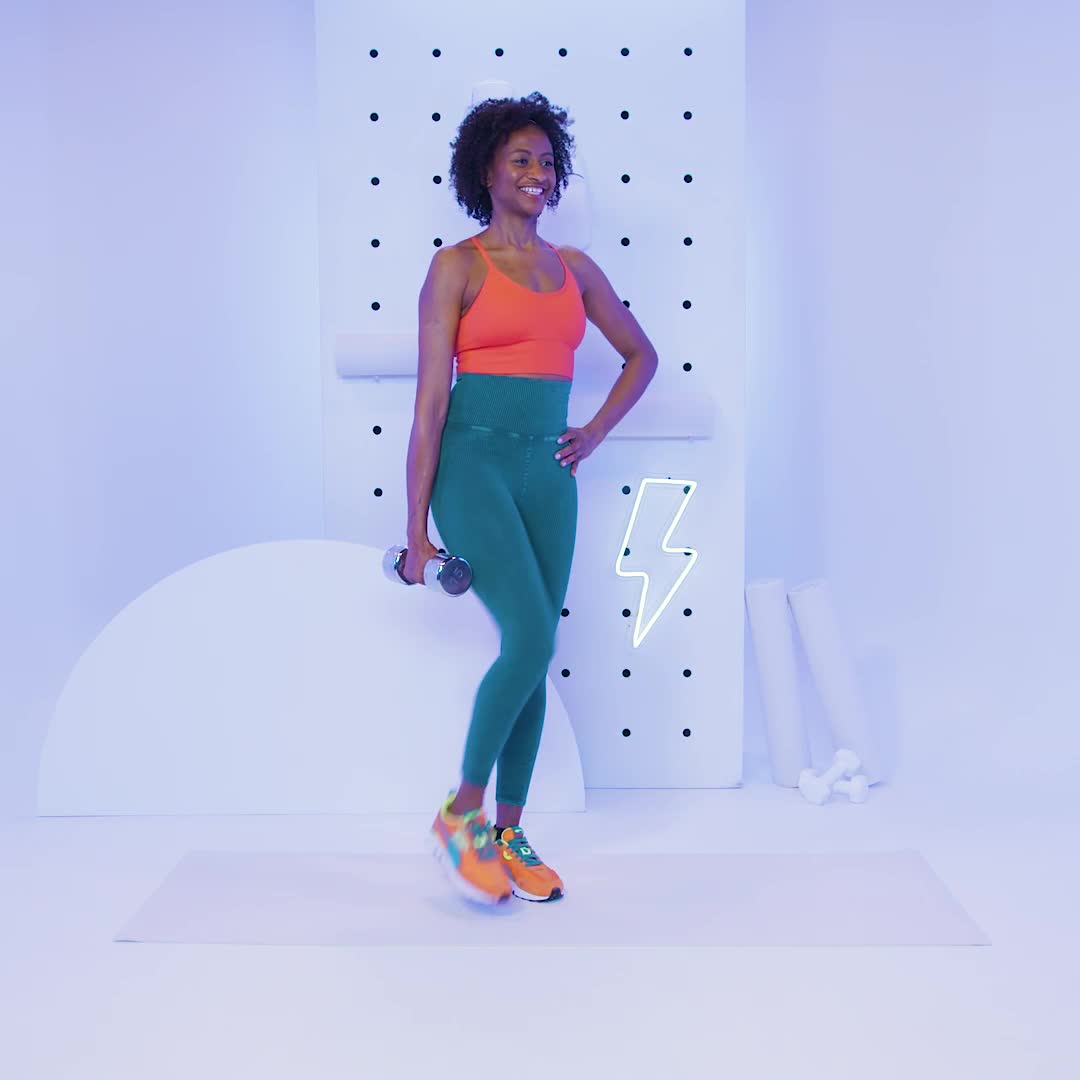
How to:
Why it rocks: Suitcase dumbbell marches are one of Kendter’s favorite moves for a reason. Not only do they train your core stability by adding an offset weight to the center body, but they also offer work on your grip strength, and overall athleticism, she noted.
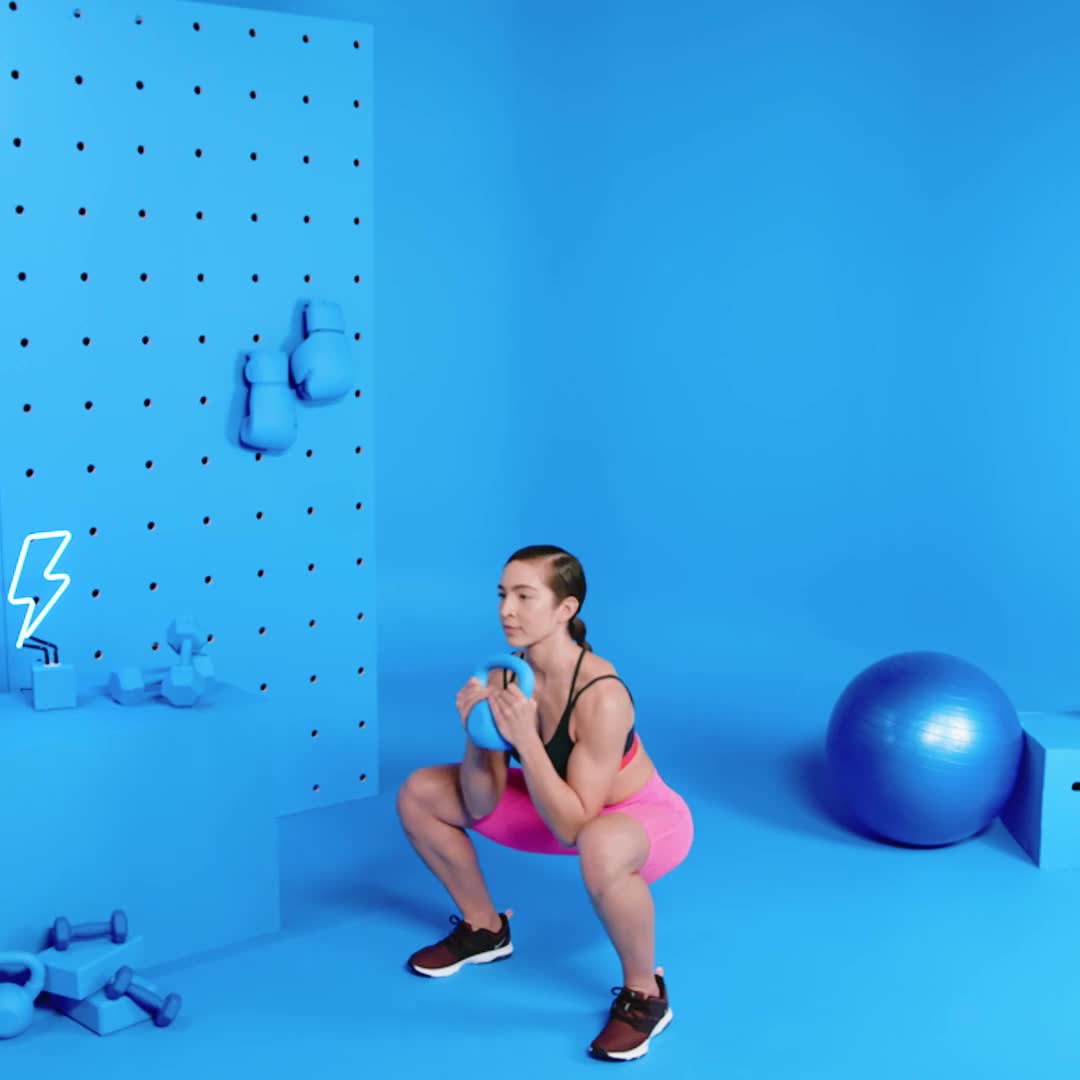
How to:
Why it rocks: “This exercise is a must for your core because it not only works your lower body, but the weight in front of your chest forces your core to work harder in order to maintain stability and balance,” Michael Hamlin, CSCS, a strength and conditioning specialist and the founder of Everflex Fitness, previously told Women’s Health.

A strong core helps keep the ribs stacked over the pelvis, promoting proper spinal alignment and posture, McBrairty says. This can help prevent pain in the neck and back and boost your athletic performance because with better alignment, your muscles will work more efficiently. Having better posture may even assist in breathing easier by keeping the chest open and the diaphragm free to move, letting the lungs expand fully and take in more air with less effort, he adds.
When the core is weak, the lower back may have to compensate, causing strain and pain. A strong core efficiently transfers force during movement and reduces excessive strain on the spine, joints, and muscles, McBrairty says.
Grow full-body strength with our exclusive build and burn plan
Nearly every movement utilizes the core in some way, so having abdominal strength can improve your coordination, balance, and control, ultimately allowing for heavier lifts and more efficient movement, McBrairty says. A strong core also allows you to move easier and carry out functional movements with greater ease.
When your core is stronger, your body awareness, control, and stability will improve, leading to better balance and confidence in movement, per McBrairty. This becomes increasingly important with age, helping maintain independence and reduce the risk of falls.
One of the most common core mistakes is focusing solely on moves that work the “six-pack” muscles—the rectus abdominis. “Be sure to include exercises that train the core’s full range of functions, including bending, rotating, and stabilizing,” he says. Not working all components of the core can lead to muscle imbalances and potential injuries, but it can also limit how well you move throughout life.
One of the core’s most important jobs is to hold you up and stay still while you’re moving throughout life, McBrairty says. That’s why stability-focused exercises like planks, hollow body holds, and other isometric moves (in addition to isotonic ones where movement is involved) are essential for improving overall core strength and function.
Repeating the same routine every workout will stop helping you become stronger at some point. For strength gains, you have to progressively overload your workouts (gradually increasing the intensity, volume, or duration over time), McBrairty says. So, gradually increase reps, extend time under tension, or add extra resistance, such as holding a dumbbell or weight plate during your next core workout.
When workouts get tough, it’s easy to hold your breath, but that actually works against you because your muscles need oxygen to function properly. Instead, McBrairty recommends inhaling during the eccentric phase or when the muscles lengthen (the lowering phase), and exhaling during the concentric phase or when the muscles shorten (the lifting phase), to support proper bracing and better performance. For example, in a biceps curl, you would exhale while lifting the weight (concentric) and inhale while lowering it (eccentric).
Ready for major core gains? Throw this 20-minute workout into your routine on the regular and you’ll be stronger in no time.
Meet the experts: Melissa Kendter, CPT, is a certified personal trainer. Michael Hamlin, CSCS, is a strength and conditioning specialist and the founder of Everflex Fitness. Alex McBrairty, CPT, is a certified personal trainer and founder of A-Team Fitness.

Olivia Luppino is an associate editor at Women’s Health. She spends most of her time interviewing expert sources about the latest fitness trends, nutrition tips, and practical advice for living a healthier life. Olivia previously wrote for New York Magazine’s The Cut, PS (formerly POPSUGAR), and Salon, where she also did on-camera interviews with celebrity guests. She recently ran the New York City Marathon.

Cori Ritchey, C.S.C.S., is the fitness editor at Women's Health, as well as a certified strength and condition coach and group fitness instructor. She’s reported on topics regarding health, nutrition, mental health, fitness, sex, and relationships for several years. You can find more of her work in Men’s Health, HealthCentral, Livestrong, Self, and others.

Andi Breitowich is a freelance writer who covers health, fitness, relationships, beauty, and smart living. She is a graduate of Emory University and Northwestern University's Medill School of Journalism. Her work has appeared in Women's Health, POPSUGAR, Food & Wine, What To Expect, Cosmopolitan, Men's Health, and elsewhere. As a former collegiate pole vaulter, she loves all things fitness and has yet to meet a group workout class she doesn't like.