
4 min read
Are you one of the many girlies getting excited about Pilates right now? There’s good reason to be. This workout modality (which, for the record, is the fastest-growing over the past five years) is a great way to build core strength, flexibility, mobility, and mind-muscle connection. That’s why Nike trainer Tara Bethune calls it her “foundation” for all the other workouts she does. “While Pilates is obviously a physical exercise, there's a lot of thinking about the body in a different way,” she says. “Just from that alone, you're going to be more in-tune with your body.”
While you might be enjoying (or at least tolerating) the shakes and quakes and burn that come with a good Pilates session, you also might be wondering at what point you’ll start to notice all those wonderful benefits everyone’s raving about.
Try our WH+ Pilates x Lift Program
Some good news: It’s sooner than you think. We tapped two Pilates instructors to get the truth about how long it takes to see results—from body recomposition to improved posture to mental health benefits—from Pilates.
Meet the experts: Tara Bethune is a Nike trainer, Pilates instructor, and creator of the WH+ Pilates x Lift program. Laura Quinn, CPT, is the head Pilates trainer at Alo in Los Angeles, CA, and on the Alo Wellness Club app.
First thing’s first: You have to do Pilates with some level of consistency to see results. For beginners, two sessions a week is a good amount to build a strong foundation, says Laura Quinn, CPT, head Pilates trainer at Alo. But, over time, you can increase your frequency to as often as four times per week—just make sure you’re giving yourself enough rest, too. “Rest is absolutely a part of the process,” Quinn says.
Whether you’re new to exercise or just new to Pilates, you can expect to see benefits pretty quickly. “It’ll start with little things like standing and sitting taller or feeling your abs engaged like you've never felt before,” says Quinn. Eventually, you’ll also see better flexibility and light muscle definition. Beginner exercisers might enjoy some newbie gains, but even those who are already active will see benefits. That’s because Pilates works small, stabilizing muscles that other workouts tend to miss, so everyone can get something out of it.
Try This Editor-Approved Pilates Gear
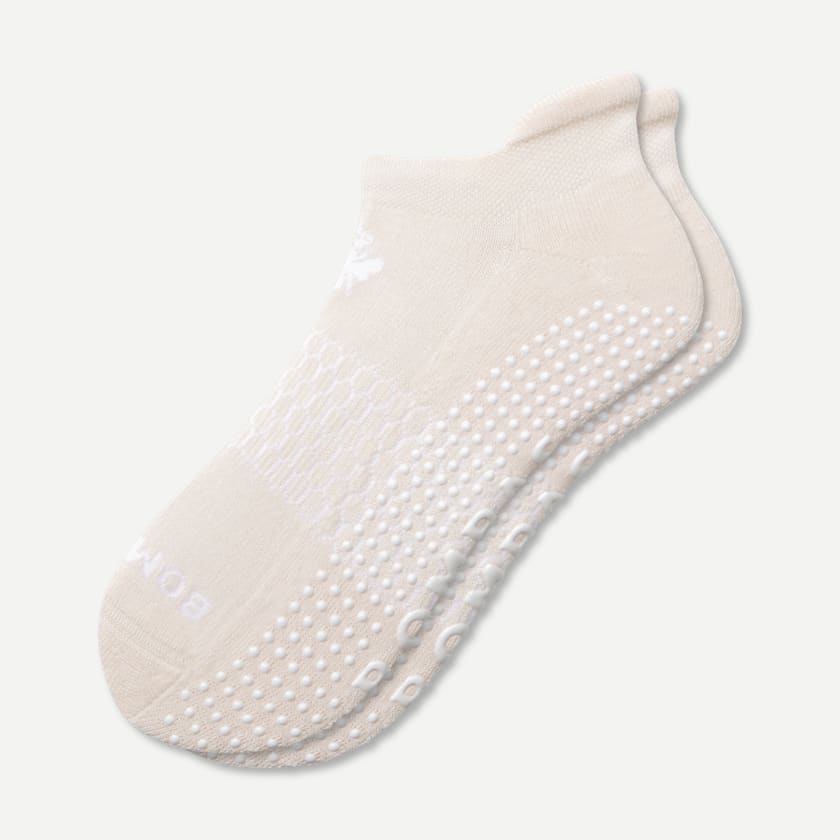
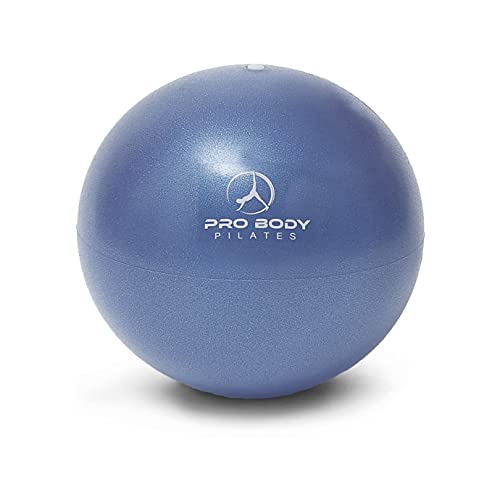
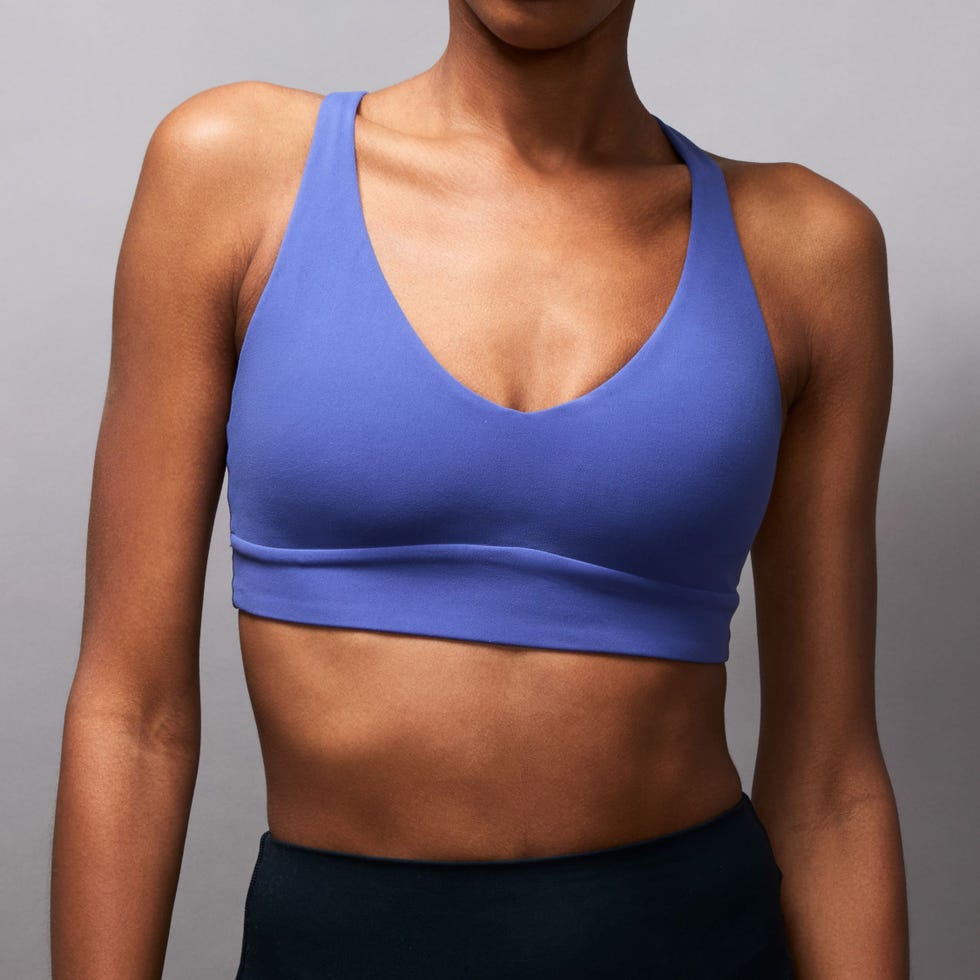
Over the span of eight weeks of consistently doing Pilates, this is what you can expect:
Pilates is a great workout—but it has its limitations, particularly if you’re someone who wants to build muscle. That’s because there are only so many springs you can add to a reformer, says Bethune. Eventually, you won’t be able to progressively overload your muscles and hypertrophy progress will plateau (but all those other benefits like mobility won’t).
There’s one easy solve, though: pair your Pilates practice with strength training. “Pilates really complements heavy lifting because it strengthens your deep core and stabilizes your joints, which helps with form, prevents injuries, and makes your lifts more efficient,” Bethune says. “It also works those smaller, often overlooked muscles and builds strength through the full length of the muscle, so it balances out the tightness or overdevelopment that can come from lifting heavy.”
Not sure how to get started? WH+ and Bethune herself have just the plan. Pilates x Lift is a 4-week program that blends traditional strength training and Pilates to get the best of both modalities.


Olivia Luppino is an associate editor at Women’s Health. She spends most of her time interviewing expert sources about the latest fitness trends, nutrition tips, and practical advice for living a healthier life. Olivia previously wrote for New York Magazine’s The Cut, PS (formerly POPSUGAR), and Salon, where she also did on-camera interviews with celebrity guests. She recently ran the New York City Marathon.