
8 min read
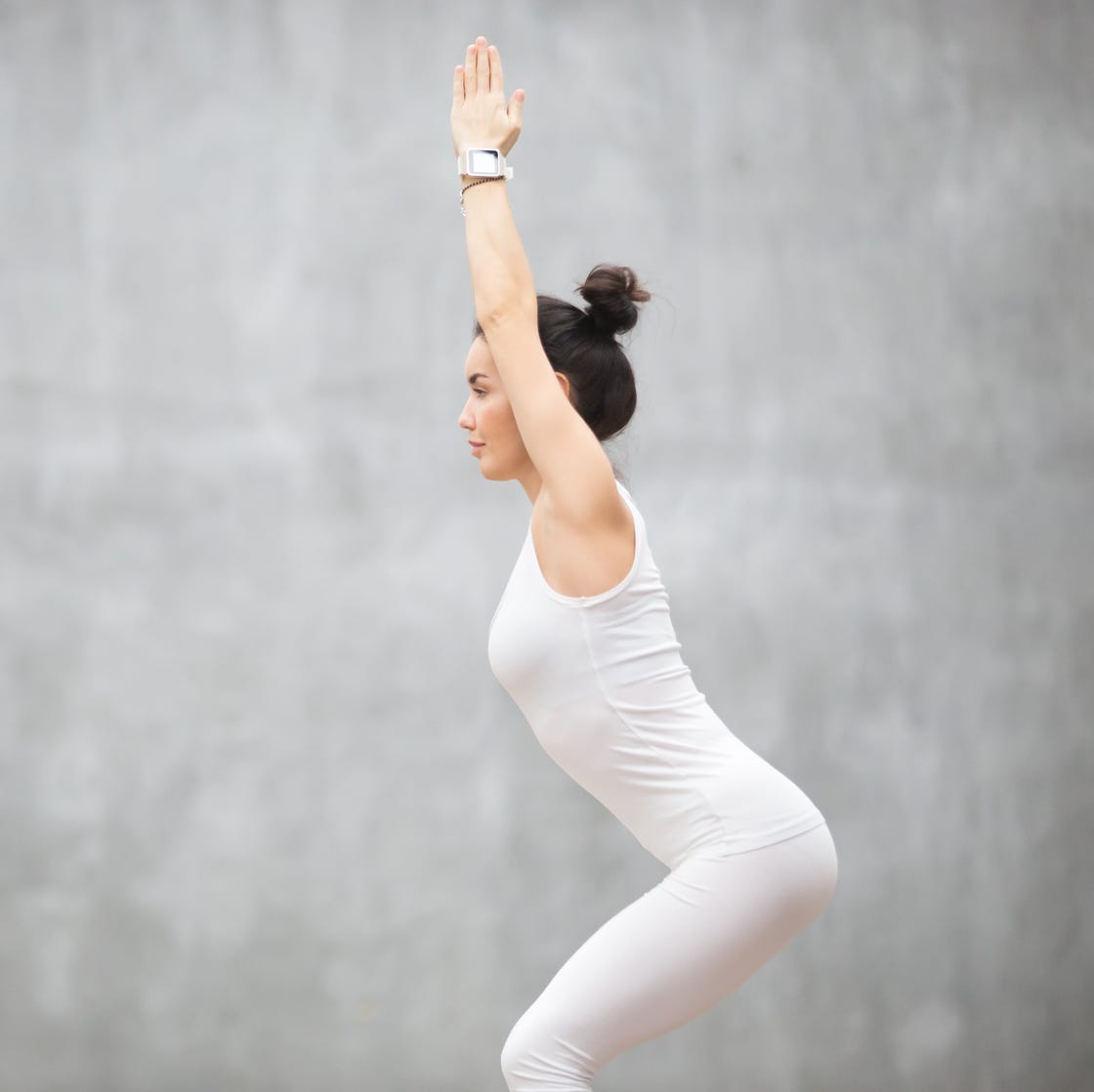
Sitting in a chair has gotten a (well-deserved) bad rap in recent years. But if you're stuck in your seat for 8 hours a day, there are still ways to stay active—and one excellent option is through chair yoga.
This modality allows you to move, stretch, and breathe into yoga poses while using a chair for support and stability, says Sara Koehl, DPT, yoga therapist at WAVE Physical Therapy & Pilates. Just like a yoga block will bring the floor closer to your hand if you can’t quite reach it, a chair is another adaptive modification for the body. It’s also helpful for tuning into your other senses and feeling more present, adds Suzanne Frazer, ERYT-500, a certified yoga teacher and wellness expert at The Lake House on Canandaigua in New York.
Plus, it’s accessible to basically everyone. “Chair yoga is wonderful for all people, of all ages, body types, and abilities, and can be adapted from beginner levels up to highly advanced,” says Frazer. It’s especially beneficial for those who are physically limited, as well as older adults, since it helps limit strain on joints and offers more support than mat yoga, she adds.
Ahead, find out more benefits of chair yoga, as well as how to get started, and the best poses to try—cheers to the chair!
Time: 15 to 30 minutes | Equipment: Simple metal folding chair without arms and mat
Instructions: Move through each pose in order for the allotted reps or breaths to compete the yoga flow.
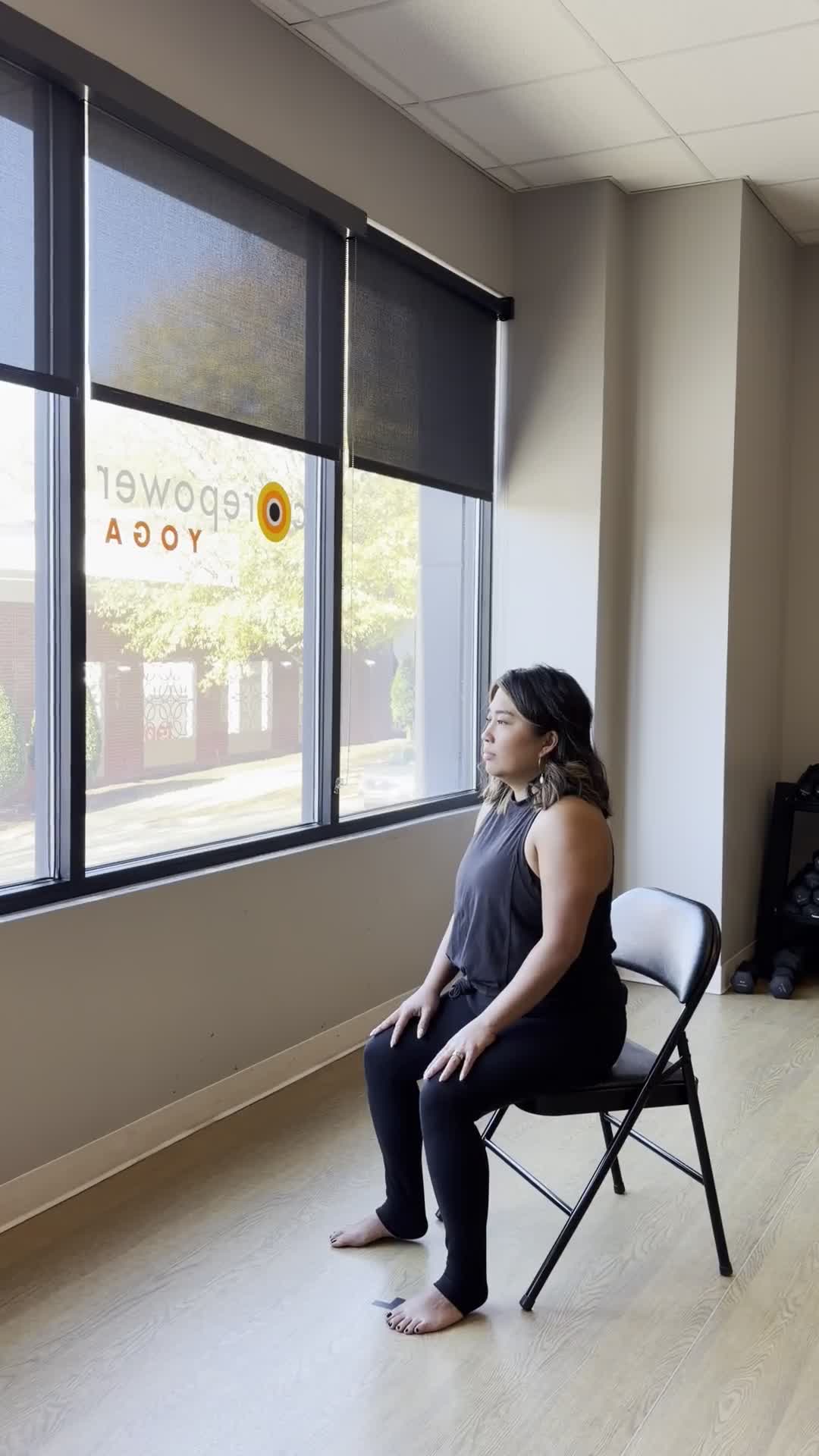
How to:
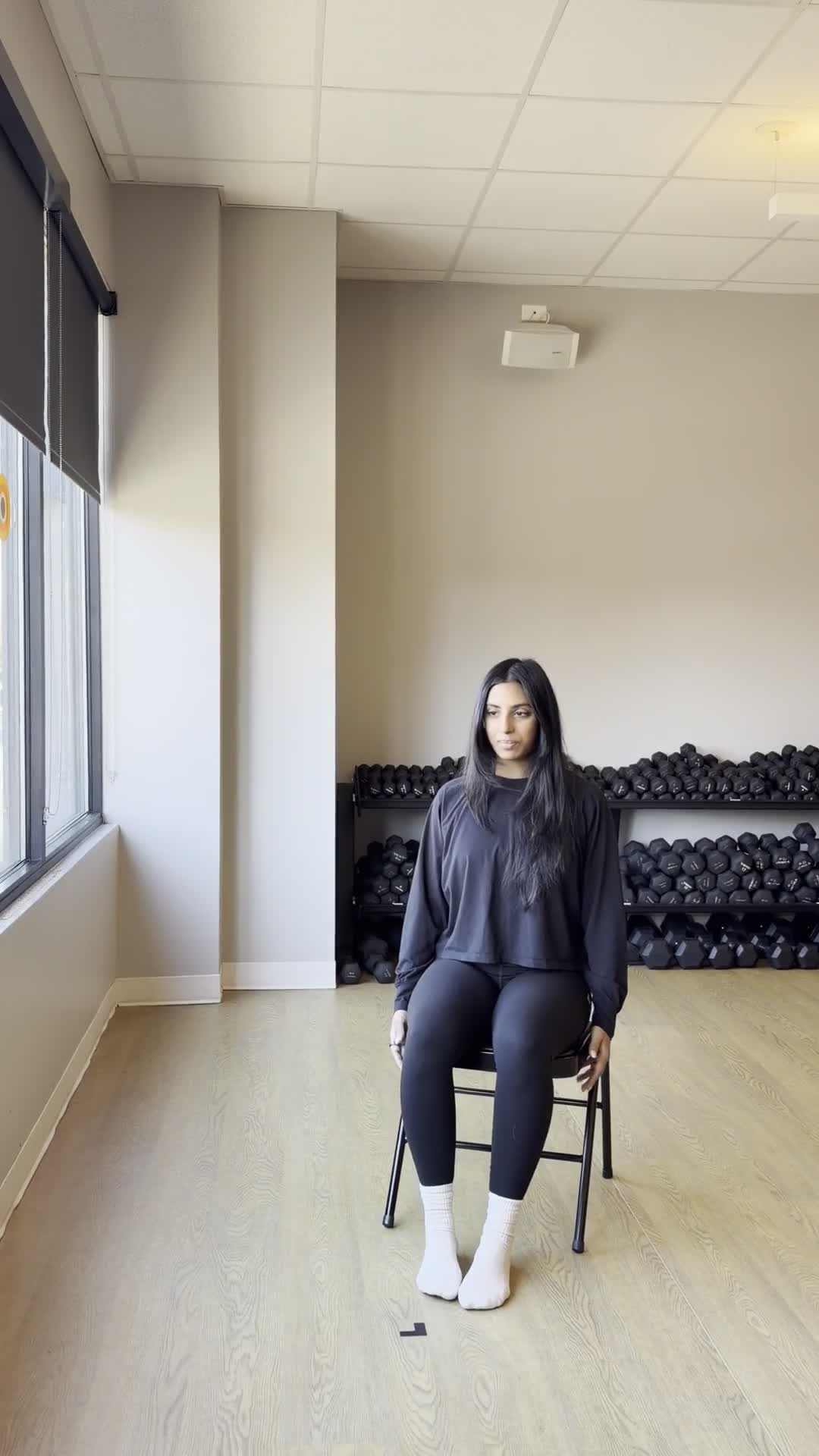
How to:
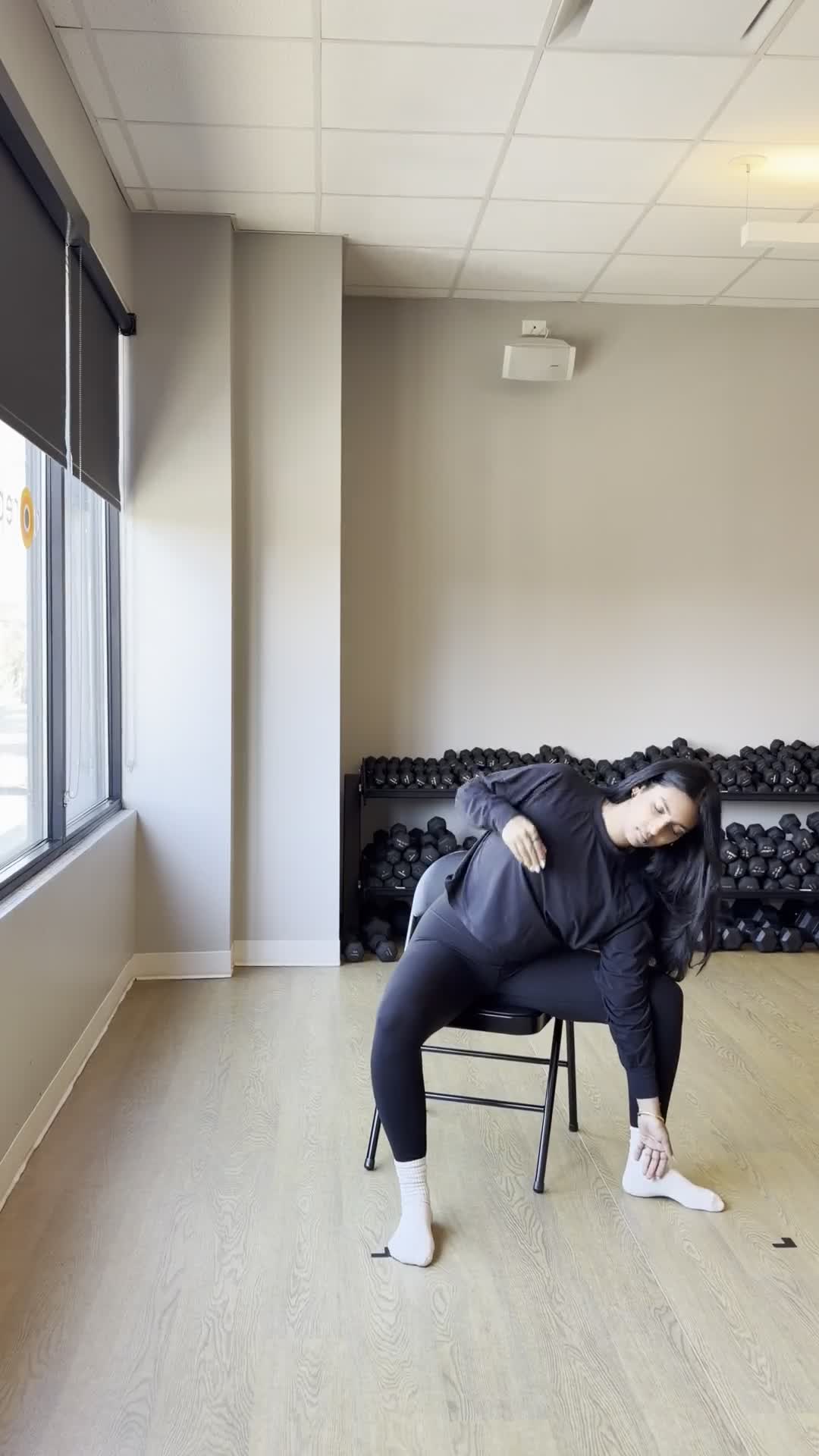
How to:
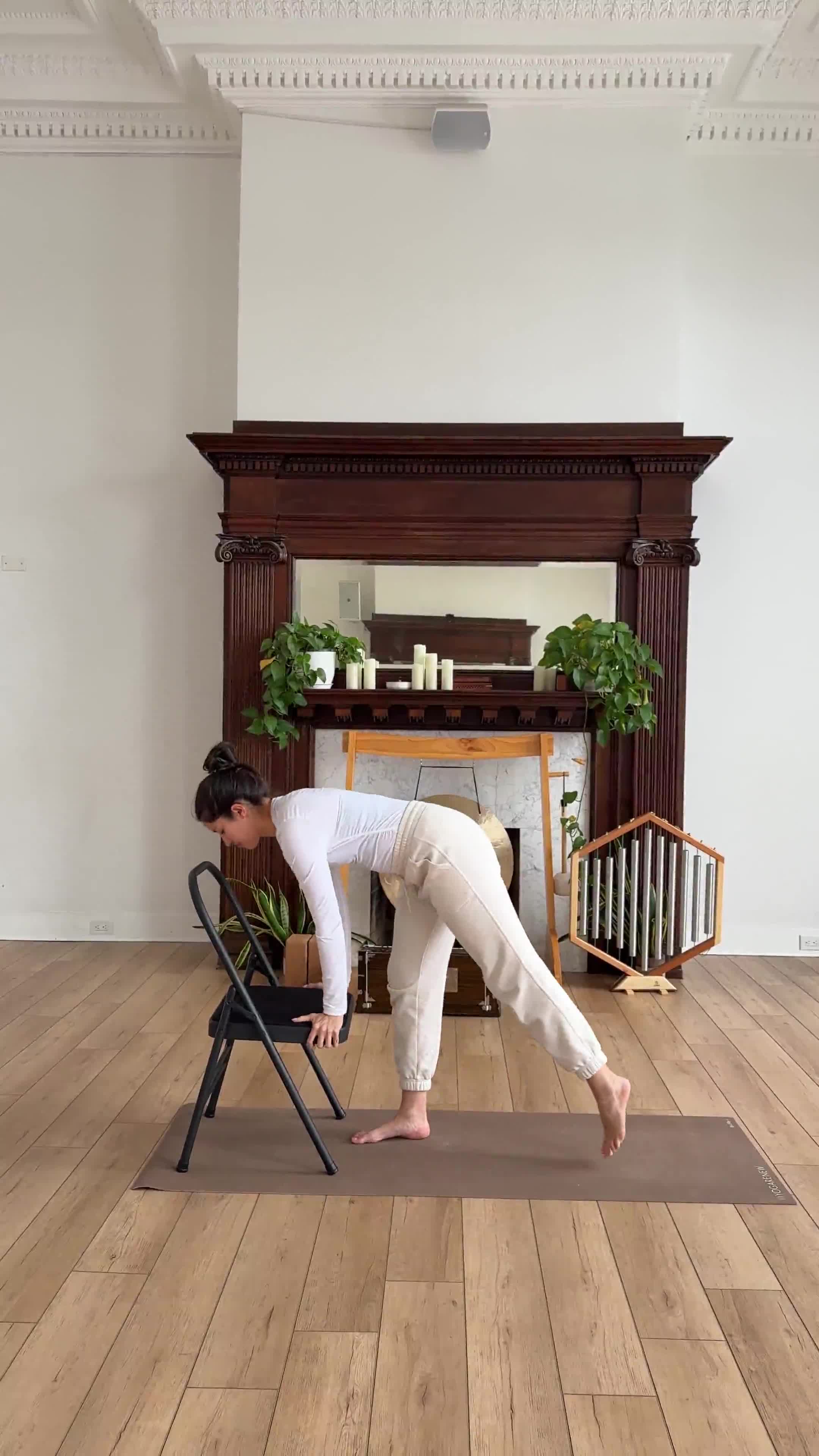
How to:
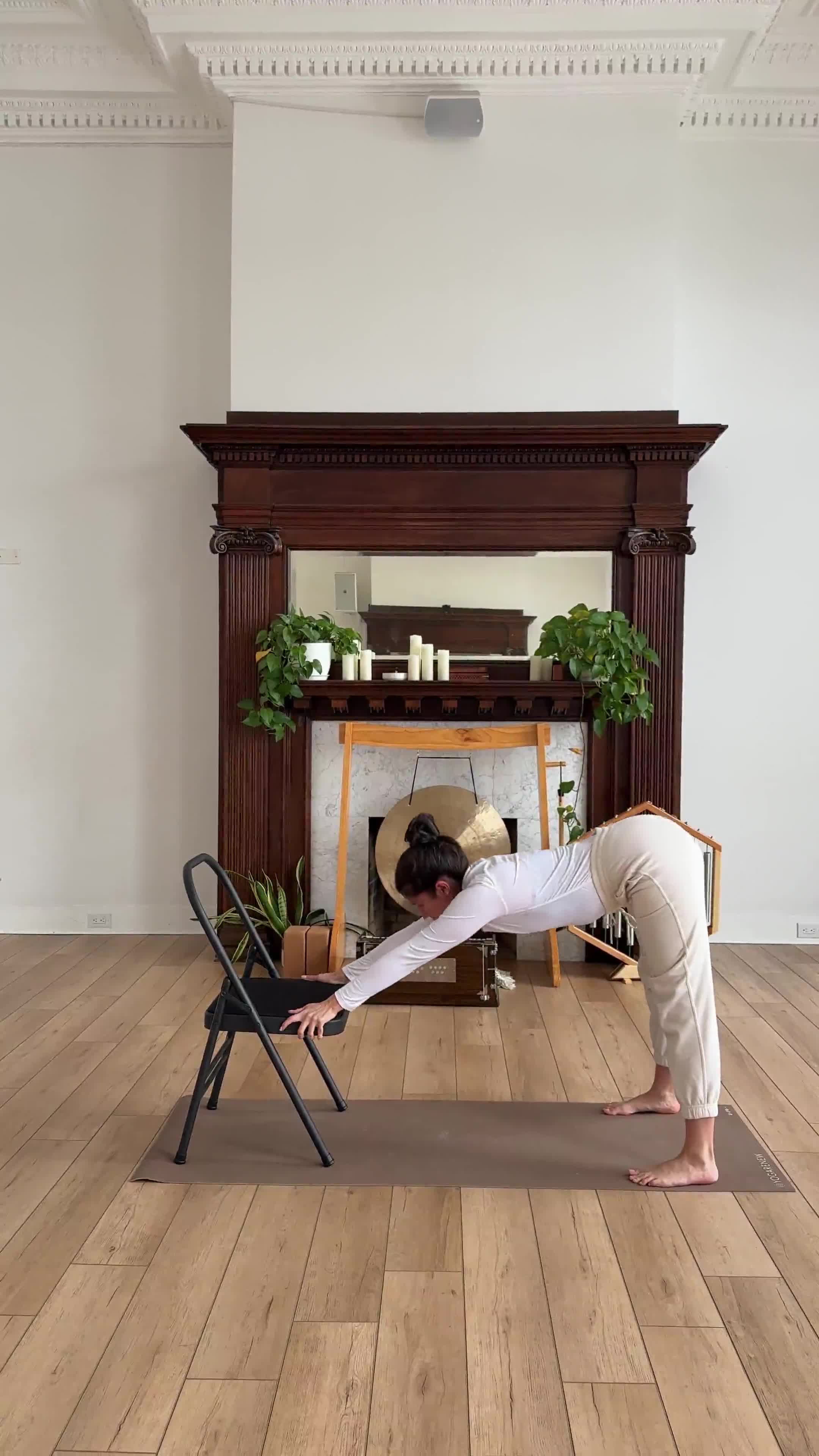
How to:
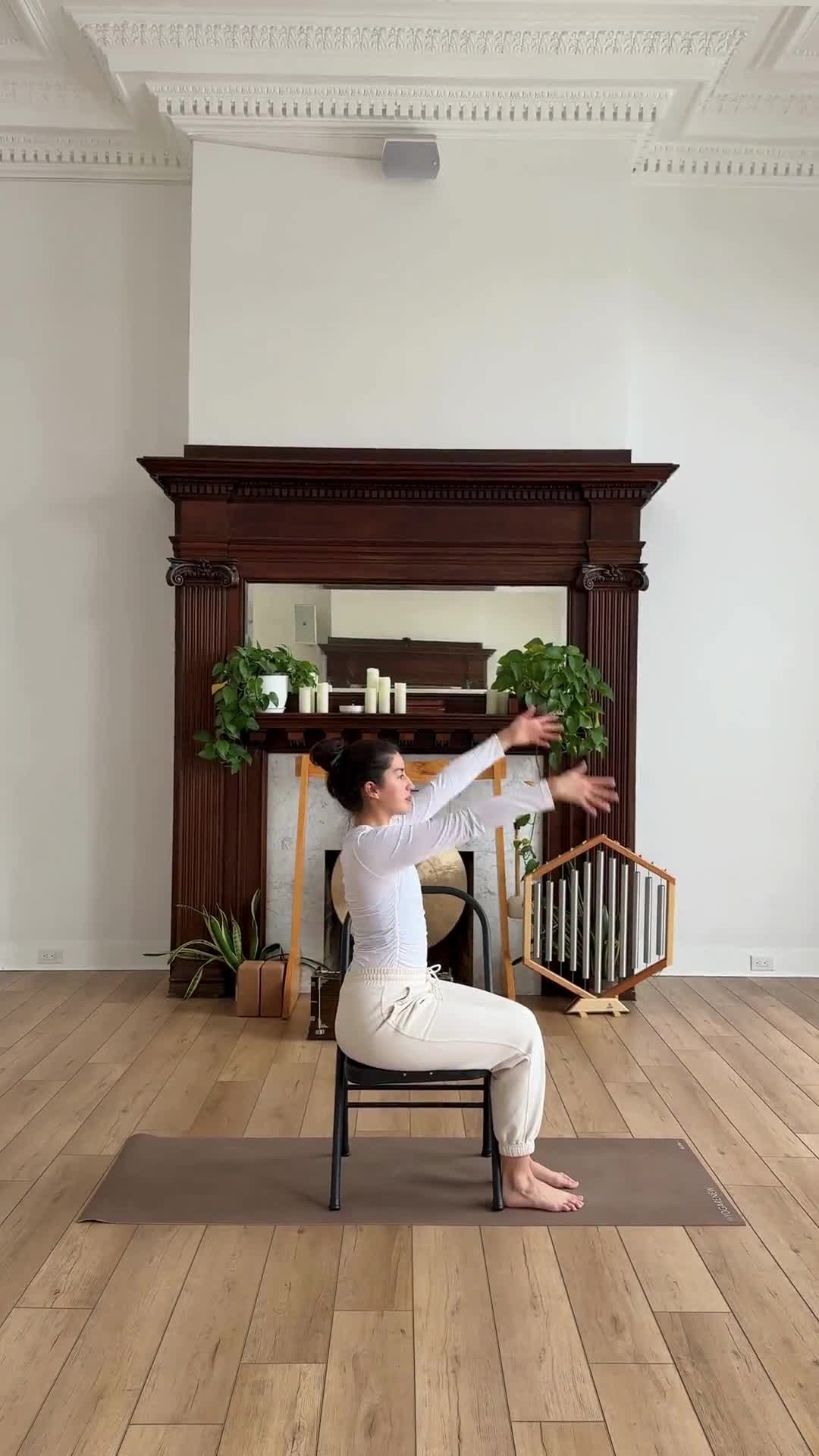
How to:
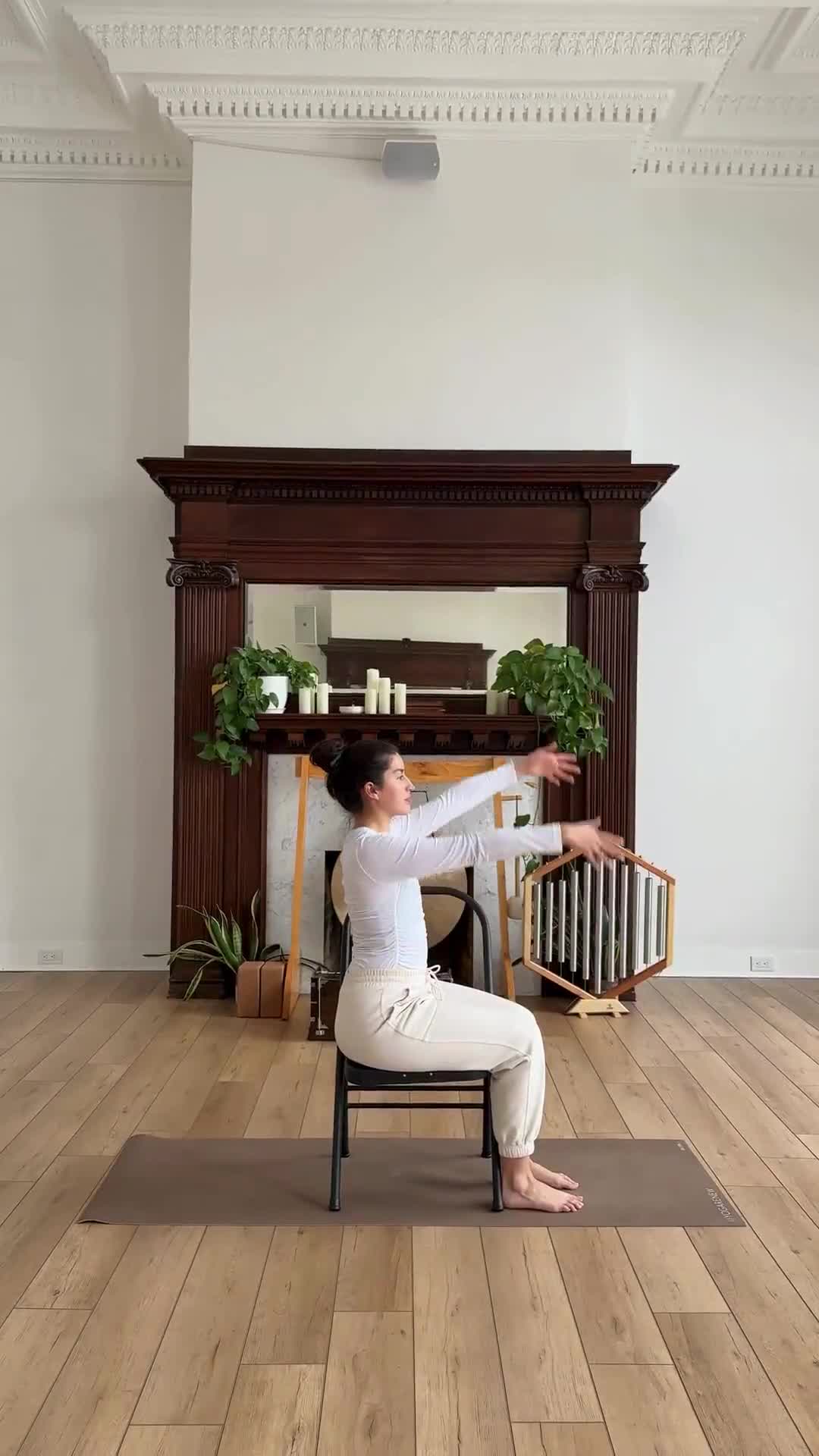
How to:
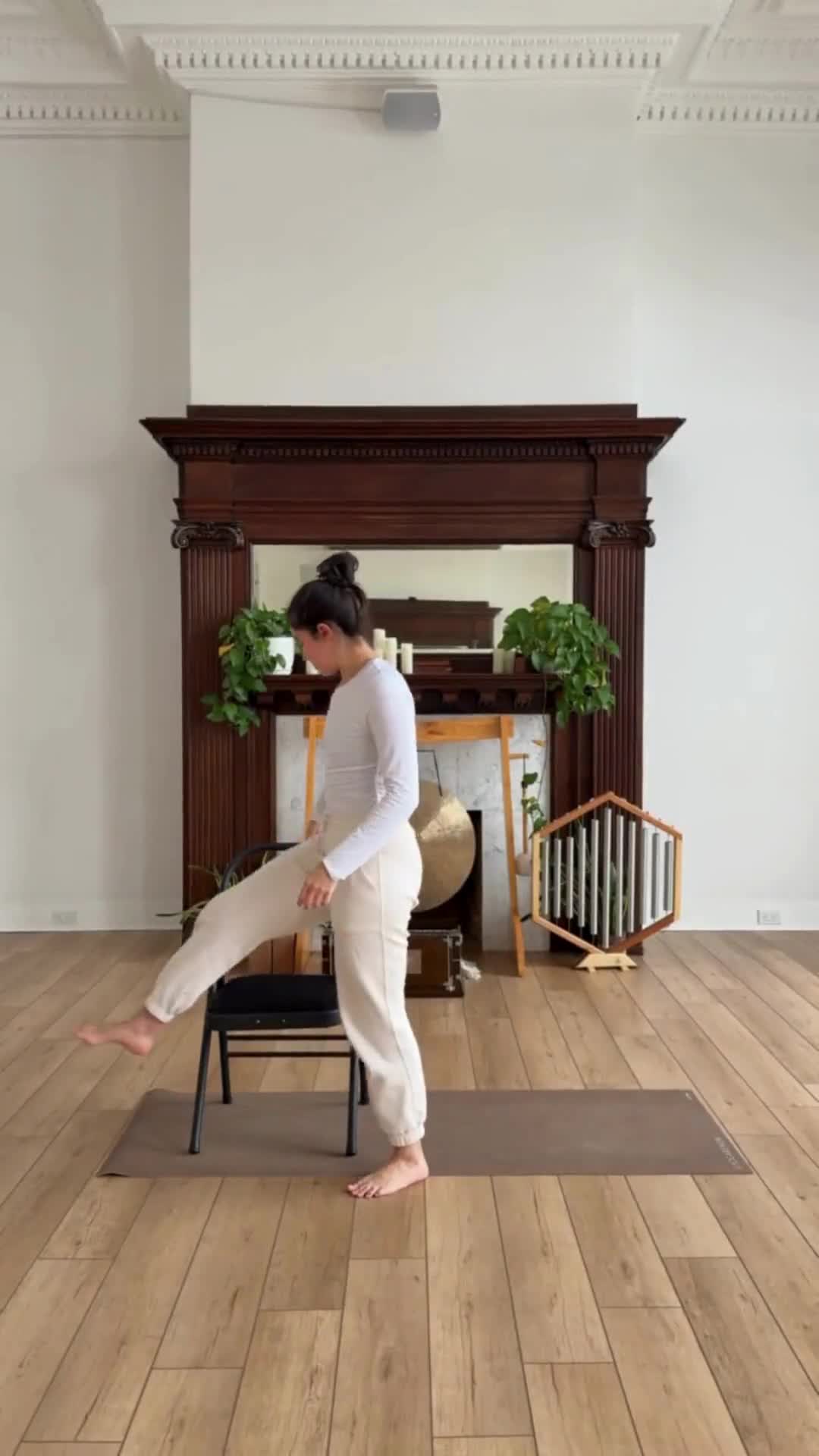
How to:
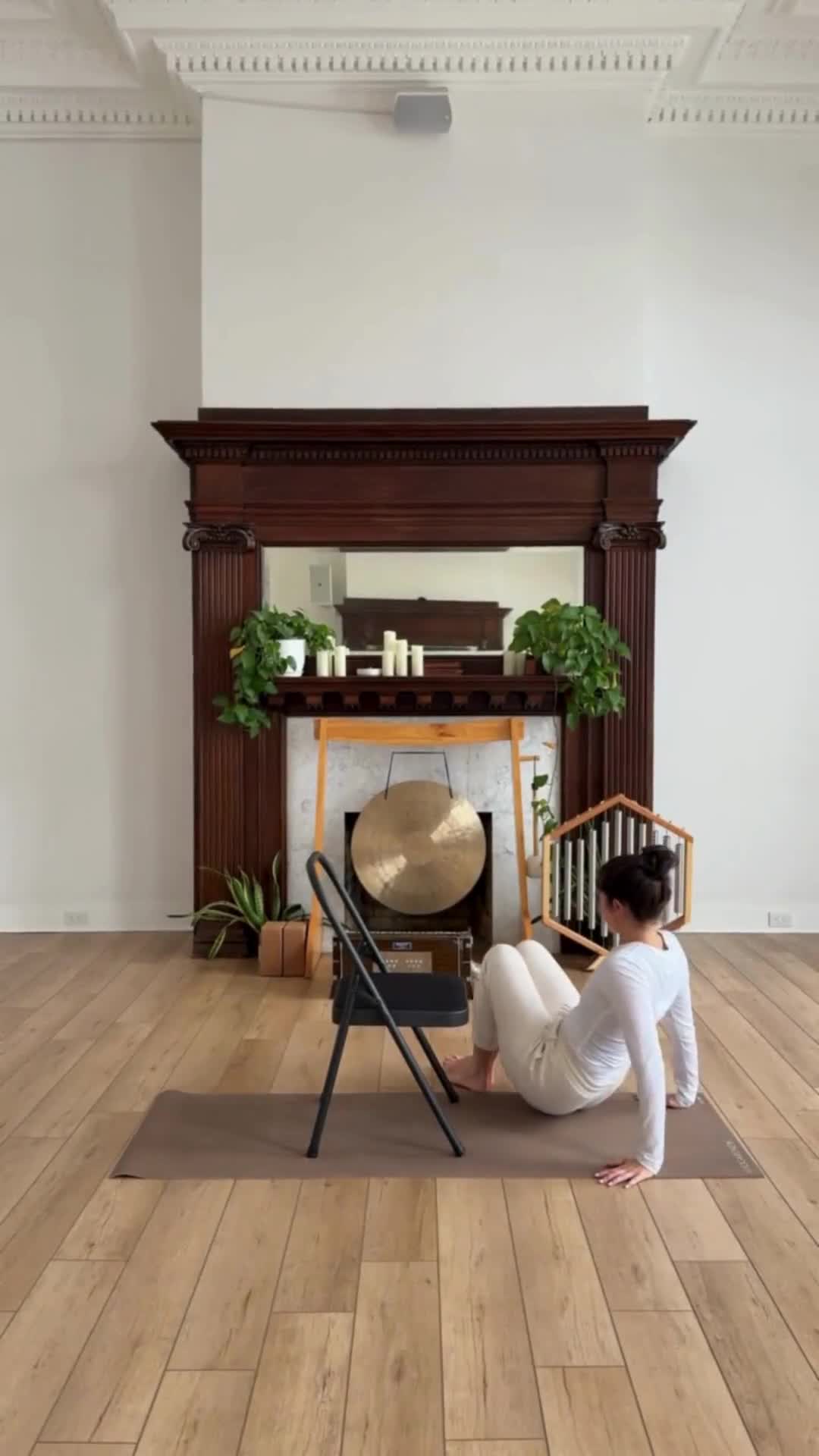
How to:
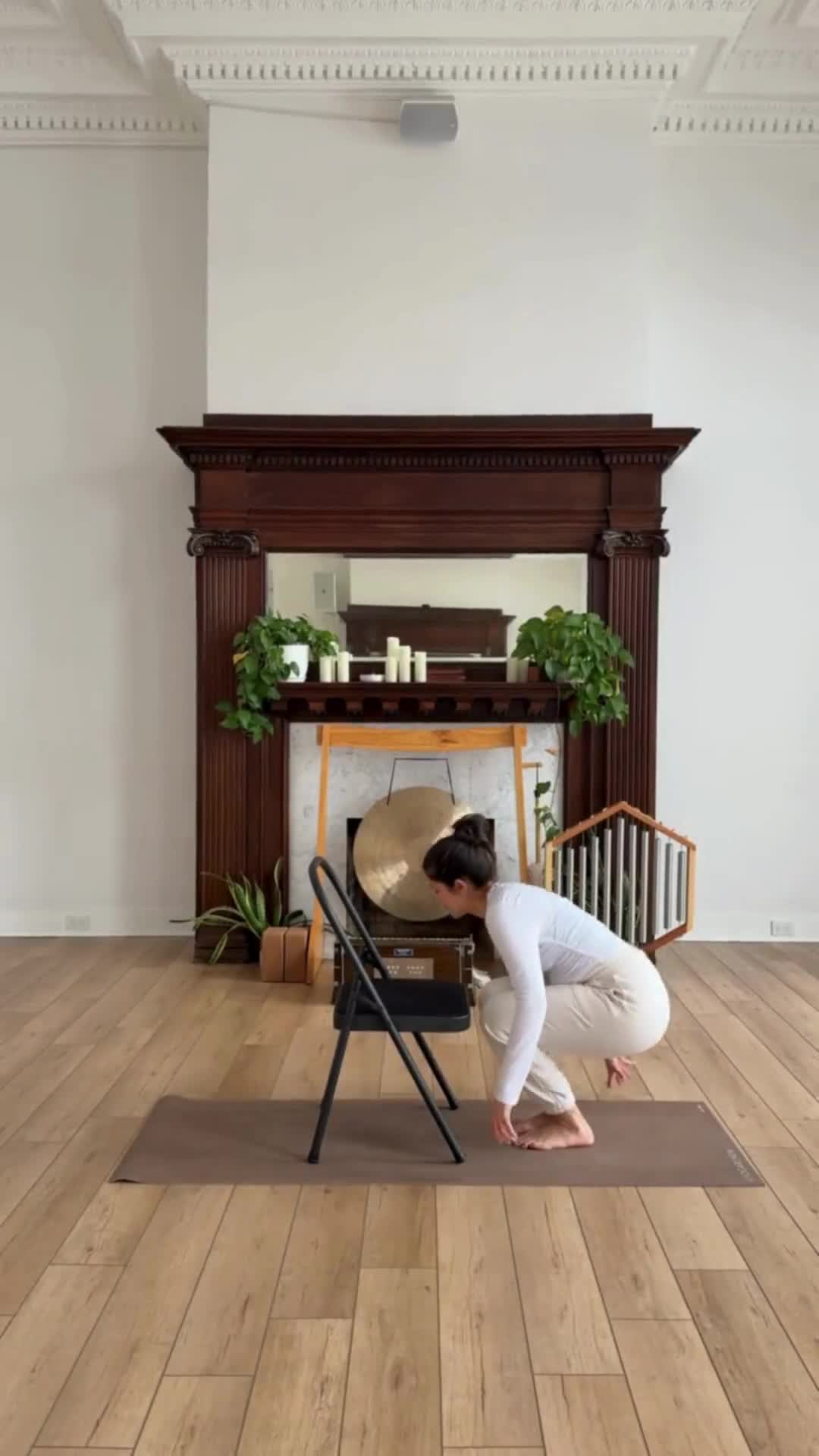
How to:
Those who are new to exercise should confirm with their doctor that chair yoga is safe to try. Then, if you’re cleared and want to practice at home, Frazer recommends using a simple metal folding chair without arms with a back height around 30 to 36 inches. Set it on top of a mat to ensure it’s stable and won’t slide mid-pose. You can also use other props like folded blankets, bolsters, blocks, and straps to add more support and comfort as needed, too.
If chair yoga classes are available in your area—or you find a flow online—don't assume the routine and poses will be beginner-friendly. Your best bet is to look for classes that are labeled “beginner,” or ask the studio what level certain classes are.
Those who are newer to yoga or coming back after a long break can complete a flow one to three times a week, says Isa Brand, yin yoga, sound meditation, and vinyasa yoga instructor at YogaRenew. This gives ample opportunity for you to get comfortable with basic poses, learn alignment or proper positioning in each pose, and build confidence, she adds. When you’re doing a flow, always make sure to listen to your body and do as little or as much as feels good.
Once you know pose names—and you’ve gotten to the point where you feel strong in Warrior II, which Brand considers a general benchmark for chair yoga success—then you’re ready to level up. Brand recommends practicing up to three to four times a week, with the intention of deepening stretches, refining alignment, and exploring new variations of poses.
Many of the benefits of traditional mat yoga can still be accomplished using a chair, says Koehl. It’ll help improve your strength, flexibility, and range of motion as you move through life, but here are some additional benefits:
It brings awareness to the breath and how it coordinates movement and mindfulness, says Frazer. Using a chair may even be better at this than a traditional mat practice because the chair helps people relax into the poses better and serves as an extra piece of support, she adds.
The research is there: Practicing traditional mat yoga has been shown to regulate the nervous system and reduce multiple stress markers, according to a 2024 review on studies about yoga’s effect on stress in the International Journal of Yoga. Additionally, a 2024 study in Frontiers in Public Health had 520 yoga practitioners fill out a survey on their experience with the practice, and most reported a reduction in stress.
Chair yoga is especially accessible if you work a desk job and sit for most of the day because you can use the seat during movement breaks. A 2021 study in Sage Journals had employees working from home participate in a yoga intervention program for 10 minutes a day and fill out a questionnaire on how they felt after, and the yoga helped reduce musculoskeletal discomfort and improved their overall mood.
A 2023 study in Healthcare had 85 women ages 65 and older with knee osteoarthritis do chair yoga two times per week for 12 weeks. Afterward, they completed a functional fitness test that looked at hand grip strength, lower- and upper-limb muscle strength, static balance, agility and dynamic balance, and lower-limb flexibility, and they had a significantly higher level of functional fitness afterward.
For more experienced yogis, using the chair prop can help you learn and perfect backbends and inversions. “The grounded support of the chair provides alignment cues and balance assistance” as they explore the pose, says Frazer.
It’s worth repeating how universally accessible chair yoga is. It doesn’t matter your body type, age, ability, or fitness level—you can sit with us!
You should give chair yoga a try if you have any level of yoga experience. Here’s why: Beginners can use the chair to learn poses with proper posture and alignment without feeling like they’re about to fall over at any given moment, says Brand. Meanwhile, those who are more experienced can use the chair to refine alignment, explore deeper stretches, add resistance, and work toward more advanced backbends and inversions safely.
However, there are a few groups who may want to be more cautious with chair yoga. This includes those with unmanaged blood pressure issues, get dizzy easily standing up, or have had a recent injury or surgery, says Brand. These conditions don’t mean you can’t ever practice chair yoga, but you may want to do so under the supervision of a healthcare provider or in person with a certified yoga teacher, she adds.
Otherwise, perhaps taking a seat is just what your body and mind need. Add these poses into your day any time you're sitting—or take time to dedicate a practice to it—and you’ll feel better inside and out for it.
Meet the experts: Suzanne Frazer, ERYT-500, is a certified yoga teacher and wellness expert at
The Lake House on Canandaiguain New York’s Finger Lakes region. Sara Koehl, DPT, is a yoga therapist at
WAVE Physical Therapy & Pilates.Isa Brand is a yin yoga, sound meditation, and vinyasa yoga instructor at
YogaRenew.
Featured in the videos: Catrina Reeder, ERYT-500, is a yoga teacher who’s been teaching for over a decade and the Director of New Studio Openings for CorePower Yoga, based in Charlotte, North Carolina. Maya Srivastava is a CorePower yoga instructor in Charlotte who completed her 200 hour yoga certification in May 2023.








Jennifer Nied is the fitness editor at Women's Health and has more than 10 years of experience in health and wellness journalism. She's always out exploring—sweat-testing exercises and gear, hiking, snowboarding, running, and more—with her husband, daughter, and dog.