
The pill is the number one birth control method used by women ages 15 to 44. Four of every five sexually experienced women have used the birth control pill—26% of women in this age group also have high blood pressure. Is there any connection between the pill and high blood pressure?
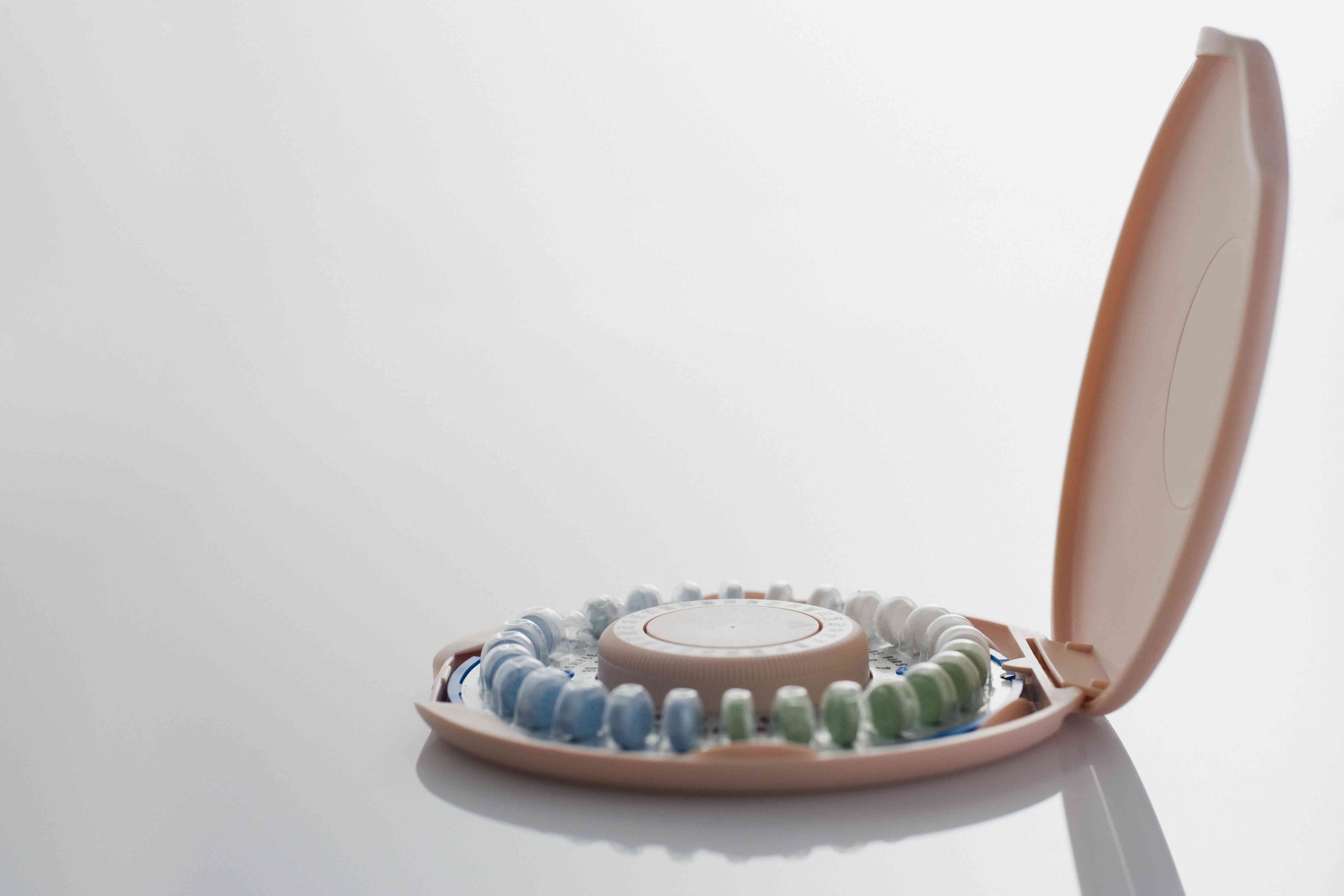
Birth control pills contain synthetic hormones. Combination birth control pills are made from estrogen and progestin. The mini-pill is a progestin-only contraceptive. These hormones are the reason that the pill works to prevent pregnancy—but unfortunately, they can also increase your risk for high blood pressure.
If you use the pill and are older than 35, obese, and/or smoke, you may be at even more risk. Birth control pills can increase your blood pressure from slightly to potentially dangerous.
When using the pill, you may also have a slight increase in the risk of developing a blood clot. Sometimes, if your blood pressure becomes too high while using the pill, you may need to switch to a new birth control method.
Does the Type of Birth Control Pill You Take Matter?The risk of high blood pressure increases with your age. When women stop taking the pill, their blood pressure usually becomes lower. But some research says that birth control pills may cause a small (yet significant) increase in diastolic pressure—and this can continue in older women who have been off the pill for years.
The actual risk of developing high blood pressure while using birth control pills is not known. It is thought that the estrogen in the pill may trigger the release of other hormones that can cause your blood pressure to rise. Progestin has also been found to affect blood pressure—but it does not seem to increase blood pressure to the same degree that estrogen does.
There are some risk factors that may also make it more likely that birth control pill use will increase your blood pressure. These risk factors include:
Before you start using the pill, your healthcare provider should conduct a thorough personal and family medical history (this should include paying attention to cardiovascular risk factors). It is very important that you are honest with your healthcare provider during this time. You should also have your blood pressure checked—this will establish a baseline measurement.
Once you begin to use the pill, you should have your blood pressure checked regularly. If your blood pressure begins to rise while you are using the pill, this does not automatically mean that you have to stop taking the pill. If your blood pressure can be successfully managed (either through diet and exercise or medication), your healthcare provider will most likely allow you to continue your pill use.
If you develop high blood pressure after starting the pill, your healthcare provider may decide to just monitor your blood pressure more frequently at first to see if it becomes an issue.
Based on your symptoms (if you have any), other risk factors, and the results of your blood pressure checks, your healthcare provider may:
If you are concerned about your pill use and high blood pressure, you can discuss the risks of staying on hormonal birth control with your healthcare provider. There is no rule that says you must continue to use the pill.
Compare Birth Control Effectiveness All in One PlaceIf you decide that you want to stop taking the pill due to high blood pressure, there are other birth control methods that you can safely use: