
8 min read
Picture this:You’re training for a race and have been determined to knock a few minutes off your 10k time over the past year or so, but no matter how hard you push, you just can’t get faster than that. Meanwhile, other runners effortlessly zoom past you on your favorite trail, as if they’ve cracked the code you somehow missed. You can’t help but wonder:Are some people just naturally fast runners?
To cut to the chase, yes. But that doesn’t mean that you can’t improve your pace too. “Running is democratic, because anyone can do it, but there are people who have natural speed advantages,” says Frankie Ruiz, a RRCA-certified run coach and the chief running officer at Life Time. “That doesn’t mean speed is out of reach for others though, because I’ve coached athletes who started as recreational runners and became state champions through dedication and smart training.”
It’s also worth mentioning that speed is entirely subjective, because what is considered “fast” for one runner may be “slow” to another. “Everyone can get faster, but the speed that equates to will vary from one person to another based on their genetics and overall health,” says Channing Muller, a RRCA-certified run coach and 14-time marathoner.
Ahead, experts demystify all your questions about running speed—and explain exactly how *anyone* can become a faster runner.
Genetics play a role in determining how fast you are naturally, and how fast you can become, but running pace is largely trainable through consistent, structured practice, Ruiz says. “Think of speed as a blend of physiology and technique, because the more efficiently you move and the stronger your body becomes, the faster you can go.”
Your muscles are made of fibers that help you move and exercise in different ways. There are fast-twitch muscle fibers, which are larger and help your body move quickly by generating significant force (like sprinting), and slow-twitch counterparts, which are smaller and help you run at slower speeds, but with greater endurance (like running a marathon), says Nicole DeSena, CPT, a certified personal trainer, RRCA-certified running coach, and founder of On The Run.
Genetics do influence the ratio of these muscle fibers in your body, DeSena says. If you naturally have more fast-twitch muscle fibers, exercise involving speed (and power) may come easier, potentially making you a faster runner, especially for short distances. Those with more slow-twitch muscle fibers, on the other hand, may be slower, but have an advantage when training for longer races since they help with sustained endurance, Ruiz says.
You can’t necessarily change the proportion of your slow- and fast-twitch muscle fibers since you’re born with that. However, speed work and strength training can significantly help your muscle fibers adapt to fatigue less and later, ultimately allowing you to become faster, Ruiz explains.
Genetics also play a role in determining body type, and some people are born with a build that may give them an upper hand with their running performance, says Peter Weyand, PhD, a professor and chair of Texas Christian University’s kinesiology department and director of TCU’s locomotor performance laboratory.
For instance, if you’re tall and have long legs, you’re more likely to naturally run faster, as longer legs cover more ground, potentially reducing the number of steps needed to cover a distance. Plus, longer-legged individuals typically have a more efficient (and ultimately faster) stride, since it requires less energy for their foot to strike the ground and get back up, he explains.
Speed and performance are also based on your VO2 max—a measure of how much oxygen your body can take in and use when exercising at max effort, Weyand says. A higher VO2 max helps your body use oxygen more efficiently, meaning you can sustain harder efforts (like running faster!) for longer without feeling exhausted, he explains. Studies suggest genetics play a role in determining your baseline VO2 max, but dedicated exercise, especially HIIT, helps you build on that foundation so you can maintain faster paces for longer.
All that said, while genetics influence muscle composition, body type, and VO2 max, none of these factors are destiny. “Genetics generally provide a floor, but through proper training, you can build on that floor and improve your overall speed” to a certain extent, Ruiz says.
Everyone can become faster—depending on their genetics and VO2 max—within reason. We can’t guarantee every single runner will be able to get their 10-minute mile down to six minutes, but Ruiz has coached countless people that have had “significant drops” in their mile and 5K time. “In some of my extreme examples, they started in that eight- to 10-minute range and have made it down into the low five-minute range after several years of training” but of course, that’s rarer in the general population, he says.
Ready to pick up the pace? Commit to these coach-approved tips.
If you’re a beginner, Ruiz recommends starting to run for time instead of distance. (Running for time is much more manageable and less daunting for newbies, especially if you’re not sure you can run a mile off the bat.) “Run at a conversational pace for 20 minutes, three times a week, and gradually increase duration by two minutes every two weeks,” he says. Not only does this safely build your aerobic capacity, but over time, it will allow you to run faster since you’ll improve your VO2 max.
Once you’re comfortable running three times a week for 20 minutes, it’s time to add tempo variety to your training. To get faster, Muller says you need to do multiple types of runs at different intensities, as opposed to running at full speed every single time. (Yup, that includes a slower run!) “If you’re always pushing hard, your muscles have no time to repair, which is when the results of the hard workouts have time to process,” she says.
To monitor how hard you’re working on a run, Muller recommends thinking about your rate of perceived exertion (a self-assessment of how much effort you’re exerting) on a scale of 1 to 10, with 1 being no effort and 10 being an all-out effort.
Interval runs help your body adapt to high-intensity efforts and sustain quicker speeds, making you faster and more resilient, Ruiz says. For example, you can do one minute at a faster effort, then two minutes at an easy effort. “It’s a fun, low-pressure way to introduce speed work, but it also encourages the runner to be the pace and feel the pace.”
물론 각 달리기의 마일리지는 기술 수준, 훈련 계획 및 목표에 따라 달라집니다.
근육과 관절을 사용하는 방식을 바꾸는 것은 부상을 예방하고 폭발적인 힘을 키우는 방법입니다. 이 두 가지 모두 달리기의 핵심입니다! 따라서 기록 마일리지와 함께 Muller는 일주일에 2~3일 저항 훈련을 적극 권장합니다. (Just be sure to lift on the days you’re not doing a long run to avoid fatigue.)
Increase your strength with our exclusive build and burn challenge
Full-body moves are your best bet for all-around strength, but Ruiz suggests especially focusing on lower-body and core exercises like squats, lunges, and planks. Compound exercises (movements that target multiple muscle groups at once) like deadlifts, V-ups, and hip thrusts may also help improve speed since they build functional strength, increase coordination, and enhance power, he adds.
DeSena는 좋은 자세로 원활하게 움직일 수 있고 속도를 유지하는 데 도움이 되기 때문에 최고의 달리기 효율성을 위해서는 역학이 중요하다고 말합니다. Aim for a slight forward lean, relaxed shoulders, and mid-foot strike while running (when your foot lands evenly, with the heel and ball of your foot hitting the ground almost simultaneously to distribute impact), she adds.
Not sure how your form chalks up? 자신을 녹화하고 비디오를 슬로우 모션으로 재생해 보세요.
Best Overall Running Shoe
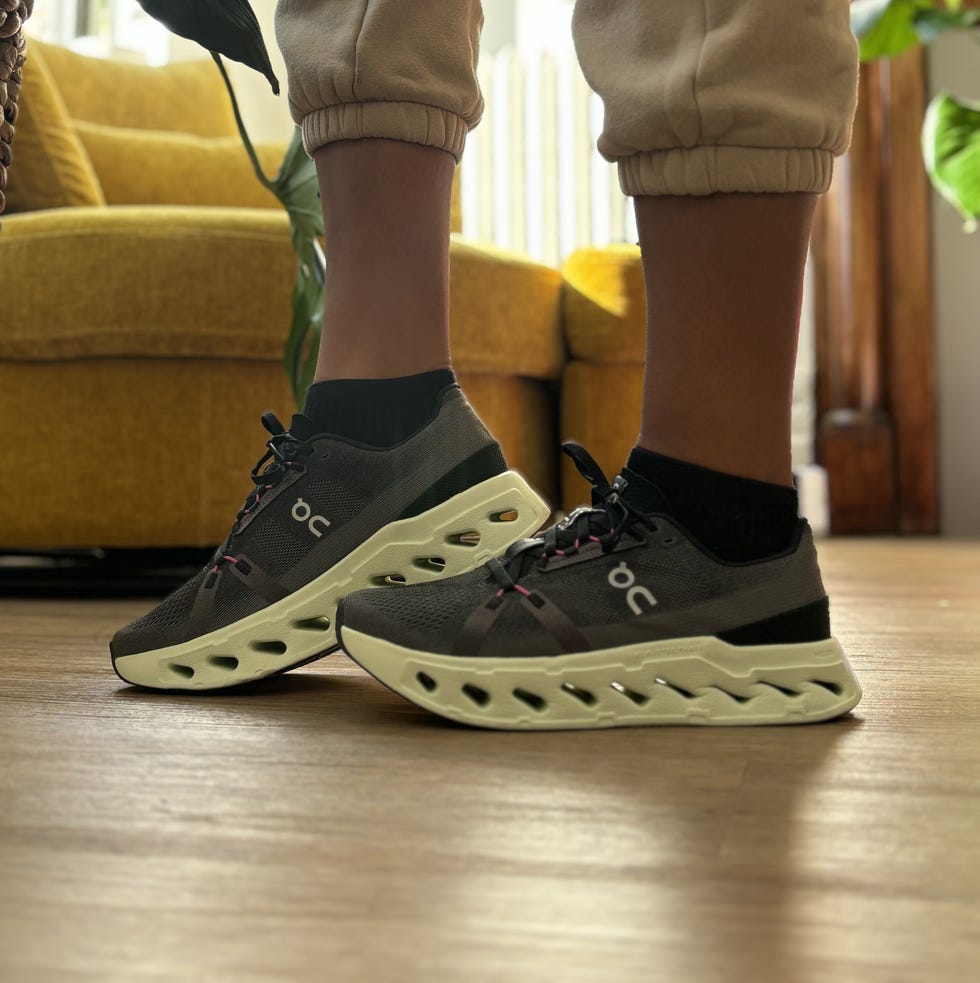
Now 28% Off
Best Running Shoe For Overpronation
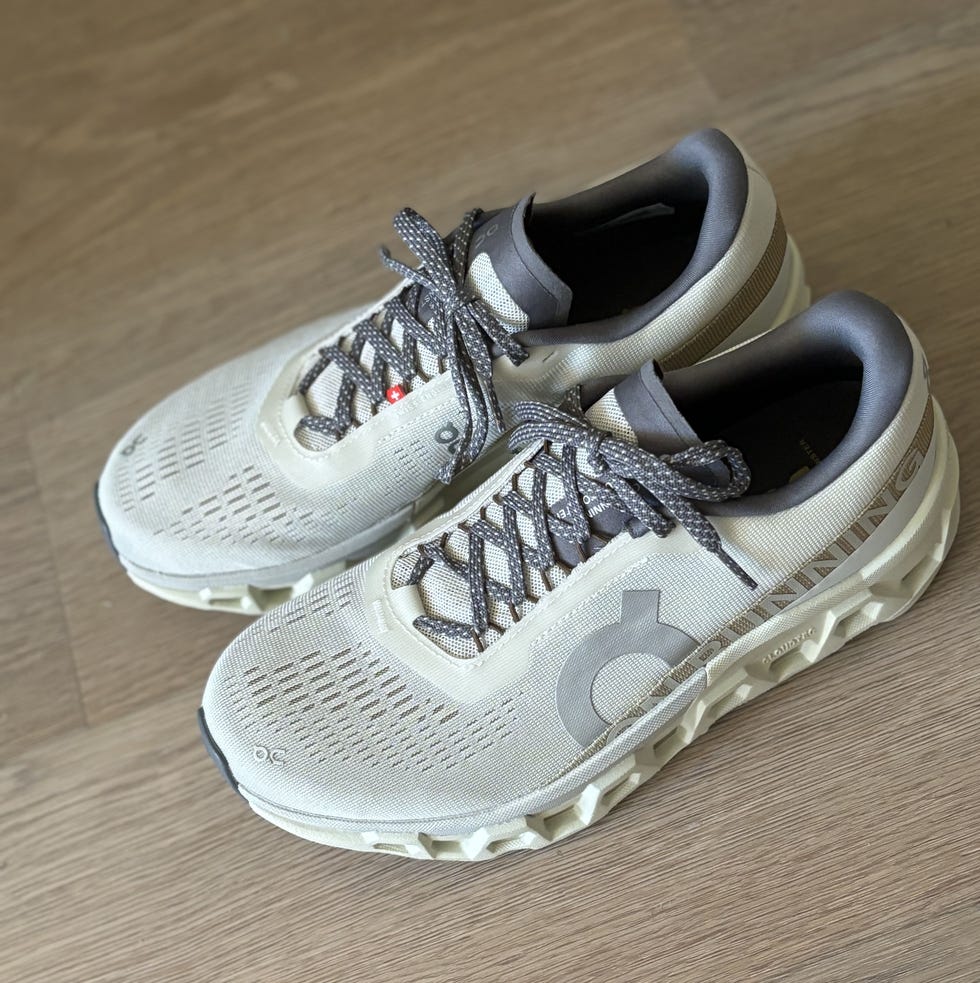
Now 22% Off
Best Long-Distance Running Shoe
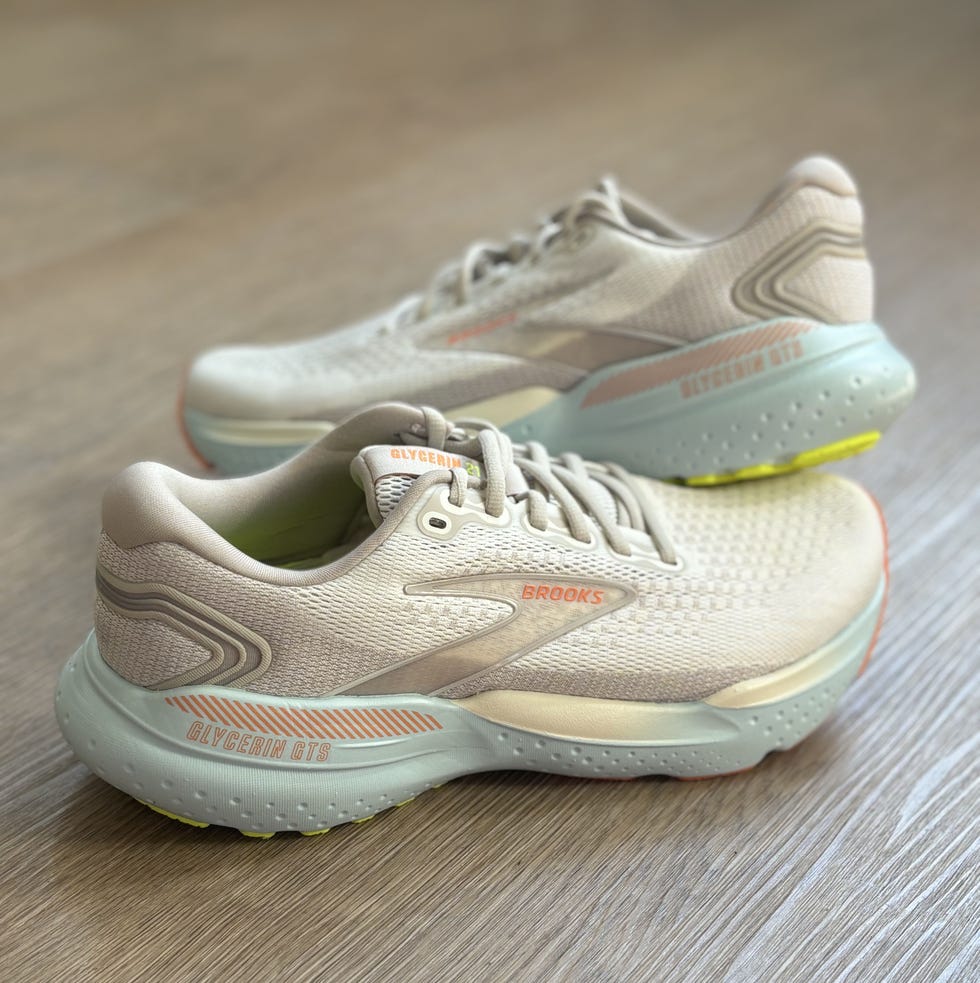
Now 30% Off
꾸준한 달리기는 확실히 더 빠른 속도에 도달하는 데 도움이 되지만, 무리하지 마십시오. 회복은 적응이 일어나는 곳입니다. The amount of rest days you take will depend on your goals and current ability, but Muller typically recommends spacing hard runs at least 48 hours apart and taking one to two complete rest days a week. “The goal is to avoid back-to-back hard days and, ideally, get a rest day in after three days of work,” she says. (월요일에 열심히 달리고, 화요일에 가볍게 달리고, 수요일에 또 열심히 달리고, 목요일에 휴식을 취할 수도 있습니다.)
What you do on your rest days is up to you, but gentle stretching, brisk walking, or an easy bike ride is great for boosting blood flow and reducing muscle soreness, Muller says.
If you’re trying to get faster, stick to an intentional training plan of mixing up your runs and making them harder through more distance or longer intervals (even if you’re not training for a race). “It takes a while for the nervous system to get used to your faster movement, but week after week, you’ll begin to recruit your fast-twitch muscle fibers as you develop the ability to sustain your top speed longer,” Ruiz says.
Becoming a faster runner takes time, consistency, and a whole lot of patience, but DeSena says your running speed and efficiency will typically increase in four to eight weeks and you can see more significant improvement in three to six months. “If you’re new to structured training, you can make big speed gains early on, but as you get fitter, improvements become smaller and require more focused work,” Ruiz says.
작업에 투입할 준비가 되셨나요? With a little practice and a lot of discipline, you’ll be faster in no time.
Meet the experts: Frankie Ruiz, is a RRCA-certified run coach and the chief running officer at Life Time. Channing Muller는 RRCA 인증 달리기 코치이자 14회 마라톤 선수입니다. CPT인 Nicole DeSena는 공인 개인 트레이너이자 RRCA 인증 달리기 코치이자 On The Run의 창립자입니다. Peter Weyand, PhD, is a professor and chair of Texas Christian University’s kinesiology department and director of TCU’s locomotor performance laboratory.

Andi Breitowich is a freelance writer who covers health, fitness, relationships, beauty, and smart living. She is a graduate of Emory University and Northwestern University's Medill School of Journalism. 그녀의 작품은 Women's Health, POPSUGAR, Food &Wine, What To Expect, Cosmopolitan, Men's Health에 게재되었습니다. , and elsewhere. As a former collegiate pole vaulter, she loves all things fitness and has yet to meet a group workout class she doesn't like.