
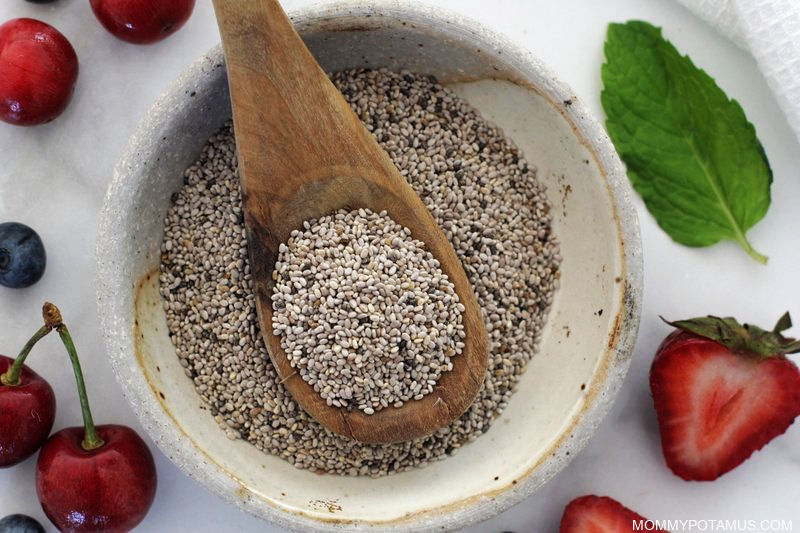
It’s been called a superfood and a miracle seed, but in Mayan “chia” means “strength” . . . and I think I like that one the most. (1)
Tiny but mighty, these seeds come from the Salvia hispanica plant, a member of the mint family native to Central and South America. The Aztecs and Mayans prized them for the the energy and staying power they provided – often enjoying them as a kind of breakfast pudding. (2) (1)
The Tarahumara people of Mexico have a similar tradition. They make Iskiate (or chia fresca) by mixing chia seeds with water, lime juice, and sometimes a touch of honey. It’s a time-tested way to stay hydrated and energized on long journeys. (3)
In addition to being rooted in tradition, chia plants have actual roots that make them a superstar in regenerative farming. Their deep root systems grow quickly, anchoring the soil and reducing erosion while naturally enriching it with organic matter.
Chia thrives with minimal water and little need for pest control, which helps keep our groundwater clean. Their purple blooms attract pollinators like bees, boosting biodiversity and helping nearby crops thrive.
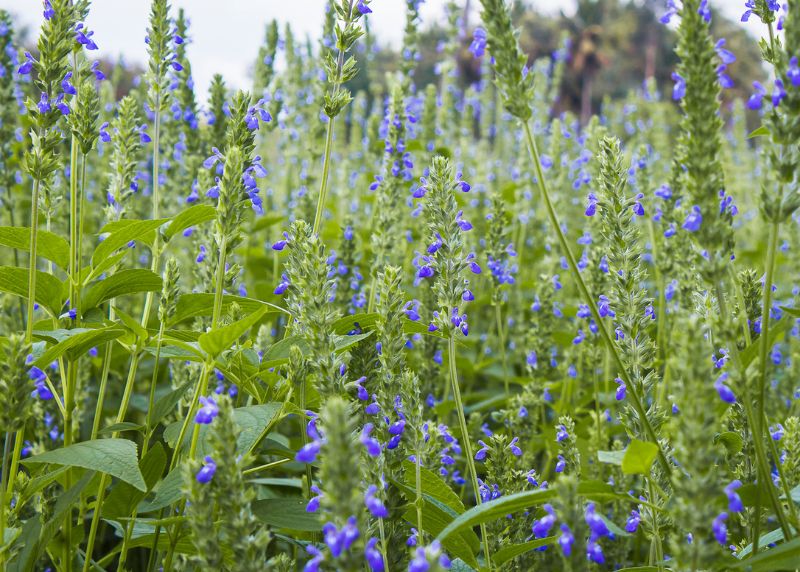
As a bonus, chia is a star in crop rotation strategies – restoring soil health and helping disrupt pest and disease cycles naturally.
Of course, this isn’t a gardening article, so let’s get to the health benefits. As always, I want to mention that none of these statements have been evaluated by the FDA, this article is not medical advice, and it is not meant to diagnose or treat any condition. Ok, let’s dive in.
Chia seeds are rich in alpha-linolenic acid (ALA), which is a type of short-chain omega 3 fatty acid that our body can use to make long-chain EPA (eicosapentaenoic acid) and DHA (docosahexaenoic acid).
Although fish oil is still the easiest way to get those long-chain omega-3s, women tend to be better at converting ALA to EPA than men – enough to actually shift their omega-3 levels. (4)
Why is this important? Because, EPA is a building block for eicosanoid hormones, which play a vital role in regulating inflammation throughout the body. (5)
Also, research suggests that it positively influences thyroid hormone production and function. (6)
ALA also positively influences insulin sensitivity, which supports healthy metabolic function by making it easier for your body to keep blood sugar stable. That means fewer energy crashes, fewer cravings, and steadier focus throughout the day. (7) (8)
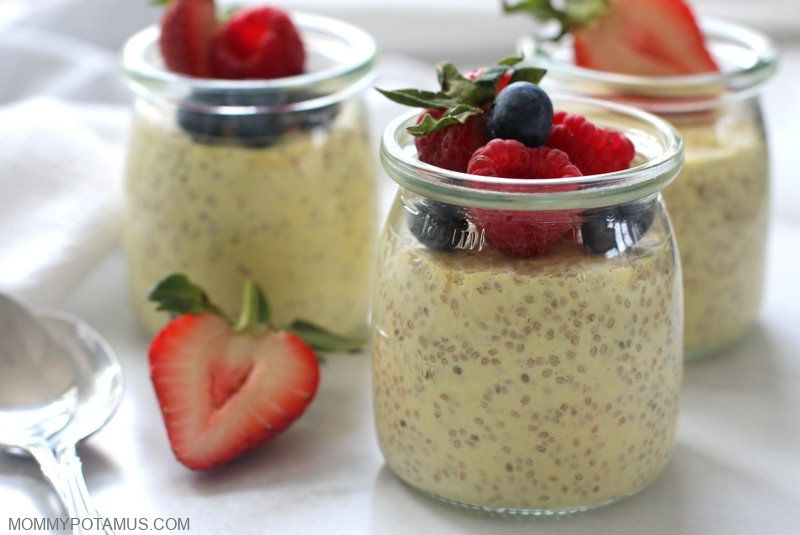
When chia seeds soak in liquid, they absorb many times their weight in water and form a gel-like consistency. This gel is largely made of soluble fiber and mucilage (a type of viscous plant fiber). It’s very similar to what you find in flaxseeds, slippery elm, and marshmallow root.
The fiber content is thought to support gut health – including the gut lining – in a few ways.
Mucosal support – The slippery, gel-like texture may mimic or support the body’s own mucus layer in the gut, which acts as a protective barrier for the intestinal lining. The gel may provide a soothing coating that reduces irritation – similar to how aloe vera is used topically and mucilaginous herbs are used for throat and digestive inflammation.
Feeds good bacteria – In a 2019 review in Nutrients, chia was noted for its potential to improve digestive health, especially via fiber-induced gut microbiome changes and anti-inflammatory properties. (9) Its dietary fiber acts as a prebiotic, meaning it feeds beneficial gut microbes.A healthier gut microbiome is closely linked with gut lining integrity.
Improved stool formation – The gel helps regulate bowel movements – softening stools while also adding bulk – which can reduce mechanical stress on the gut lining.
In other words, it’s a solid strategy for avoiding hangry episodes.
In this study, participants who added chia seeds to their yogurt – either 7 or 14 grams – felt more satisfied and ate fewer calories than when they ate yogurt without chia.
Our bodies break down toxins via oxidation – a process that transforms them into water-soluble compounds that can be flushed out of the body. Oxidation produces free radicals, which can damage tissues and accelerate aging unless they are neutralized by antioxidants.
It’s a natural process with a built-in balancing mechanism: antioxidant-rich foods. Chia seeds definitely make the cut in this category – they’re an excellent source of anti-inflammatory compounds including caffeic acid, chlorogenic acid (also found in coffee), and quercetin.
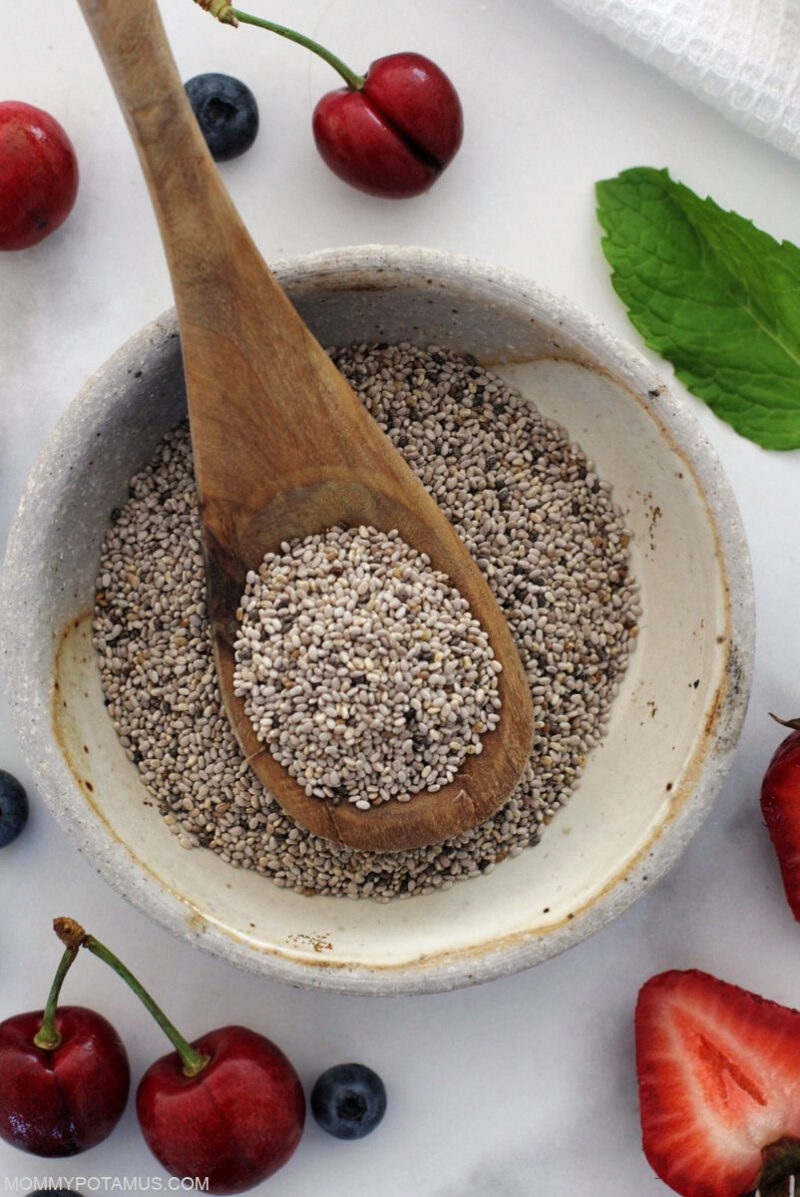
Chia seeds are also a good source of bone-building minerals like calcium, phosphorus and magnesium, plus trace amounts of other minerals. (9)
In this study, long-term consumption of chia seeds was linked with higher bone mineral density and better liver and intestinal health.
Chia seeds are thought to support cardiovascular health in several ways:
No problem, I’ve created a free ebook for you – Kitchen Apothecary: 25+ Natural Remedies Using Ingredients From Your Pantry – as a gift for signing up for my newsletter. You’ll also get updates when I post about safe essential oils for pregnant/breastfeeding mamas, exclusive gifts and coupons (I was able to give away a jar of free coconut oil to anyone who wanted it recently!), plus other goodies.
Sign up using the form below.