
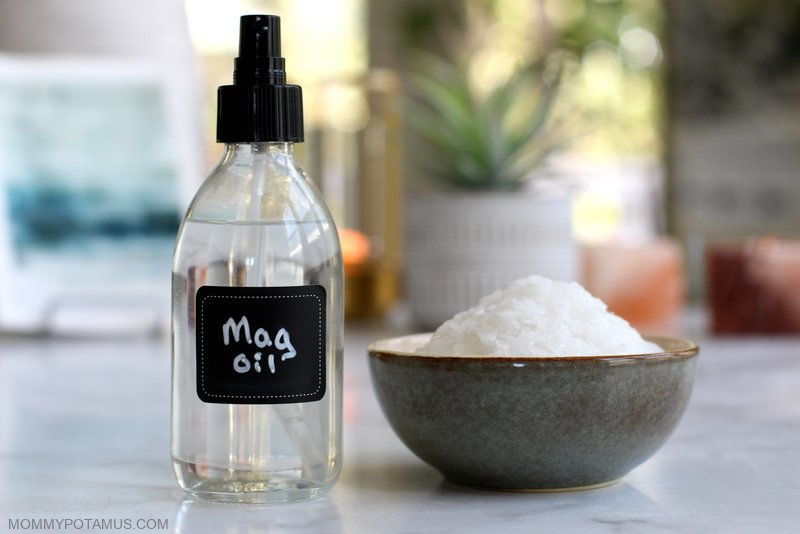
I’ve been making magnesium oil for nearly a decade, so you could definitely say I’m more than a little late in posting this recipe. But here’s why I think now is actually the perfect time to share it:
With new wellness trends popping up constantly, it’s easy to lose track of simple practices that quietly support our health in big ways. Magnesium supplementation is one of those practices—especially if:
#1 – You have a body.
#2 – You have stress.
Maybe your stress is the good kind—the kind that comes from cold plunges or sauna therapy. Or maybe it’s the “too many things on your plate” kind. Either way, magnesium plays a key role in helping your body adapt. It supports your stress response, helps regulate nervous system activity, and promotes more restful sleep – all things that can get thrown off by stress.
Magnesium acts like a spark plug for your body, helping to fire up over 300 essential processes, including energy production, muscle function, blood sugar control, blood pressure regulation, bone density, and more. (1)(2)
When levels run low, it can become harder to keep up with the pace of everyday life.
Unfortunately, studies published by the National Institutes of Health and World Health Organization estimate that up to 68% of people in the United States are magnesium deficient, so there are a lot of us running around with what feels like a sputtering engine. (3)
In this article, I’ll share the pros and cons of topical vs. oral magnesium, plus how to make your own magnesium oil.
As always, none of these statements have been evaluated by the FDA. This article is not medical advice and isn’t meant to diagnose, treat, or cure any condition. Please chat with your healthcare provider about any supplements you’re considering.
Now that we’ve got that out of the way, let’s dive in.
If magnesium is so essential – and found in so many whole foods – why are so many of us deficient? There’s no single reason, but depleted soils, modern stress, and other factors are all playing a role. Here’s why:

Magnesium is a structural component of chlorophyll, so plants rely on it just as much as we do. But over the last several decades, the amount of magnesium in our soil has dropped significantly — and so has the amount in our food. (4)
Much of this decline is due to the way modern agriculture focuses almost exclusively on nitrogen (N), phosphorus (P), and potassium (K) to boost yield. That approach leaves essential nutrients like magnesium as an afterthought. (5)
In short: Magnesium depletion in the soil results in lower concentrations in plants, leading to deficiency in humans. (6)
Magnesium is sometimes called the chill mineral because of the way it supports a healthy stress response. But ironically, the more stressed we are, the more magnesium we burn through.
Yep, stress ramps up your body’s magnesium “burn rate,” which can deplete your reserves over time. And once levels start to dip, our bodies become even more sensitive to stress – making recovery feel like an uphill climb. (7)
So if you’re wondering why a stressful week leaves you feeling fried, foggy, and maybe even twitchy, an increased magnesium burn rate could be playing a role.

I love my high CGA coffee and am not giving it up, but caffeine intake can have a diuretic effect that increases our need for minerals like magnesium. (8)
Other factors like alcohol intake and certain medications can increase magnesium loss or interfere with absorption. (9)(10)
When it comes to supporting healthy magnesium levels, there are two basic approaches:
Here’s why I take a both/and approach:
Magnesium-rich foods and oral supplements can be beneficial, especially because they come in a wide range of forms that have different benefits.
However, the effectiveness of oral magnesium can be limited.
Oral magnesium can be poorly absorbed due to several factors, including impaired gastrointestinal absorption, certain medical conditions affecting the digestive or renal systems, and the use of specific medications. While typically only 30-40% of dietary magnesium is absorbed, these factors can further hinder the absorption of oral supplements, potentially leading to magnesium deficiency.“ (11)
Transdermal (topical) magnesium bypasses this issue, delivering magnesium directly through the skin and into the bloodstream.
In a 2017 study published in PLOS One , participants applied a topical magnesium chloride spray daily for 12 weeks and had their serum and urinary magnesium levels tested before and after the intervention.
The study found a statistically significant increase in serum magnesium levels—but only after excluding four participants who engaged in high-intensity exercise during the study, despite being instructed not to. The researchers noted that intense physical activity may have increased magnesium loss through sweat and other metabolic processes, which likely skewed the results.
When the data from those participants was removed, the remaining subjects showed a 7.4% average increase in serum magnesium levels, which the authors point out is more than what’s typically observed with oral supplementation over the same period. (12)
Also, a small pilot study over 12 weeks showed an average 59.7% increase in cellular magnesium, with a 25.2% improvement in the calcium-to-magnesium ratio after using a high-concentration magnesium chloride spray and foot soaks twice weekly. The pace of change seen was notably faster than what is usually achieved through oral supplementation over several months. (13)
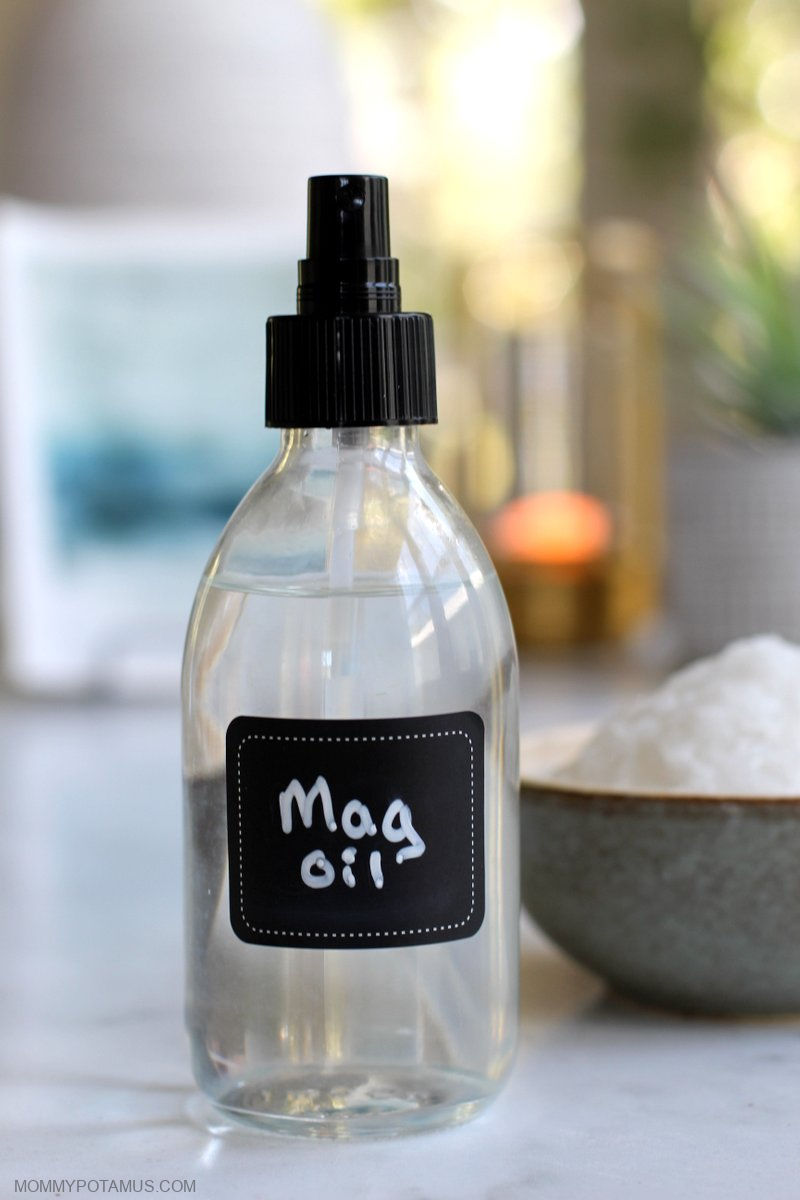
With just five minutes and two ingredients, you can create a cost-effective magnesium oil to support deep sleep, stress resilience, and enhanced overall well-being.
Makes approximately 2/3 cup
Prep Time 5 minutes
Total Time 5 minutes
Servings 0.67 cup
Calories
Author Heather Dessinger, FDN-P
Boil ½ cup distilled water.
Place magnesium flakes in a glass measuring cup or heat-safe glass bowl.
Pour boiling water over flakes. Use a clean utensil to stir until dissolved.
Allow the mixture to cool, then transfer to your labeled spray bottle.
Store at room temperature for up to six months. (14)
Current guidelines for transdermal magnesium usage recommend starting slowly to gauge your skin’s reaction:
Can I add essential oils to magnesium oil?
I don’t recommend it. Essential oils don’t effectively mix into water-based solutions without dispersing agents like Natrasorb (modified tapioca starch). Using such agents would negatively impact the shelf life and stability of your magnesium oil.
What’s the difference between magnesium chloride and Epsom salts (magnesium sulfate)
Both deliver magnesium, but magnesium chloride is more bioavailable when applied topically. It also retains moisture better and is less drying than Epsom salt solutions.
Do you want to give gorgeous, handcrafted gifts for family and friends, without spending a bunch of time on them?
Then I’d love to give you a free copy of DIY Body Care Gifts Made Simple – my step-by-step guide to making gorgeous handcrafted gifts without stressing yourself out – as a gift for signing up for my newsletter. I’ll show you how to make vintage labels, luxurious lotion bars, lip balms, sugar scrubs, body sprays and more like a pro. Sign up for my newsletter and you’ll be redirected to the download page immediately!