
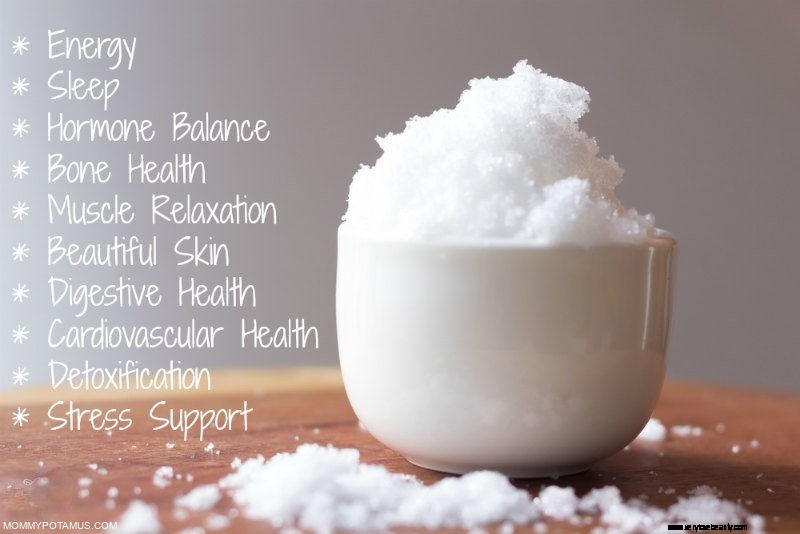
There’s a good reason magnesium is often called “The Magic Mineral” – it plays a crucial role in over 300 enzymatic reactions within the body, impacting everything from energy metabolism and stress management to hormone balance, detoxification, sleep, and the creation of proteins. (1) Years ago, I discovered it was the key to easing my restless legs at night, which did indeed feel pretty magical after years of suffering.
Unfortunately, according to the World Health Organization, only about 25% of Americans are getting enough magnesium, but that’s only one factor contributing to what CNN calls the “invisible deficiency.” (2)
We’ll dive into that in this article along with how to choose the best magnesium supplement, but first let’s take a closer look at just a little of what this mineral does.
As always, I want to mention that none of these statements have been evaluated by the FDA, this article is not medical advice, and it is not meant to diagnose or treat any condition. Please talk with your healthcare provider about any dietary supplements you are considering.
Because it’s involved in hundreds of biochemical reactions within your body, magnesium impacts everything from energy creation to sleep. Here are some of its top benefits.
Magnesium supports overall hormone balance by helping to balance cortisol, supporting the thyroid, and aiding in the production of progesterone, estrogen, and testosterone. (3)
We’ve long been told that calcium “builds strong bones,” but that’s not the whole story. When we consume a lot of calcium without magnesium, the calcium collects in soft tissues rather than going to our bones where it is needed.
Magnesium is needed because it stimulates the hormone calcitonin, which is what directs calcium into the bones. It’s no surprise, then, that magnesium supplementation has been shown to support bone density in both children and certain elderly populations. (4)(5)
Of course, we can’t talk about bone health without also mentioning vitamin D. Having adequate levels – via both sunlight exposure and dietary intake – helps facilitate the absorption of calcium, while magnesium helps direct the calcium where it’s most needed (the bones) instead of mostly the soft tissues. (6)(7)
Magnesium is crucial to the function of mitochondria, which are the power plants of the cell. Our mitochondria fuel every aspect of health, from brain function and muscle strength to cell repair and enzyme creation. Poor mitochondrial function reduces energy levels, so we want to keep the little guys happy. (8)
Sometimes called “The Original Chill Pill,” magnesium helps to balance cortisol (stress hormone) levels in the body. (9)
It helps calm the mind by supporting the production of a neurotransmitter called gamma-aminobutyric acid (GABA). (10)
GABA is the main inhibitory neurotransmitter, which means it calms down the nervous system when it gets into a state of excessive “neural excitement.” Many people report that it helps with daytime focus and an overall sense of well-being.
Here are some other science-backed ways to ease stress naturally.
As mentioned above, magnesium supports the production of GABA, which contributes to both well-being/focus in the day and sleep at night. One of GABA’s roles is to help the body transition from an alert/wakeful state to a peaceful, relaxed state that eventually leads to deep, restful sleep.
Calcium helps our muscles contract, while magnesium helps them relax. That’s why magnesium salt baths (using either magnesium sulfate or magnesium chloride) are often recommended for easing achy muscles and growing pains.
You can find my favorite recipe for making homemade bath salts here.
Magnesium stimulates the synthesis of collagen and elastin, which provide structure for our skin and allow it to “snap back” into place like a rubber band. (11) Collagen also supports healthy joints, muscle and other connective tissue.
Magnesium can be helpful for constipation because it speeds up bowel transit time.
Magnesium relaxes smooth muscle – including the smooth muscle of your arteries – which supports blood flow and a regular heart rate. (12)
In Got Magnesium? Those With Heart Disease Should, WebMD writes that heart patients “who took magnesium had better blood vessel function and their hearts showed less stress during treadmill exercise compared to the placebo group. Nearly three-quarters of the patients were magnesium-deficient at the beginning of the study, but their levels rose to nearly normal by the end.”
Magnesium is needed to make glutathione, which is considered the “master antioxidant” of the body. Glutathione plays a huge role in detoxification and immune function, among other things. (13)
Magnesium, sodium, potassium, calcium and bicarbonate are all electrolytes – aka ion-rich minerals and salts that promote “rapid fluid absorption and maintenance of body fluid.” (14) In other words, they help balance the amount of water in your body while also:
Most of the time we get enough electrolytes to maintain hydration through food, but in times of intense physical exercise or heat (causing sweating and loss of minerals) or illness (making it difficult to keep food down), electrolyte drinks can often be helpful for supporting rehydration. (16)
People who tend to consume low levels of magnesium typically have poorer blood sugar regulation than people who consume higher amounts. (17) (18)
Good blood sugar regulation plays an important role in keeping our brain healthy as well as supporting stable energy levels, a balanced mood, and overall heart health. (19)
Although no formal studies have been done on how magnesium impacts odor, many people swear by using magnesium oil or milk of magnesia as a roll-on deodorant.
In addition to helping with body odor, magnesium reduces toxic load by reducing the need for store-bought options that are full of parabens and other problematic ingredients.
Here are the most common reasons for low magnesium levels:
Fortunately, there are ways to improve magnesium levels (when needed) despite these challenges, and we’ll discuss them later in this article.
Because it impacts so many processes within our bodies, there are a wide range of symptoms associated with deficiency. (21) Here are some of the most common ones:
Only about 1% of total body magnesium is present in the blood, which makes it difficult to get an accurate measurement of total magnesium content from blood tests alone. (23) For that reason, practitioners often consider stress load, gut function, and symptoms associated with deficiency when recommending magnesium supplementation.
The best way to get magnesium is through food, because whole foods come with cofactors that help with nutrient absorption. However, due to soil depletion and other factors such as stress and gut function, it’s extremely difficult to get all we need from food.
In addition to consuming foods rich in magnesium, the body needs certain nutrients – called cofactors – to absorb magnesium properly. They are:
Supplements are sometimes needed to reach optimal levels. Magnesium is also well-absorbed through the skin, which is why this recipe for homemade bath salts can be helpful.
So, a cool fun fact (nerd alert!) is that magnesium is the center atom of chlorophyll, therefore anything green has magnesium, and the darker the green the more magnesium. However, not all magnesium-rich foods are green. Here are some you might want to consider incorporating:
Walk into the supplement aisle of any health store, and you’ll often find a variety of “magic mineral” supplements: magnesium citrate, glycinate, chloride, oxide and more. In this article, Dr. Lori Rose and I cover which ones are the most bioavailable and how they support different body systems.
This article was medically reviewed by Dr. Scott Soerries, MD, Family Physician and Medical Director of SteadyMD. As always, this is not personal medical advice and we recommend that you talk with your doctor.
About the authors: This article was co-authored by Heather Dessinger and Dr. Lori Valentine Rose (PhD). Dr. Rose, PhD is a college biology, nutrition, herbal, and wellness instructor, Certified Nutrition Professional (CNP), Registered Herbalist with the American Herbalist Guild, and is Board Certified in Holistic Nutrition. She created, developed, and instructs the Hill College Holistic Wellness Pathway, the most thorough, affordable, degreed wellness program in the country.