

There are some laws you don’t probably don’t need to know about unless you plan on wearing a suit of armor to English parliament, catching fish with your bare hands in the state of Indiana, or stealing used kitchen grease in North Carolina.
However, if you want enjoy life instead of fighting against your body, there are some you do . . . the laws that govern your circadian rhythm, for example.
If you’re thinking, “What laws?” – keep reading. When it comes to this subject, ignorance is not bliss. In fact, knowing the laws of bio-time – as sleep researcher Dr. Michael Breus calls it – can dramatically improve your mood, energy levels, the quality of your sleep, and overall enjoyment of life.
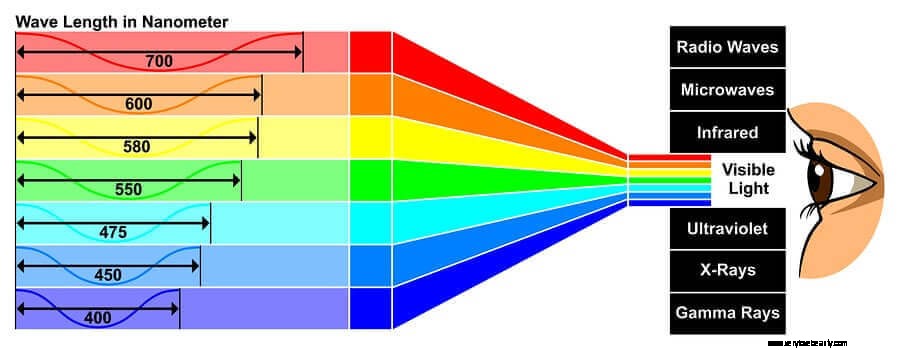
“The most disruptive event in the history of bio-time occurred on December 31, 1879,” wrote Dr. Breus, who is a Diplomate of the American Board of Sleep Medicine, Fellow of The American Academy of Sleep Medicine, and the author of The Power of When.
You see, before 1879 we all pretty much followed bio-time, but when Edison introduced the first commercially viable light bulb he did more than put a dent in the candle industry’s profits.
Light bulbs emit a fundamentally different type of light from firelight – blue spectrum light. In the natural world we see blue/green light in the daytime via sunlight, and red light in the evening via firelight. Our circadian rhythm uses these types of light to keep time – to tell our bodies when to be alert and when to become sleepy.
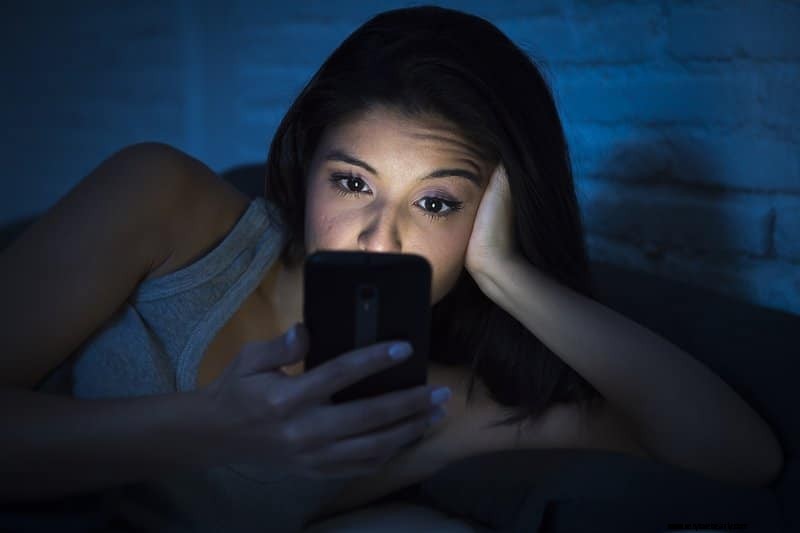
Using blue-light emitting devices such as light bulbs, smart phones, and t.v.’s during the nighttime hours scrambles our master timekeeper – the suprachiasmatic nucleus (SCN) – which affects our sleep/wake cycle and a whole lot of other internal clocks that follow the SCN.
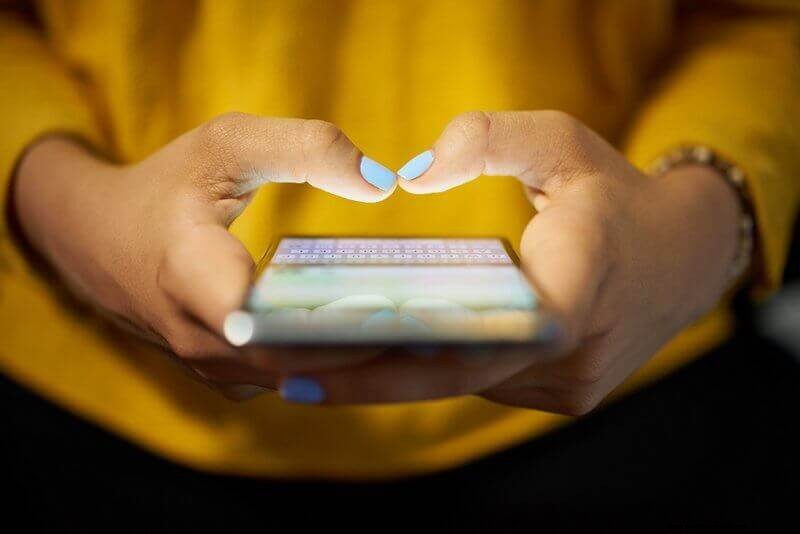
When we become chrono-misaligned, or out of sync with our biology, we can experience symptoms such as:
Even the American Medical Association has warned that high-intensity lights “emit unseen blue light that can disturb sleep rhythms and possibly increase the risk of serious health conditions, including cancer and cardiovascular disease,” writes The Washington Post. They’re talking about street light specifically in that warning, but the same principle applies to all blue-light emitting devices used at night.
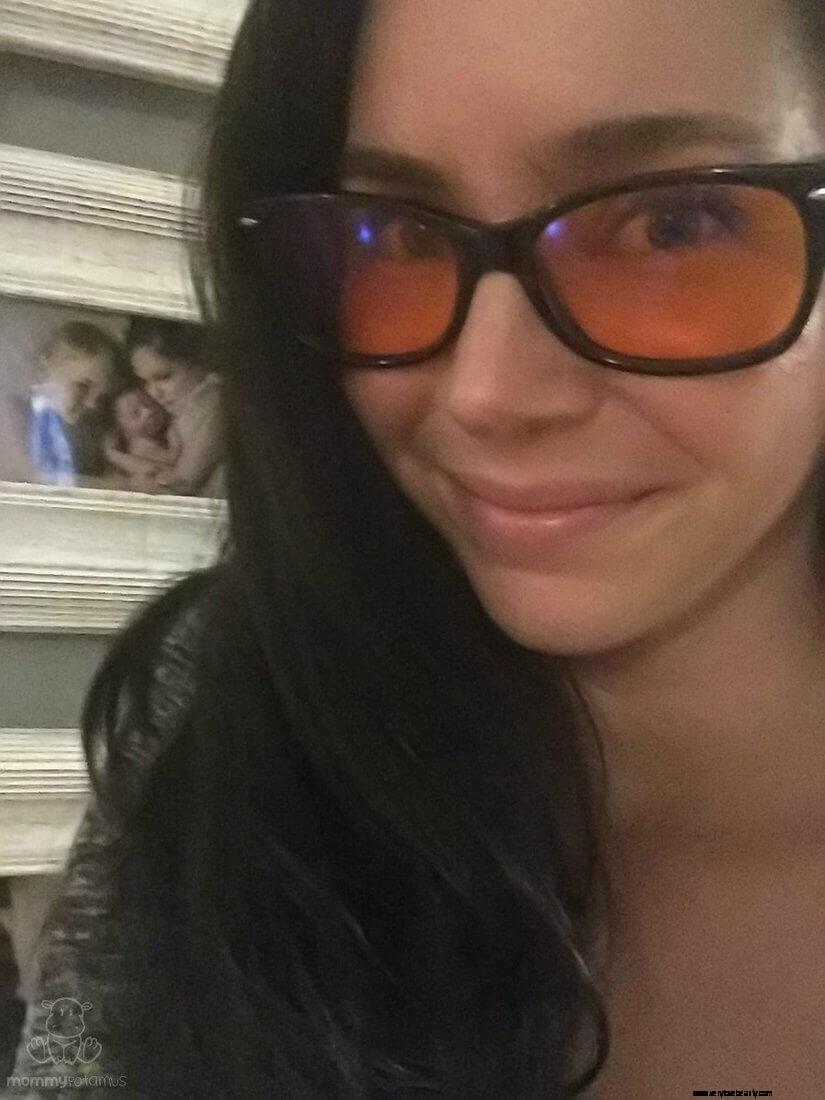
In a word, YES. Researchers have found that blue-blocking glasses effectively “impede the capacity of bright light to suppress melatonin production.” (source)
In this study, researchers asked participants to wear either blue-blocking (amber) or yellow-tinted (blocking ultraviolet only) glasses for three hours prior to sleep over a three week period. Those that wore the blue-blocking glasses experienced a significant improvement in sleep and mood compared with those who wore the ultraviolet-blocking glasses. Other studies have found them helpful for improving the sleep of shift workers.
I first learned about blue-blocking glasses from my friend Katie of Wellness Mama, and have been using them for a few years now. The impact has been so significant that my entire family wears them now – including my littles. I’ve tried everything from the $9 Uvex ones to $80 options – these are the ones I use now because they’re affordable, comfortable, attractive, and lab tested.
Managing our light exposure is the most powerful tool we have to get deep, restful sleep. Blocking blue light at biologically inappropriate times (nighttime hours) is just half of that equation – the other is getting about the other is getting about 30-60 minutes of bright light exposure in the early morning.
For most of us that’s not really practical, but I’ve discussed some workarounds in 18 Science-Backed Sleep Tips.