
If you’ve ever picked up a box of Fruit Loops in Europe, you might do a double take. The fluorescent synthetic food dyes used in the U.S. are swapped out for things like blueberry juice and turmeric. It’s still packed with refined sugar and hydrogenated oil, but at least some of the ingredients are things you might actually find in a kitchen.
That’s because Europe tends to take product safety more seriously than we do – and it’s not just cereal.
Different regulations and legal systems mean companies are often required to warn European consumers about potential risks that Americans never hear about. Sometimes the exact same product shows up with completely different warnings depending on where it’s sold. One recent example brings the contrast into sharp focus – the makers of Depo Provera warned patients in Europe about the risk of brain tumors – but left that part out for Americans, according to multiple class action lawsuits. (1)
This pattern shows up in surprising places – even the devices we keep in our homes come with different warnings depending on what side of the Atlantic you’re on.
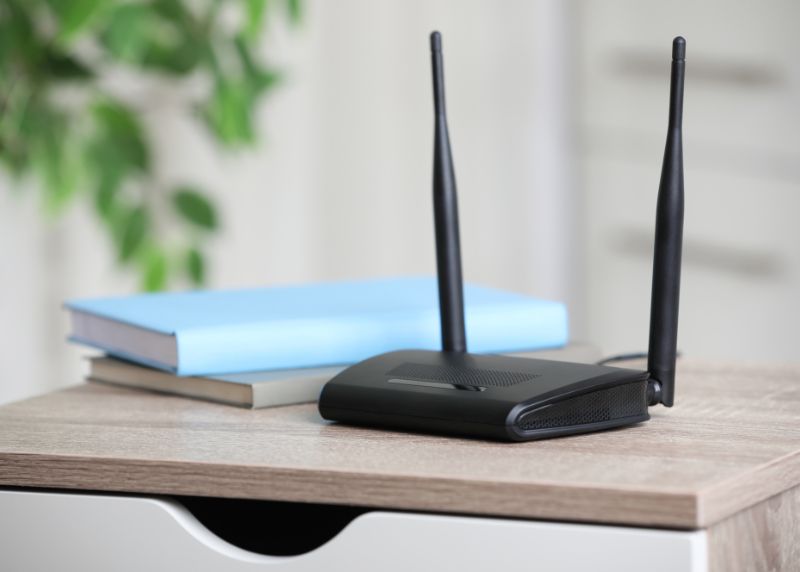
Back in 2017, Deutsche Telekom – one of Europe’s biggest telecom companies – slipped a surprising addition into the manual for one of their WiFi routers. It basically said, “Hey, maybe don’t put this thing next to your bed, your kid’s room, or your main living space.” (2)
The advisory explained that this placement was intended to minimize exposure to electromagnetic fields – a precaution you wouldn’t typically find in a U.S. product manual.
We’re all surrounded by WiFi signals – it’s the world we live in. But that doesn’t mean there’s nothing we can do. Just like choosing filtered water or swapping out plastic containers, there are small shifts we can make that reduce our overall load.
WiFi has become such a normal part of daily life that most of us don’t think twice about it, but that fine-print warning in the Telekom manual points to a growing body of research suggesting it may be impacting us more than we realize. (3)
From how we sleep to how our bodies function at the cellular level, wireless exposure has been linked to a wide range of biological effects. Let’s start with one of the most immediate and noticeable: sleep.
A growing number of studies are raising concerns about how WiFi might be affecting our health – especially when it comes to sleep. These effects aren’t always dramatic, but they can add up over time. Here are just a few examples of what researchers have found:
Fortunately, the changes that are likely to make the biggest difference are also the easiest to start with. So be sure to check out the final section for simple, practical ways to lower your exposure – especially during the hours your body is prioritizing rest and repair.
One of the most consistently reported effects of WiFi exposure in the scientific literature is oxidative stress. That’s when the body produces more reactive oxygen species (ROS) than it can neutralize with antioxidants – a state that can damage cells, DNA, and tissues over time. (5)
In studies done with mature (adult) animals, chronic exposure to WiFi has been linked to oxidative damage in several vital organs – including the heart, pancreas (which makes insulin) and testes. (7) (8) (5)
Another study found oxidative damage in the brain and liver of developing rats exposed to WiFi radiation. (9)
This type of damage – especially when it involves DNA – may help explain why the World Health Organization classifies radiofrequency electromagnetic fields as “possibly carcinogenic to humans” (Group 2B). (10)
As a reminder, our bodies generate oxidative stress as a byproduct of cellular function and metabolism. The goal is not to completely eliminate it, but to support our cells, reduce oxidative load where we can, and consume lots of antioxidant-rich foods.
While most people associate testosterone with men, it plays a crucial role in female health too – supporting mood, bone strength, and libido. Unfortunately, research across both human and animal studies suggests that WiFi can impact fertility, reproductive organs, and hormone levels in meaningful ways.
In a 2015 clinical study, men who used wireless internet had lower progressive motile sperm counts than those who used wired internet. The study found no similar effect with general mobile phone use, highlighting WiFi as a distinct contributor. (13) I don’t think that lets phones off the hook – most likely, they weren’t being used long enough to detect an effect.
Other studies have found reduced sperm count and motility, plus DNA damage. (14) (15)
One 2019 animal study found that rats exposed daily to 2.45 GHz EMR (similar to Wi‑Fi) over 28 days showed increased anxiety-like behaviors, altered stress hormone levels, and signs of cell death in the amygdala – all pointing toward long-term wireless radiation acting as a physiological stressor. (16)

It might seem like this issue is flying under the radar – but not everywhere. Some countries are already making simple, proactive changes – like reducing WiFi exposure in schools. And those same kinds of changes are easy to make at home, too.
Children’s bodies and brains are still developing, which may make them more sensitive to environmental exposures like wireless radiation. Their thinner skulls, rapidly dividing cells, and longer lifetime of potential exposure are just a few reasons why they’re considered a more vulnerable group.
That’s why several European countries – and even some city governments – have taken precautionary steps to limit WiFi in places where kids spend a significant amount of time.
Strategically limiting exposure during the years when kids are growing rapidly – and during times like sleep, when all our bodies are designed to repair – is a powerful way to support well-being. Which leads me to . . .
Here’s the part I love most: you don’t have to overhaul your life or live off-grid to make a meaningful difference. A few small tweaks can significantly lower your exposure – especially during sleep, when your body is in repair mode.
Making mindful choices about your environment doesn’t have to be all-or-nothing. Even small steps can lighten your overall load. However, if you want to take an additional step, here’s a device I use in my home for extra peace of mind.
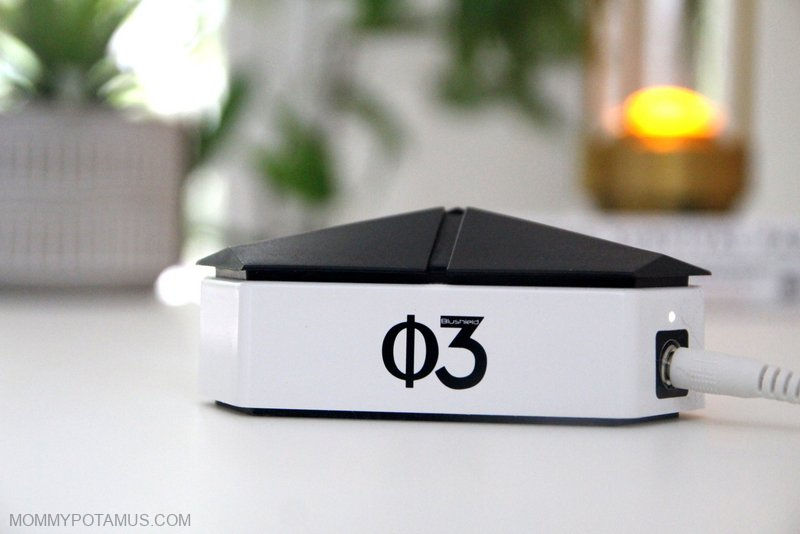
Unlike EMF-blocking technologies like phone cases (which I still use and recommend), Blushield is an active system that uses resonant frequencies to essentially overpower the “noise” created by man-made EMFs.
They still recommend reducing exposure whenever possible, so I use their technology alongside other strategies.
Just like buckling your seatbelt or choosing non-toxic cleaners, reducing WiFi exposure is simply about informed, thoughtful choices. You don’t have to do everything – just start with what feels doable. Your body is incredibly resilient, and when you support it, it responds. Little changes add up.