
Some headlines are surprising but true – like the time a German street was covered in chocolate after a factory leak. Others are the kind we really want to be true, or at least as simple as they sound.
Lately I’ve been seeing a lot of headlines about foods that supposedly remove microplastics from the body, so I clicked through and tracked down the research behind them.
Turns out, foods like tamarind and okra do bind and remove microplastics . . . from water.
And if that were the whole story, this would be a very short article.
But once I started digging, I found something more interesting: no food has yet been shown to remove microplastics from human tissues directly. But emerging research suggests that certain fibers, binders, and probiotic strains may help the body handle ingested microplastics in the gut – by limiting absorption, supporting elimination through stool, and helping buffer some of the downstream stress these particles can cause.
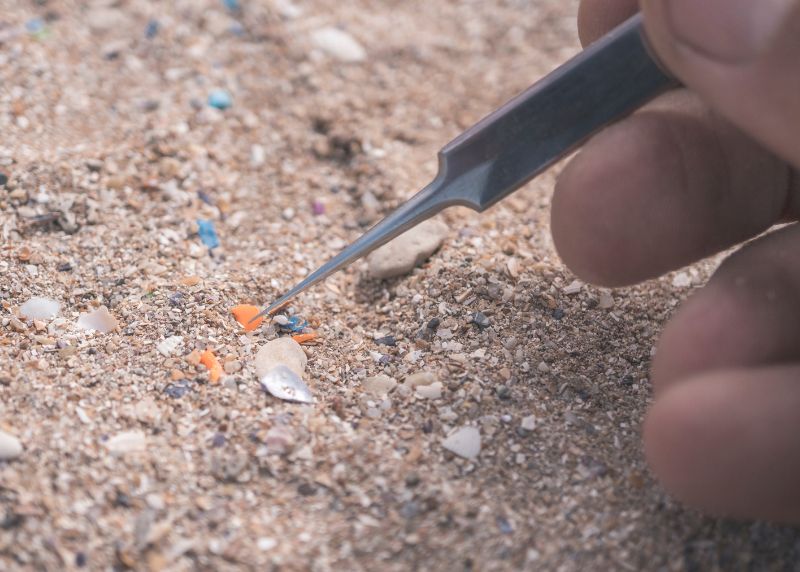
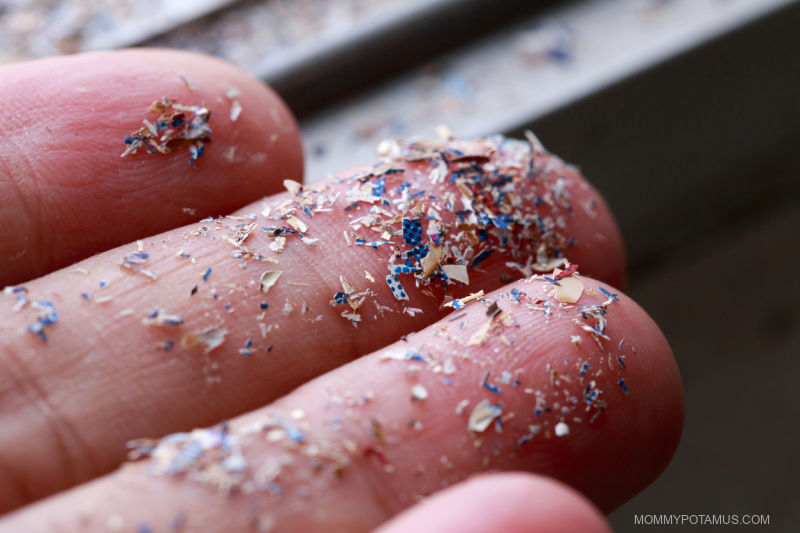
Microplastics – tiny pieces of plastic less than 5 millimeters long – are everywhere. They’ve been found in deep ocean trenches, on the summit of Mount Everest, and in the human body, too.
In everyday life, they enter our bodies through several common routes: we breathe them in through household dust, swallow them in food and drinking water, and encounter them daily through synthetic fabrics, plastic packaging, and other plastic-containing products. Research has detected microplastics in human blood, lungs, liver, kidneys, and reproductive organs, as well as other areas like the brain, heart, and placenta. (1)(2)(3)(4)
Microplastic exposure is linked to chronic inflammation, heart disease, fertility problems, and other health issues. (5)(6)
And the concern isn’t just the plastic itself; it’s what the plastic is carrying. These particles can act like tiny sponges for heavy metals and chemicals like BPA or phthalates, which are known endocrine disruptors. In short: they can mess with your hormones and trigger inflammation.
That’s why microplastics have become more than just an environmental issue – they’re increasingly being discussed as a growing public health concern.
I’ve shared several practical ways to reduce your exposure to microplastics, but that still leaves an obvious question:
I wish I could give you a smoothie or other recipe that would handle everything all at once.
Based on what we know right now, that’s not how it works. But there is some encouraging news.
Researchers are beginning to identify specific compounds that may help the body clear ingested microplastics more effectively.
This research is mostly focused on particles still moving through the gut, not those already stored in tissues. That may not sound as exciting as a full-body “detox,” but it matters because the gut is one of the main places exposure begins – and where binding and elimination may be most practical.
In one recent study, scientists found two strains that stood out for their ability to increase microplastic excretion, reduce the amount remaining in the gut, and lower inflammation in mice. (7)
Beyond that, research also suggests that certain foods may support the systems your body already uses to limit absorption, bind particles in the gut, and move them out efficiently.
While we can’t fully eliminate exposure, we can support how the body handles it. And we don’t do that by starting a strict “microplastic detox” protocol that ignores everything else the body needs – we do it by supporting the pathways and systems involved in handling them.
When it comes to diet specifically, that means focusing on foods that:
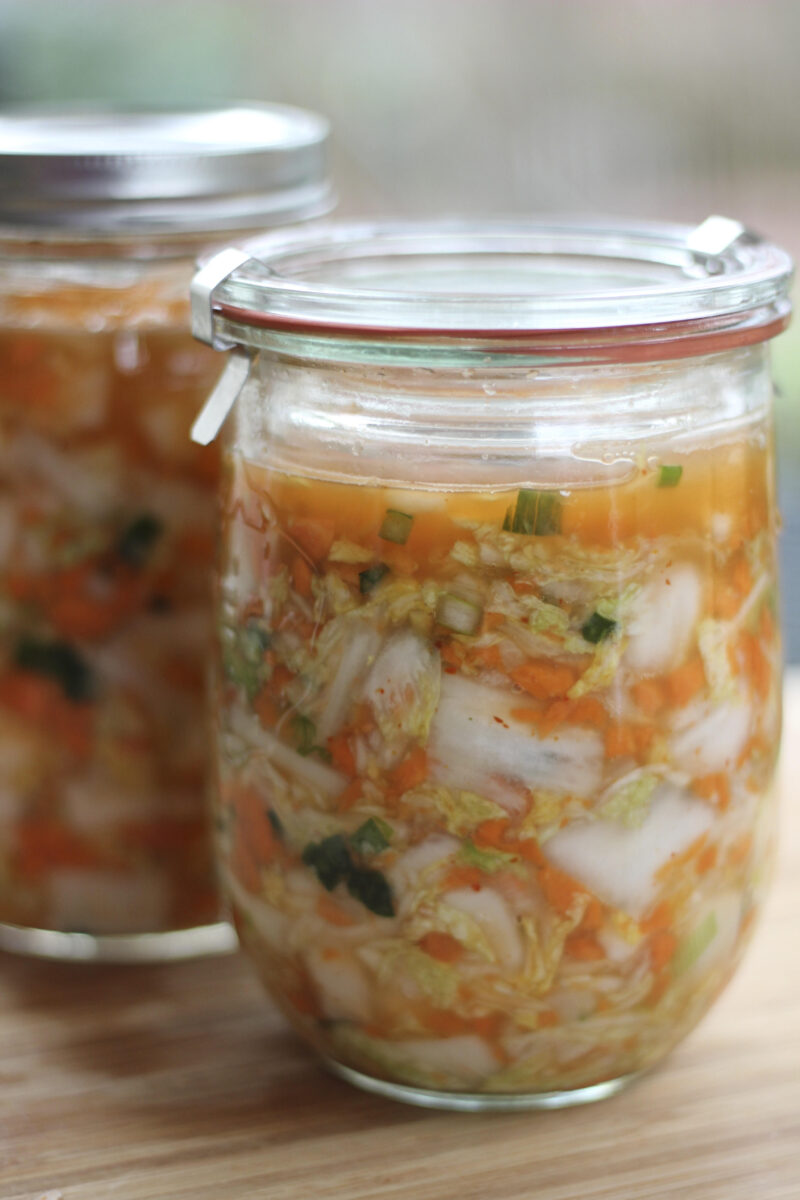
This is where probiotic-rich foods stop being “generally healthy” and start getting weirdly specific.
For years, probiotics have mostly been talked about in broad terms: good for the gut, good for digestion, good for immune health.
But when it comes to microplastics, researchers are zooming way in. They’re not asking whether yogurt or kimchi is “good for you” in a general sense. They’re asking whether certain individual strains of bacteria often associated with those foods can bind to microplastics, help move them out through the digestive tract, and reduce some of the inflammation they leave behind.
And so far, the answer appears to be: some of them might. A 2025 study screened 784 bacterial strains and found that two stood out – Lacticaseibacillus paracasei DT66 and Lactiplantibacillus plantarum DT88. In mice, those strains increased fecal microplastic excretion by 34%, reduced the amount left behind in the gut by 67%, and helped lower intestinal inflammation. (7)
Now, at first glance, it would be easy to assume that if one form of Lacticaseibacillus paracasei helps with microplastics, they all probably do. But even when bacteria come from the same general families, that doesn’t mean they all do the same work. A screwdriver and a wrench can sit in the same toolbox and still solve completely different problems.
However, the more researchers look for probiotics that show promise for microplastic removal, the more they seem to find. A newer 2026 study identified a kimchi-derived strain, Leuconostoc mesenteroides CBA3656, that showed strong nanoplastic-binding ability under simulated intestinal conditions and increased fecal nanoplastic excretion by more than twofold in mice. (8)
Now for the important caveat: that does not mean all kimchi, yogurt, kefir, or sauerkraut will automatically do the same thing.
Even if a particular strain is commonly associated with a certain fermented food, there can be a lot of variation from one culture or product to another, especially in wild ferments. Unless a strain is intentionally added or a food is tested, there’s no way to know for sure that it’s there.
That said, I still think fermented foods matter here.
Even when they’re not delivering one of these lab-tested strains, they can support our microbiome and help strengthen the gut barrier, which is one of the body’s first lines of defense.
And if future research continues in this direction, we may eventually see certain strains intentionally cultivated in foods or used in more targeted probiotic supplements.
Looking for a recipe to try this week? I recommend spicy kimchi or garlicky fermented radishes.
One way to think about fiber is as a bouncer. It helps escort some of the things your body would rather not keep around toward the exit.
That matters here because tiny plastic particles – and the compounds attached to them – are generally better off moving through the digestive tract than lingering in it. This is one reason gut transit time matters: when things move too slowly, the body has a higher chance of reabsorbing some of what it was trying to eliminate.
Fiber also helps on more than one level. Some forms of dietary fiber bind substances in the gut and carry them out through stool, which is one of the body’s main elimination routes. Fiber also supports regularity, nourishes beneficial gut microbes, and helps maintain the intestinal barrier – all of which are relevant here, since microplastic exposure has been linked to gut dysbiosis, increased intestinal permeability, and inflammation. (9)
So while we don’t have studies showing that everyday fiber-rich foods detox microplastics specifically, it does support several of the systems involved in moving unwanted material along and protecting the gut while that happens.
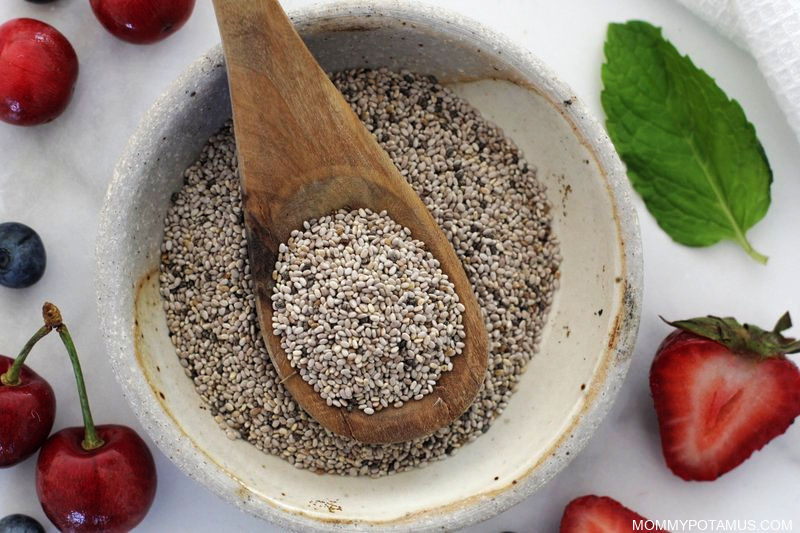
This is one reason foods like beans, lentils, oats, chia seeds, flaxseeds, chickpeas, and vegetables can be so helpful. They support regularity, healthy transit, and the everyday work of moving waste along efficiently.
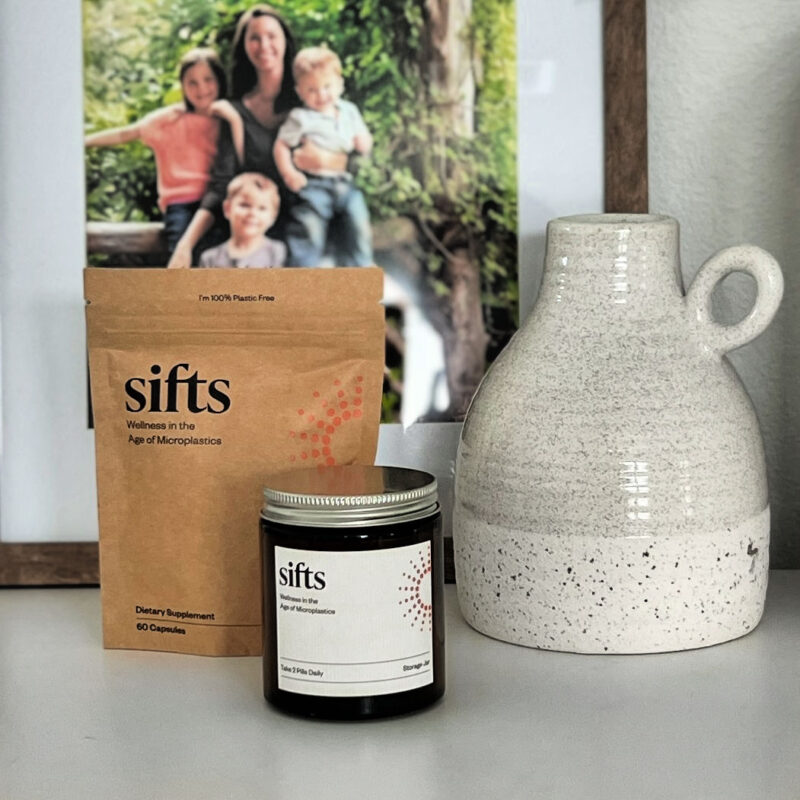
Since publishing this article, I heard from the founder of Sifts, a company that makes a daily supplement designed to support how the body handles microplastics during digestion.
I get emails from supplement companies that want me to recommend their products pretty much every single day, and 99.99% of the time, they’re not something I would personally use or recommend.
Here’s why I hit reply right away this time:
Sifts isn’t selling another harsh “detox” or “cleanse” product. Instead, they’ve created a daily supplement designed to support how the body handles and eliminates microplastics using ingredients with known mechanisms, ingredient-level research, and – in my case – some personal history.
For example, chitosan has probably been served at your dinner table before . . . just not as the main course. It’s derived from the shells of shrimp, lobster, and other crustaceans, and has a remarkable ability to bind certain compounds in the digestive tract so they can be carried out through stool.
I personally used chitosan as part of my gentle detox protocol after exposure to a water-damaged building, along with another one of Sifts’ core ingredients: apple pectin.
Apple pectin helps keep things moving along and also acts as a prebiotic, which basically means it feeds beneficial bacteria in the gut.
Slippery elm, which is used in my cough drop recipe, soothes the intestinal lining and may help limit particle adhesion.
Baobab, which I’ve also written about, brings antioxidant-rich polyphenols and prebiotic fiber to the mix — both of which may help support microbial diversity and buffer some of the oxidative stress associated with environmental plastic exposure.
You can see the studies that informed their formulation HERE.
I’m personally using Sifts right now because it makes sense to me as a practical, daily layer of support – not because I expect to “feel” microplastics leaving my body, but because the mechanism is aligned with what I already know and trust about gentle binders.
USE CODE MOMMYPOTAMUS TO SAVE
This is where the job shifts from getting things out to helping your body respond with more resilience.
Microplastics aren’t just inert little particles. Research suggests they can stir up oxidative stress and inflammation in a few different ways: by triggering immune responses, disrupting normal cellular energy production, carrying chemical hitchhikers like BPA and heavy metals, and putting pressure on the body’s own antioxidant defenses. (10)
That’s one reason antioxidant-rich foods matter here. In other words, this category is less about escorting unwanted stuff to the exit and more about helping the body deal with the wear and tear it may leave behind. (10)
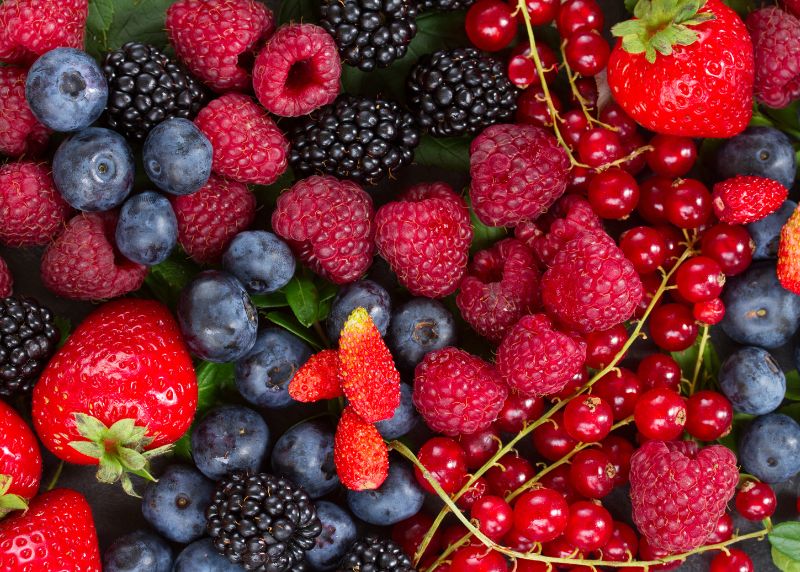
This is where berries, green tea, herbs, spices, and colorful produce really shine. They don’t appear to remove microplastics directly, but they may help buffer some of the downstream stress associated with exposure. Think of them as part of the cleanup crew: not the ones hauling out the trash bags, but the ones repairing scuffed floors and patching drywall afterward.
Blueberries, raspberries, and strawberries are rich in anthocyanins, while green tea is known for polyphenols like EGCG.
Cruciferous vegetables deserve special mention here, because they’re doing more than one job. Vegetables like broccoli, kale, Brussels sprouts, and cabbage contain compounds such as sulforaphane, which has been widely studied for its ability to support antioxidant defenses and reduce oxidative stress and inflammation through pathways such as Nrf2 activation. (11)
Garlic and onions deserve a mention here too. Their organosulfur compounds have also been studied for antioxidant and anti-inflammatory effects. (12)
Bottom line: antioxidant-rich foods are less about detoxing microplastics and more about supporting cellular resilience while the body deals with an exposure we can reduce, but not avoid completely.
If you were hoping for a simple list of foods that “remove microplastics,” I get it. I was hoping for that too.
As research continues, maybe we’ll discover more probiotic strains – and possibly even some whole foods – that support microplastic detox more directly. But for now, my takeaway is this: the foundational choices many of us are already trying to make – prioritizing fermented foods, dietary fiber, and antioxidant-rich foods – are likely to be some of the most practical ways to help the body limit absorption, support elimination, and stay more resilient.
In other words, the habits that take effort are often doing more good than we can see.
It also means paying attention to the front end when we can – filtering tap water, using reusable glass or stainless steel instead of a plastic water bottle, switching to glass or stainless steel food containers, filtering indoor air, and reducing exposure from common sources of microplastics where it feels realistic to do so. (You can find more ideas here.)
I’m still working through that process too. Right now I’m researching PFAS-free toilet paper and non-toxic bathing suits because those are two swaps I still haven’t fully made. I’ve tried “better” brands before, but I hadn’t taken the time to really dig into the details until now. It’s a lot. I share what I learn here in the hope that it makes the process a little easier for you too.
And with that in mind, I’m always open to article ideas and research suggestions. If there’s a topic you’d like me to look into next, feel free to leave a comment below