
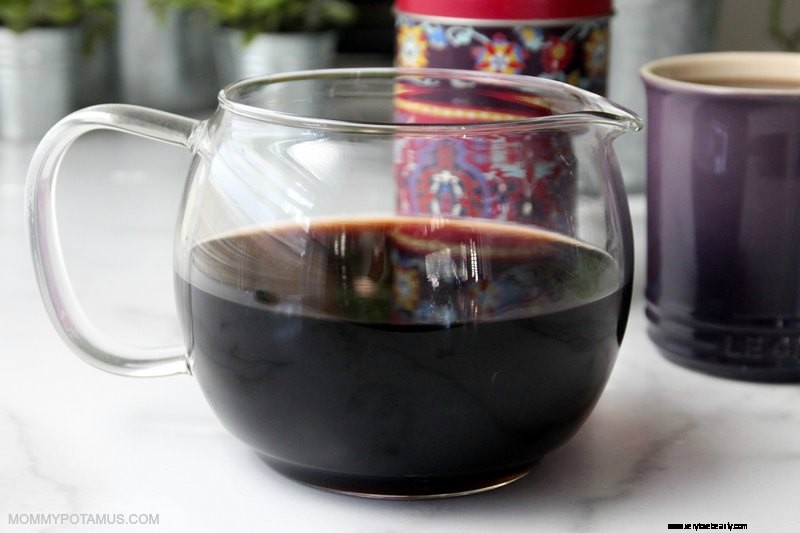
“For more than 1,000 years, herbalists have revered elder’s abilities, and mentions of the shrub are included in many important historical texts,” writes herbalist Rosalee De La Foret, adding that although it’s primarily used to support the body during cold and flu season there are other benefits, too. (1)
What benefits, you ask? Elderberries are rich in anthocyanins – which are responsible for giving the berries their dark purple color – along with other highly bioactive antioxidants that:
Although not technically a benefit, it also happens to be delicious when simmered with a cinnamon stick or a few slices of fresh ginger. You can also brew it with other immune supportive herbs such as echinacea. However, the process of making elderberry tea is a little different than most herbal teas, and you’ll want to use a two-step process if you incorporate echinacea.
Here’s why: As I cover in this post on different types of herbal preparations, roots, bark, dried berries and woody plant parts need a little coaxing to release their therapeutic compounds. They need to simmer in water for 20-60 minutes (depending on the herb and what you’re trying to achieve), but that’s way too long for delicate flowers like echinacea.
For that reason, I suggest simmering the elderberry tea first and then adding the echinacea near the end.
Elderberry is often taken daily (or nearly so) during cold and flu season to support healthy immune function.
I often make a big batch at breakfast for my family to sip on throughout the day. I keep it in a pitcher on the counter and they pour themselves a glass whenever they’re thirsty.