

It’s no secret that I believe in fairy tales, but they’re mostly of the modern day sort. Occasionally, though, I come across a recipe or ingredient that seems like it was pulled directly from one of Grimm’s stories. That’s totally how I feel about keeping unicorn root in the cupboard, and this fire cider recipe in the fridge.
Though not imparted with any actual mystical powers, fire cider truly is magical in its own right. Like elderberry syrup, this tonic is revered by herbalists for its ability to support the immune system during cold and flu season, allergy season, or any time the immune system needs support.
It’s a spicy, delicious tonic that’s made by infusing apple cider vinegar with powerful immune-supporting, lymph moving, circulation stimulating, antioxidant-rich and digestion enhancing fresh herbs. It was developed by renowned herbalist Rosemary Gladstar, author of Herbal Recipes For Vibrant Health and many other herbal books.
As she traveled and taught throughout the world, she shared her recipe and encouraged others to adapt it to their preferences. My fire cider recipe is adapted with deep gratitude, because it is truly delicious and so very potent.
Although you’ll often hear it referred to as an infused vinegar, it’s actually an oxymel if you add honey to it. As explained in 16 different ways to make herbal remedies, oxymels are simply herbal vinegars that have been mixed with honey.
With fire cider, this yields a spicy, sweet and tangy tonic that truly lives up to its name. I make a batch every fall to support immune function, stimulate digestion and warm up on cold winter days. Some people also use it in the spring, when seasonal allergies tend to pop up, to help sinuses stay clear.
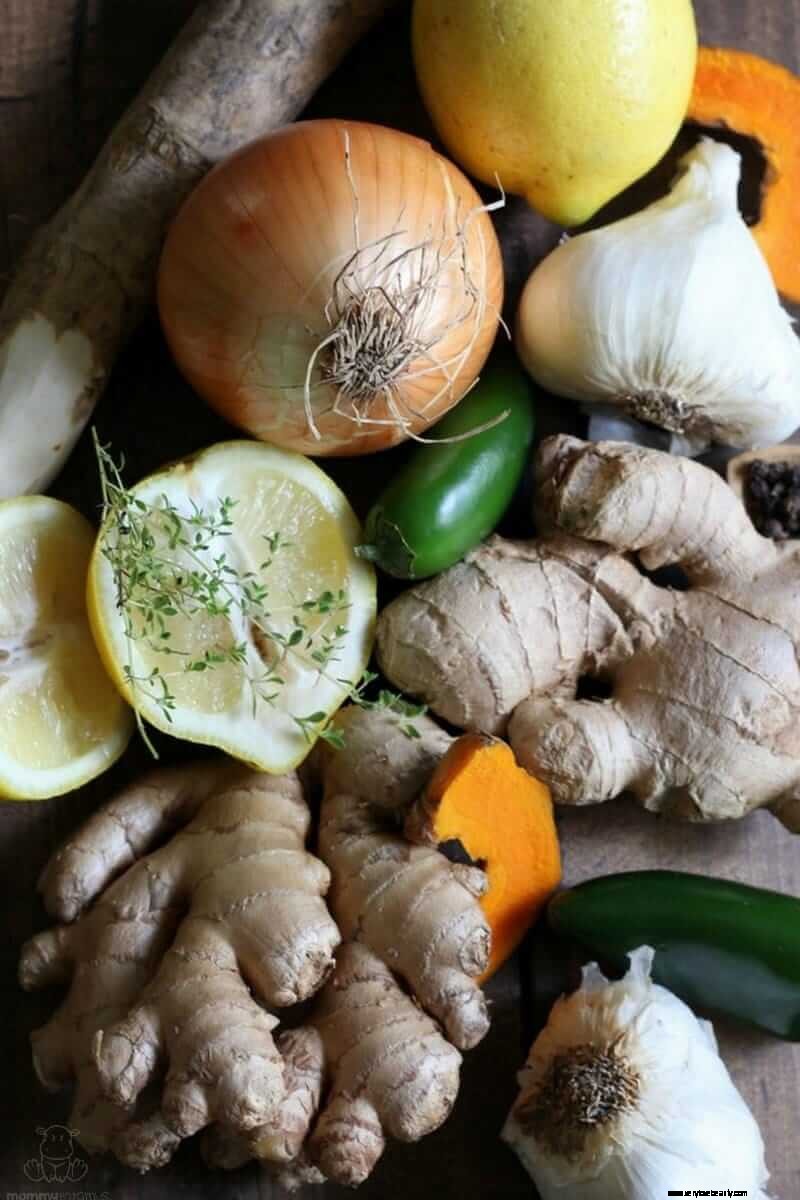
Vinegar infusions like fire cider are especially good at getting herbs to release their minerals and beneficial compounds. Let’s take a look at what you’ll be using to make your batch:
Once rare and expensive but now widely available, ginger root has been used in Chinese medicine for thousands of years. As a cold and flu remedy, it’s traditionally used to ease nausea and/or soothe a sore throat. (1)
Rich in folate and a compound called sinigrin, studies have found that horseradish helps the body break up congestion and calms inflammation. (2) (3)
Curcumin, the main compound in turmeric, has been shown to exhibit “antioxidant, anti-inflammatory, antiviral, antibacterial, antifungal” and other properties according to this study.
Loaded with antioxidants like vitamin C and quercetin plus minerals like potassium and sulfur, onions are amazing for supporting digestive health and immune function.
According to this study:
In other words, modern research is beginning to validate garlic’s use as a folk remedy for immune support. Specifically, the study found that garlic supported balanced immune and inflammatory processes
Hot peppers such as jalapeno (or habanero if you’re feeling brave) are rich in capsaicin, which assists the body in managing inflammation.
Lemons are rich in vitamin C, which supports immune function. This recipe also incorporates the rind, which draws out a compound called limonene that has mood lifting, digestion supporting, and immune system benefits.
If you don’t have access to organic lemons, I suggest leaving the rind out because conventional lemon may have absorbed pesticide residue that can’t be washed off.
Rich in antioxidants such as piperine, black pepper increases the absorption of other nutrients and help the body manage inflammation. They may also play a role in brain health. (4)
Both of these herbs have long been used in folk remedies to support healthy respiratory and immune function.
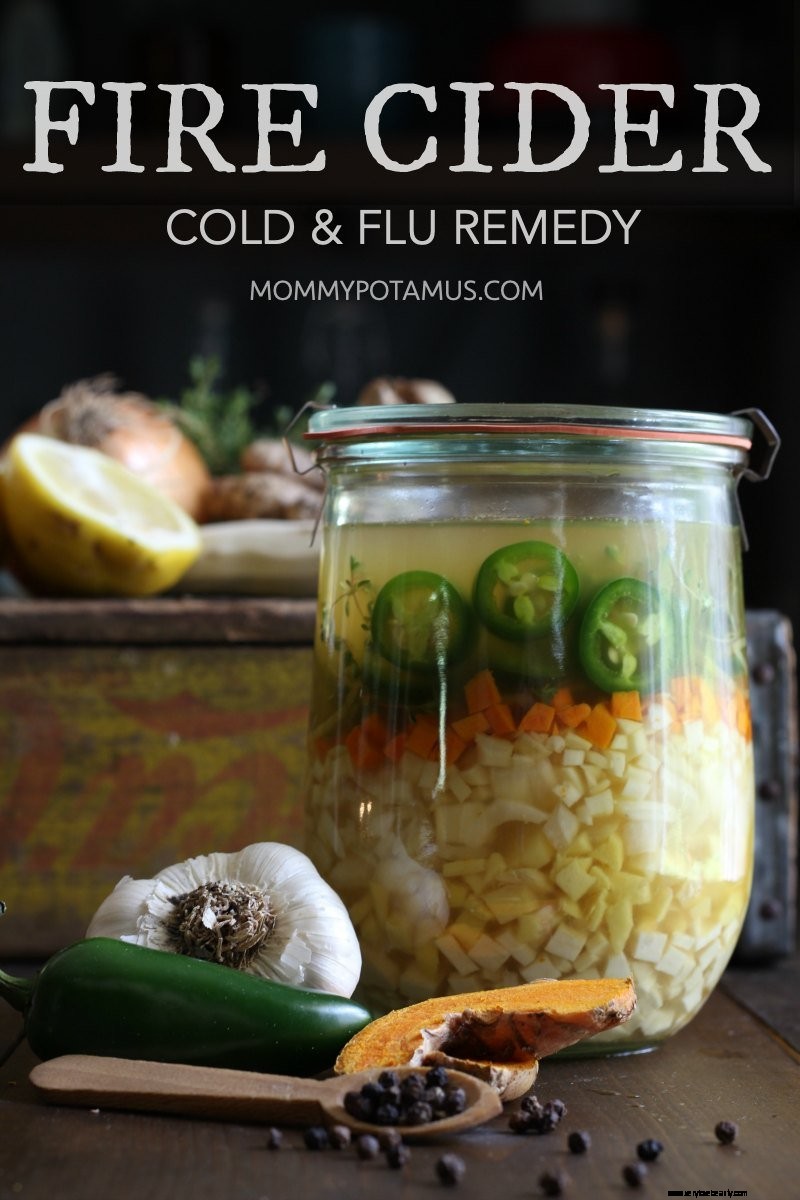
We’ll dive into the exact recipe in just a bit, but here’s the basic process:
Because it takes about a month to mature, I recommend starting your batch now so you’ll be ready for fall. I actually have two going – one for the family and one for myself, because I love all things horse-radishy, and I’m not always great at sharing.
Many people take 1-2 tablespoons throughout the fall/winter months to support immune function, or every three to four hours if cold and flu symptoms are present. Although my kids don’t generally gravitate toward spicy foods, they really love this stuff!
Here are some more ways to use it:
Note: When your fire cider is ready and you’ve strained out the herbs, you can make good use of them by mixing them with some veggies for stir fry. Yum!