
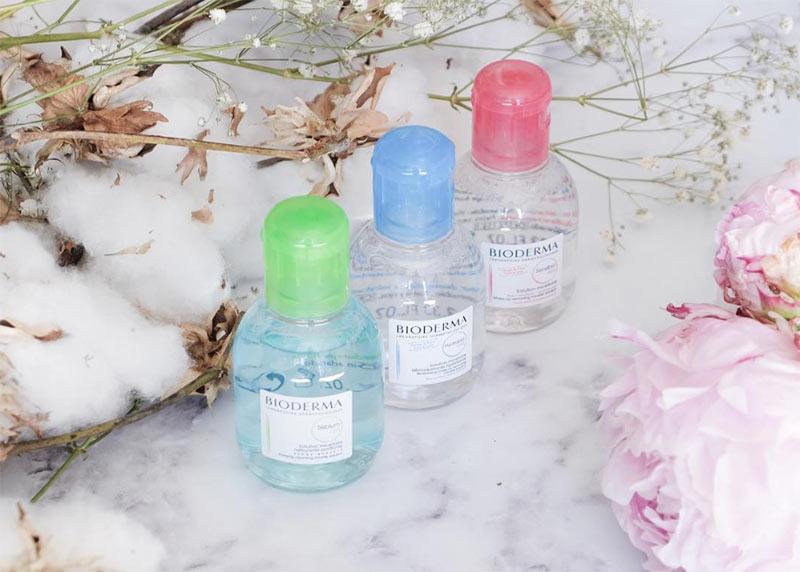
Cleansing micellar water is so simple and easy to use that there absolutely has to be a catch. Can something so good truly exist? Well, pay attention, because there is no catch – micellar cleansing water can do it all: it removes makeup with a swipe of a cotton pad, and can even tone and hydrate the skin – no rinsing required!
I explain what micellar water is in this article, and exactly how it works. I list all of the benefits that come with micellar cleansing water, and I also talk about one particular drawback that I think you should keep in mind. In addition, I even give advice as to how to use micellar water properly, so you can get your skin perfectly clean without any trouble.
Before we start, don’t let brands and articles fool you into thinking that micellar water has some ridiculously innovative, high-tech formula. I love micellar cleansing water as much as the next beauty junkie, but as far as products go, micellar water is actually pretty simple.
Micellar water is a liquid that contains a collection of surfactants – that’s right, the same surfactants you might see in a face wash, shampoo, or even dish soap.
Surfactants are compounds that reduce the surface tension of two liquids that wouldn’t normally mix, in order to allow them to mix. In the case of micellar water, surfactants allow oil and water to mix, so that the water formula of the micellar water can grab the oils and impurities from the skin, leaving it clean.
They do so because one end of the surfactant molecule is water-loving, and the other is oil-loving. Water sticks to one side, while oil sticks to the other.
The word “micelle” refers to clusters of surfactants. As long as they’re just floating inside the micellar water, the surfactant molecules end up sticking to each other in a ball where the oil-loving part of the surfactant inside, with the water-loving tales on the outside.
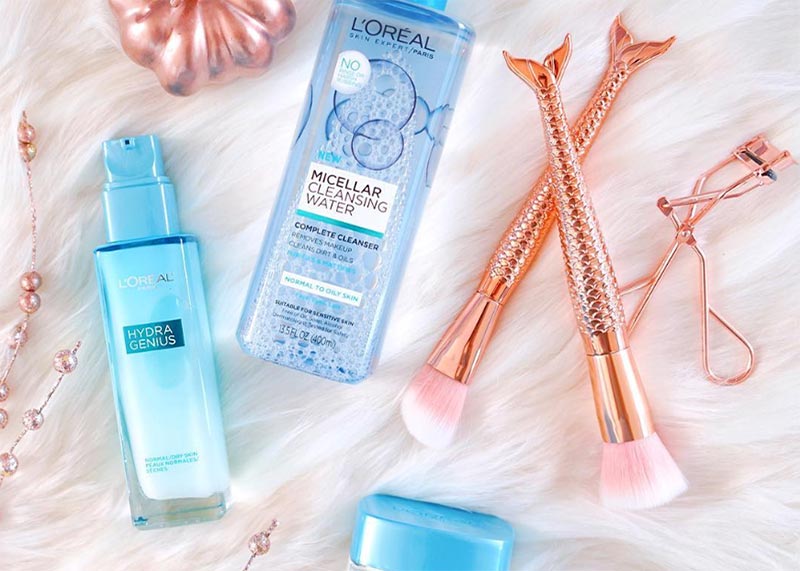
That surfactant ball is a micelle, and it is actually destroyed once the micellar water is poured onto a cotton pad for cleansing. Once micellar water is poured on a cotton pad, the water-loving end of the surfactant sticks to the cotton, while the oil-loving end is on the outside, ready to grab excess oils, makeup, and impurities off of the skin.
Unlike the surfactants used in other cleansers, the surfactants used in micellar water are super gentle, so if a few of them are left on the skin after the cleansing it’s no big deal – they are extremely unlikely to irritate the skin.
There aren’t many drawbacks to using micellar cleansing water, but there is one that I feel is very important to mention: since micellar water has to be used with a cotton pad, it’s not great for the environment, and it does cause a lot of waste.
This is why I keep micellar water in my arsenal, but I only use it on days when I’m too tired (or let’s be honest, too drunk) to wash my face properly with a cleanser and a microfiber cloth. The rest of the time I don’t think the amount of waste created is justified.
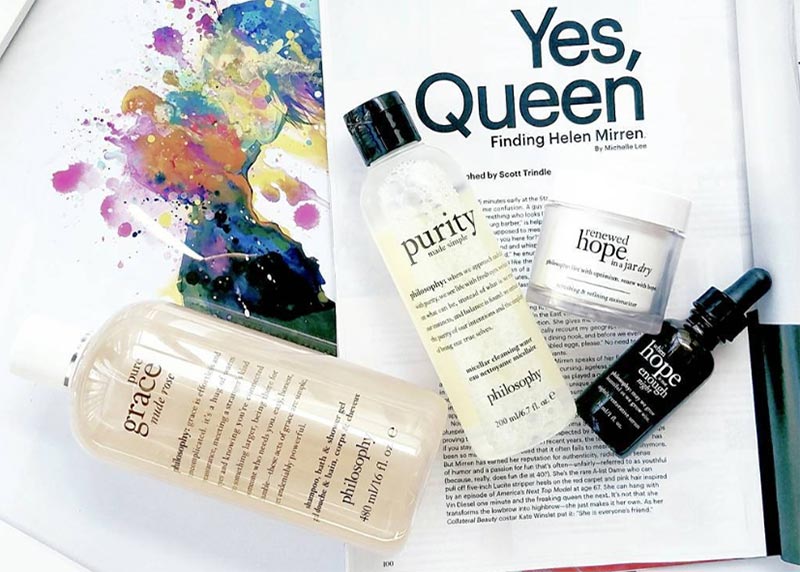
Micellar water is a skin-cleansing product first and foremost, and it contains surfactants in order to do that job perfectly. While toners may look and feel similar to micellar water, they’re not a cleansing product at all.
Toners are supposed to stay on the skin in order to balance the skin’s pH, tighten the pores, increase hydration, and improve the penetration of other products into the skin after the toner has been used.
Toners do not contain surfactants or other cleansing agents, and any cleaning they do is incidental to the fact that they’re a liquid that’s applied with a cotton pad. Any damp cotton pad would remove some debris from the skin, but not nearly as much micellar cleansing water, since they also contain specific cleansing agents.
Some micellar water can also double as a toner, since it can be made with many similar ingredients. Micellar water can be made to tone and tighten the skin with ingredients like witch hazel, or it can be formulated like a hydrating toner with the help of hydrating ingredients like glycerin.
It is up to you whether you still want to use a toner after using micellar water, since toner is not necessarily a mandatory skin care step.
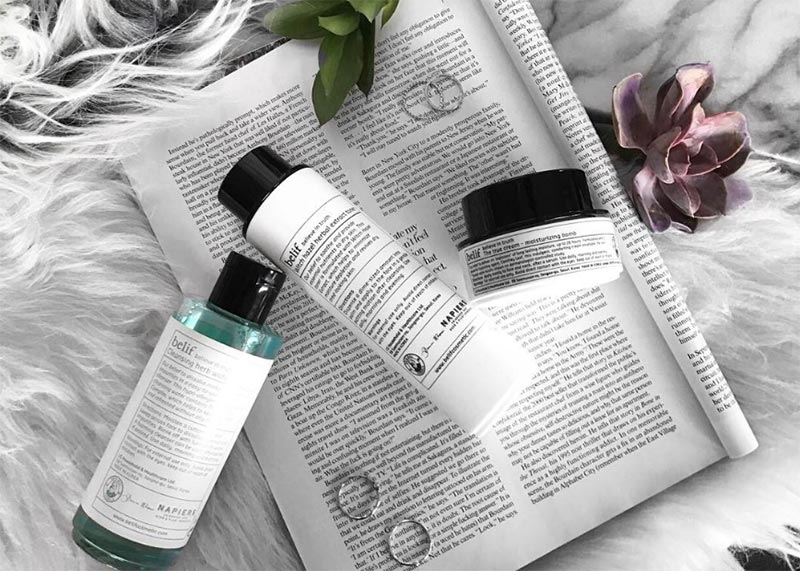
Micellar water is super easy to use – that is why it is so popular, after all!
All you need to do is soak a cotton pad in some of your micellar cleansing water of choice.
Using upward motions, wipe your face with the cotton pad. Don’t stop until you’ve used it over your whole face! Don’t forget to get close up to the hairline and below the jawline.
If you’re wearing heavy makeup, you might need to use a second cotton pad about half way through your cleansing process.
To cleanse the area around the eyes, begin by first gently pressing the cotton pad against your closed eye, in order to allow the micellar cleansing water to break down your mascara, eyeliner, and eyeshadow. After a few moments drag the cotton pad gently downwards and outwards. If necessary, repeat this process to fully remove all eye makeup.
If you have sensitive skin, rinse your face with some water once you’re done cleansing, to remove traces of the micellar water.
Finish off your skincare. You may choose to cleanse your skin again with a gentle foaming cleanser, or to wipe your face with a cotton pad soaked in toner. You can also skip those steps and jump straight into using your moisturizer, or any other leave-on skin care products that you normally use.
Micellar water can also help with makeup touch-ups! Soak a cotton swab in micellar water and use it to correct any mistakes you may have made with your eyeliner, lip line, or any other spot that requires very exact cleaning and correcting.
Photos via @orchidsandpeonies, Instagram