
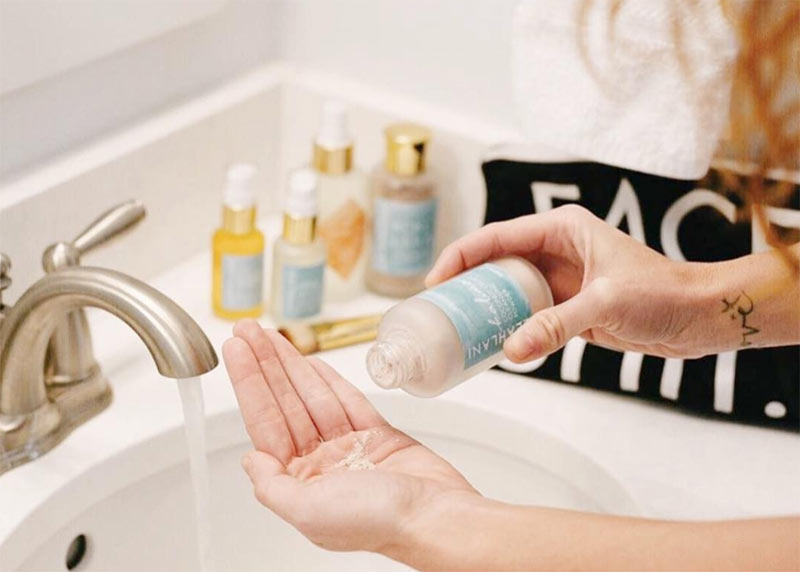
I feel like dry scrubs turn my bi-weekly exfoliation habit into an adventure in which I get to become my own chemist, while powder cleansers are great for frequent travelers that don’t want to get bogged down with liquids. If you’re considering switching over to #teampowder, then I’m here to help! I’ll make sure you fully understand what dry scrubs and powder cleansers are, how they work, their pros and cons, and what the best way to use them is. I’ve peppered the whole article with quite a few tips, so that you can get dry scrubbing.
Powder cleansers and powder exfoliants are the next great thing in the skin care world. They come in a form of a powder, and are meant to be mixed with a liquid right before they are applied to the skin in order to either cleanser it, exfoliate it, or both.
I’ll start by explaining facial cleansing powder, which is the more complex powder product. Powder face wash is basically a cleanser in powder form. Once blended with water, it forms into a paste that can be used to cleanse the skin and remove makeup, sunscreen, sweat, dirt, oils, and other debris.
Cleansing powders are usually made with a dry cleansing agent like sodium cocoyl glutamate or sodium lauroyl glutamate, along with other powders that hold some benefit to the skin. Traditional cleansers normally already have water in them, so in a way cleansing powders are like concentrated cleansers.
Next there are dry scrubs. These are abrasive powders that are normally made of some sort of finely milled ingredient, like rice, clay, or dry beans. Dry scrubs can be combined with water as well as other things like oils or cleansers. As the dry scrub is rubbed against the skin, it removes build-up of dead skin cells and polishes the skin so it feels smoother and softer.
A lot of facial cleansing powders also contain an abrasive element so they end up being both cleansing powders and powder exfoliants. In that case it is usually best to only blend them with water.
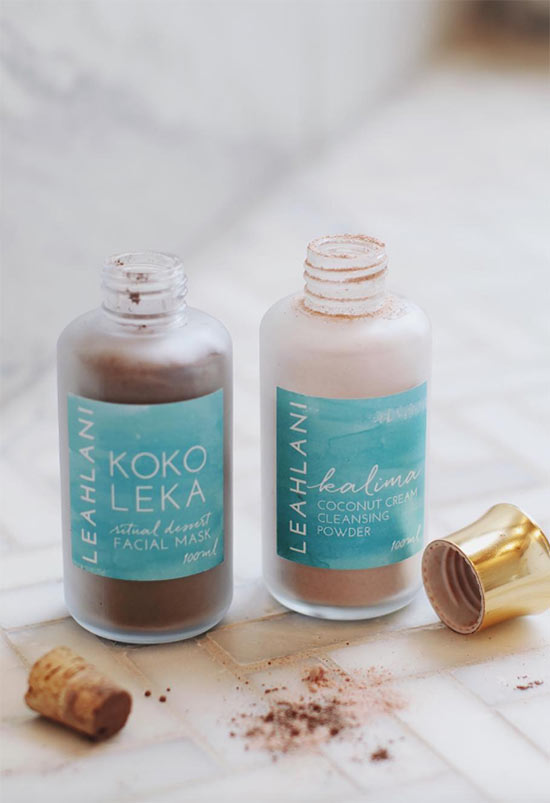
While a traditional face scrub is some sort of abrasive powder dispersed in a gel formula, dry scrubs are just the abrasive powder. The idea is that the user can take the dry scrub and mix it with the medium of their choice: water, cleanser, oil, or anything else they might have in mind. Then they can apply the dry scrub to their skin, and get a perfect exfoliation.
Dry scrubs tend to have a finer texture that is more gentle on the skin, so they are a better choice for those with sensitive skin. This kind of texture is harder to achieve with traditional face scrubs, since in order for the abrasive pieces to be so small and still exfoliate properly the ratio of liquid/ cream to abrasive has to be about equal. This makes for a product that would be very hard to squeeze out of a tube, while in a jar it would dry up very quickly.
To cleanse with your dry scrub or powder cleanser, you should combine it with any of the liquids mentioned below.
Water is the simplest choice, since it is easy to find just about anywhere, and it won’t cause issues with anyone’s skin. When it comes to powder face wash, water is usually the only liquid that will create a lather and turn your powder cleanser into a proper paste. With dry scrubs there is more leeway, but water is always a fine choice.
Your toner could also work as a mixer for your powder face wash or dry scrub. Since toners are as liquid-y as water, they will give you a paste with a similar texture, but they will also provide your skin with their own unique benefits. This can be a great way of cutting out the toning step from your routine, and still enjoying the balancing, hydrating and skin-tightening effect of your toner.
There isn’t a lot of sense in combining your cleanser with a cleansing powder, but it’s a great mixer for your dry exfoliant! This is another great way of cutting steps out of your skin care routine, and still getting the full benefits of your products.
Feel free to do this if all you’re getting rid of is some light debris and excess oil, but I generally recommend not jumping straight to exfoliation if you have been wearing a full face of makeup or if your skin has gotten seriously dirty.
If your skin is on the dry or dehydrated side, then oil is a great medium for using your dry scrub. Adding oil will make your exfoliation process more nourishing to the skin, as botanical oils contain a host of skin-healing and replenishing ingredients. It will give your skin the softest texture possible.
You can try any skin care oil, including coconut oil for dry and sensitive skin, rosehip oil for hyperpigmentation, or grape seed oil if your skin is acne-prone.
Adding honey to your dry exfoliant is a great way of getting a dose of moisture with your exfoliation. Honey has the ability to pull moisture into the skin, and it also presents some skin-healing and antibacterial properties, so it can work for any skin type.
By mixing it with your dry scrub and leaving it on the skin for a few moments you can give your skin a fortifying skin treatment. This is especially wonderful to do in the bath or shower when the air is super saturated with water.
Whether it’s really worth ditching your traditional cleansers and investing in the powder options depends on the pros and cons of these products, which we discuss below.
This information applies to both exfoliating powder cleansers and non-exfoliating ones. If your powder cleansers of choice are non-exfoliating, you can use them every day. If they do have an exfoliating effect, only use them 2-4 times a week.
Begin by dampening your face. If you are wearing heavy makeup, you might want to use an oil or a makeup remover to remove it first.
Pour out a small amount of the cleansing face wash you chose into your palm. You will need about ½ a teaspoon worth of product.
In your palm add a few drops of water to your powder cleanser. Rub your hands together so that the cleanser can dissolve into a thick paste in the water. The paste may foam up slightly.
If you feel like the paste is too thick, add a few more drops of water until it reaches a consistency you like.
Using circular, upward motions gently massage the cleanser into your skin, allowing it to dissolve impurities. Some brands may recommend massaging up to a minute, although that can be irritating to the skin. 10-15 seconds is more than enough for most people.
Once all debris has been broken down, rinse your face with cool or lukewarm water. If you feel like that’s not enough, you can use a damp face cloth to properly remove the rest of the cleanser.
Since powder facial cleansers tend to be somewhat alkaline, apply a pH-adjusting toner to your skin with a cotton pad.
Finish the rest of your skincare routine, with your favorites essence, serum, or moisturizer. If it is daytime, make sure to also apply some sunscreen.
Since dry scrubs can feel so gentle on the skin, people forget that they are still thorough exfoliants. It is better to use them, following these instructions, every other day at the most. Exfoliating the skin every day can seriously irritate it.
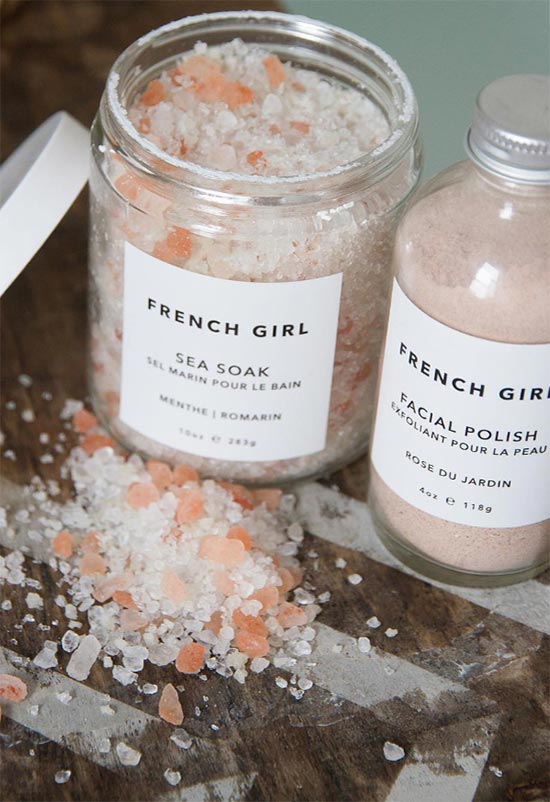
Photos via @leahlaniskincare, Instagram