
Rose water has been a part of beauty routines for centuries. Originally from Iran, the rosa damascena, or “dusk rose” as it is popularly known, has been cultivated for its essential oils since the 7 century A.D. Created by combining dusk rose essential oil with water, rose water is a solution that can be misted or poured. Due to its medicinal capabilities and its significance in their religious beliefs, Iranians have a strong connection to this plant. These roses are symbols of love, purity, faith, and beauty, leading to their popularity worldwide.
With its pleasant scent and antioxidant properties, rose water has more recently gained popularity in skincare. Studies have shown that the extracts in rose water may have anti-inflammatory capabilities and can help prevent aging. And while many scalp concerns can be traced back to irritation and inflammation, skincare enthusiasts have experimented with rose water on their scalp and hair.
Meet the Expert
To find out if rose water is what’s missing from our regimen, we turned to BosleyMD Certified Trichologist Gretchen Friese, board-certified dermatologist Shari Sperling and cosmetic chemist Ginger King for their takes on using rose water for hair and scalp health.
Rose Water
Type of Ingredient: Astringent and antioxidant for the scalp
Main benefits: Reduces oiliness, prevents dandruff, and smoothes frizz
Who should use it: In general, anyone concerned with oil production on the scalp. Those with curly or dry hair may benefit from its moisturizing properties. Rose water is not recommended for anyone with an allergy to roses or other flowers as it may cause irritation.
How often can you use it: Rose water can be applied to the hair and scalp 2-3 times per week as a mist or rinse.
Works well with: Witch hazel can be used in conjunction with rose water to reduce inflammation in the scalp. Both should be used in moderation to avoid overuse and a doctor should be consulted before beginning use.
Don’t use with: There are no known ingredients that negatively interfere with rose water.
Applying rose water topically can have many benefits for the hair and scalp. A mild astringent, rose water can prevent excess oil production on the scalp. And an oily scalp environment can (counterintuitively) lead to dandruff and other hair issues caused by an unbalanced scalp. Further, rose water contains vitamins A, B3, C, and E, and has been shown to prevent inflammation. Sperling notes that rose water's anti-inflammatory properties can even help with conditions such as eczema and psoriasis of the scalp. If not for the medical benefits, many people use rose water on the skin and hair simply for its pleasant, fresh-cut rose aroma.
Our experts agree that rose water is appropriate for all hair types and textures, including natural and color-treated hair. Oil production on the scalp can vary across hair types and textures, and almost anyone can benefit from managing the oiliness of their scalp. Additionally, the moisturizing effect of rose water makes it a great choice for those with dry or curly hair, as it's not as drying as other astringents. Finally, irritation and inflammation of the scalp caused by eczema, psoriasis, or other conditions can happen to anyone. Rose water's anti-inflammatory properties can work to reduce the pain and itchiness associated with these conditions, while restoring balance to the scalp environment.
Those with sensitive skin or previous reactions to essential oils should proceed with caution. Friese noted that there is a potential for allergic reactions when using rose water. She explained that "Rose water is safe for most people to use. However, if you’re allergic to roses (or possibly flowers in general) I wouldn’t recommend using it. Speaking with an allergist may help you determine whether rose water is a good choice for you." Sperling echoed these concerns and stressed that a known allergy to roses would result in an allergic reaction, preventing the user from seeing any benefits from using rose water.
Rose water can be applied directly to the hair and scalp to obtain its many benefits. Both experts recommend applying rose water to both the hair and scalp in order to see results. And while there are many rose water products available for purchase that can be used on the skin and hair, you can also easily make your own rose water at home by steeping organic rose petals in boiled, distilled water to capture their oil and essences. It's important to note that Friese does not recommend using rose water more than two-to-three times per week, as "excessive use can cause an imbalance to the PH of the scalp, making any benefits counterproductive."
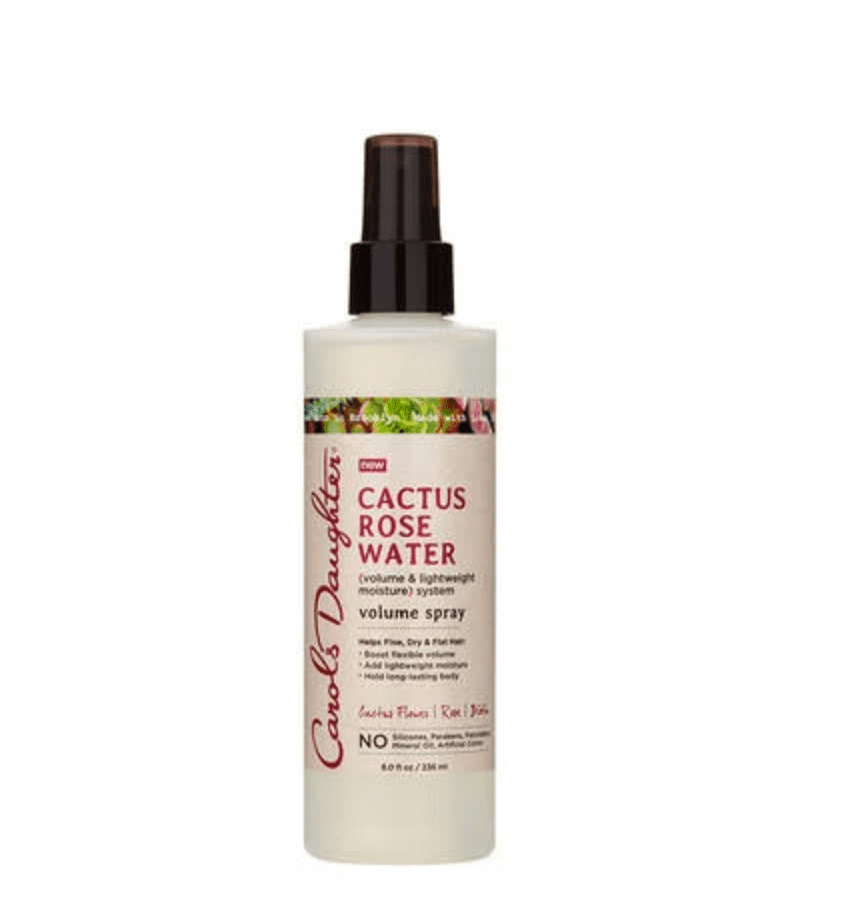 Carol's Daughter
Cactus Rose Water
$12
$6
Shop
Carol's Daughter
Cactus Rose Water
$12
$6
Shop
A spritz of this gentle product offers both volume and hydration, imparting lift to fine, flat strands. The blend of cactus and rose water also smells pretty great, too.
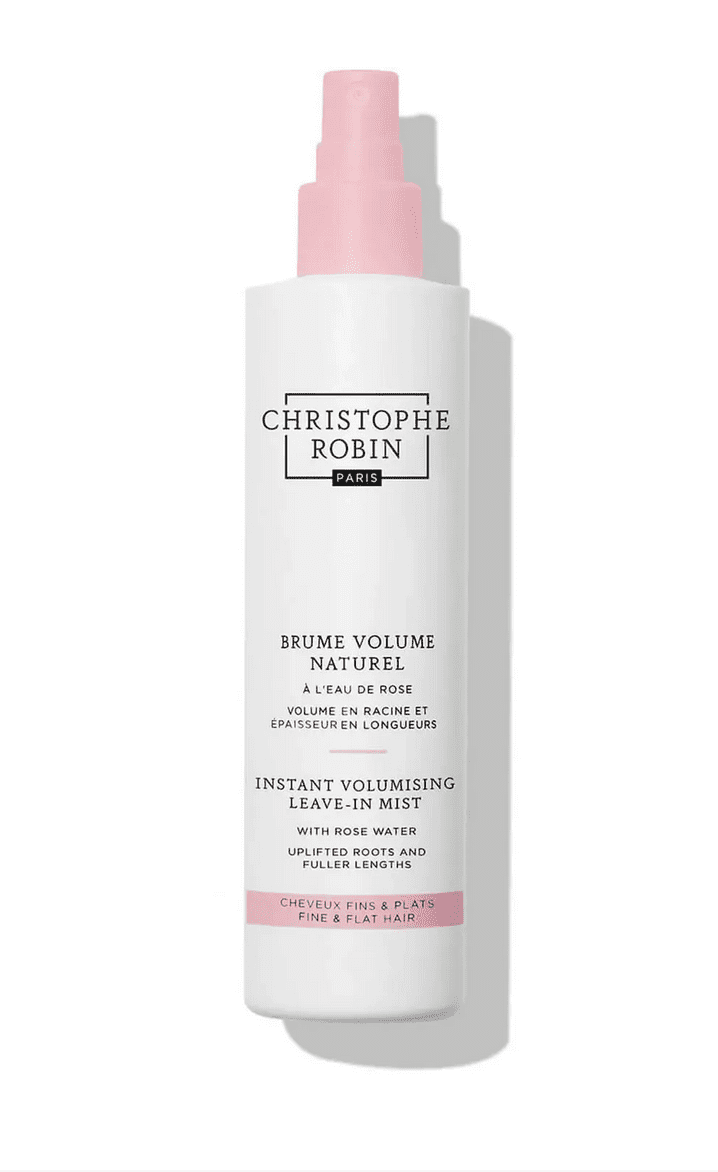 Christophe Robin
Instant Volumizing Leave-in Mist with Rose Water
$39
Shop
Christophe Robin
Instant Volumizing Leave-in Mist with Rose Water
$39
Shop
A lightweight mist that adds volume without weighing hair down. It also leaves a subtle aroma that works on day-after hair.
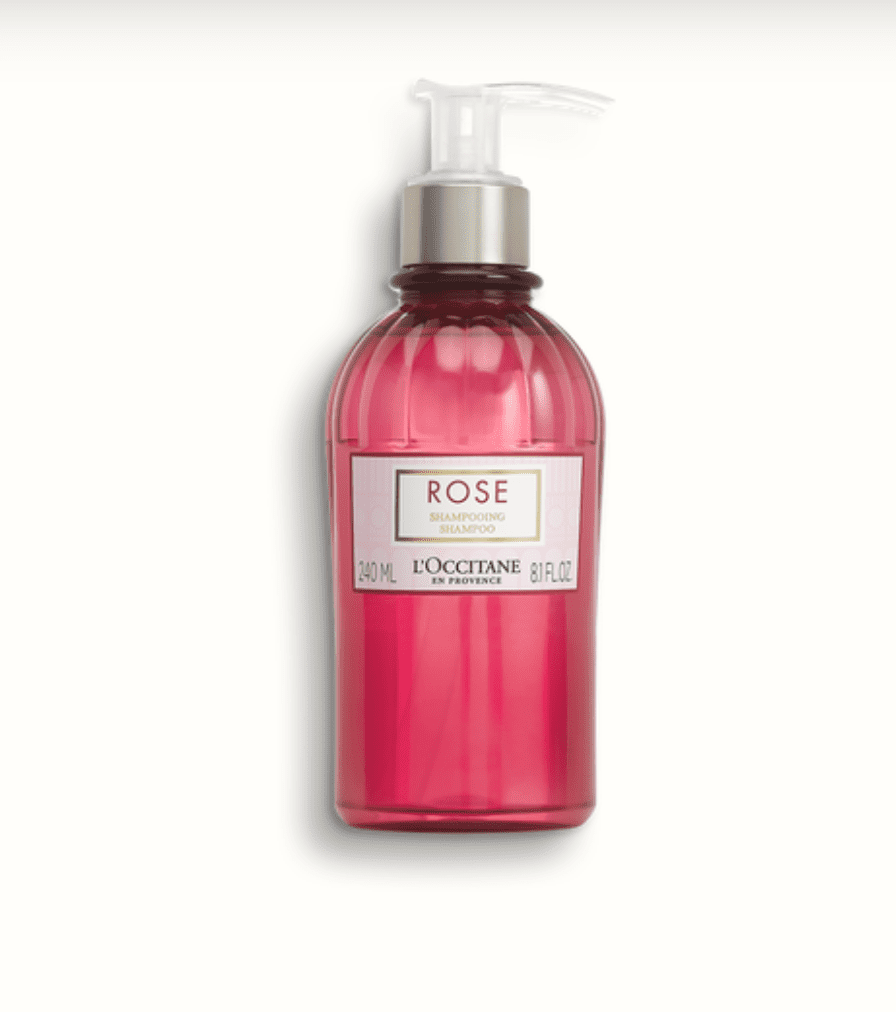 L'Occitane
Rose Shampoo
$20
Shop
L'Occitane
Rose Shampoo
$20
Shop
This silicone-free shampoo gently cleanses and leaves strands feeling silky smooth. THe scent is feminine with fruity notes and made with rose centifolia floral water from Provence.
:max_bytes(150000):strip_icc()/MeowMeowTweetRoseGeraniumShampooPowder-494e29945935475f82d37e6d9d98dc15.jpeg) Meow Meow Tweet
Rose Geranium Shampoo Powder
$24
Shop
Meow Meow Tweet
Rose Geranium Shampoo Powder
$24
Shop
Don't let the powdery texture fool you — when activated, this product is similar to a lotion-based shampoo. It's also completely plant-based, and clarifies deeply.
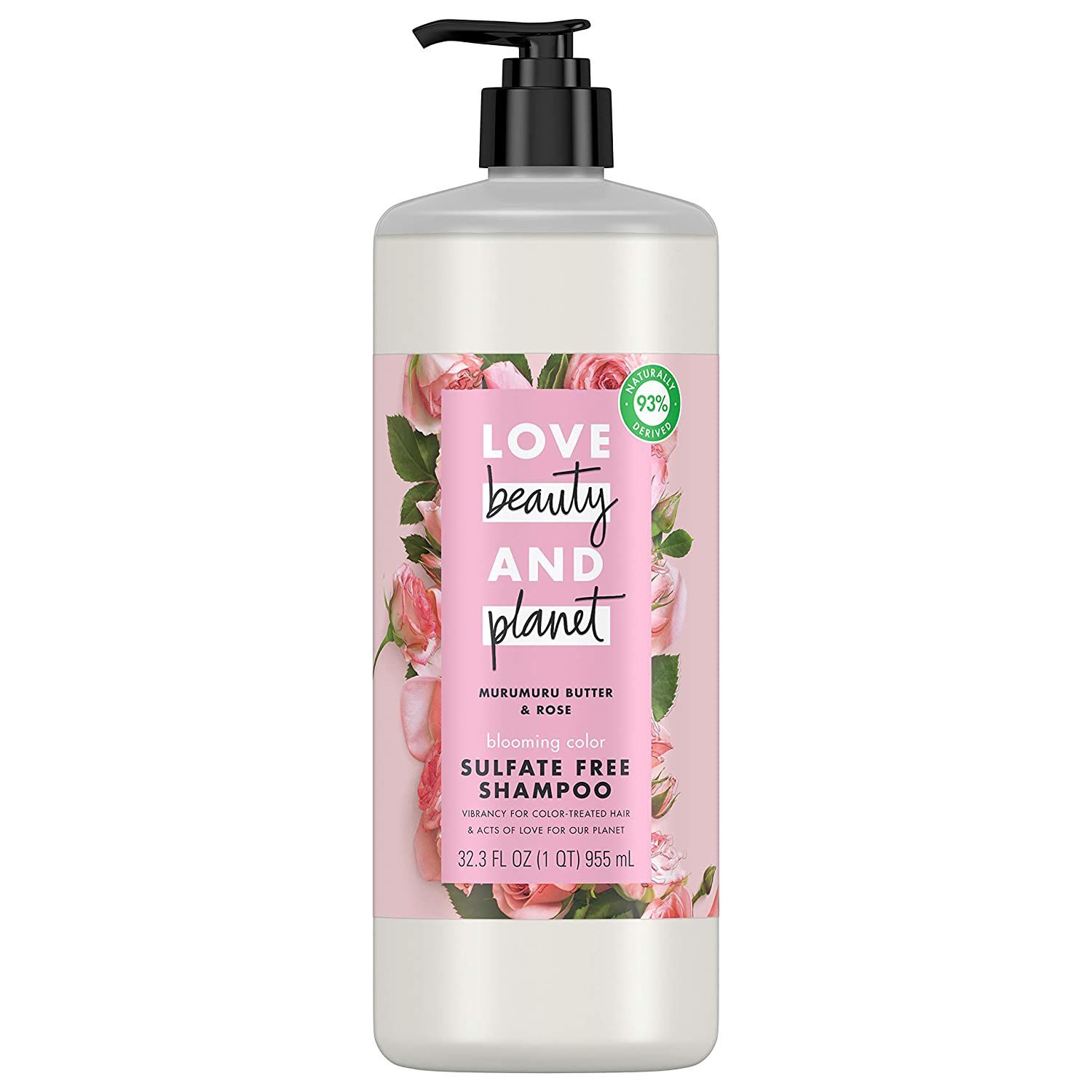 Love Beauty & Planet
Murumuru Butter & Rose Blooming Color Shampoo
$7
Shop
Love Beauty & Planet
Murumuru Butter & Rose Blooming Color Shampoo
$7
Shop
Vegan and formulated to be safe for color-treated hair, this gentle shampoo is ideal for everyday use.
Thansk to being super gentle, rose water has not been shown to have adverse effects on any hair types.
Rose water has mild astringent properties, making it a great choice for oily hair types.
Rose water is gentle enough for everyday use.