
8분 읽기
Throughout my undergrad years, I would often tuck myself in at night and dream of my daily morning blueberry bagel with cream cheese and a mocha latte. (Hey, I needed something to motivate me for that 7:45 a.m. lecture.) Now, in young adulthood, I've realized that my bagel habit just wasn’t offering the fuel necessary for a typical workday. Not only did I find myself reaching for a snack at 10:30 a.m., but I dreaded the midday crash.
Thus, my quest for the perfect high-protein breakfast began—a meal that could give me the necessary energy for every meeting and deadline. I decided to try making a quick high-protein breakfast every single day for 30 days straight to not only solidify a healthier breakfast routine in my life, but to also see if all of the supposed benefits of packing more protein in first thing were actually true.
And while bagels are still a nice weekend treat, easy-to-make protein-packed breakfasts wildly transformed my day-to-day life and energy. 30일 동안 고단백 아침 식사 레시피를 섭취하면서 얻은 모든 이점은 다음과 같습니다.
While researching online the benefits of protein intake and figuring out the easiest way to execute a month of high-protein mornings, I landed on the Women's Health High-Protein Meal Prep Manual, which featured more than 20 recipes, with several options for breakfast, as well as lunch and dinner. 저는 이 자료가 시작하기에 좋은 곳이라고 생각했습니다.
No matter if you prefer animal or plant proteins, you will reap countless rewards if you have protein with every meal of the day and in your snacks, I learned through nutritionist Willow Jarosh, RDN, who is the nutrition whiz behind the plan. Within the manual, I also landed on the stat that women between the ages of 20 and 49 generally consume only 17 percent of their daily protein intake with breakfast, per a survey conducted by the USDA's Agriculture Research Service.
I knew I probably wasn't even hitting that number, and that I could do better than just 17 percent if I committed to a plan. Protein isn’t just important for building and maintaining muscle, it can also help boost metabolism, support your immune system, manage weight, and even increase energy levels. I was psyched to get started to reap these benefits ... and then some. So I signed up.
After quickly skimming the plan, I saw breakfast recipe names such as pumpkin spice protein pancakes, overnight carrot cake oats, and spinach and cottage cheese spoonbread muffins—which sounded delicious yet potentially time-consuming. (I’ll be the first to admit that getting out of bed can be tough for me, and I often find myself sprinting out the door to workout classes, breakfast dates, and early meetings.) So, I thrive on meal-prepping in the evenings to make my mornings smooth. But the recipes were actually super easy and took 30ish minutes, and all of them produced several breakfasts-worth of food.
As a certified quiche lover, the spinach and cottage cheese spoonbread muffin recipe in the manual piqued my interest (and, spoiler, it hit every time). I found it easiest to double the recipe, which yielded two full weeks of muffins. This also barely felt like tedious meal prep because it took 35 minutes, at most, to complete and didn’t require grilling chicken, boiling rice, or steaming veggies, for instance.
I whisked these typical pantry ingredients in one bowl, tossed the batter in muffin tins, and finished my Netflix show until the kitchen timer went off. 잘 얼었고 전자레인지에 1분 남짓만에 다시 데워졌습니다. 은박지에 싸서 가방에 넣어 차 안에서 먹을 수도 있었어요.

Serra’s spinach and cottage cheese spoonbread muffins
I also got overwhelmed for a hot second that I wouldn't understand how much protein to actually include in each breakfast, and how that would impact the rest of my protein needs throughout the day, but the manual came with a guide to calculating your protein needs (and advice about spacing it out evenly throughout the day). I was around 158 pounds when I started my experiment, so I used the tip within the manual from Jarosh and calculated that I needed about 86-87 grams of protein daily to start.
나는 아침 식사로 대략 20~28g을 섭취하겠다는 온화한 목표를 세웠습니다. Since the breakfast recipes generally packed between 20 and 28 grams, I really didn't have to do any thinking about the protein number and knew I was getting what I needed in a serving.
All in all, eating high-protein breakfasts consistently was really not as complicated as I thought—and the positive changes I experienced shocked me.
한낮의 슬럼프는 나에게 너무나 현실적이었습니다. 나는 이미 자칭 '졸린 소녀'이고, 시계가 오후 1시가 되자 내 몸은 즉시 낮잠 시간이라고 믿었습니다. However, after a chocolate peanut butter power shake or an open-face frittata sandwich, I felt satiated well through the mid-afternoon and was no longer yawning after lunch. Considering this was the only lifestyle habit I had changed recently, I chalked it up to my newfound protein goals, as protein helps prevent blood sugar spikes and crashes that lead to a snoozy afternoon.
사실 잠에서 깨면 WH 에서 제공하는 초콜릿 땅콩 버터 파워 쉐이크 레시피가 너무 먹고 싶어질 것 같아요. 고단백 식사 준비 매뉴얼; 그것은 크림 같고 걸쭉했으며, 정통 밀크셰이크 맛이 났습니다. Plus, as an Ohioan, I am especially biased toward a Buckeye-flavored drink.
I love chocolate and have to have at least a little sweet treat every day, and this healthy alternative helped satisfy a craving right at the top of the morning, yet it included 20 grams of protein at fewer than 200 calories. 그 달콤한 가려움증을 긁어준 후, 나는 하루가 지날수록 더 이상 단 것을 갈망하지 않게 되었습니다. (Pro tip:I added a shot of espresso to the mix to power me even more on my morning commute.)
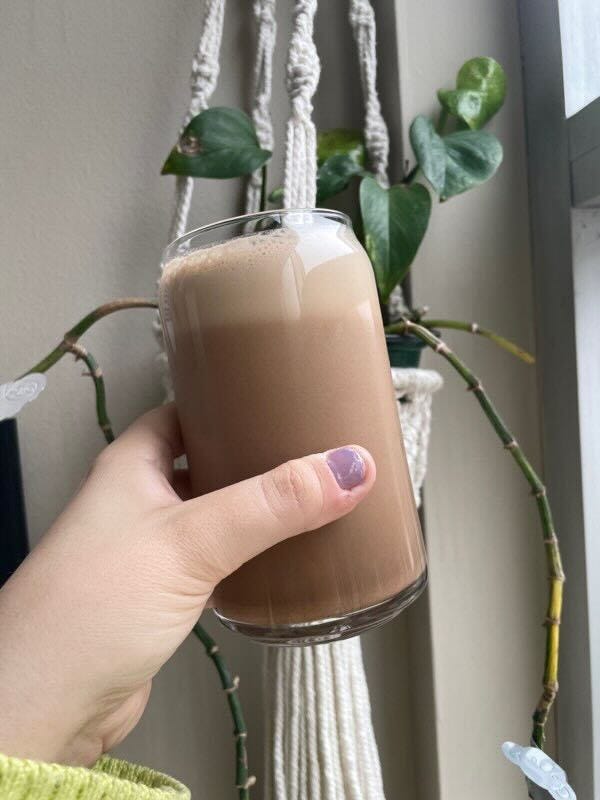
초콜릿 땅콩 버터 파워 쉐이크
실험 전반에 걸쳐 나는 아침 식사 후부터 오후까지 훨씬 더 오랫동안 포만감을 느끼는 것을 발견했습니다. Instead of heading back to the kitchen to grab a granola bar or pack of crackers, I didn't have my usual mid-morning snack craving, which was a major win for me, as I was able to be more productive when I wasn't interrupted by hunger or cravings even before lunch. I also wasn't reaching for dessert nightly since the power shake satisfied me in a healthier way in the morning.
놀랍게도 매일 식사에 대한 이러한 사소해 보이는 변화가 체중 감소로 이어진 것으로 나타났습니다. My weight fluctuates between 155 and 160 pounds on most days. At the top of November, I was hovering around 158 pounds. By the final week, I weighed in around 153 pounds. 그리고 아니요, 저는 매일 점심 시간에 먹는 샌드위치와 후무스 접시 또는 저녁 식사로 치킨과 파스타를 바꾸지 않았습니다.
나는 자전거 수업을 듣는 것에 집착하고 있습니다. In the early fall, I found myself struggling to stay on beat during 45-minute rides at my local studio. But about 10 days into my high-protein breakfast experience, I found myself keeping up with the instructor, and even going above and beyond in class, adding resistance and hitting the beat of the music with more ease than before.
This protein-packed meal switcheroo has motivated me to adjust other habits in my life, and now, I am on my way to getting in better shape and having the energy to reach more personal and professional goals.
Just be prepared to schedule a night when you have a spare half-hour to, say, craft half a month’s worth of quick egg muffins. Or, set your alarm 10 minutes earlier to make a quick grab-and-go smoothie in the a.m. I know that may sound like a lot of time to lose, but I cannot overstate how good it will make you feel in the long-run. Here are my top tips for making this habit change easier for you too.
Full transparency:The first few days of higher protein counts made my stomach feel bloated and uncomfortable—which is a normal side effect of upping your protein intake suddenly for some people. I found relief within a few days, but making sure I ate fiber-packed lunches (think:grain bowls, roasted vegetables) to keep things moving and drinking plenty of water all day long helped my digestive system hit its stride and adjust to the new boost.
The first thing I did to make this plan really work for me was get all of my powders in a row, literally. I kept my protein, peanut butter, and cocoa powders, as well as common spices all in one cabinet for easy access while measuring. Then, in my fridge, I reserved a specific corner for my breakfast meal prep eggs, cottage cheese, milk, shredded cheese, and other repeated ingredients.
It may sound odd to have “meal prep eggs” and “family eggs,” for example, but it worked for me and my sanity—I never opened the carton to find only one egg and could reach for ingredients on autopilot. Few things frustrate me more than my things being out of place when I’m on a time crunch.
Keep in the back of your mind that you will need to set aside time at night to meal prep, should you choose that route. It was my preferred method and made my mornings a breeze. You don’t have to pressure yourself to be at home every Sunday night, but simply make a plan and put a half hour in your calendar once your freezer stash starts to diminish.
I also made a weekly grocery schedule (again, put all reminders in your phone or calendar so you don't forget!) where I would pick up or have ingredients delivered that didn’t freeze well such as in the case of the silken tofu in the chocolate peanut butter shake.
I genuinely feel committed now to centering my meals around protein. If 30 days can help me lose weight and feel more energetic in my work and personal life, I will be literally unstoppable if I keep it up—and I will. Challenging myself to 30 days of breakfasts also naturally encouraged me to think more about my protein intake at lunch and dinner. So, the healthy habits I developed from this experiment bled into the rest of my meals too. A win-win-win.

Maria Serra (she/her) is a freelance sex and relationships writer who covers topics ranging from butts, boobs, and everything in between. After secretly getting a degree in human suffering (sorry, parents), she explains general and sexual health topics for her campus, Spoons University, and Women's Health magazine. In her spare time, she's listening to trashy emo music with her chihuahua-pug, Bobbie. Instagram과 Twitter에서 그녀를 팔로우하세요.