

Years ago, I wandered into a “health food store” looking for something simple – probably elderberry or matcha powder – and instead found myself staring down an aisle full of bright orange and yellow tubs of creatine plastered with photos of muscular men and big promises.
I figured I needed that stuff as much as I needed a pet rock.
Turns out, I was wrong.
Once known mostly to bodybuilders, creatine has earned a place in women’s wellness routines.
It supports muscle, metabolism, bone strength, brain function, hormonal balance and more – helping women stay strong and steady through midlife and beyond.
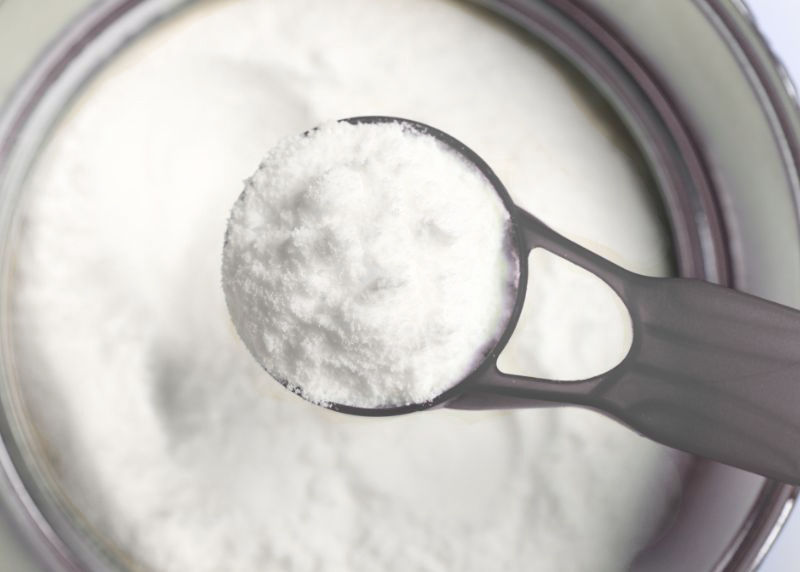
Creatine usually comes in a simple powder form that you can stir into a glass of water, blend into a smoothie, or add to your morning tea, so working a little into your daily routine couldn’t be easier.
In this article I’ll share seven reasons to give it a try, plus tips for getting started.
As always, none of these statements have been evaluated by the FDA, this article is not medical advice, and it’s not meant to diagnose or treat any condition. Now let’s dive in.
A quick primer on the little compound making big waves
Creatine is a naturally occurring compound produced by the liver, kidneys, and pancreas, and you’ll also find it in foods like red meat, fish, and dairy. Most of it is stored in your muscles, with smaller amounts in the brain, heart, and other tissues.
Its superpower is energy recycling. Every time you contract a muscle, your body draws on a molecule called ATP (adenosine triphosphate), which acts like the battery charger of your cells. Creatine helps regenerate ATP, giving your muscles and brain a steady supply of quick energy. Better ATP production means better performance – both cognitively and during workouts – and more efficient recovery afterward.
It’s also one of the most thoroughly researched supplements out there. For decades, creatine was mostly studied in men and marketed to bodybuilders, which is why it ended up in those bright tubs at the back of the health food store. But more recent research has turned the spotlight on women, and the findings suggest its benefits reach far beyond the weight room.
Women naturally start with less creatine in the tank – research shows we produce about 70–80% less creatine internally than men, and that gap persists across our lifespan. (1) (2) Diet doesn’t fully close it, either. To hit the commonly studied daily dose of 5 grams, you’d need to eat about 2–2.5 pounds of beef every day.
Hormones add another wrinkle, too. As estrogen, progesterone, and testosterone begin to fluctuate and decline in perimenopause, menopause and postmenopause, creatine production and utilization can be affected, increasing the need for extra support. (1) (2) (3)
That’s where supplementation comes in – helping bridge the gap between what we make, what we eat, and what our bodies actually need to stay strong, steady, and resilient.

Muscle preservation = metabolic gold
Starting in our 30s, women naturally lose about 3–5% of muscle mass per decade, and the pace accelerates after menopause. (4) (5) Since muscle tissue is metabolically active – meaning it burns calories just to sustain itself – this decline doesn’t just affect strength, it slows metabolism and raises the risk of insulin resistance.
Strength training is one of the best ways to counteract age-related muscle loss, and creatine makes it even more effective. By increasing available energy (ATP), creatine helps muscles work harder, which translates into greater strength and lean mass gains over time.
In fact, a meta-analysis of 22 studies found that adults over 50 who combined creatine with resistance training gained about three pounds more lean body mass compared to those who trained without it. They also improved strength on major lifts such as the chest press and leg press to a greater degree. (6)
The benefits aren’t limited to midlife and beyond. In younger women, short-term studies have shown less muscle fatigue during cycling, along with improvements in sprint speed, leg strength, and agility compared to placebo. (7) (3)
For women who already lift heavy, creatine may translate into greater power and lean body mass. And for women who are just getting started, it may provide the extra energy needed to stick with a routine and build consistency.
Faster bounce-back
The benefits of creatine don’t stop at strength – they extend to recovery, too. In female-specific research, creatine supplementation has been shown to reduce post-exercise swelling (edema) and help muscles regain strength more quickly after muscle-damaging exercise. (8)
Broader studies in men and women also report faster recovery of maximum strength and lower markers of muscle damage in the days following strenuous training. (9) (10)
The takeaway: creatine may help you push harder in a workout and bounce back more quickly afterward. Even if you’re not chasing personal records, the extra recovery support can reduce lingering fatigue and help you stay consistent – whether that means lifting weights, walking with a weighted vest, or building a new fitness routine.
Protect your inner strength
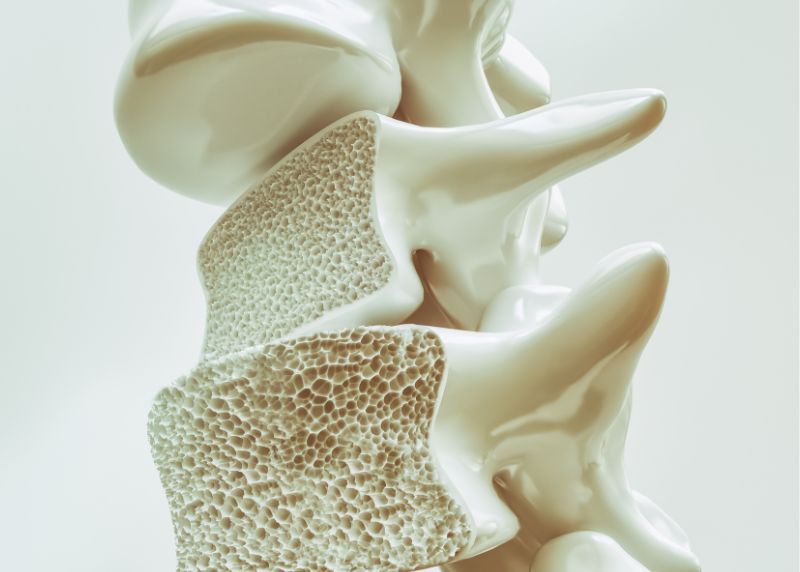
Muscle loss gets a lot of attention in midlife, but bone loss is just as important to keep on the radar. Thanks to estrogen, our bones spend most of early adulthood naturally reinforcing themselves. Once hormone levels dip, though, that process slows – and bone breakdown starts to outpace rebuilding. During the menopausal transition, as much as 20% of lifetime bone loss can happen in just a few years. (11))
This is where exercise shines. Every time a muscle pulls on bone, it sends a “stay strong” signal that helps keep bone tissue dense and resilient. Add creatine into the mix, and you’re giving those workouts extra staying power – more energy to lift heavier, move longer, and build the kind of muscle that keeps bones supported.
There’s also evidence creatine may act more directly on bone cells themselves. In one Canadian study, postmenopausal women who lifted weights three times per week while supplementing with creatine lost far less bone density at the hip than those who lifted without it. (12) Another trial with older adults found creatine plus resistance training not only improved muscle strength but also boosted bone measures – two wins that work hand in hand to reduce the risk of falls and fractures. (12)

A steadying ally when estrogen and progesterone start to shift
Estrogen in particular plays a protective role in maintaining muscle, bone, metabolism, and even brain health. When levels dip in perimenopause and menopause, the ripple effects often include slower recovery, less stable energy, and changes in body composition.
Creatine appears to help buffer some of that shift. Because natural creatine levels rise and fall along with estrogen and progesterone, women generally start from a lower baseline than men and then experience even more fluctuation during hormonal transitions. Supplementing with creatine can help maintain steadier levels, offering extra support when the body’s usual supply dips.
In fact, research on active women shows creatine supplementation can improve exercise performance and recovery during phases of the menstrual cycle when estrogen is naturally lower. (13) Similar support may apply during postpartum and postmenopause, though it’s important to check with a healthcare provider before adding creatine during these life stages.
The bottom line: when hormones are in flux, creatine may help smooth the ride—keeping strength, energy, and recovery more stable.
Brain fuel for focus, clarity, and emotional resilience
The brain may make up only about 2% of total body weight, but it uses nearly 20% of the body’s daily energy. (14) That high demand makes it one of the most energy-intensive organs, and creatine plays a central role in keeping that supply steady.
By boosting phosphocreatine stores in the brain, supplementation can support better mental performance and sharper recall. Studies suggest creatine improves short-term and working memory, processing speed, and reasoning ability, with particular benefits noted in women and in people who consume little to no meat. (15) (16 (17)
Creatine may also support emotional steadiness. Estrogen normally works with the nervous system to regulate neurotransmitters like serotonin, so when levels fluctuate in perimenopause, mood shifts and feelings of overwhelm can follow. Research suggests creatine helps keep brain energy more stable, which may contribute to a calmer, more balanced mindset.(18)
Even outside of clinical settings, creatine has been associated with reduced mental fatigue, better stress resilience, and a more positive outlook. (19) (20) (21) (22)
Bottom line: from sharper memory to steadier mood, creatine is more than a muscle supplement- it’s brain fuel for women who want clarity and resilience through the ups and downs of life.

How creatine helps soften the effects of sleepless nights
Optimizing your circadian habits and bedroom for deep sleep is foundational to wellness, but sometimes life throws a curveball. Even one rough night can leave you dragging the next day, and while nothing replaces true rest, creatine may help soften the edge of short-term sleep loss by supporting brain energy.
Because creatine helps keep ATP supplies steady, it can lessen some of the fatigue and cognitive fog that follow a night (or two) of poor sleep. Research suggests creatine supplementation may help reduce the negative effects of temporary sleep deprivation on thinking and alertness, and one study even found it relieved severe fatigue in people recovering from viral illness. (23)
The bottom line: creatine isn’t a sleep aid, but it may give your brain and body a little extra resilience when your head doesn’t hit the pillow as long – or as deeply – as you’d like.
Steady glucose is key to a humming metabolism
Glucose is the body’s preferred quick fuel, and muscles play a starring role in managing how it’s used. When you eat a carbohydrate-rich meal, your body relies on transporters like GLUT-4 to move glucose out of the bloodstream and into muscle cells, where it can be stored or burned for energy. (24)
Creatine appears to support this process. In one 12-week study, people who combined creatine with exercise cleared glucose from the blood more efficiently after meals compared to exercise alone. Researchers attribute this to creatine’s ability to positively influence GLUT-4 activity, essentially helping muscles act like sponges for incoming fuel. (25)
While more research is needed, early findings suggest creatine may offer a smoother energy response after eating and less strain on the systems that regulate metabolism – alongside nutrition and movement, of course.
What research says about safety and side effects
Creatine is considered one of the most thoroughly studied supplements out there. Since the 1970s, more than 680 clinical trials involving everyone from infants to older adults have tested creatine. (26) Across those studies, no serious adverse effects were reported, and minor side effects were no more common than in placebo groups.
For healthy women, creatine is generally considered safe. Reviews confirm that when taken at recommended doses, it hasn’t been linked to any health concerns. The International Society of Sports Nutrition calls it a safe, effective supplement for both men and women. (25)
That said, there are a few things to keep in mind:
Creatine isn’t complicated. Choose a clean, third-party tested creatine monohydrate, mix a scoop into water or a smoothie, and be consistent. Over time, those small doses can translate into stronger muscles, steadier energy, sharper cognition, and more resilience.

If you feel like you’ve tried every health trend out there and aren’t experiencing the changes you’re hoping for, let’s work together to create a customized approach just for you.
As a Functional Diagnostic Nutrition Practitioner (FDN-P), I use in-depth functional lab testing with lifestyle changes to help women identify and resolve roadblocks to healing.