
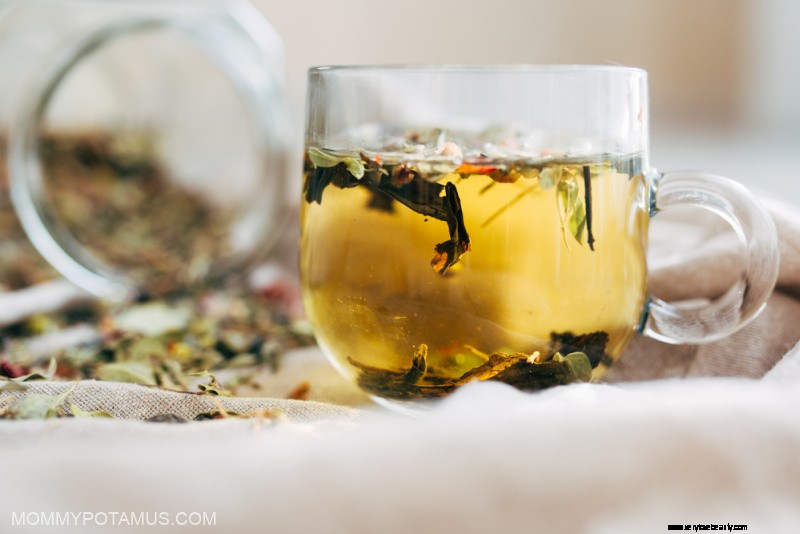
I recently received a message about this tea recipe which said something like, “Oh, look, ANOTHER article about an herb or practice that supports detox! You seem kind of obsessed.”
Well, yeah . . . and no. I do focus a lot on detox, but obsessions are usually based on unreasonable ideas, and prioritizing detox support is completely reasonable.
I’ve been making my own personal care products and cleaning supplies for over a decade now, but my life is not squeaky clean.
For example, my grass-fed meat comes wrapped in plastic and I live in a new(ish) home that is still off-gassing formaldehyde and other VOCs from construction materials (here are some ways I’m working on that).
Oh, and a few years ago I was exposed to stachybotrys chartarum – commonly known as toxic black mold – while staying in a vacation rental. The effects were so severe that I found myself working closely with a functional medicine MD to detoxify it from my system.
But chemical body burden isn’t just an issue for someone like me who has one major source of exposure. We’re all consistently exposed to environmental chemicals that can silently accumulate over years, clogging up our thyroid hormone receptors (leading to decreased function) and/or impacting us in countless other ways.
It’s literally impossible to live on earth without exposure to toxins, so we’d better learn to live with them by optimizing our detoxification pathways and processes.
Now, I want to be clear. I don’t live my life in fear of toxins, and I encourage you not to either. However, I do have an educated awareness of them and proactive approach to addressing them.
With that in mind, here are some natural ways to optimize our ability to deal with exposure to everyday toxins.
As always, I want to mention that none of these statements have been evaluated by the FDA, this article is not medical advice, and it is not meant to diagnose or treat any condition. Please talk with your healthcare provider about what approach to detox support is best for you. Now that we’ve got that out of the way, let’s dive in.

Our bodies have several mechanisms that help us eliminate metabolic waste along with the toxins we are exposed to everyday, and the best way to support them is to ease their workload as much as possible.
The best strategy to do that, of course, is to reduce toxin exposure whenever possible. Here are some ways to do that:
Imagine a river with a log jam at the bottom. If you have a bunch of logs at the head of the river that need to be transported down, you need to fix the log jam before you start moving them, right?
Once toxins enter our bodies, they can either get stuck (what scientists call bioaccumulation) or are escorted out of the body via:
For a deep dive into optimizing these pathways, check out this article and then this one.
One thing that surprised me as I began researching detoxification is that practitioners often recommend starting with the last phase of detoxification (Phase 3) and then working backwards toward Phase 2 and 1.
That’s because the Phase 3 is all about getting the toxins OUT so they aren’t reabsorbed.
With that in mind, meet the bouncers that show toxins to the door:
Here’s how:
That’s why Joseph Pizzorno, ND, founding president of Bastyr University and co-author of several medical texts including Clinical Environmental Medicine, writes that detox must always start “with the gut and the digestive tract.” (4)
Binders like activated charcoal can also sometimes be helpful “bouncers” during a focused period of detoxification. For more information check out this article. (5) (6)
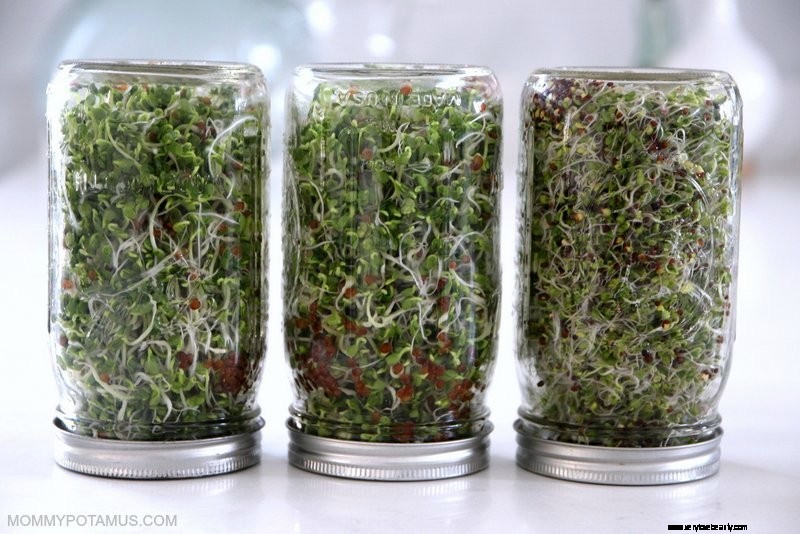
Our bodies use a lot – and I mean A LOT – of nutrients to process and eliminate harmful toxins including heavy metals, pesticides, VOCs and “forever chemicals” like PFAS.
That’s why we need to resupply often with foods and herbs that support our body’s efforts.
Other nutrients that are especially helpful for activating Phase 1 and 2 detox enzymes include:
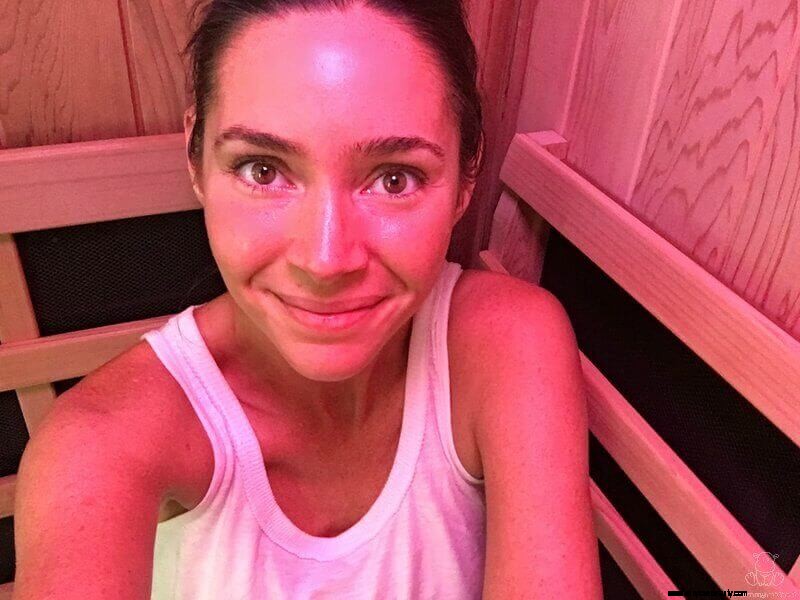
When we sweat, our bodies are able to excrete compounds like xenobiotics (BPA, PCB’s, phthalates, DDT metabolites, dioxin, etc.) and heavy metals such as arsenic, cadmium, lead, mercury. (7) (8) (9) (10) (11) (12)
Both exercise and sitting in a sauna are good ways to get a sweat going.
In fact, sauna therapy has been used support detoxification in police officers after on-the-job exposure to meth-making chemicals. (13)
Gentle movement like walking, rebounding, yoga and dry skin brushing also helps with detox by supporting lymph flow.
Get enough sleep – Your brain flushes out toxins during sleep via the glymphatic system. (14)
Deep, slow wave sleep is especially helpful for activating this process, which rinses away toxic proteins like β-amyloid that have been implicated in Alzheimer’s. (15)
Here are 23 science-backed tips for getting better sleep.
Skip late night snacks – Intermittent fasting activates autophagy, which is our bodies cellular “cleanup mode.”
Address internal sources of toxic load – Sometimes gut infections, small intestine bacterial overgrowth (SIBO), and yeast or mold issues can cause internal sources of toxic load. In those cases, it’s best to work with a practitioner to identify the root cause of the issue and create a plan for addressing it.
Incorporate herbal preparations that support detoxification:
Sources
1. Thompson, Peter (2013) J-Curve Revisited: Cardiovascular Benefits of Moderate Alcohol Use Cannot Be Dismissed
2. Harvard Medical School (2011) Abundance of fructose not good for the liver, heart
3. Connecticut Department of Public Health. Proposed Revision to MCL for TCE
4. Pizzorno, Joseph (2017) The Toxin Solution: How Hidden Poisons in the Air, Water, Food, and Products We Use Are Destroying Our Health–And What We Can Do To Fix It
5. Balch, James et. al. (2016) Prescription for Natural Cures (Third Edition): A Self-Care Guide for Treating Health Problems with Natural Remedies Including Diet, Nutrition, Supplements, and Other Holistic Methods
6. Rotter, R G et. al. (1989) Influence of dietary charcoal on ochratoxin A toxicity in Leghorn chicks.
7. Rhonda Patrick, Ph.D. Sauna Use And Building Resilience to Stress
8. Sears, Margaret E. (2012) Arsenic, Cadmium, Lead, and Mercury in Sweat: A Systematic Review
9. J R Cohn and E A Emmett (1978) The excretion of trace metals in human sweat
10. Genuis, Stephen J. et. al. (2012) Human Excretion of Bisphenol A: Blood, Urine, and Sweat (BUS) Study
11. Crinnion, Walter (2007) Components of practical clinical detox programs–sauna as a therapeutic tool
12. Richard D Lennox and Marie Cecchini-Sternquist (2018) Safety and tolerability of sauna detoxification for the protracted withdrawal symptoms of substance abuse
13. Gerald H Ross and Marie C Sternquist (2012) Toxin exposure and chronic illness in police officers: significant improvement with sauna-based detoxification therapy
14. Xie, Lulu et. al. (2013) Sleep initiated fluid flux drives metabolite clearance from the adult brain
15. Stanford Medicine (2013) Scientists reveal how beta-amyloid may cause Alzheimer’s