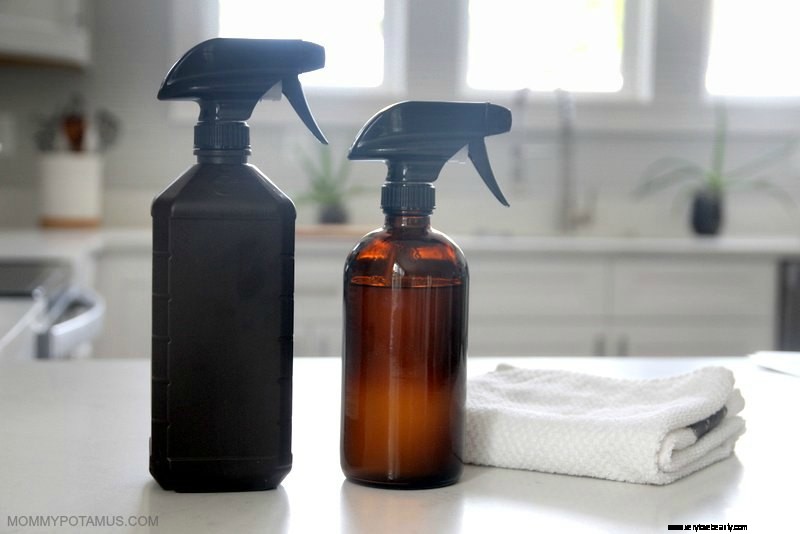
Non-toxic and affordable, hydrogen peroxide is classified by the CDC as “a stable and effective disinfectant” for hard surfaces. (1) It can brighten laundry, clean mirrors, and more. I’ve already covered many of the ways it can be used around the house, but in this article I’m going to show you how to increase its effectiveness by using it in tandem with vinegar.
The operative phrase being “in tandem with,” not “combined with.” That’s because this dynamic duo only works when used together . . . separately. That’s because if you combine the two in the same container, they form a new compound called peracetic acid, which can corrode surfaces and irritate skin, eyes and the respiratory system.
However, when used together properly, they’re more powerful than when used alone.
That’s a big deal because unlike chlorine bleach – which gets and “F’ safety rating from the Environmental Working Group – both hydrogen peroxide and vinegar have an excellent safety rating. Hydrogen peroxide breaks down into water after it disinfects, and white vinegar is well, edible. (You can also infuse vinegar with leftover citrus peels to give it extra cleaning oomph.)
The method below was created by Susan Sumner, a food scientist, while she was working at the University of Nebraska. She deliberately contaminated fruits and vegetables with either salmonella, shigella, or E. coli O157:H7, then followed up with a squirt of vinegar and/or hydrogen peroxide.
Though the hydrogen peroxide did pretty well on its own, the two together delivered a one-two punch that was even more effective.
Something to keep in mind, though, is that vinegar is acidic and to a smaller degree so is hydrogen peroxide. Although hydrogen peroxide is considered safe for occasional use on granite countertops (and some marble), vinegar is not recommended at all.
Undiluted 70% rubbing alcohol is less acidic than water and is effective against certain microorganisms, says the CDC and Consumer Reports, so that’s another option to consider. (3) (4). They note that it’s generally safe for most surfaces although it may discolor some plastics, so that’s an option to consider if you’ve got granite or marble surfaces. (3)
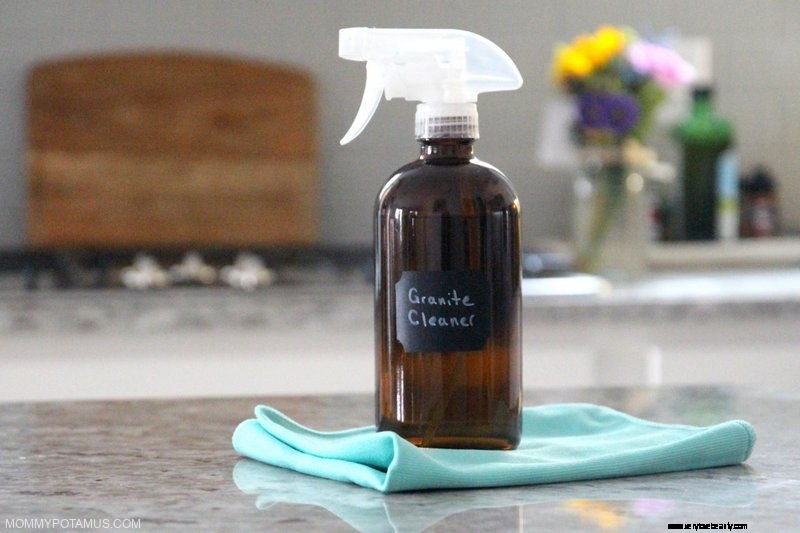
Also, although it’s a cleaner rather than a disinfectant, if you have granite counters this recipe might be helpful.