
1
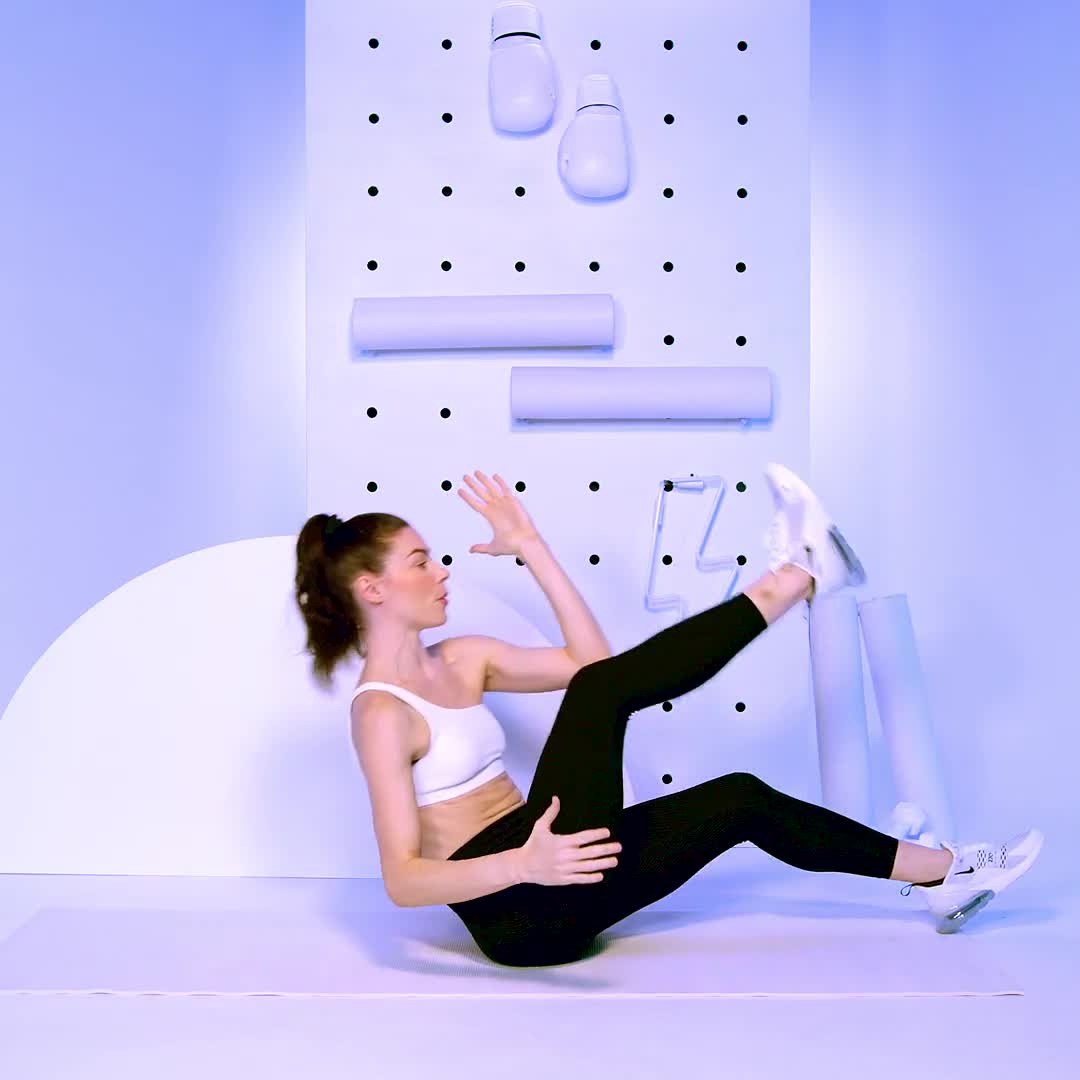
Why it rocks: “Any movement bringing your chest towards your pelvis is going to be phenomenal for targeting the upper abs, and the contralateral anti-rotation demands of this movement (balancing on your sit bones while flexing the opposite arm and opposite leg) are a bonus,” says Wilson.
Good for: Rectus abdominis, obliques
How to:
2
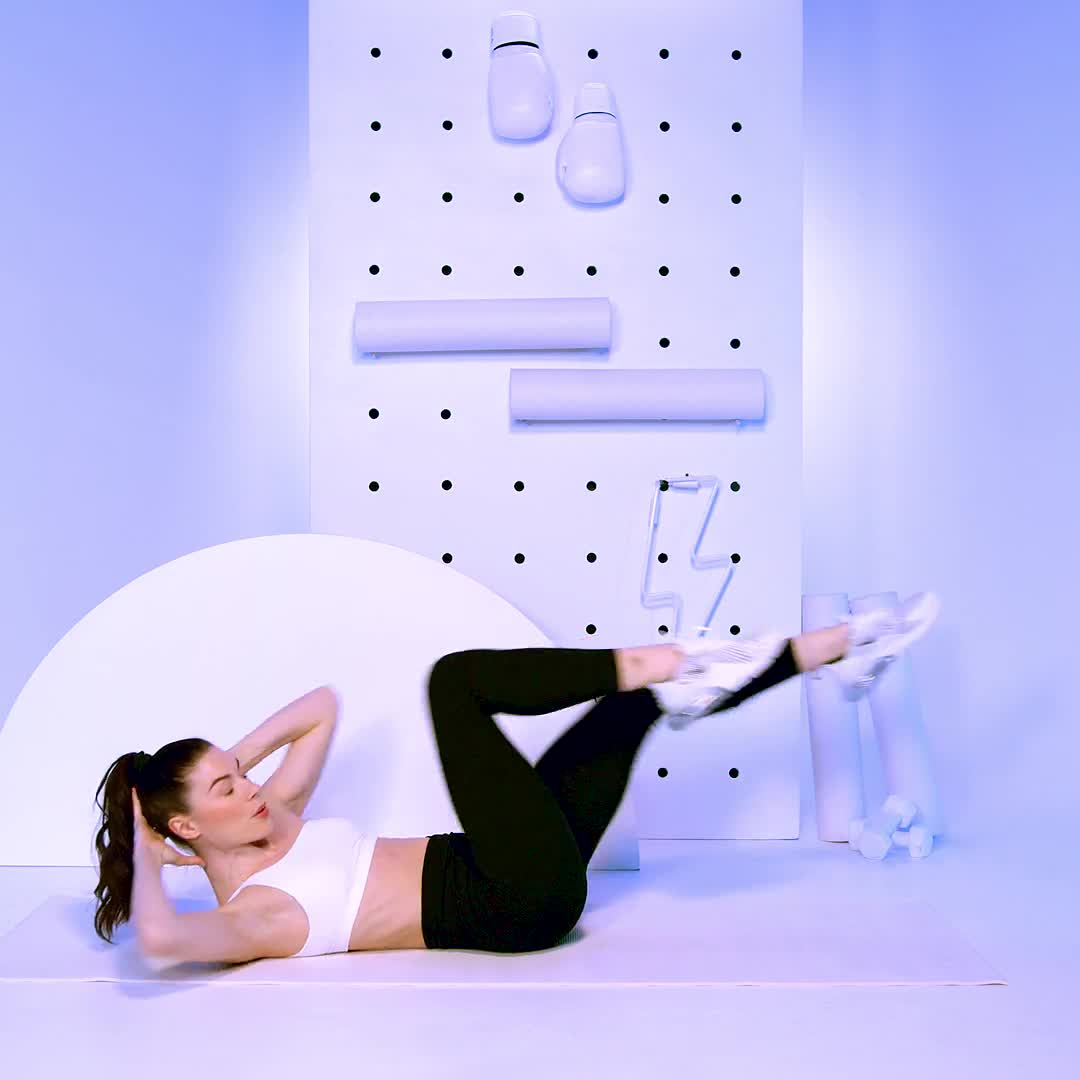
Why it rocks: Not only is this move great for improving stability, flexibility, and coordination, but it also targets the upper abs and obliques while requiring you to "move through" the isometric hold which ramps up the time under tension, says Wilson.
Good for: Rectus abdominis
How to:
Advertisement - Continue Reading Below
3
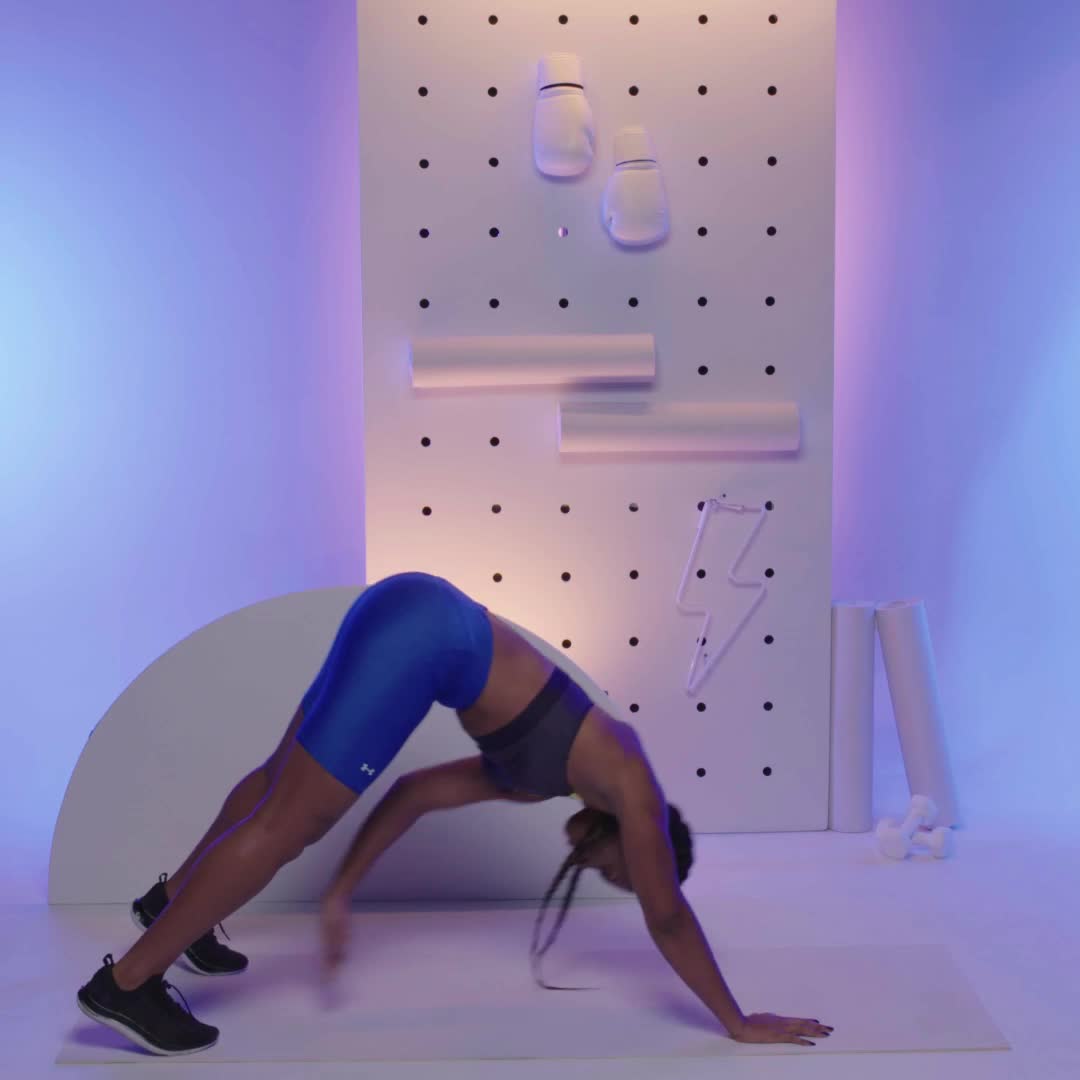
Why it rocks: “This is a great move to add to your warmup on upper body days since it helps increase blood flow, warms the body, activates the core, mobilizes the shoulders, and stretches the hamstrings,” says Wilson. Not to mention, you’ll feel a major burn in the upper core when decelerating into the plank position.
Good for: Rectus abdominis, obliques, transverse abdominis (inner core)
How to:
4
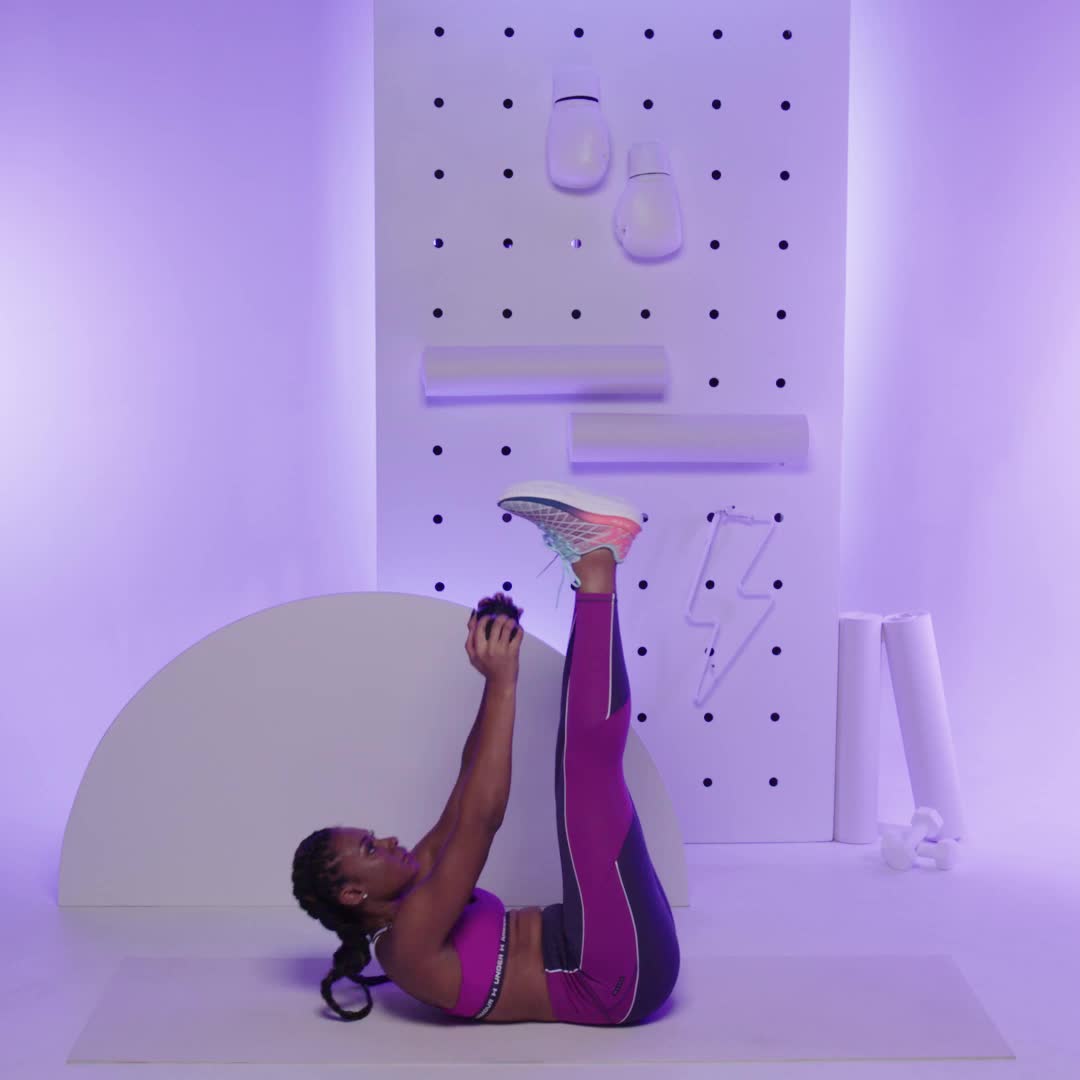
Why it rocks: “This one really isolates the upper abs since the entire movement is generated by a deep contraction of the upper abdominals when lifting the chest to the sky,” explains Wilson. “However, keeping your legs straight and stable will still engage those lower abdominals as well.”
Good for: Rectus abdominis
How to:
Make this move less challenging by using bodyweight only.
Advertisement - Continue Reading Below
5
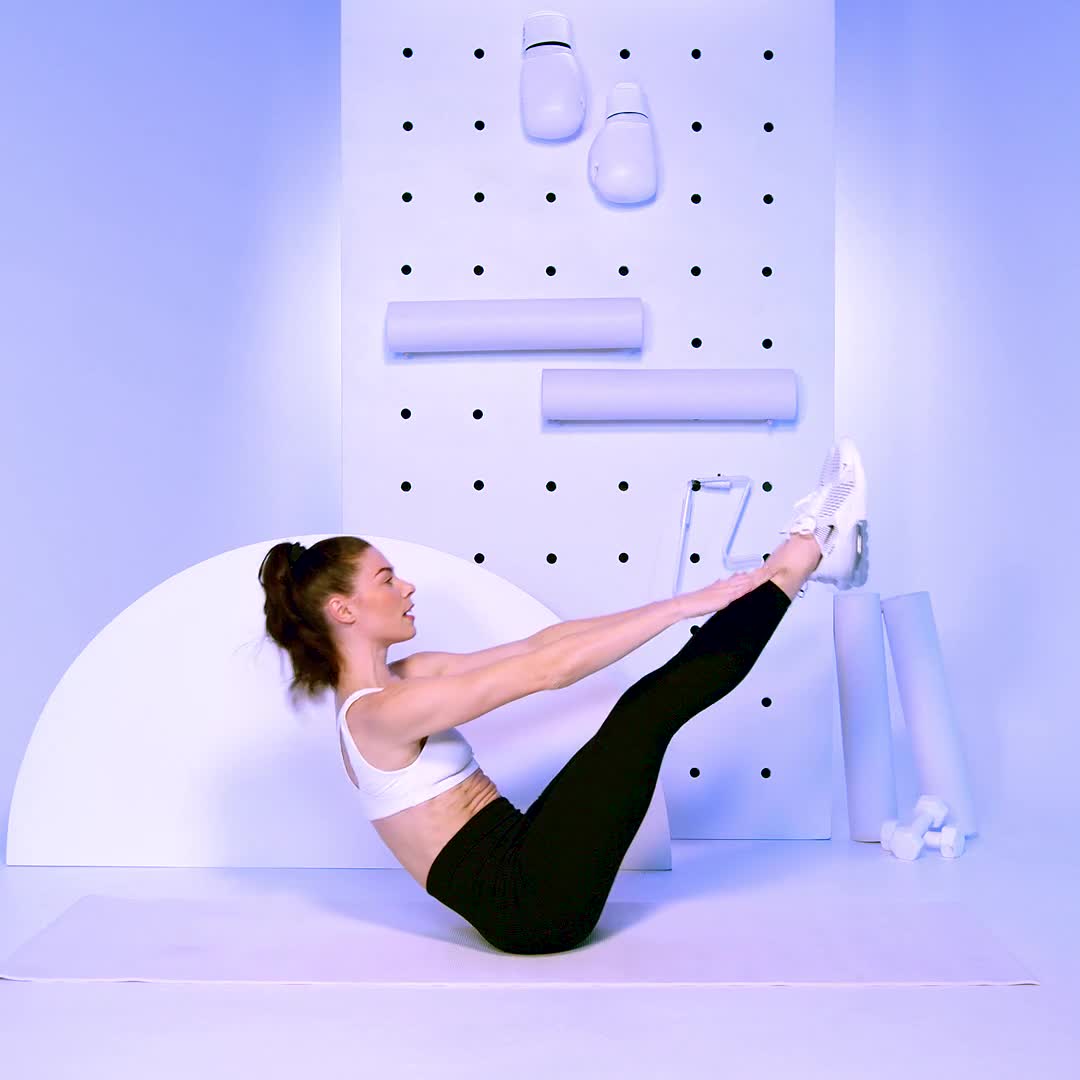
Why it rocks: “The chest rising towards the sky means the rectus abdominis is working hard, and this is definitely one of the more advanced movements where we’re not just crunching or rolling our torso up, but rather lifting it up maintaining a neutral spine and heightening the demand on the core,” notes Wilson.
Good for: Rectus abdominis, transverse abdominis
How to:
Make this move more difficult by holding a light weight.
6
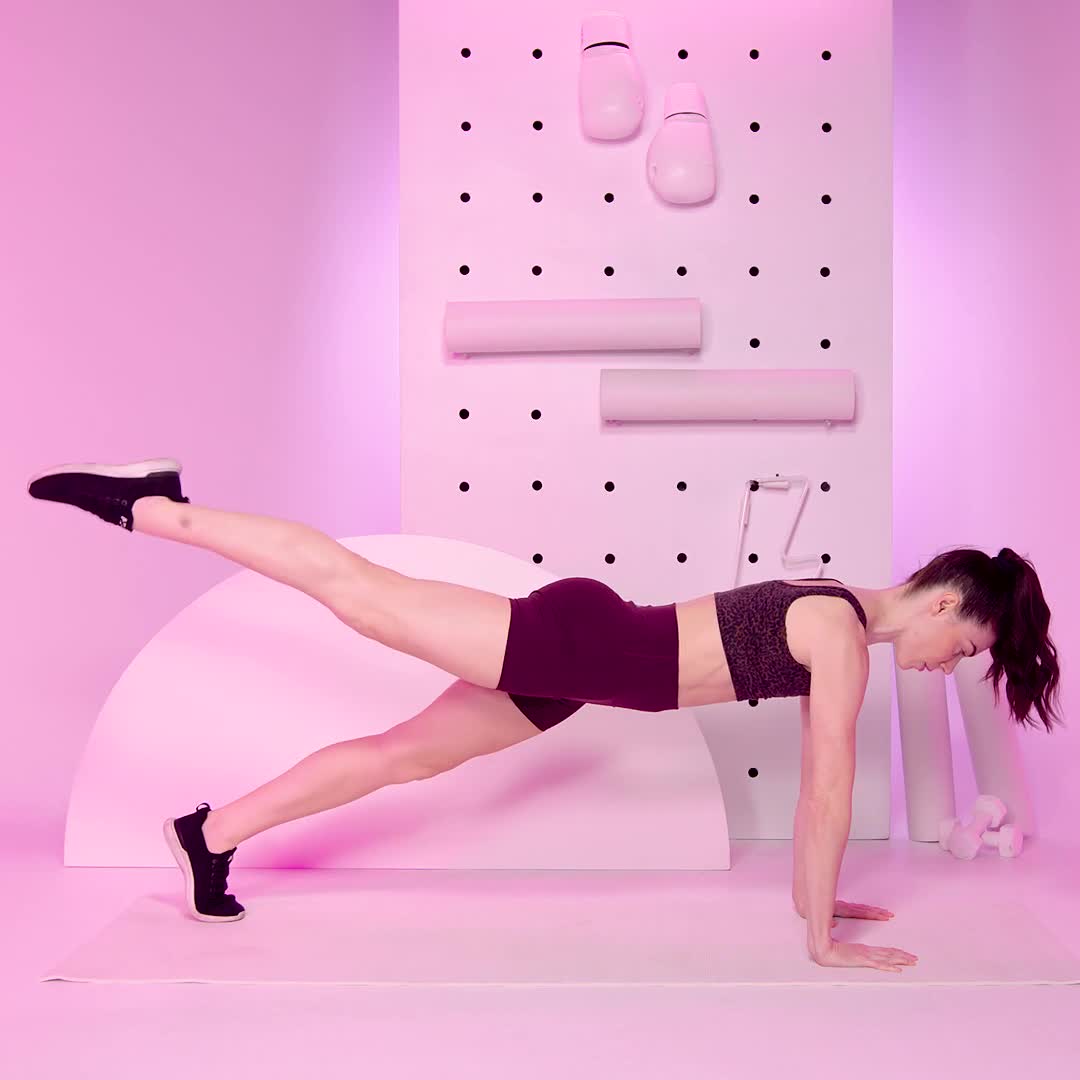
Why it rocks: “The isometric hold of the plank fires up the upper abdominals and is going to require some added anti-rotation stability balancing on one leg,” says Wilson.
Good for: Rectus abdominis, obliques, transverse abdominis
How to:
Advertisement - Continue Reading Below
7
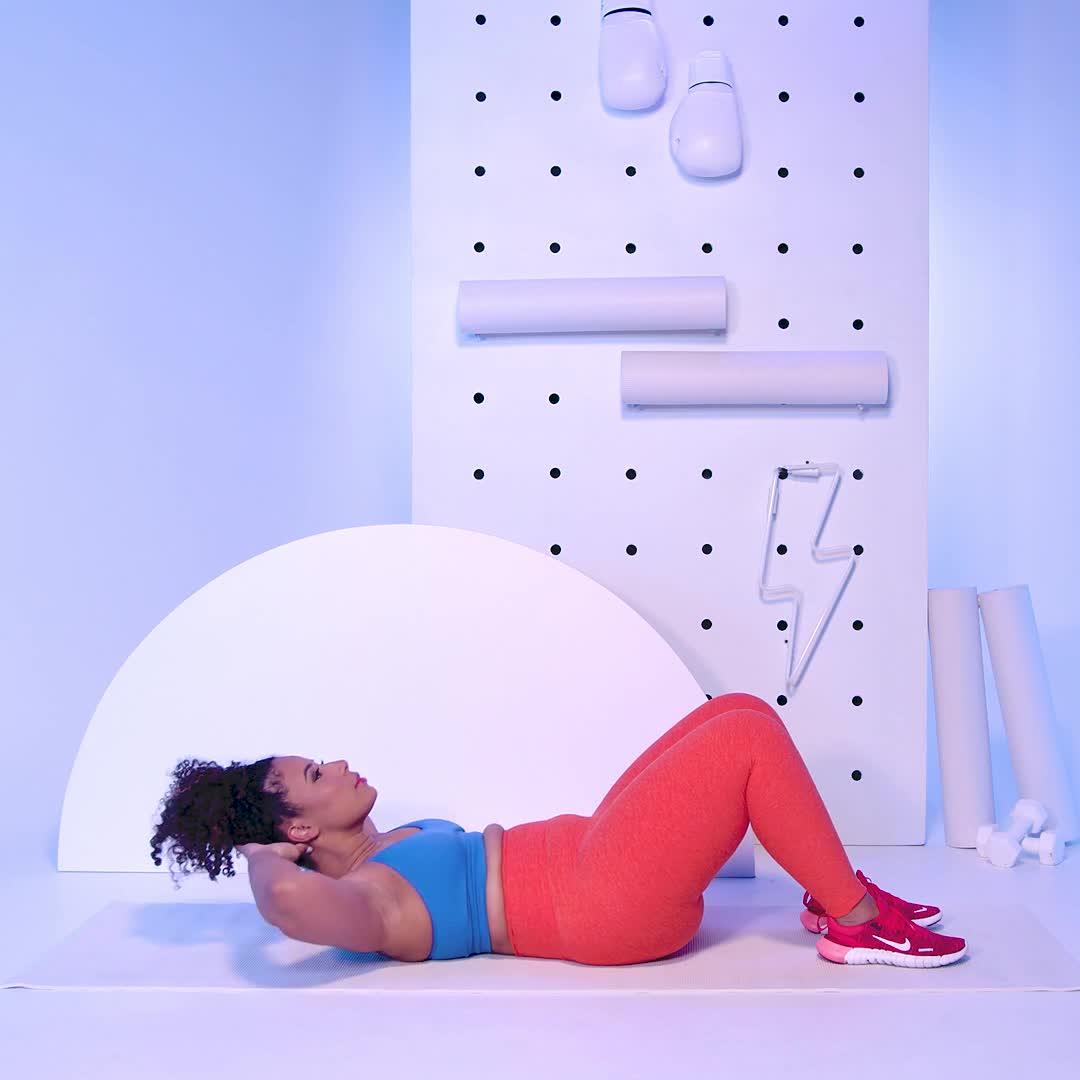
Why it rocks: Crunches are a tried-and-true upper abdominal staple for a reason, says Wilson. “This is ideal for isolating the upper abs without recruiting the legs or hip flexors. Feel free to spice it up a bit by adding in some equipment like a cable machine, stability ball, or an incline bench.”
Good for: Rectus abdominis
How to:
8
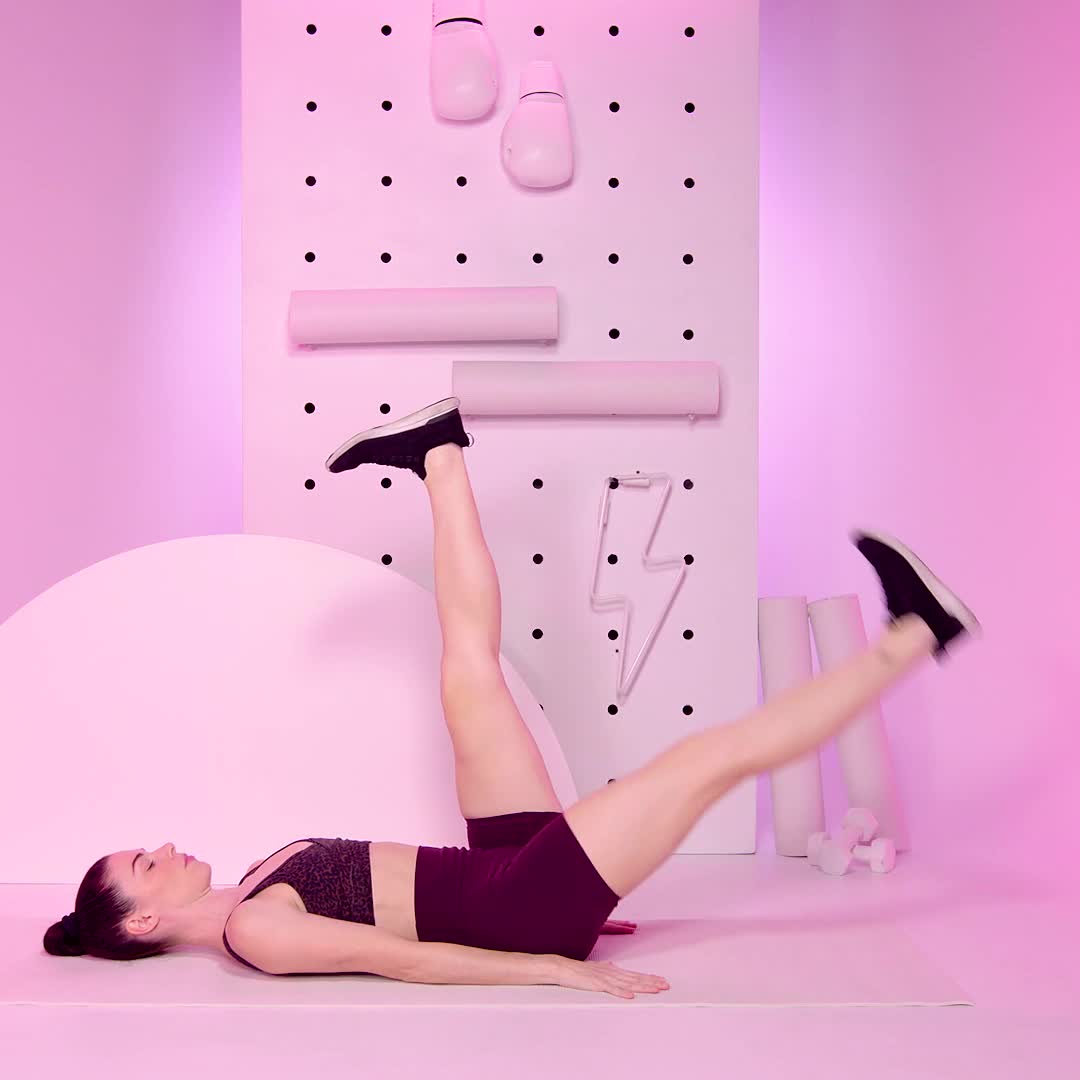
Why it rocks: “This movement will require you to keep your upper abs ‘locked in’ and stable while you move the lower half,” says Wilson. “Your obliques will turn on as you resist the body's natural urge to rotate moving one leg at a time making this a great anti-rotation movement as well.”
Good for: Rectus abdominis, obliques, transverse abdominis
How to:
Make this move more difficult by extending arms up toward the ceiling or straight back overhead.
Advertisement - Continue Reading Below
9
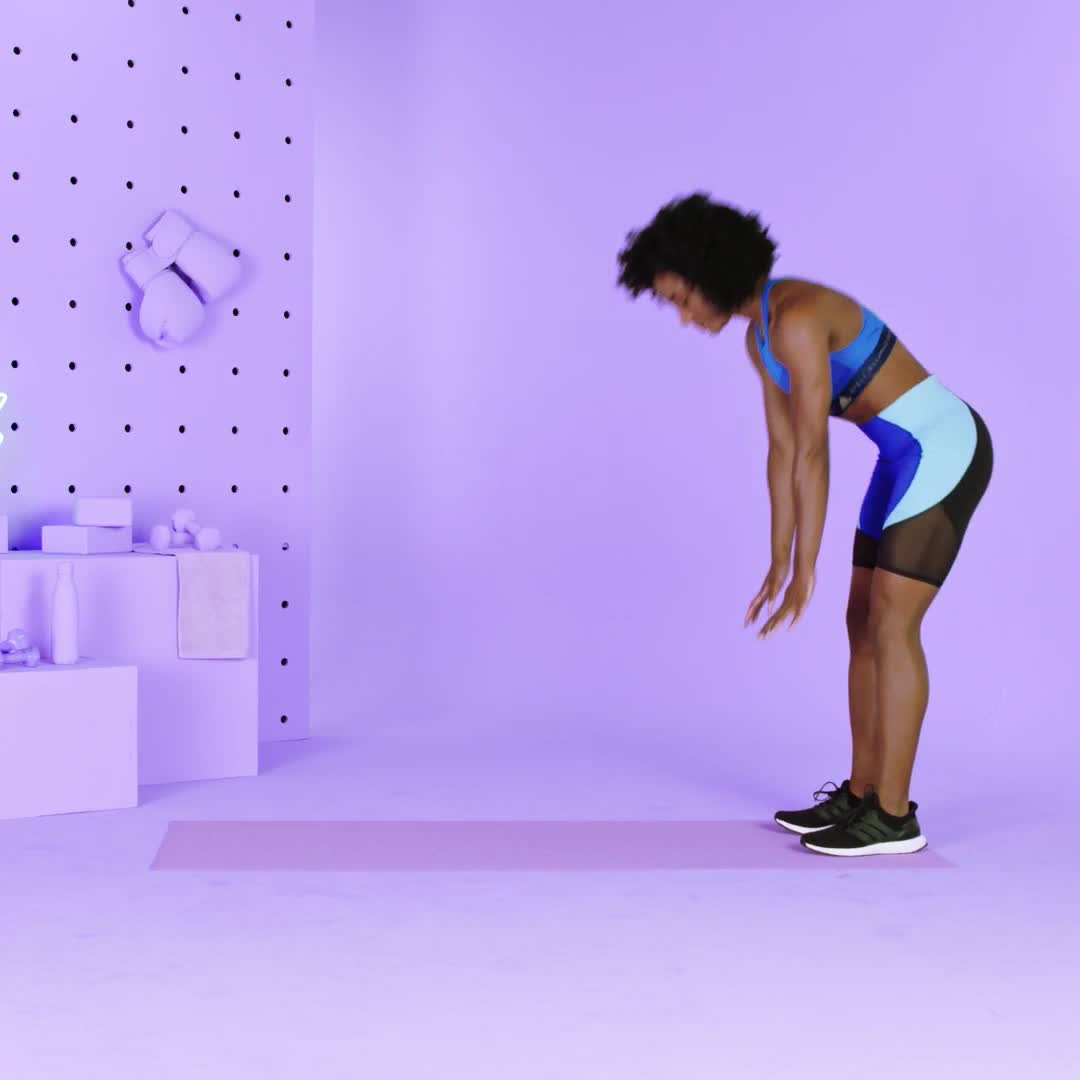
Why it rocks: Inchworms are very similar to the plank to toe touch, but this move will target and engage the upper core when decelerating into the plank position, while also adding some extra fire to those obliques as you shift your weight back and forth between your hands while walking out and in, says Wilson.
Good for: Full body
How to:
10
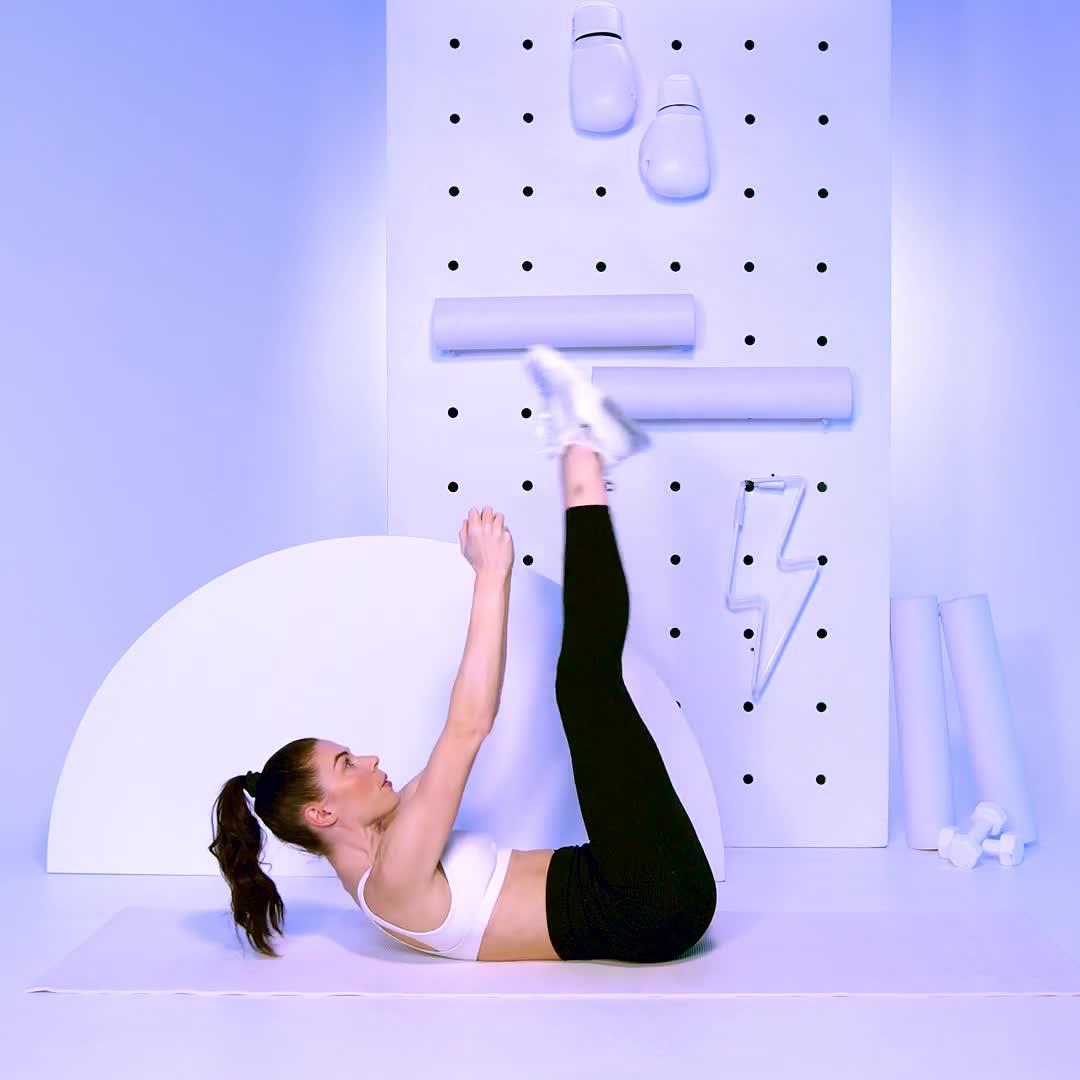
Why it rocks: “Holding the dumbbell is going to significantly increase the demand on the upper abdominals making it more difficult to crunch your chest up to the lower half,” notes Wilson. Plus, maintaining the upper ab contraction throughout the movement (and not allowing the dumbbell to slam down on the floor) is a major win for core stability.
Good for: Rectus abdominis, obliques, transverse abdominis, shoulders
How to:
Make this move more difficult by increasing the weight used. Make it easier by removing the weight.
Advertisement - Continue Reading Below
11
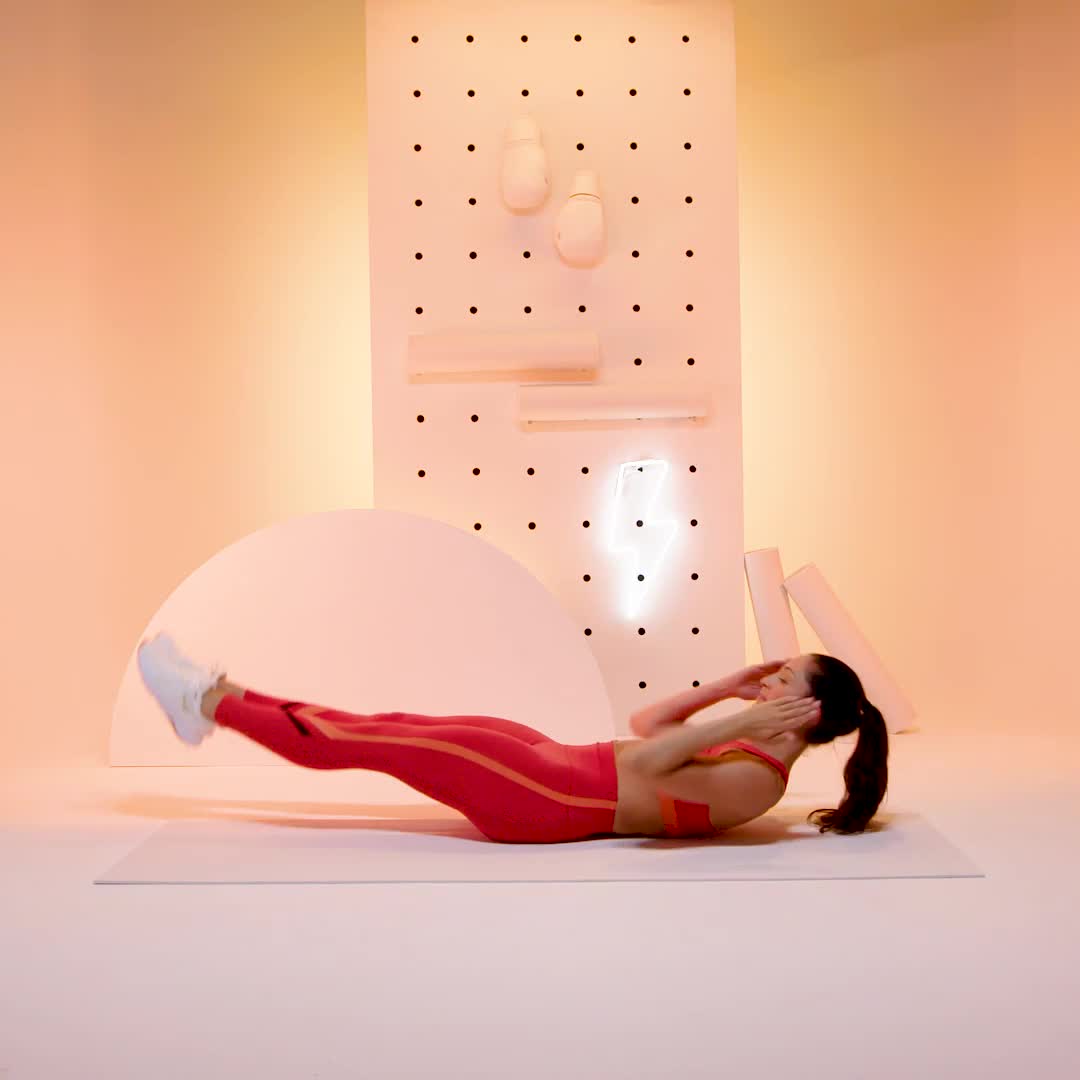
Why it rocks: “The demand on the abdominals to keep your upper half stable and elevated will get intense, but the time under tension really brings the fire,” says Wilson. “You can modify and keep your legs on the ground to really isolate the upper abs, but this is a great movement to help improve core stability and posture.”
Good For: Rectus abdominis, obliques, transverse abdominis
How to:
12
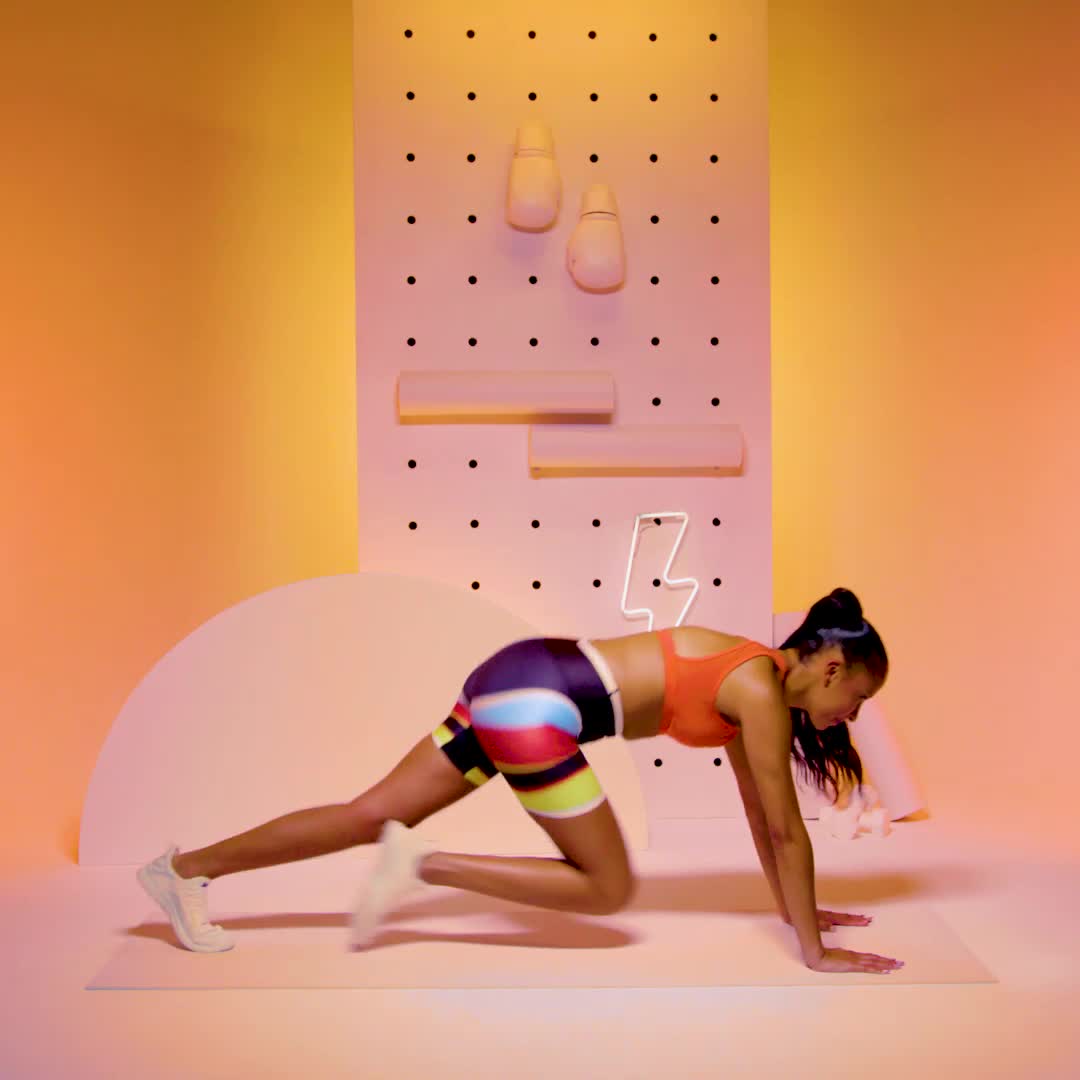
Why it rocks: This is a compound movement that puts a heavy demand on the upper core to keep the entire body stable as you drive your knees to your chest, says Wilson. “Mountain climbers are also great for building cardio endurance, balance, agility, hip strength, and mobility, on top of core-strengthening benefits.”
Good for: Full body
How to:
Advertisement - Continue Reading Below
13
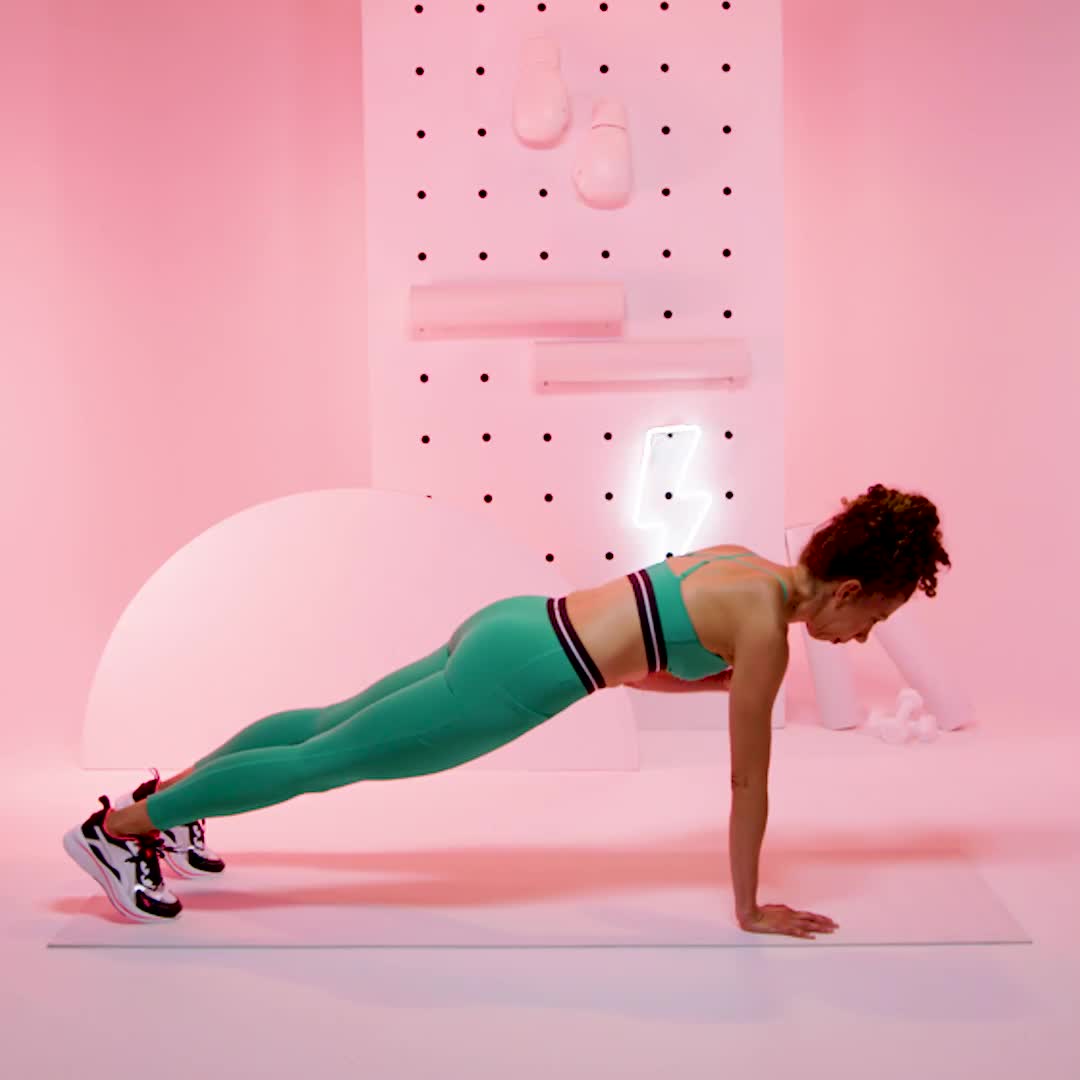
Why it rocks: “This is one of my favorite anti-rotation movements that really challenges the obliques and upper abs to keep your body stable,” says Wilson. “If you're doing it right, nothing should be moving besides your arm while performing each rep and you'll feel the burn immediately.” Added bonus: This is a great way to build rotational strength without putting unnecessary pressure on the spine.
Good for: Full body
How to:

Andi Breitowich is a freelance writer who covers health, fitness, relationships, beauty, and smart living. She is a graduate of Emory University and Northwestern University's Medill School of Journalism. Her work has appeared in Women's Health, POPSUGAR, Food & Wine, What To Expect, Cosmopolitan, Men's Health, and elsewhere. As a former collegiate pole vaulter, she loves all things fitness and has yet to meet a group workout class she doesn't like.