
Fungus on the toenails (or onychomycosis) is an unpleasant disease, but alas, quite common. This problem mainly concerns the beautiful half of humanity, since the outside of the nail willy-nilly attracts attention, especially in the summer.
The main causes of toenail fungus are well known to everyone, but most are sure that this nuisance is their blowjob. True, only until the moment of infection. What happens a lot more often than we think. There are several reasons for the appearance of toenail fungus. The main ones include the so-called spores of fungi, which are found in large numbers in places with a high risk of transmission of infection: on beaches, in pools, saunas and showers. Infection can occur when sharing towels, slippers or washcloths. Another reason for the appearance of onychomycosis is damage to the nail layer. If the plate is not tightly attached to the skin, microbes easily penetrate into its cavity and begin to actively multiply. As a rule, the fungus first spreads to the skin, after which the nail itself also affects. Infection with a fungus can also be associated with excessive sweating of the legs (even wearing low-quality shoes can contribute to this), general weakness of the immune system, insufficient or vice versa, excessive hygiene of the legs.
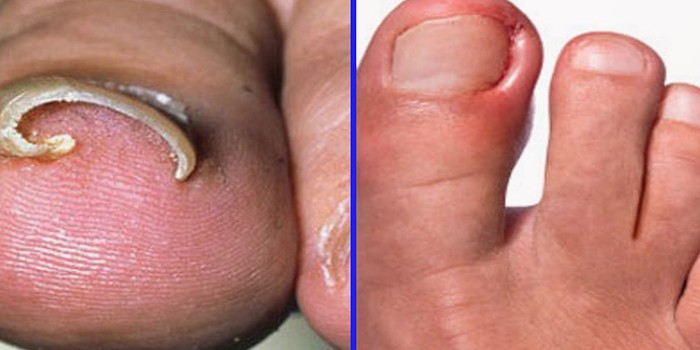
Obvious signs appear almost immediately - the disease can be easily suspected even at the earliest stages. Initially, the nail surface is weakened, small cracks appear. Then the plate gradually coarsens and thickens. The color changes, spots or stripes of yellowish color form, an unpleasant odor comes from the nails. The surface gradually collapses and crumbles. If measures to combat the fungus are not taken in time, he will gradually get to the fingernails. And first of all, the defeat will affect the thumbs, and then the rest. The fungus is actively developing in the body, gradually weakening the immune system and thereby increasing the risk of allergies and chronic diseases. At the very last stages of the disease, the fungus affects the internal organs, and it is worth noting that lovers of nail biting fall into the risk zone, since they also introduce infected spores into the body. Therefore, if you are disturbed by unpleasant sensations in the area of \u200b\u200bthe feet, between the toes, and the structure of the nail layer changes, it is quite possible that you are disturbed by an unpleasant guest - nail fungus or foot.
What specific type of fungus struck the nails can be differentiated only by a specialist, but this is not so important. Although, before starting treatment for a fungus, you should still understand the varieties of this disease. If you noticed yellow stripes or small spots on the nail plate, and its edge turns yellow and peels off, then it is most likely that you have become infected with dermatophytes. If yellowish stripes or spots are located near the edge of the nail, then the infection has not yet managed to go far. If the strips are located closer to the middle, and the color becomes brighter, then this means that the disease progresses further. The nail can become opaque and completely yellow if the treatment of the fungus is not started in time.
Another type of fungus is yeast, when infected, the nail plate not only turns yellow, but also acquires a wavy shape. The structure of the nail noticeably weakens, it becomes brittle and thin. The onset of infection can be recognized by the noticeably thickened shape of the nail roll. Rollers swell, redden and cause mild pain when pressed. Pus escaping from them can provoke an additional infection.
It happens that after a long illness, the nails change their color, acquiring yellowish, blue or green shades, or dark or black spots appear on them. In this case, you may have become infected with mold. This type of disease differs from the rest in that it penetrates the nail shallow and it is much easier to deal with it, compared with other varieties of the nail fungus.
When the disease already exists, the first role is the problem of how to cure it, so that it no longer returns. Treatment of toenail fungus is a long process that requires daily foot care, and in some cases, taking a large number of medications.
You can start treatment with the usual iodine tincture. It is best to carry out the procedure daily after a shower, before going to bed. Half-hour foot baths in celandine broth bring positive results. In addition, compresses are made from the juice of this miraculous plant and applied to the diseased nail during the day. The fungus really does not like garlic gruel with butter. The smell, of course, is not the most pleasant, but regular use of this mixture will destroy the fungus over time.
Vinegar can be a good helper in this difficult matter. It is enough to do a compress from vinegar once a week, and the next morning after a compress, a sore nail can be easily removed. Rule number one in the fight against fungus is, first of all, personal hygiene: washing your feet with cool water, changing socks daily, and thorough shoe care. It may be necessary to alternate several methods in the fight against this disease, since the human body is individual, and what is suitable for one may not be suitable for the other.
Who does not inspire folk remedies, can use pharmaceutical antifungal drugs for toenails. In modern medicine, there are a great many external drugs used to fight against fungus: various ointments, sprays, varnishes and solutions. There are whole antifungal kits that you can use at home. They consist of an ointment that softens the nail plate, a band-aid and a scraper used to clean nails. Antifungal varnishes, which include cyclopirox or amorolfine, help to cope with the disease.
The main advantages of using varnishes are primarily:
The negative point is the rather high cost and long course of treatment.
If the nail plate is completely affected, and the use of external preparations does not give an effect, pills come to the rescue. Irunin is one of the most common antifungal drugs for toenails. It is taken daily, several times a day after meals. The course lasts no more than a week, after which a three-week pause is made and treatment is resumed again. In most cases, after these two courses of application, a person forgets what a fungus is for at least a year.
Each type of onychomycosis involves the use of various antifungal agents (a total of about 300,000 species). Therefore, in order to achieve the best result in the fight against this ailment, consultation of a dermatologist is highly recommended than self-medication.
But, without a doubt, the most important factor is the prevention of fungal infections. Indeed, fungus is much easier to prevent than to cure. There are several simple rules that you must follow in order to significantly reduce the risk of infection with onychomycosis:
In a word, cleanliness is the first enemy of the appearance of onychomycosis. Remember this, and then the fungus of the toenails does not threaten you.
In order not to become infected with a fungus after a manicure, it is necessary to process nail files and other tools. Disinfection with alcohol is carried out immediately before and after the procedure. The master in the salon does a manicure with gloves, disinfects the client's hands. They use special devices: sterilizers and dry heat. At home, such sterilization is less necessary. Women use solutions to sterilize, boil or heat the oven. After sterilization, the manicure device must be properly stored.
Treatment of nail fungus is a lengthy procedure requiring painstaking and attention. Spores are resistant to external manifestations and to temperatures, therefore, they easily tolerate ordinary washing, and then spread. In case of contact with the infected surface, the person again becomes infected with the fungus, despite the fact that he has recently been treated. If manicure scissors and nail files are not processed with nail fungus and after it the possibility of relapse of the disease increases. Not only the patient who has the disease can become infected, but also healthy family members. On the instruments after the manicure there are leftovers of consumables, leather and grease, which without processing falls into the hands of another user.
Back to the table of contents
Nail salons sterilize instruments after each client, using special devices. Washing with water is not a disinfection. At home, if a person takes care of his nails on his own, you should wipe the scissors and abrasive files with alcohol after the procedure. Every month, the manicure kit (which was used) is disinfected in distilled boiled water. If more than one user makes a manicure with these tools, you need to boil them before and after application.
Back to the table of contents
 In beauty salons, sterilizers are most often used for processing tools.
In addition to alcohol and substances for disinfection, various instruments are used to sterilize instruments, with which fungi and germs are removed:
Each of the methods provides for cleaning and deep cleaning of accessories for manicure to protect fingers and nails from infection. Some devices and techniques can be used independently, while others are suitable for nail salons. When servicing a client in the salon, sterilization of instruments is a must.
Back to the table of contents
Special devices for sterilization is one of the methods of beauty salons, where workers have a large flow of customers and there is no way to quickly and efficiently clean accessories after manicure. The devices are expensive, so not everyone can afford to buy such a home. These include devices presented in the table below.
The choice of processing methodology is based on ease of use and the amount of work in the cabin.
Back to the table of contents
Distinguish:
They are a device with 1 or 2 cameras. Ultraviolet neutralize tools with UV radiation; thermal - surround devices with hot steam. It is enough to put the device after the manicure in the chamber, close the lid and start the disinfection process. Different manufacturers lay in the device a different exposure interval. Before placing in the sterilizer, make sure that the instruments are dry.
Back to the table of contents
It differs from the principle of operation of a conventional oven. They are used exclusively for metal appliances; no other material can withstand those temperatures and is deformed. The heating temperature in the cabinet is 300-500 degrees. The approximate dry heat sterilization time is 20-60 minutes, depending on the initial temperature. After undergoing such disinfection, the devices are placed either in a UV cabinet or in a tightly closed container. With this method, the tools are not dull.
Back to the table of contents
At home, appliances must be cleaned. Due to the fact that they are used irregularly and by a small circle of users, it makes no sense to buy special devices. It is enough to use folk cleaning methods that contribute to the destruction of the fungus and protect hands from infection. Often, women use alcohol or alcohol-containing solutions for this purpose, boiling or disinfecting in the oven.
Back to the table of contents
Treat tools and hands with alcohol every time before and after a manicure. Instead of the usual alcoholic solution, you can use cologne, vodka, alcohol antiseptic or boric acid. Before the procedure, it is advisable to wash your hands with antibacterial soap. The surface of the device can be wiped with alcohol using a cotton pad or filled with alcohol.
Back to the table of contents
 To sterilize manicure instruments, use the boiling method.
A simple and effective method in disinfecting instruments. For its implementation, distilled water is required, which is brought to a boil. With the help of tongs, metal devices for manicure are placed, which are not afraid of temperature. In water, they remain for 15-20 minutes, after which they are removed with forceps. Then they are laid out on a clean towel, without touching the surfaces to each other. After drying, they are packed in an airtight container.
Back to the table of contents
To sterilize instruments at home, women use a kitchen oven. Previously, it is heated to 180-220 degrees. At this time, the appliances are washed under running water using a detergent. Then they are laid out on a baking sheet with a small distance between them. Leave the oven for 20 minutes. After that, they get a tack or tongs. Cooled tools are locked in a special storage container.
Fungal disease of the skin and nail plate is a dangerous and very common ailment. The simplicity with which you can become infected, a large number of potentially dangerous places, a serious risk for anyone in contact with the patient - all this has led to the emergence of a variety of effective methods of fighting the infection. One of them, namely laser therapy, its advantages and disadvantages will be discussed.
Technically, removal of nail fungus with a laser is the effect of infrared radiation that can pass through the hard surface of a nail plate. During processing, the temperature of the tissues infected with the infection rises markedly, creating fatal conditions for mycotic spores.
As a result, the nail fungus dies, and damaged tissues caused by onychomycosis are subsequently restored by the body. The infrared penetration depth can be up to seven millimeters, making laser treatment an excellent alternative to a number of invasive medical procedures.
Drug treatment and the use of local pharmacy formulations in the form of ointments, sprays or gels are also inferior in infrared therapy. None of the aforementioned agents is able to act immediately on the entire volume of the fungal colony, penetrating under the nail plate and deep into the tissues. Laser treatment of nail fungus can have a detrimental effect directly on the mycelium of the colony, while causing minimal mechanical and thermal damage to surrounding cells.
The procedure can be prescribed as the main therapeutic technique at the stages that allow this. Or as an effective supporting procedure that accelerates the restoration of health in severe cases of the disease.
Professional laser fungal treatment is a medical procedure whose advantages over other methods of controlling mycosis are very significant. The method under consideration offers to completely cure the infected area:
The main condition for obtaining the above range of medical services is an appeal to a certified specialist. Professional equipment with which laser removal of nail fungus is performed is configured in a special way and therefore is absolutely safe for the patient. The intensity of the infrared ray is chosen in such a way that its effect has a devastating effect solely on the spores that cause onychomycosis.
Healthy finger tissue will not suffer at all, provided that the procedure is carried out in an appropriate institution by an experienced specialist. But this does not mean that the method is completely safe.
Any laser treatment of nail fungus begins with a preliminary consultation, which establishes the need and the possibility of its implementation. In the first case, a medical study of the condition of the patient’s nail plate is necessary in order to select the optimal recovery course. To do this, use the method of visual assessment of infection and analysis. The second step is to confirm the absence of contraindications. Only after this, professional doctors treat onychomycosis. If, after the first meeting, the doctor suggests immediately proceeding directly to the procedure without making an anamnesis and assessing the stage of infection, this is a serious reason to think about his competence.
The patient until the direct hardware treatment of the toenail fungus begins, will strictly follow the doctor's instructions. As a rule, they are completely prohibited from taking antifungal medications at least seven days before the procedure. It will also require complete removal of the varnish on the nails, which significantly reduces the effectiveness of the treatment. It is not recommended to trim or file the nail, it is better to completely refrain from manicure or pedicure, depending on the location of the onychomycosis.
To improve the effect in case of infection of the nail plates on the feet of the feet, it is recommended to steam them in a hot soap and salt bath a day before the start of the procedures. After that, it is allowed to cut or file the nail plate to give it an aesthetic appearance.
The main feature in the infrared treatment of the fungus is the rather short duration of the procedure. The nail plate affected by onychomycosis undergoes infrared heating for ten to thirty minutes. After this, the patient can be completely free until the next session. The number of such sessions, depending on the severity of the disease, can vary from three to ten times. The duration and frequency of sessions is selected individually.
Sometimes after the procedure, the patient notices complications that may take the form of small scars, burns to the cuticle or nail roll, an increase in the affected area, and a change in the shape of the treated nail plate. Most often, the reason for this effect lies in the fact that the session was conducted by an insufficiently qualified specialist or the hardware used in the process was not sterile enough.
Indications for the procedure will include a wide range of cases of mycosis, including if the disease is localized on the nail plate. The method will eliminate the fungal infection if onychomycosis:
Contraindications for the procedure:
For many patients, the question of how much it costs to recover from onychomycosis with a laser is often more relevant than their health.
Unfortunately, the question price for a medical procedure, regardless of how effective it is to treat the chosen disease, is often crucial.
In this case, patients are offered an effective treatment and rehabilitation course that allows them to fully restore their health, spending no more on this than on expensive antifungal drugs. The only difference is that infrared radiation does not damage the cells of the liver, kidneys and other internal organs - which can not be said about medicines.
A modern effective treatment and rehabilitation technique that requires the use of hardware is not free. But laser treatment of the fungus is also inaccessible - also not to be called.
Tags: Inflammation, Hyperhidrosis, Fungus, Skin, Treatment of fungus, Psoriasis, Diabetes, Injuries, Cracks
Nail fungus (onychomycosis) is an infectious disease that affects the nail plate. This disease is characteristic not only for women, but also for a strong half of humanity. At the same time, men often suffer from nail fungus.
Onychomycosis is easily transmitted by contact from an infected person. Most often this happens in sports centers, swimming pools, in showers when walking barefoot. The fungus is transported into the plate through microscopic cracks.
It should be noted that onychomycosis in advanced form can even provoke complete loss of the nail plate. In this case, the fungus is most often observed on the legs than on the nail plates of the hands.
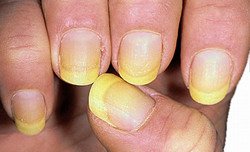 In addition to this fungus may develop with weakened immune responses organism, damage or localization of infectious diseases on the skin.
Nail fungus causes painful and uncomfortable sensations in humans. In this regard, with the first symptoms of this disease, it is necessary to proceed to its treatment.
It should be noted that signs of onychomycosis in 30% of cases are similar from symptoms psoriasis, injuries of the nail plate, eczema and other diseases. Therefore, the presence of the fungus must be confirmed using the PCR method, which is highly sensitive to fungal infection. This modern method allows you to identify fungal etiology even for one molecule of fungal DNA in scraping.
It has been experimentally established that with onychomycosis, the patient rarely heals.
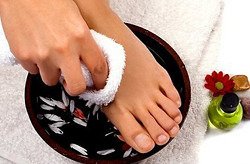 As a rule, the focus of fungal infection spreads to the entire surface of the nail and infects other fingers. Treating a fungal infection is a long process. and depends on the degree of spread of the lesion, the state of the immune system, nail growth rate and other reasons. Most often, the course of treatment is from three months to one year.
In past times, for a fungus, a dermatologist recommended that the patient surgically remove the affected nail plates. But, as a rule, a new nail grew, which was again affected by the fungus. Developed to date many medicationswhich are effective fighting fungal infection. In this case, the treatment of nail fungus should be comprehensive and systemic. Specialists prescribe for patients various creams, ointments, solutions for fungus, special nail polish. If local therapy is not effective, an oral course of antimycotics is prescribed. Important, do not self-medicate, since many drugs have side effects and contraindications during pregnancy, diseases of the endocrine system, gastrointestinal tract, renal failure.
Consider the most productive of them:
Dermatologists during the treatment of a fungal infection recommend handle personal items of the patient, shoes and hygiene items with special disinfectants. Other than that, it’s important not "cure" the disease, and undergo a full course of treatment, as it is possible to resume the disease, which will require new medications.
In order not to become infected with a fungus after a manicure, it is necessary to process nail files and other tools. Disinfection with alcohol is carried out immediately before and after the procedure. The master in the salon does a manicure with gloves, disinfects the client's hands. They use special devices: sterilizers and dry heat. At home, such sterilization is less necessary. Women use solutions to sterilize, boil or heat the oven. After sterilization, the manicure device must be properly stored.
Treatment of nail fungus is a lengthy procedure requiring painstaking and attention. Spores are resistant to external manifestations and to temperatures, therefore, they easily tolerate ordinary washing, and then spread. In case of contact with the infected surface, the person again becomes infected with the fungus, despite the fact that he has recently been treated. If manicure scissors and nail files are not processed with nail fungus and after it the possibility of relapse of the disease increases. Not only the patient who has the disease can become infected, but also healthy family members. On the instruments after the manicure there are leftovers of consumables, leather and grease, which without processing falls into the hands of another user.
Nail salons sterilize instruments after each client, using special devices. Washing with water is not a disinfection. At home, if a person takes care of his nails on his own, you should wipe the scissors and abrasive files with alcohol after the procedure. Every month, the manicure kit (which was used) is disinfected in distilled boiled water. If more than one user makes a manicure with these tools, you need to boil them before and after application.
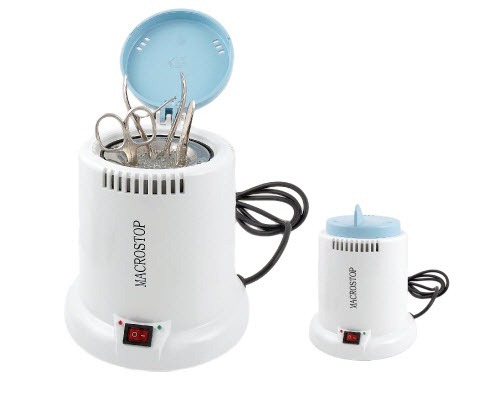 In beauty salons, sterilizers are most often used for processing tools.
 In addition to alcohol and substances for disinfection, various instruments are used to sterilize instruments, with which fungi and germs are removed:
Each of the methods provides for cleaning and deep cleaning of accessories for manicure to protect fingers and nails from infection. Some devices and techniques can be used independently, while others are suitable for nail salons. When servicing a client in the salon, sterilization of instruments is a must.
Special devices for sterilization is one of the methods of beauty salons, where workers have a large flow of customers and there is no way to quickly and efficiently clean accessories after manicure. The devices are expensive, so not everyone can afford to buy such a home. These include devices presented in the table below.
The choice of processing methodology is based on ease of use and the amount of work in the cabin.
Distinguish:
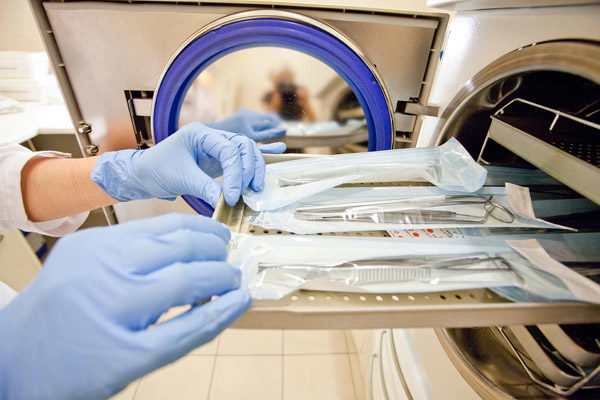
They are a device with 1 or 2 cameras. Ultraviolet neutralize tools with UV radiation; thermal - surround devices with hot steam. It is enough to put the device after the manicure in the chamber, close the lid and start the disinfection process. Different manufacturers lay in the device a different exposure interval. Before placing in the sterilizer, make sure that the instruments are dry.
It differs from the principle of operation of a conventional oven. They are used exclusively for metal appliances; no other material can withstand those temperatures and is deformed. The heating temperature in the cabinet is 300-500 degrees. The approximate dry heat sterilization time is 20-60 minutes, depending on the initial temperature. After undergoing such disinfection, the devices are placed either in a UV cabinet or in a tightly closed container. With this method, the tools are not dull.
Mycosis begins with a harmless speck on the nail, eventually corroding the entire surface and spreading to neighboring tissues. If you start the disease, you can completely lose the nail plates. To avoid further infection, it is necessary to do a medical pedicure with nail fungus, followed by treatment with a special antibacterial varnish. There are other ways to combat fungal infection, but they are more radical, for example, surgical removal of the nail plate.
Damage to the nail plate with a fungal infection is not a reason to refuse to care for them. On the contrary, nails with mycosis need more careful processing: cutting the cracked and exfoliated tips, cleansing of the dead layers. Salon pedicure and manicure is effective in nail care with a fungus, but only if it is carried out by a qualified specialist. Unfortunately, not all salon masters process their manicure sets with high quality. For this reason, when detecting mycosis of the toenails, it is better to make a special therapeutic pedicure.
The service is provided in a private setting and focuses on the aesthetic and hygienic care of nail plates and feet. Therapeutic pedicure for nail fungus is ideal for people with hygienic and aesthetic problems, as it is carried out in a private setting. The procedure is carried out by a podologist - a physician who uses exclusively sterile devices and safe procedures during work. Although the cost of the procedure is slightly higher than with a regular pedicure, the result of cleansing lasts much longer. The average duration of manipulation is 1-1.5 hours.
The procedure for a medical pedicure for nail fungus has only one drawback - a high price. Professional treatment of the affected areas of the nail plate has many undeniable advantages:
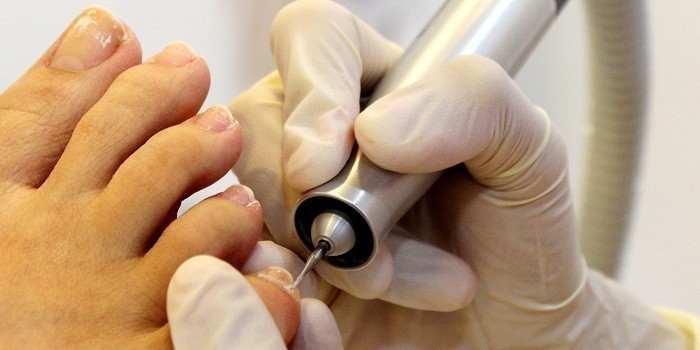
A hardware medical pedicure is recommended for nail fungus (onychomycosis). Cleaning accelerates the healing of the nail plate, makes the toes more attractive. Therapeutic pedicure is a great way to destroy pathogenic fungal spores at an early stage. Dermatologists say that with on-site cleaning, onychomycosis can be cured even if 60% of the nail area is affected.
You must sign up for the procedure immediately after the onset of the first symptoms of the disease: darkening or yellowing of the nail, peeling or redness of the skin on the foot. Medical pedicure is also indicated in the following conditions:
Hardware cleaning of nails from fungus
Very high sanitary requirements are imposed on a medical pedicure. Sterilization of metal nozzles is carried out at the same level as dental instruments. Some hardware devices are disposable. After each treatment, they are disposed of. The remaining instruments undergo surgical autoclave sterilization at high temperatures. Devices for medical pedicure with nail fungus are equipped with a variety of grinding nozzles, due to which various manipulations are carried out, up to foot massage.
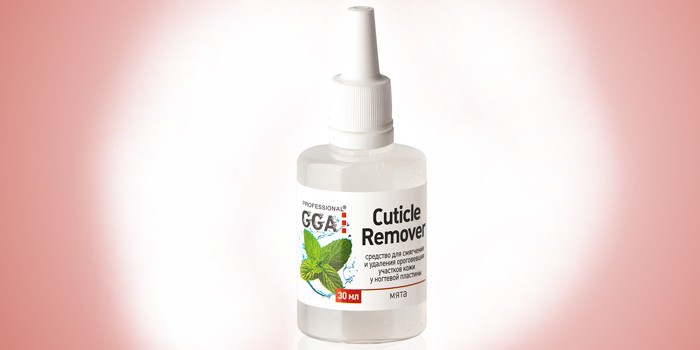
Medical pedicure for nail fungus does not require special training. It is carried out without the use of water, as in the usual procedure. Feet do not need to be wet and steamed, because excessive exposure to moisture can provoke an increase in the area of \u200b\u200binfection with the fungus. Feet are treated with a remover (disinfectant), which also softens the skin. Such drugs have an antiseptic, healing, regenerating effect. The components of the remover provide restoration of the water balance of the skin of the feet, which is necessary for patients with mycoses.
Medical pedicure is carried out in several stages:
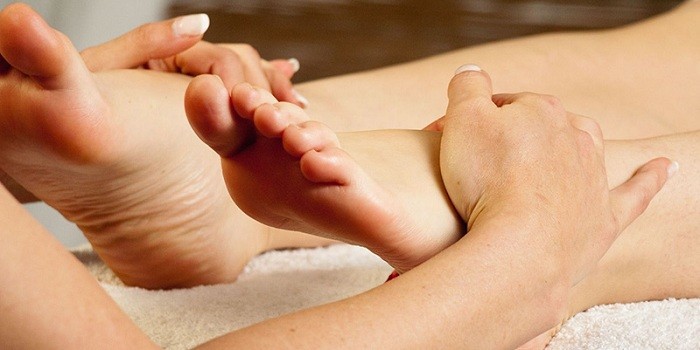
Unfortunately, there are not always free funds for visiting a pedicure salon. If a nail fungus has arisen, then at the first stage of the disease you can get rid of it at home, if you do therapeutic pedicure yourself. Step-by-step instruction:
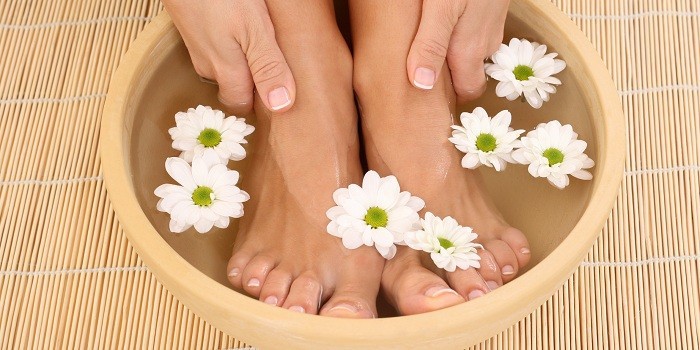
Therapeutic pedicure performed at home will not give high efficiency, because the person does not have special equipment. For this reason, thickened and affected by the fungus tissue will not be completely removed. To increase the effectiveness of home pedicure should be done more often than in the salon - 1 time per week. The advantage of the procedure performed independently is the saving of money.
Hardware medical manicure and pedicure are done in podology centers, which are numerous in large settlements. If there are no such institutions in your city yet, then you can seek help at a beauty clinic or medical office. In Moscow and St. Petersburg, the specialist podologist can be found at.
Onychomycosis is not a reason not to do a manicure. Nail fungus requires a special approach to this cosmetic procedure and to the venue.
Let's talk in more detail where and how to care for nails with a fungal infection.
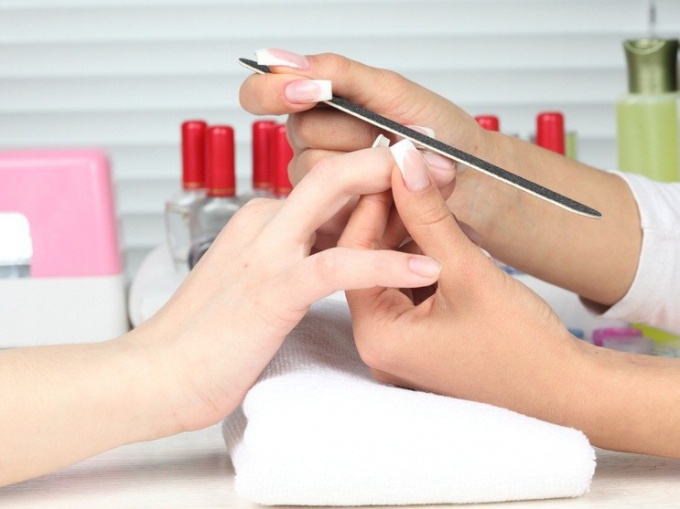 Mycologists consider salon manicure in this situation not a very successful undertaking, because:
1 . To care for diseased nails, it is necessary to use a separate set of tools (milling cutters with hardware manicure) for each finger. This rule minimizes the entry of pathogenic spores from a diseased finger to a healthy one. Not every salon is ready for such a turn of events.
In addition, many manicure rooms treat tools with ultraviolet light, boiling, or soaking in an alcohol solution. This sterilization method is powerless against fungal strains. Only an autoclave or a dry heat oven can completely destroy them.
2 . Before starting the procedure, in order to avoid the spread of infection, the client's hands are treated with an antifungal composition that the master does not always have.
3 . If you go to the salon, you took all the necessary tools and disinfectants from home, then in this case, salon masters may refuse to provide the service. The lack of special equipment equipped with a vacuum cleaner that instantly collects fungal spores from the work surface will jeopardize the health of visitors. After all, microorganisms flying around the premises are extremely tenacious and can infect customers for a long time.
 4
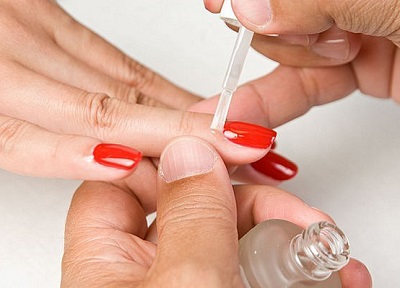
. Is it possible to paint nails with fungus varnish in the salon? Not a single professional manicure and pedicure master will make a decorative coating on a sore nail plate. An aggressive environment and lack of air circulation will aggravate the disease, allowing the infection to penetrate deeper into the tissue. Large medical centers are the place where you can paint your nails when treating a fungus.
4
. Is it possible to paint nails with fungus varnish in the salon? Not a single professional manicure and pedicure master will make a decorative coating on a sore nail plate. An aggressive environment and lack of air circulation will aggravate the disease, allowing the infection to penetrate deeper into the tissue. Large medical centers are the place where you can paint your nails when treating a fungus.
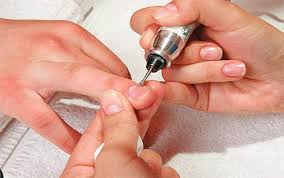 Professional care for sick hands and feet can be obtained in medical offices, which are most often located in large medical centers. The cosmetic procedure is carried out by a specialist with a medical education, able to take into account all pathological changes in the plate and bed. Working tools undergo multi-stage processing, which is used in surgery. Nail files and other materials are disposable.
In contrast to the traditional procedure for limb care, the medical process includes healing and restorative manipulations using antifungal agents and removing lesions. In complex cases of onychomycosis, the doctor thins the plate to better get the medicine in the bed. Prescribes laser physiotherapy.
In the medical manicure room, the specialist will explain to the client how to do a non-trimmed manicure and how to paint the toenails with the fungus if he will do pedicure / manicure at home:
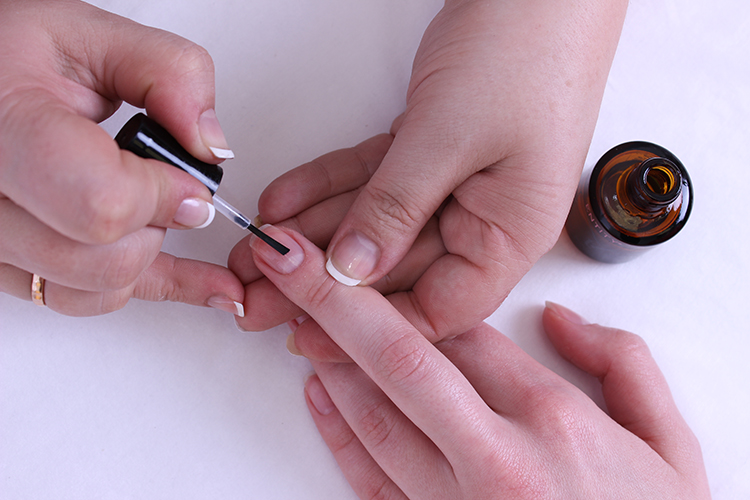 1
. For daily care of the nails on the hands and feet, antifungal colorless agents such as Loceryl are used. The therapeutic course lasts at least three months. Therapeutic antimycotic varnish is effective only in the initial stage of the disease, when no more than 15% of the plate is affected.
1
. For daily care of the nails on the hands and feet, antifungal colorless agents such as Loceryl are used. The therapeutic course lasts at least three months. Therapeutic antimycotic varnish is effective only in the initial stage of the disease, when no more than 15% of the plate is affected.
2 . In the composition of decorative varnishes, which are applied only to the base (medical or protective) antifungal coating, dibutyl phthalate, toluene, formaldehyde should not be present.
3 . Decorative varnish with tea tree esters is an ideal prevention of mycosis.
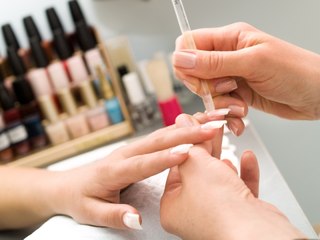 Many patients who were not aware of onychomycosis may encounter the disease after decorative manicure. Why did fungus appear after nail extension?
Fungal infection is very persistent and can exist for a long time, hiding on the finger, not manifesting itself. During the build-up process, small cavities form between the natural and artificial plate - an ideal place for infection to multiply. Spores multiply in a closed, non-ventilated space with lightning speed, capturing the entire area of \u200b\u200bthe nail, deepening into the tissues. In addition, a gel or acrylic coating creates an ideal condition for the infection to penetrate deep into the tissue, which leads to general intoxication of the body.