
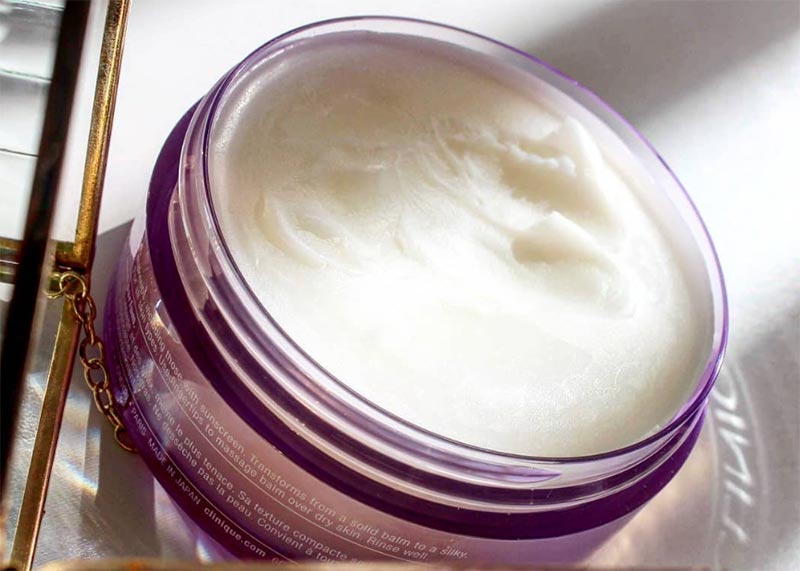
While it may seem like cleansing balms are a new thing that is just starting to have its moment, the truth is that people have been using them for many many years. Theatre actors in the early 20th century relied on balm cleansers to remove the heavy layers of grease paint that they used as makeup for the stage.
This is because balm cleansers were an excellent way of removing heavy layers of makeup gently, without taking a toll on the skin. Instead, balm cleansers leave the skin nourished and supple to the touch.
These days cleansing balms have received a modern twist, and an especially big resurgence on the Asian beauty scene. These wonderful cleansers have predominantly natural formulas, so those in the green beauty realm are also big lovers of these products. They have a similar effect to oil cleansers, but their thicker formula means they’re less messy.
In this article, I explain exactly what cleansing balms are and how they work. I clarify the difference between oil cleansers and balm cleansers. Once you’ve chosen the best cleansing balm for your skin, you want to make sure you use it properly, so you’ll definitely want to follow the directions I give.
A cleansing balm is a type of facial cleanser that utilizes oils and emollients to break down makeup, oils, dirt, sweat and other impurities that might be on the skin. Balm cleansers have the texture of a balm, or in other words, a buttery or waxy texture. They usually melt once heated up a bit, either with the hands or once they come into contact with the face.
Once all makeup and impurities are thoroughly dissolved, balm cleansers may be removed with a washcloth or, in some cases, with just a bit of warm water. Balm cleansers may contain surfactant ingredients, which allow them to turn milky or foamy once they come into contact with water.
In other cases they might be made strictly of oils and waxes, in which case they can only be removed physically with a washcloth, but then they can also double as moisturizers.
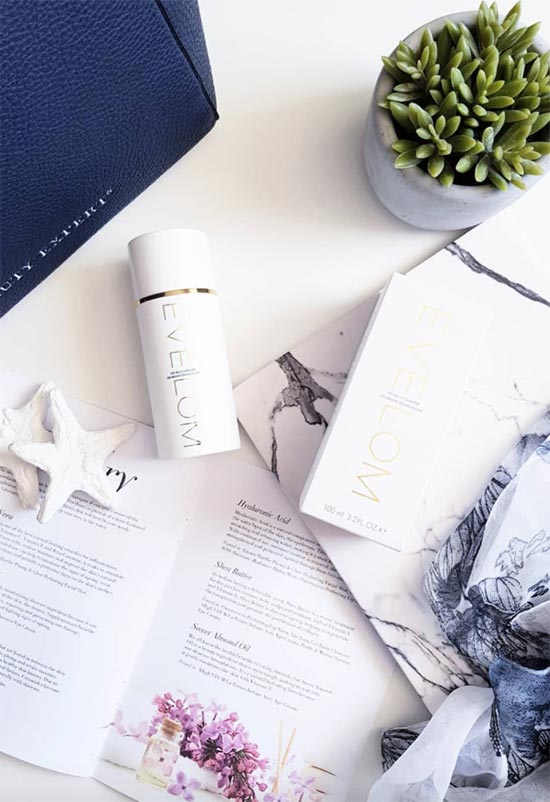
You’ve probably already noticed that balm cleansers sound very similar to oil cleansers. It’s true, the main difference between oil cleansers and balm cleansers is that oil cleansers are liquid at room temperature, while balm cleansers are solid at room temperature.
Both types of cleansers do an excellent job of removing even heavy or waterproof makeup, both leaving the skin feeling super soft and moisturized. In both cases you can have cleansers with or without surfactants.
Some people prefer the easy, fluid texture of an oil cleanser, while others enjoy having to melt a balm cleanser in their hands or by rubbing it into their skin. If you’re clumsy or a fan of travel, you will likely prevent cleansing balms, as they are less likely to create a mess. On the other hand, if you mostly stick to your own bathroom, then oil cleansers shouldn’t pose an issue – especially if they come in a sturdy bottle.
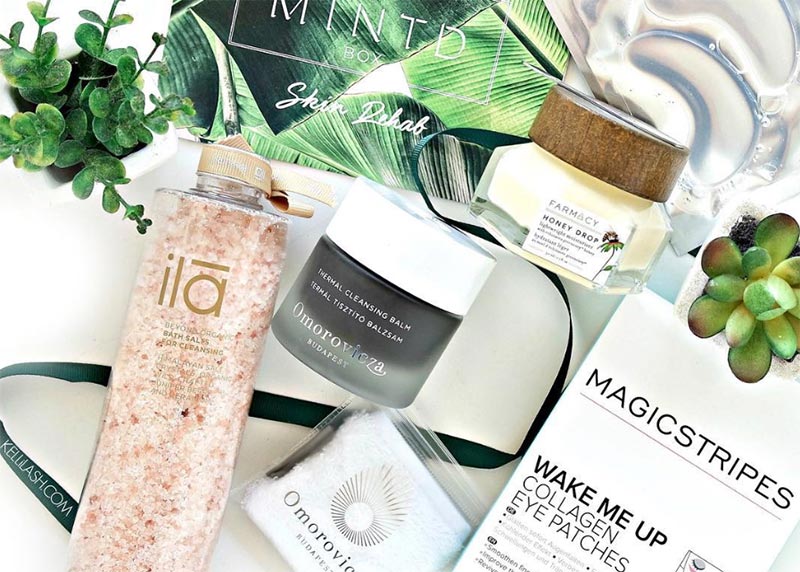
This is how you should use your cleansing balm:
Before you start cleansing, make sure your hands are clean by washing them thoroughly with soap and water. Dry your hands completely, afterwards.
Rub the cleanser between your hands, and then begin massaging into your skin using primarily the top part of the palm of your hand and the lower part of the fingers. Use circular motions, and work upwards. As you massage the balm cleanser into your skin you will notice it melting into an oil-like texture, and dissolving makeup and impurities at the same time.
For cleansing around the eyes, you can use your balm cleanser with a cotton pad, like makeup remover, or you can massage it around the eye area very gently, using the tip of your ring finger.
Once you feel like all makeup has been completely dissolved (this will take between 15 to 30 seconds), you can remove the balm cleanser. You can rinse the balm cleanser away with a splash of lukewarm water, although in most cases it will be much easier to use a damp face cloth or muslin to wipe the face.
Balm cleansers are excellent to use as a first step to double cleansing, if you are a fan of that method. This means that once you’re done removing your cleansing balm, you can go ahead and use a second cleanser. Most popularly, people tend to opt for a gel or foam-based cleanser.
To finish off your skin care, apply your usual go-tos in the following order: toner, active treatments, hydrating essences, serums, and moisturizers. If you’ve followed this routine in the daytime, make sure to finish off with a healthy layer of SPF.
Photos via @beauty.amateur, Instagram