
Do you have curly hair that’s feeling limp, or are you desperately trying to grow your hair out? What if I told you that the secret to shiny, strong, and bouncy hair is probably sitting in your pantry? If you have rice on hand, you’re in luck. Let’s chat about why you need to try a rice-water rinse today and how to DIY.
A rice-water rinse is the process of coating and then rinsing one’s hair with the water kept from boiling or soaking rice. The amino acids, vitamins, minerals, and antioxidants present in the grain have fantastic benefits for hair and have traditionally been used for hundreds of years as a strengthening treatment.
Rice-water rinses are said to have originated in Heian, Japan (794 to 1185 CE). Women had floor-length hair that they regularly bathed in rice water to maintain. This practice isn’t just limited to Japan; women of the Yao tribe in current-day China cut their hair once in their life, maintaining their sometimes-floor-length locks by bathing them in rice water. There’s a reason why this traditional rinse is still in use today; it works.
There are many, MANY benefits to doing a rice water rinse. Hair feeling limp and lifeless? Rinse. Hair lacking shine? Rinse. Having trouble growing your hair out? Rinse.
A rice water rinse can:
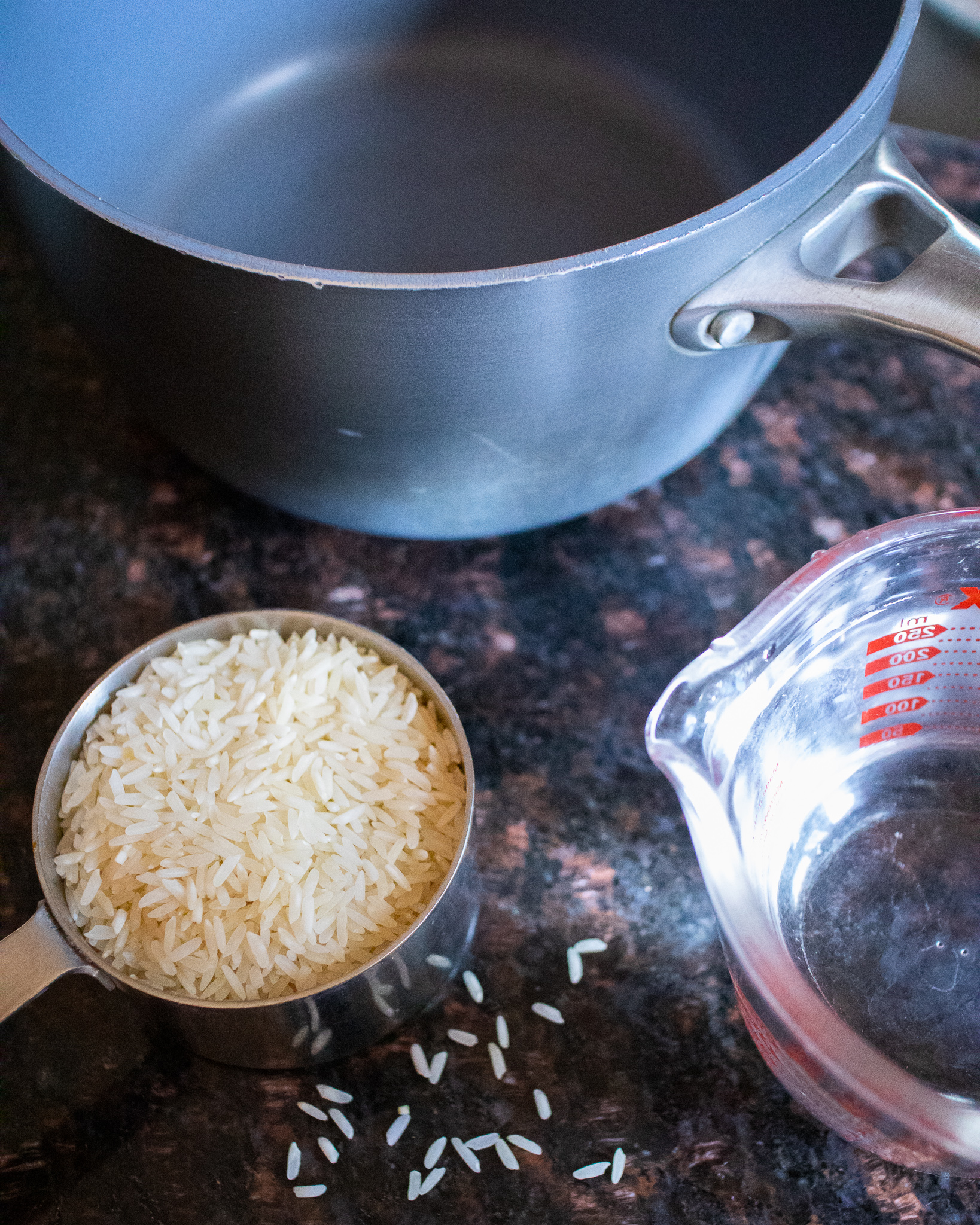
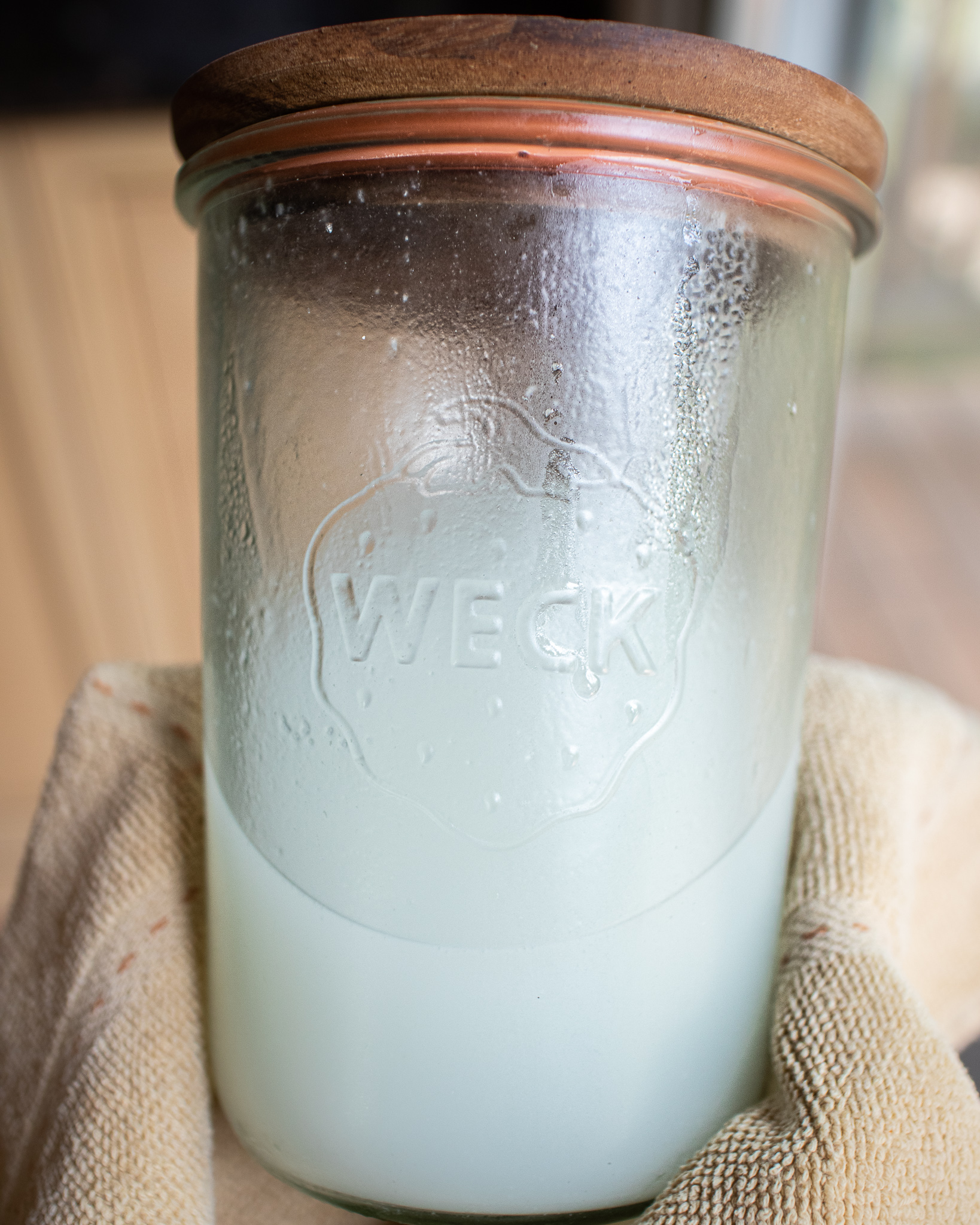
There are three ways you can make a rice-water rinse: via fermentation, soaking or boiling. Note that fermentation is the traditional method; I prefer the boiling method so I can line this rinse up with my dinner. The below recipe works for short-to-medium-length hair. Double the ingredients for longer hair.
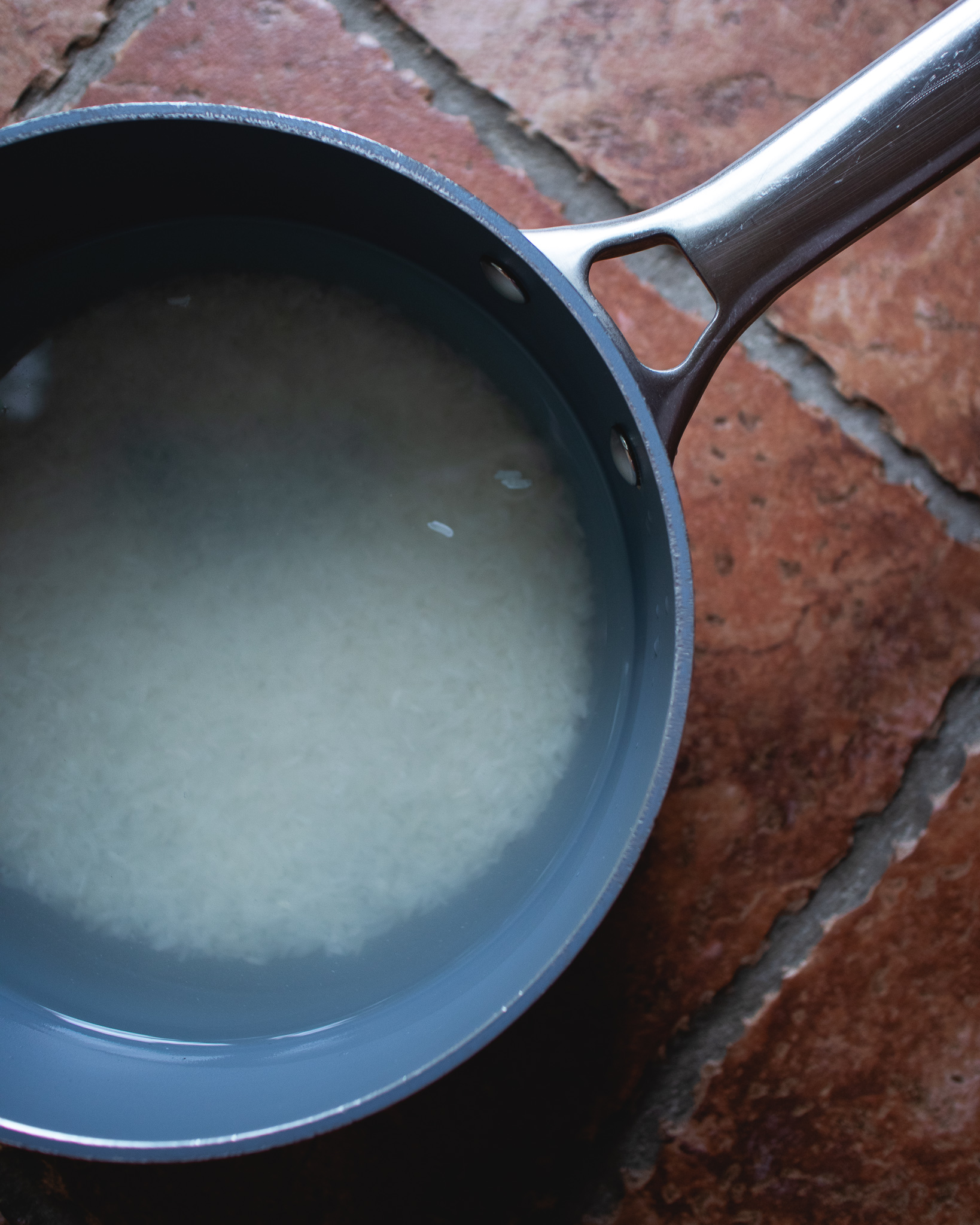
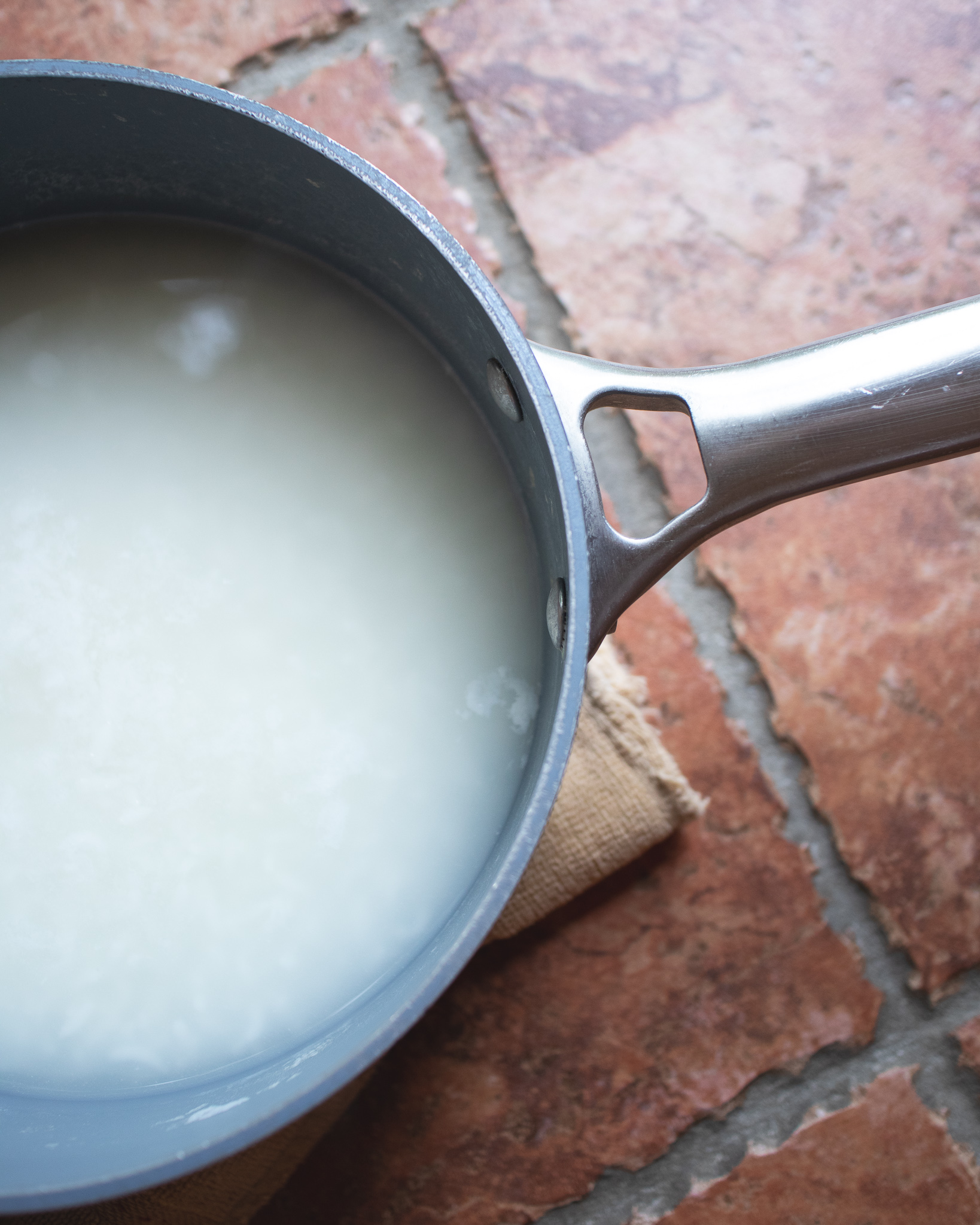
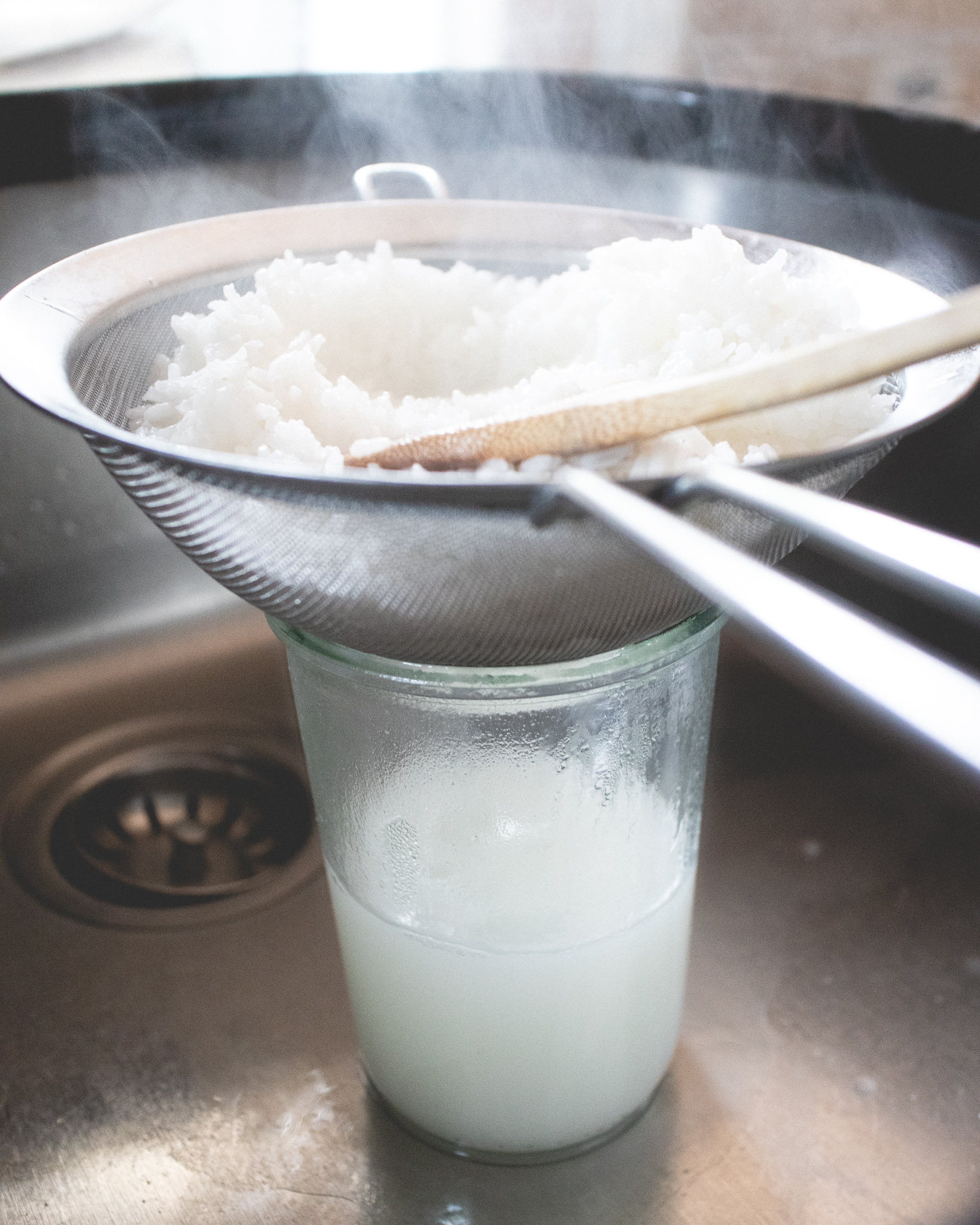
There are multiple ways you can use rice water. I tend to like doing a straight rinse as my hair is usually on the verge of being over moisturized (more on that later). Here are two ways to use your treatment:
AdvertisementDoing a straight rinse involves putting the rice water directly onto your hair and nothing else.
Many people like to get two treatments in at once and mix their rice water in with another treatment.
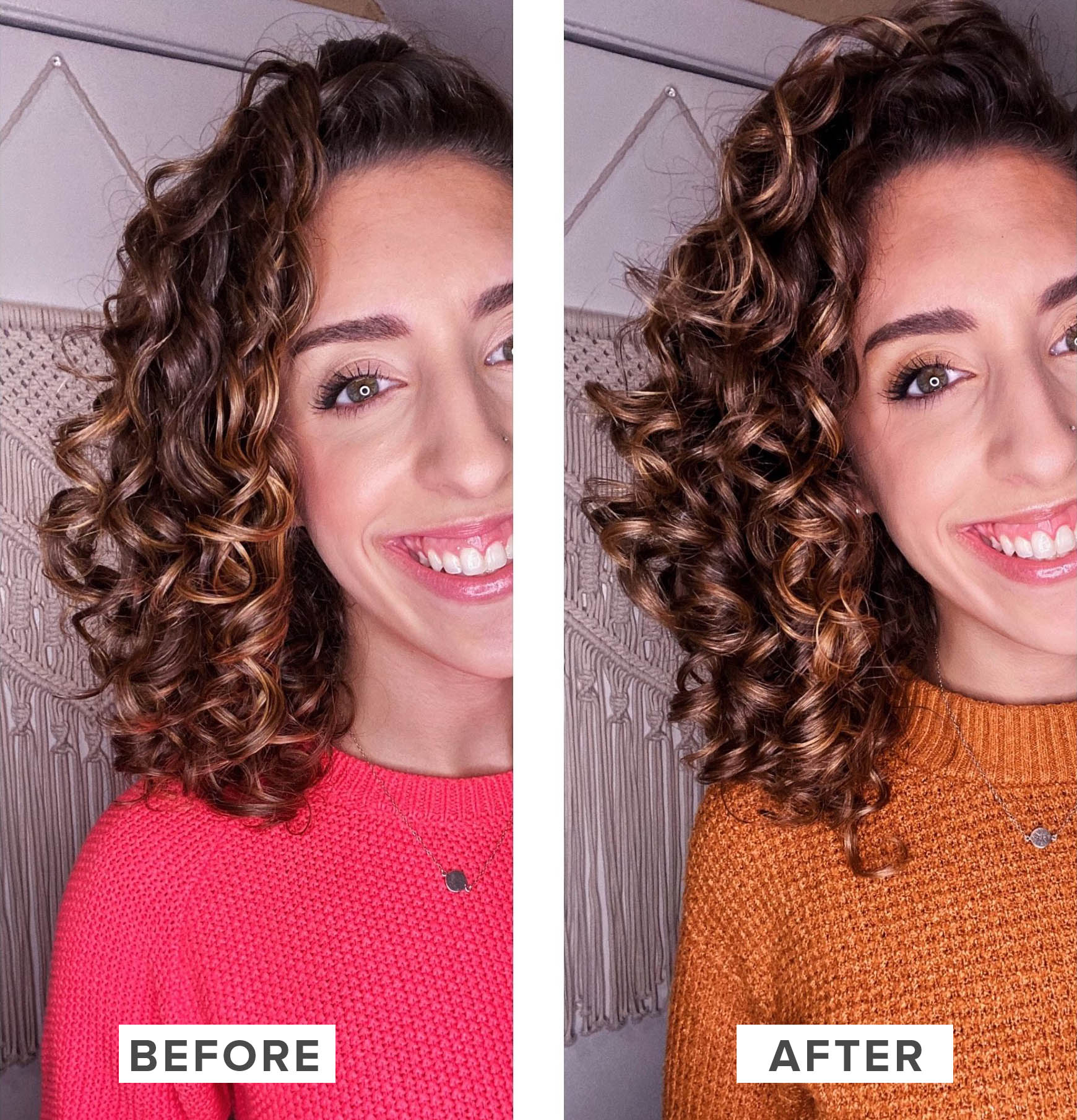
After doing a rice water rinse my hair IMMEDIATELY springs up. There is such a difference in how the curls behave; my style lasts for days after a treatment.
Here are my results after one of my first rice water rinses. These photos were taken mere days apart. You can really see just how much body I’ve gained in the after.
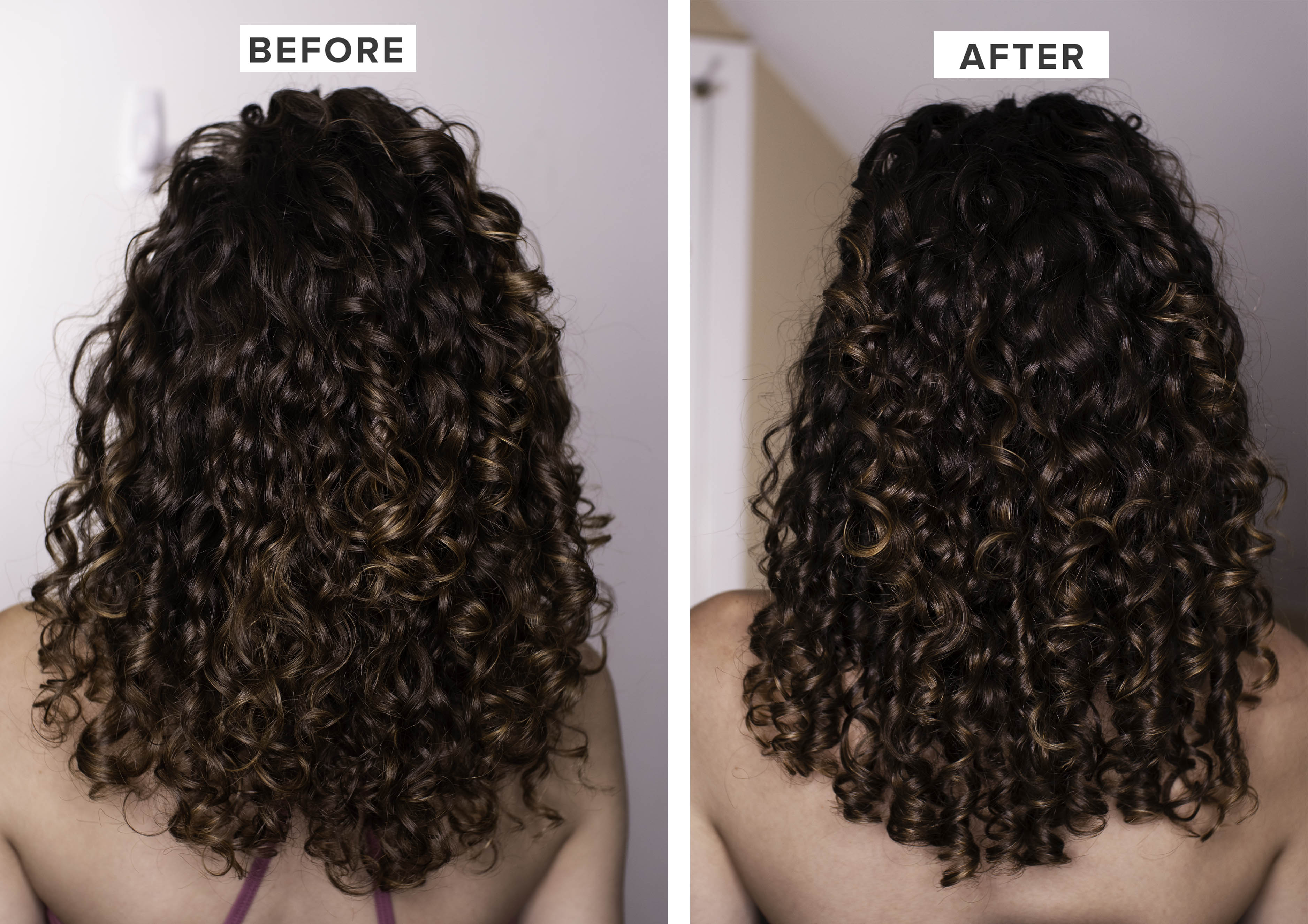
Here are my results after a recent treatment. Note the differences in my curl pattern, particularly near the ends of my hair!
Once a week would be the shortest amount of time in between rinses that I would recommend, but it’s important to recognize when your hair needs it. To understand how often you can do a rice water rinse, you have to understand the concept of protein-moisture balance.
AdvertisementHair products and DIY treatments can contain ingredients that are moisturizing and/or contain protein. A rice-water rinse falls into the protein category. If you use too much of either category, your hair can become off-balance. Too much moisture can lead to limp and lifeless hair, whereas too much protein can lead to hair that feels dry, straw-like and frizzy.
So, how do you know when your hair needs what? To give a personal example, I have curly hair and have a TON of different styling products in my arsenal. If I use too many moisturizing products in a row, I find my hair becomes limp and lifeless, which means it’s in need of a protein treatment.
I also have a lot of high protein stylers that I love using. If I do a rice-water rinse after consistently using my favorite high-protein gel, my hair may start to feel a bit dry and stiff. In this case, I would hold off on doing a rinse and deep condition instead.
By paying attention to how your hair feels and what products you are using on a regular basis, you can gauge when it’s time for another treatment! For me, every 3 to 4 weeks seems to be my sweet spot.
Don’t want to go through the trouble of making rice water, or don’t have rice on hand? There are plenty of other protein treatments that work just as well with similar benefits.
A rice-water rinse is an awesome way to give your hair a boost. It’s cheap, easy, and you probably already have everything you need in your pantry.
Want more hair content? Follow me on Instagram and YouTube!