
We all know that protein is an important part of a balanced diet. Protein is what we associate with building strong muscles deep within, but does it have the power to strengthen what's on the outside of our bodies, as well? For example, human hair is a complex fiber composed of dead cells, proteins, water, lipids, pigments, and trace elements. Our hair is actually made up substantially of protein—keratin especially—so it's easy to see why providing protein to damaged hair could be restorative—or at least that's what we turned to experts Daboju Ogboru and Dr. Ava Shamban to find out.
Meet the Expert
Given how widely accessible protein treatments are—you can find them in any haircare aisle, after all—we were wondering whether they actually live up to the hair hype. To satisfy our curiosity, Ogboru and Shamban gave us the breakdown of when, how, and why you should be using protein treatments on your hair. Read on for what they had to say.
@myliberatedbeauty / Instagram
If the hair is made up of protein, why does it need additional protein treatments? According to Shamban, hair naturally loses moisture and nourishment the farther away it is from the root. "As we lose moisture and nourishment, the keratinized protein begins to unravel and break down. It loses strength, elasticity, and the bonds weaken. Rebuilding, supporting, and boosting this protein matrix is key to healthy hair and scalp. This can be done chemically in the salon or more naturally and botanically at home."
Our experts agree that protein treatments are safe for all hair types; however, those with dry, damaged, color-treated, extremely porous, or textured hair will benefit the most. While there is no harm in doing at-home protein treatments, they may not be necessary for those with strong, healthy hair.
Although both in-salon and at-home protein treatments exist, Shamban and Ogboru prefer the latter. "Salon grade protein treatments contain a range of potent and often harsh chemicals, including formaldehyde. Combined with heat, it may actually have a reverse effect and further dry hair," Shamban cautions. However, despite there having been a history of high-intensity chemically fortified keratin treatments in salons, alternatives may now be available, she adds.
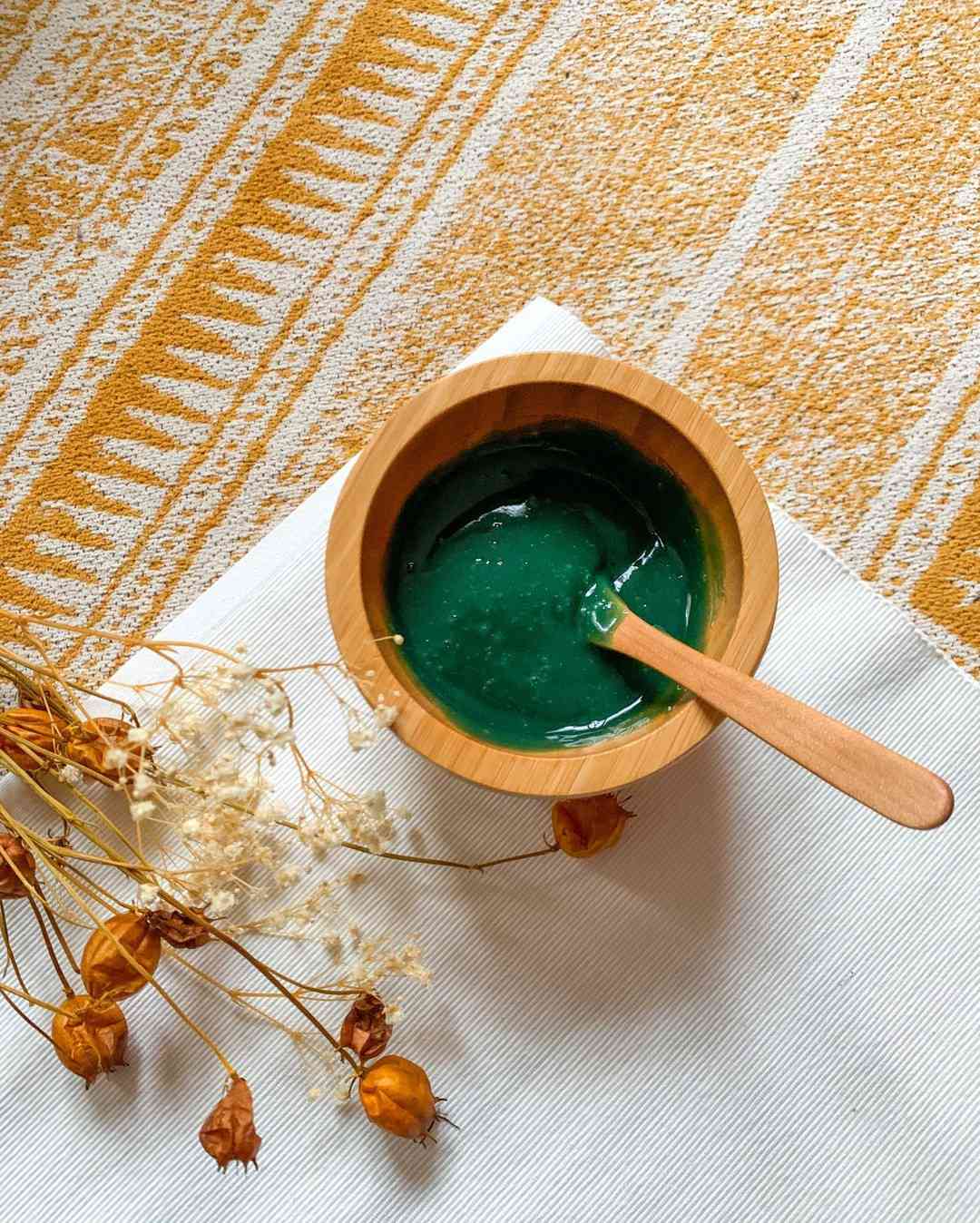
If pursuing at-home protein treatments, there are many options, including DIY masks and hair products that contain protein. But before starting any treatment, both experts recommend first monitoring your hair for protein deficiency which can be mistaken for a lack of moisture. If all checks out (meaning, you could use the protein boost), try an at-home treatment weekly or monthly, depending on the condition of your hair and scalp. Shamban and Ogboru recommend a 30-45 minute application, noting that you can leave some products on overnight. A simple protein heat treatment is as follows:
 Philip B
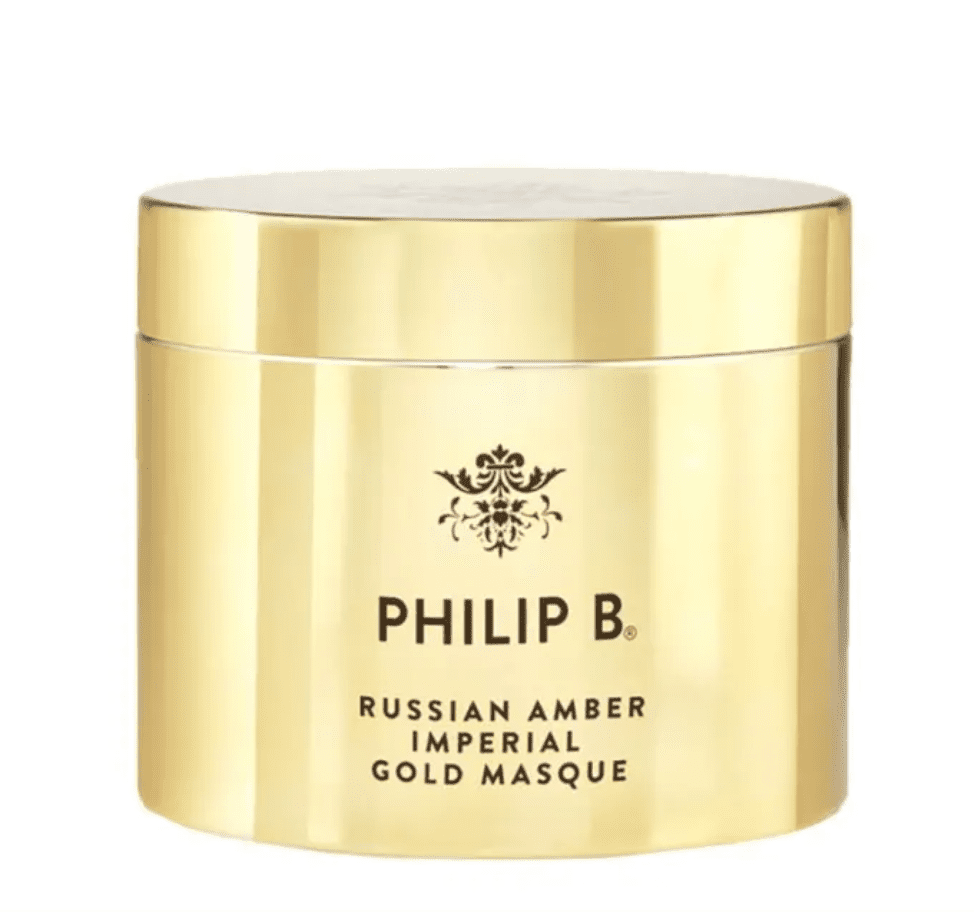
Russian Amber Imperial Gold Masque
$225
Shop
Philip B
Russian Amber Imperial Gold Masque
$225
Shop
There are many protein treatments on the market, each designed for different hair types and textures. "While expensive, this masque made by my friend Philip B is truly worth its weight in gold, and a little goes a long way," Shamban shares. She recommends looking for a pea protein-based product with any in-home product, which combines protein and lipids to amazing effect.
 Elizavecca
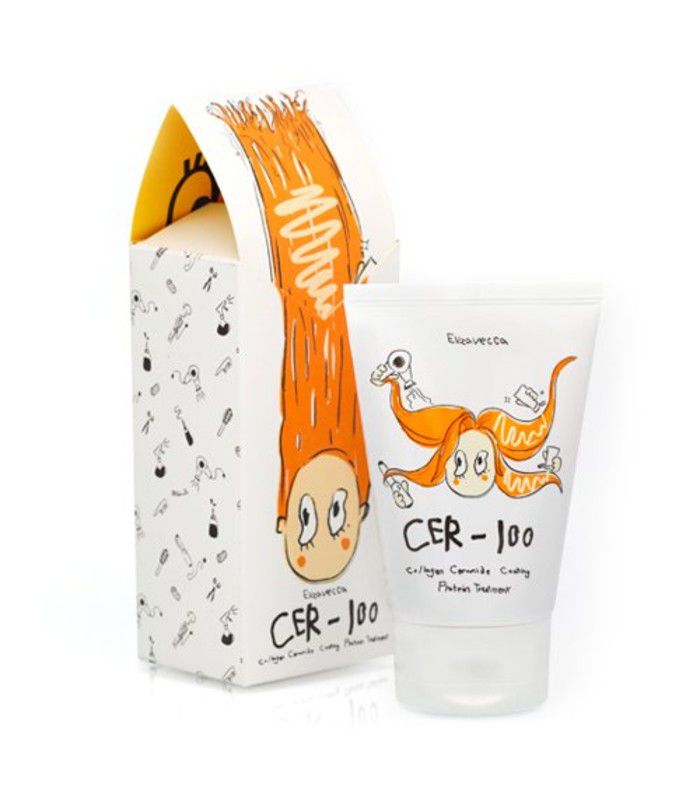
Cer-100 Collagen Ceramide Coating Protein Treatment
$11
Shop
Elizavecca
Cer-100 Collagen Ceramide Coating Protein Treatment
$11
Shop
We'll be the first to admit that we're suckers for cute packaging. So it should come as no surprise that when we saw this K-beauty protein treatment we had to get our hands—or hair, rather— on it. And while it's not uncommon for cute packaging to compensate for less than stellar products, fortunately for us, that's not the case here. Featuring collagen and ceramides, this treatment proves that popular skincare ingredients can also work wonders on hair.
 Aveda
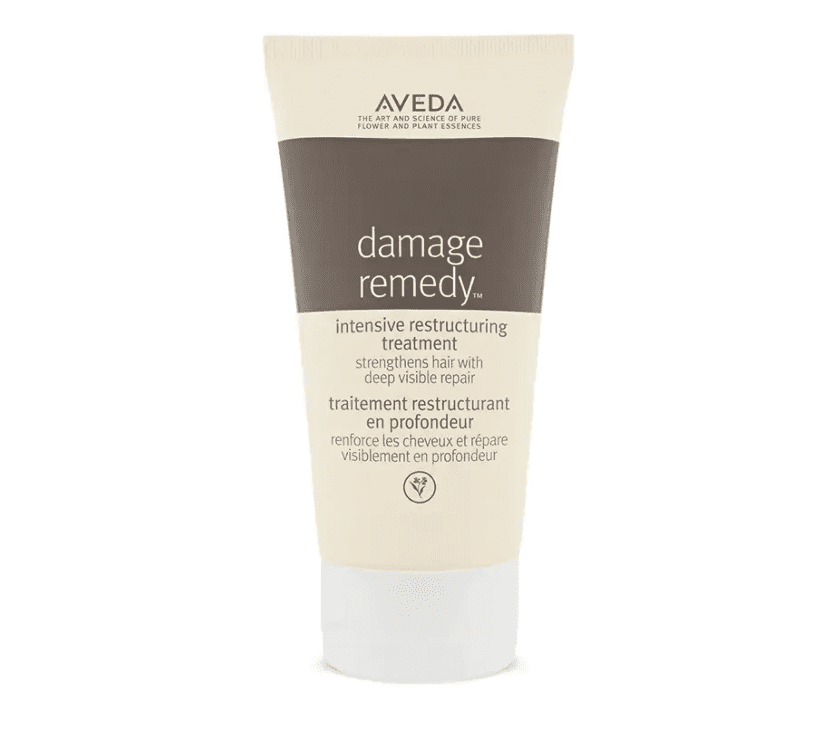
Damage Remedy™ Intensive Restructuring Treatment
$40
Shop
Aveda
Damage Remedy™ Intensive Restructuring Treatment
$40
Shop
If your damaged tresses could use some damage control, then why not reach for this aptly-named treatment by Aveda? As far as home shampoos go, Shamban recommends this one as it uses quinoa proteins and jojoba oil with castor oil to help restore, restructure, and protect against future damage and breakage.
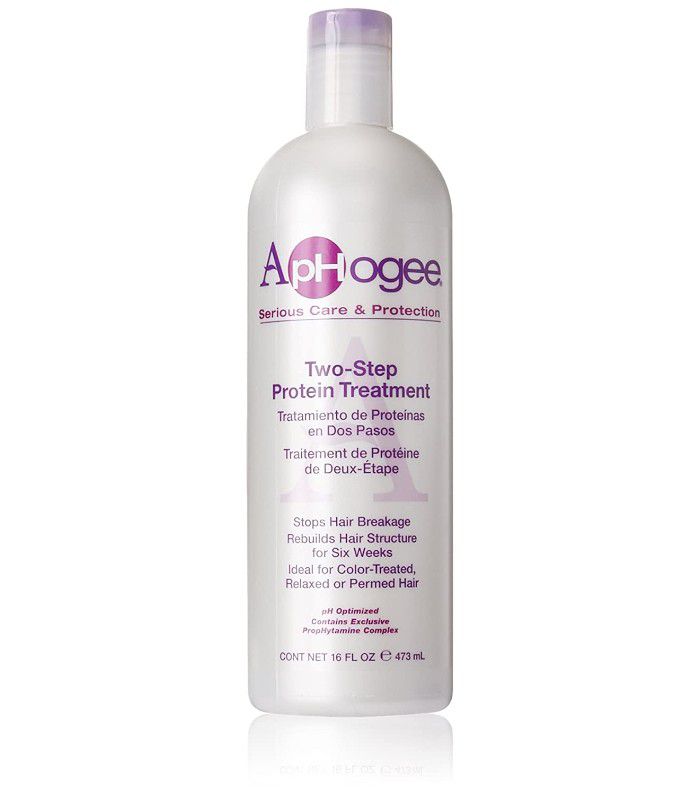 Aphogee
Two-Step Protein Treatment
$24
Shop
Aphogee
Two-Step Protein Treatment
$24
Shop
This two-step protein treatment is a crowd favorite, especially among those with natural hair. It aims to bring you silky-soft strands—but only after turning them rock hard. Don't worry though, that's all part of the process and once complete, your Medusfied mane will spring back to life—better than ever, no less. Apply it directly to strands, combing throughout for even distribution, or our personal preference, via a spray bottle.
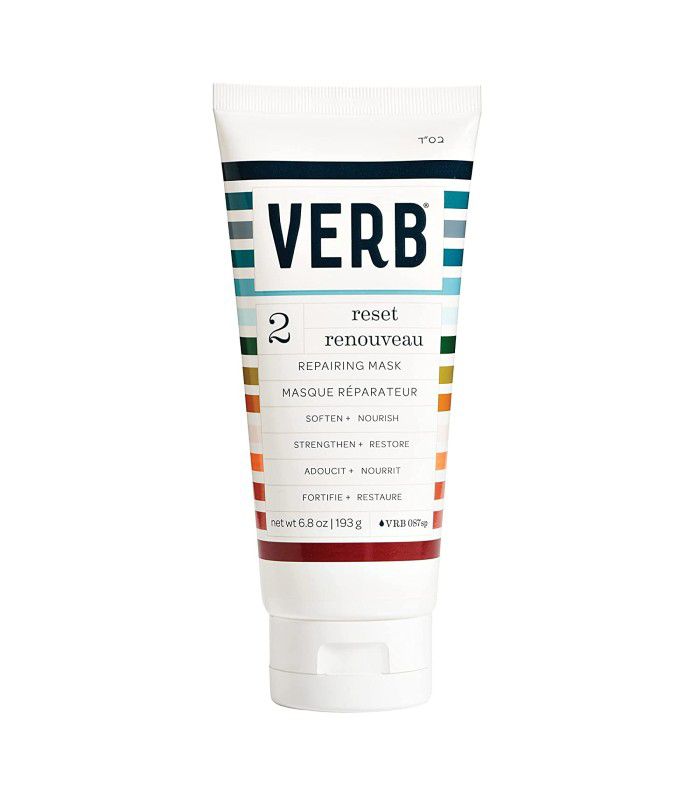 Verb
Reset Repairing Mask
$18
Shop
Verb
Reset Repairing Mask
$18
Shop
As its name implies, this hair mask delivers on its promise of resetting, renewing, and repairing dry and damaged locks. That's all thanks to all-star ingredients like argan oil, green tea extract, and quinoa protein that come together to ward off bad hair days. And while most hair types and textures can benefit from this mask, it's worth noting that keratin-treated tresses don't mesh well with the seawater formula.
FAQYes since heat may amplify the effects of a protein treatment—just don't overdo it. Opt for a low heat setting since high heat can damage hair.
If you gently pull healthy hair, it will stretch before bouncing back to its normal state. However, hair that lacks protein will stretch and then break.
Yes, for best results, protein treatments should be done after shampooing hair.