
For thousands of years, honey has been used as a wound treatment by indigenous cultures worldwide. Naturally golden in hue, honey is rich in nutrients and antioxidants, making it a popular treatment for wounds. The ability to use honey as a natural broad-band antibacterial agent has led to a recent resurgence in its clinical use.
In addition to its medical applications, honey has long been an ingredient in many hair and beauty products. Honey, propolis, and royal jelly are all byproducts of the beehive that have been shown to have cosmetic benefits. Many DIY hair mask recipes call for the use of honey as well, with the intended benefits ranging from motorization to strengthening.
Is there evidence to support the use of honey in hair? We turned to the experts to find out.
Meet the Expert
Keep reading to find out about the benefits of honey for hair.
Honey for Hair
Type of ingredient: Hydrator, strengthener, and antibacterial properties.
Main benefits: Soothes the scalp, strengthens and hydrates hair, and boosts shine.
Who should use it: In general, it can be used by all hair types and textures. Those with dry hair and curly hair may benefit from honey as it helps to boost moisture. Additionally, because it is anti-inflammatory, it can be helpful for those with an inflamed scalp or those with dandruff.
How often can you use it: It's safe to use as a treatment once per week.
Works well with: Coconut or other carrier oils that add moisture to a mixture containing honey in hair treatments.
Don’t use with: There are no known ingredients that negatively interfere with honey. People with allergies to bee pollen can often be affected by products containing honey, so consult a dermatologist before beginning use.
Honey has been used for centuries in folk medicine for wound treatment for its ability to repair skin and natural antibacterial properties. Honey leads to improved wound healing, pain relief in burn patients, and decreased inflammatory responses. With the rise of antibiotic-resistant bacteria, the use of honey is being utilized more frequently by Western Medicine and has been found to be almost equal or have slightly superior effects when compared with conventional treatments. There are many different types of honey, but the one most commonly sought after for medicinal treatments is Manuka honey.
When applied to the hair and scalp, honey is able to provide the same skin regenerative properties to the skin of the scalp. Overall, it provides a great deal of moisture to the hair and scalp. It works as an emollient and conditions the hair and scalp. Once the hair and scalp are moisturized by the honey, it also locks in the moisture as it has humectant benefits as well.
In general, honey can be used by all hair types and textures, including color-treated hair. Our experts agree that honey is safe for all to use, but that some hair types may benefit more than others. Those with dry hair may find honey more helpful, as it will improve shine and soften the hair. Brittle or damaged hair will benefit from the added protein from honey. Curly hair often needs both moisture and protein, so it may be best suited for those with wavy and curly hair. Additionally, because it is anti-inflammatory, those with an inflamed scalp or those with dandruff may also find it helpful.
Honey can be found as an ingredient in many hair products, especially those targeted for curly or damaged hair. Honey is also one of the most common ingredients in DIY hair masks and treatments due to its many benefits and easy accessibility. Honey should be used weekly as a treatment to maximize its benefits. As with anything you apply to your hair and skin, it is important to patch test a small area before applying it to your whole head. There is a potential for allergic reactions when using honey, as Friese explains that people with allergies to bee pollen can be affected by products containing honey.
:max_bytes(150000):strip_icc()/764302231479_image1-22bbc6845218435cb65bfbedad71d470.jpeg) SheaMoisture
Manuka Honey & Yogurt Hydrate + Repair Protein-Strong Treatment
$11
Shop
SheaMoisture
Manuka Honey & Yogurt Hydrate + Repair Protein-Strong Treatment
$11
Shop
Garshick recommends SheaMoisture's Manuka Honey and Yogurt Hydrate + Repair Protein Power Treatment for those with processed, colored, and damaged hair.
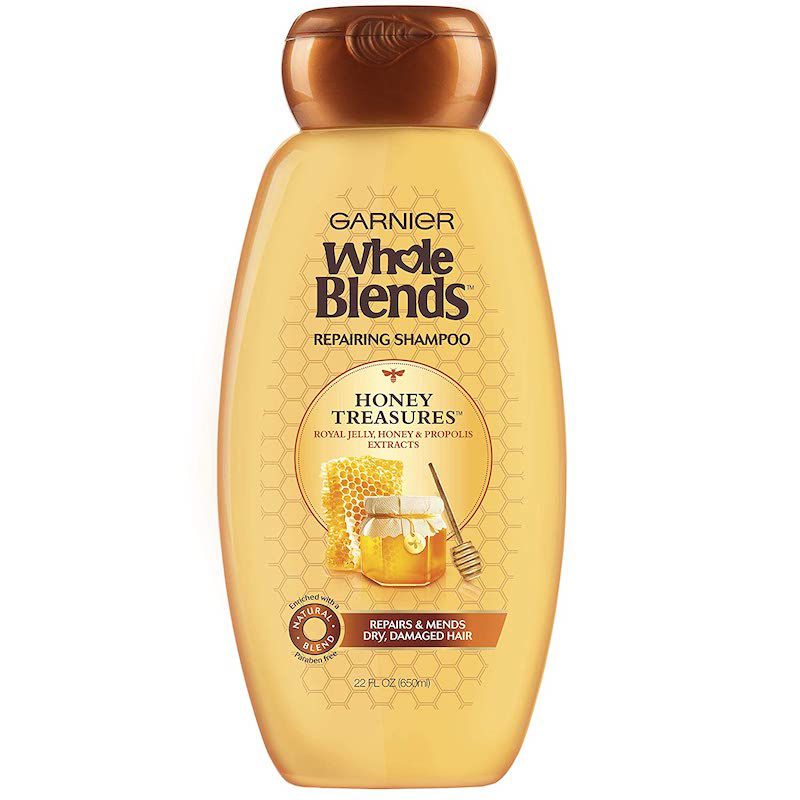 Garnier
Whole Blends Repairing Shampoo Honey Treasures
$14
Shop
Garnier
Whole Blends Repairing Shampoo Honey Treasures
$14
Shop
She also likes Garnier Whole Blends Repairing Shampoo because it incorporates honey, propolis, and royal jelly extracts to nourish, strengthen and repair dry or damaged hair.
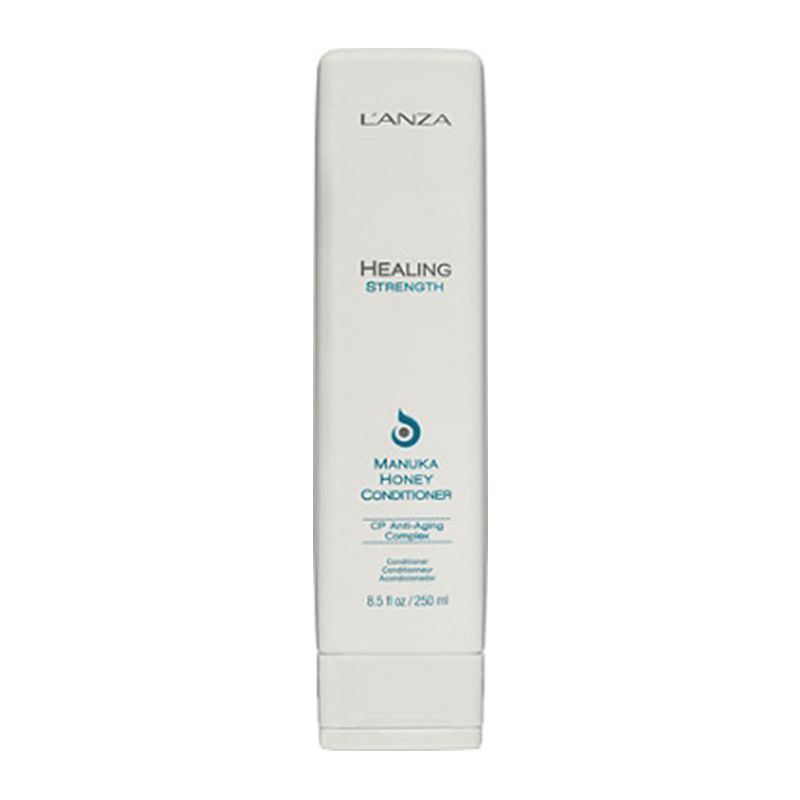 L'Anza
Healing Strength Manuka Honey Conditioner
$31
Shop
L'Anza
Healing Strength Manuka Honey Conditioner
$31
Shop
Friese recommends L'anza's nutrient-rich daily Healing Strength Manuka Honey Shampoo and Conditioner. The conditioner also includes shine-boosting ingredients meadowfoam seed oil and keratin.
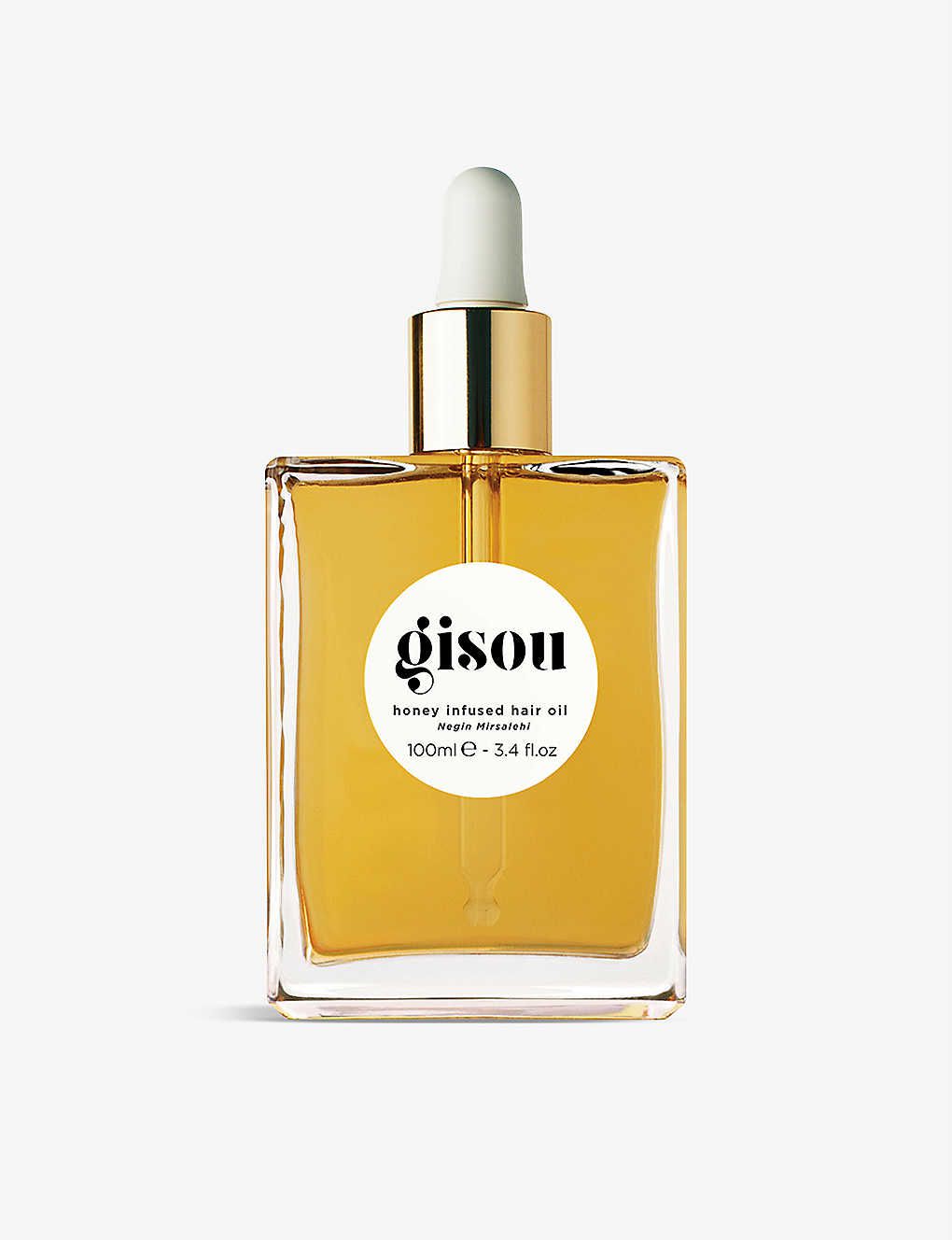 Gisou
Honey Infused Hair Oil
$87
Shop
Gisou
Honey Infused Hair Oil
$87
Shop
For a luxe honey-infused hair product, this Gisou Hair Oil is enriched with sustainably sourced honey from the Mirsalehi Bee Garden. You can use it as a styling product, a hair mask, or even an overnight treatment for healthy, shiny hair.
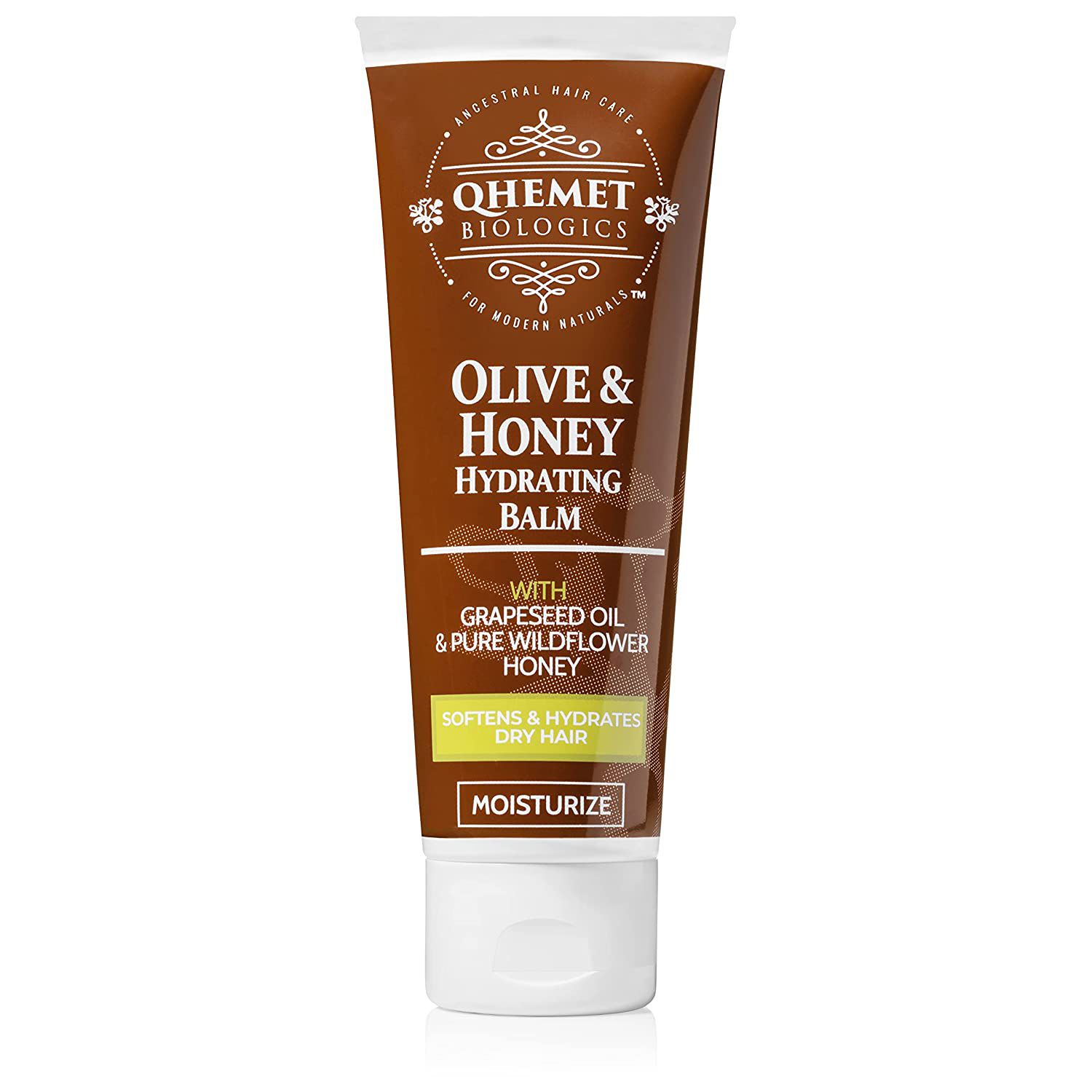 Qhemet Biologics
Olive & Honey Hydrating Balm
$16
Shop
Qhemet Biologics
Olive & Honey Hydrating Balm
$16
Shop
Qhemet Biologics Olive & Honey Hydrating Balm contains pure wildflower honey, along with olive oil and grapeseed oil, for healthy and soft hair. Free of parabens and phthalates, this hydrating balm is especially good for curly 4c hair.
Honey can help hydrate the hair and scalp, prevent dandruff, strengthen the hair follicle, improve overall scalp health, boost shine, and aid in growth.
Though any hair type can use honey in their hair (including those with color-treated hair), people with dry hair may find honey more helpful, as it will improve shine and soften the hair.
People with allergies to bee pollen can be affected by products containing honey, according to Friese.