
For those of us regularly concerned with breakage, it can feel like a constant search for ingredients and products that will help hair thrive. Of course, the search comes with the internal conflict of not wanting to overmanipulate hair to make the breakage worse while also wanting to try new things. Heavy research is key—as well as trial and error—and red palm oil seems to be one of the newest ingredients people are buzzing about.
To find out more about this versatile oil including its myriad benefits, which hair types it performs best on, and exactly how to use it, we tapped experts Jason Emer and Lacy Fields, and Stacy Chimento.
Meet the Expert
Keep reading to learn why red palm oil is a gamechanger for both hair and scalp.
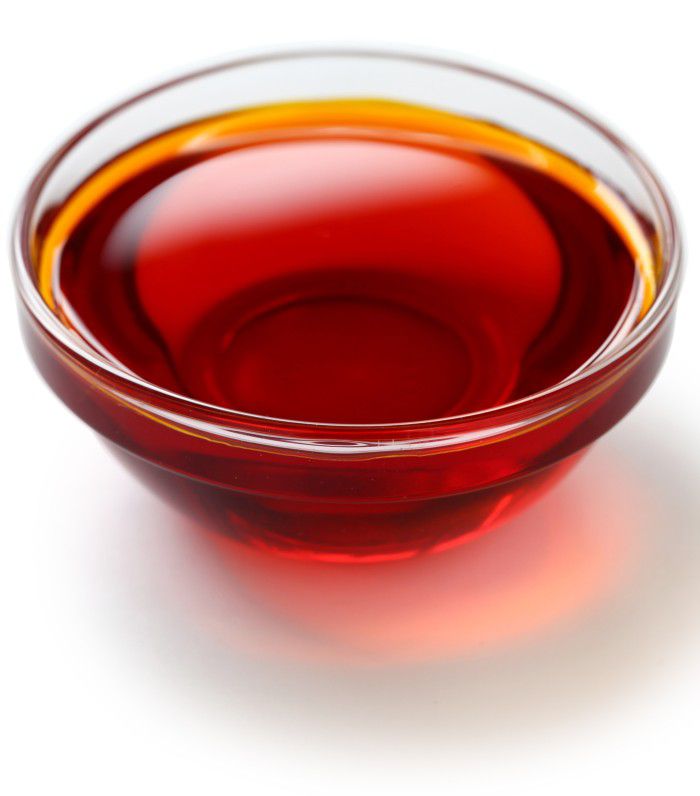
"Red palm oil originates from the tropical oil palm and comes from the same part of the palm tree as palm oil. The difference is, red palm oil is less processed and retains a red color that palm oil does not," Chimento tells us.
Red Palm Oil for Hair
bonchan / Getty Images
Like its name suggests, red palm oil is, well, red. In fact, It gets its color from the same carotenes as sweet potatoes and carrots: alpha-carotene, beta-carotene, and lycopene. And as it turns out, these carotenoids contribute to a number of health benefits for the body and hair. In addition, Emer says that red palm oil is a major source of antioxidants, as well as phytonutrients such as tocotrienols, tocopherols, phytosterols, squalene, and coenzyme Q10, all of which exhibit nutritional properties and oxidative stability. This translates to a bunch of hair and scalp benefits:
@keke.j_ / Instagram
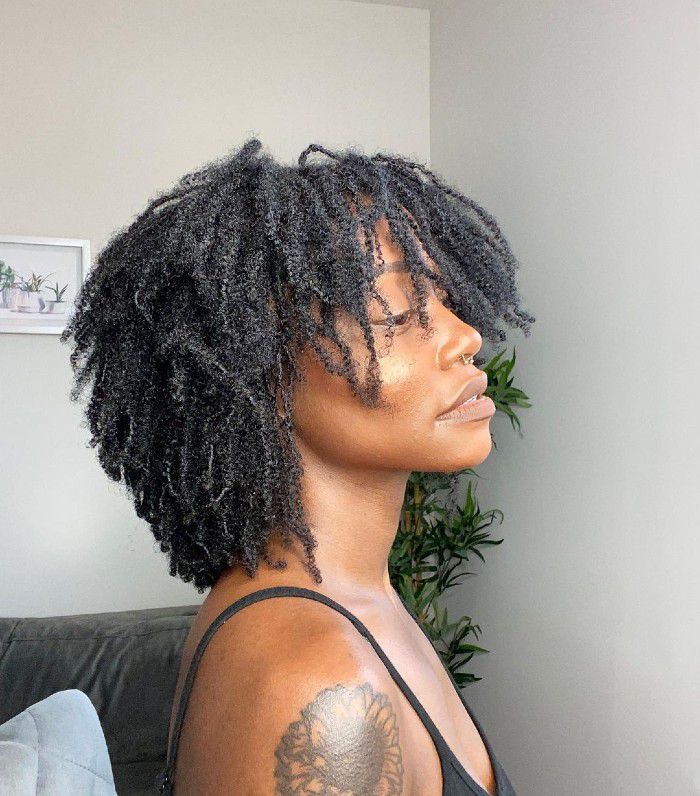
Given all of the hair benefits of red palm oil, it's no surprise that it's a trending natural ingredient in hair care. Still, to determine whether red palm oil is right for you, it's worth considering your hair type and hair concerns first. "If you're looking to strengthen your hair, de-frizz, or even moisturize your scalp, red palm oil may be for you," says Chimento. Basically, anyone who wants stronger hair with less chance of breakage or whose irritated, dry scalp could use some relief might find the oil appealing. However, Fields emphasizes that red palm oil may be too heavy for those with thin or fine hair. She also advises against using it if you've got an oily or acne-prone scalp.
With red palm oil, you don't need a lot of it to reap its rewards. Fields advises that you avoid over-saturating your hair with the oil since a little bit will generally get the job done. And when it comes to frequency of use, Chimento says that red palm oil can be used daily but adds, "a few times a week can be more than enough." We advise finding oil that is pure, organic, and sustainable like Nutiva Red Palm Oil ($12) and then determining the best application method for you:
It's important to make sure your red palm oil is ethically sourced, as some producers of palm oil destroy rainforests, contribute to environmental degradation, and an extreme multitude of other issues for the Earth. You can help to decrease potential environmental damage by purchasing certified sustainable palm oil (CSPO).
Proceed with caution: "The oil is very red in color and can take up to two weeks to be removed from natural or peeling red blondes," Fields explains. If you have light-colored hair, you might want to test leaving it on a section of your hair first to make sure it doesn’t leave a tint (unless you like it, then go off!).
Because red palm oil stimulates a healthy scalp and contains vitamin E, it may help to encourage hair growth and reduce hair loss. However, if you're experiencing significant hair loss or looking for a hair growth treatment specifically, it's best to consult a doctor.