
These cases can be difficult to find and even harder to safely treat.
Collage: Self; Source Images: Martha Bevacqua/Trunk Archive, Tatiana Mezhenina/Getty Images
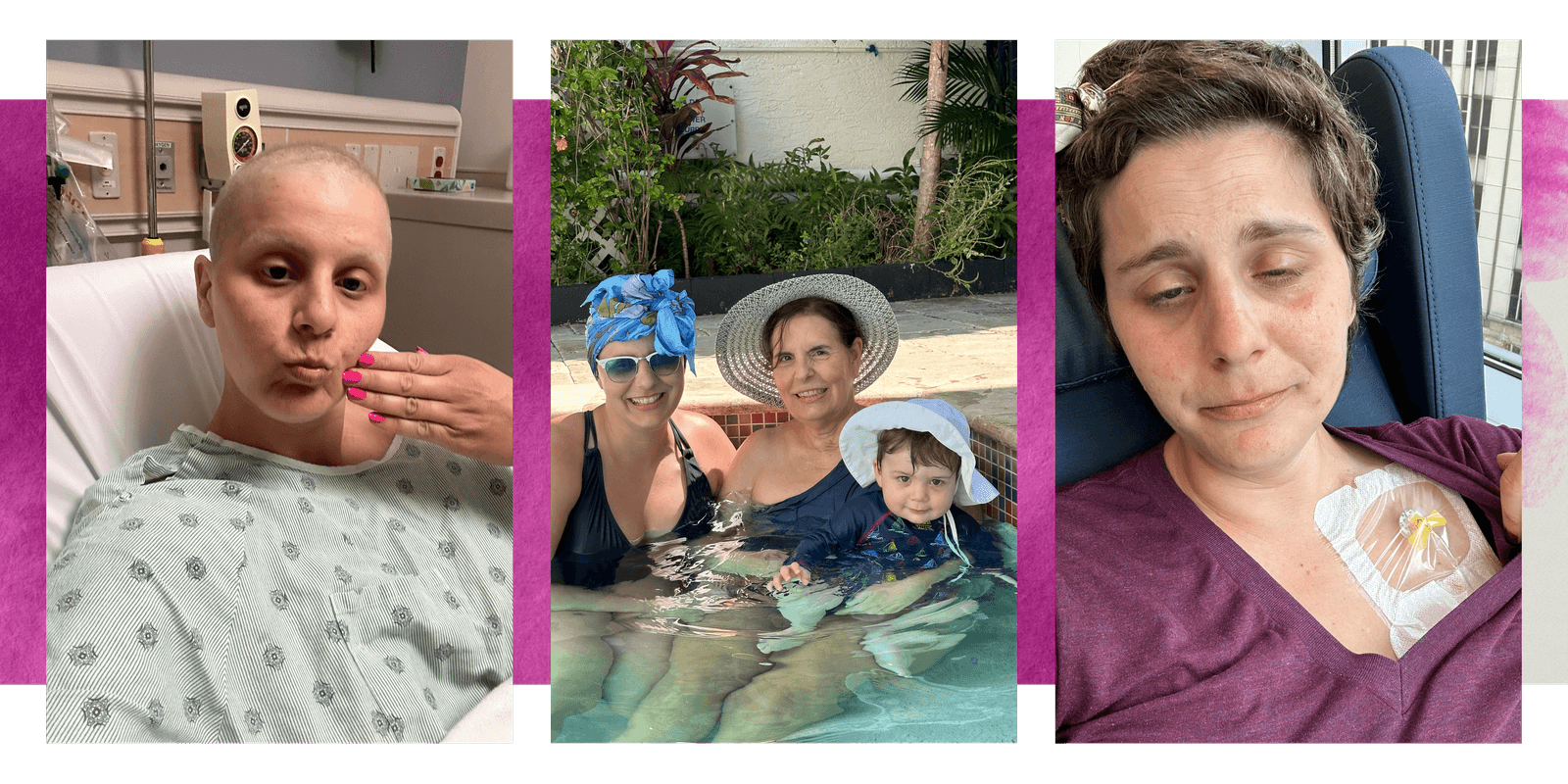
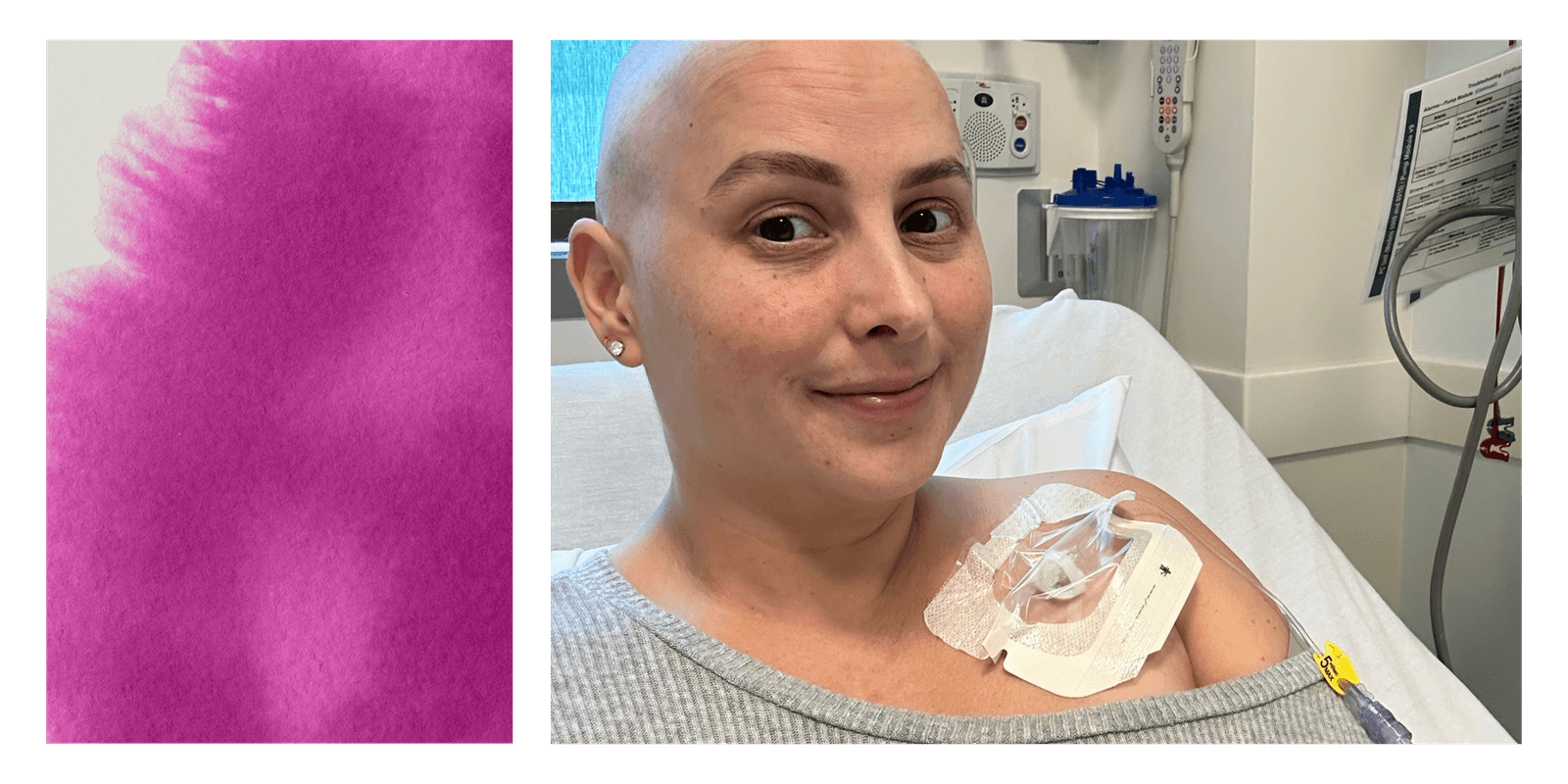
It was in the midst of navigating an onslaught of postpartum challenges mere days after childbirth that Laura Reitsma, then 36, first felt a lump in her right breast. Yet another problem to tackle while grappling with postpartum depression and anxiety, and her baby’s struggles with breastfeeding. When Reitsma surfaced it to her midwife a few weeks later, she was brushed off—so she brought it up with her primary care doctor, who said it was likely just a clogged milk duct and suggested “boob gymnastics” (a protocol of gentle warming and massaging of the breasts).
But by three months postpartum, the bump hadn’t budged. Only when Reitsma pushed her doctor to investigate further did she get a script for a mammogram. It was her first, but she could quickly tell something was off; the tech said they needed more images, then an ultrasound performed by the radiologist himself. He declared the lump “100% cancer” on the spot, she tells SELF.
It’s a diagnosis that seems to fly in the face of conventional wisdom, as experts once thought “pregnancy was all protective [against breast cancer], and the more kids you had and the longer you breastfed, the merrier,” Carmen Calfa, MD, a breast medical oncologist at Sylvester Comprehensive Cancer Center in the University of Miami Health System, tells SELF. Why? Pregnancy makes breast cells more mature and resilient, and puts your menstrual cycle on pause, lessening your lifetime exposure to sex hormones that can fuel cancer. But the fine print is, these perks don’t translate to lower breast cancer risk until 10 or more years after a pregnancy, Dr. Calfa says. By contrast, in the short-term, the flurry of biological changes that comes with giving birth can notch up your susceptibility.
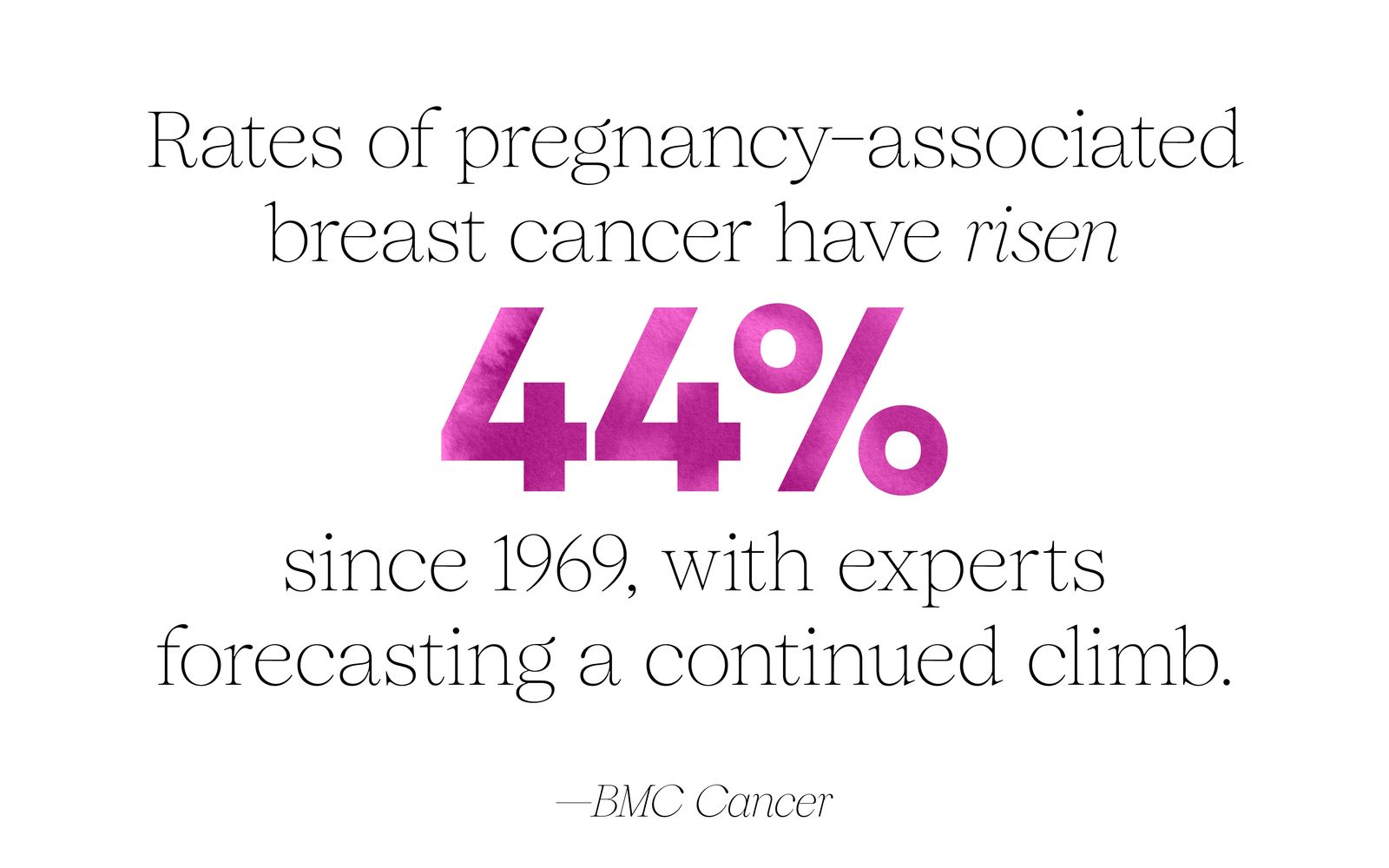
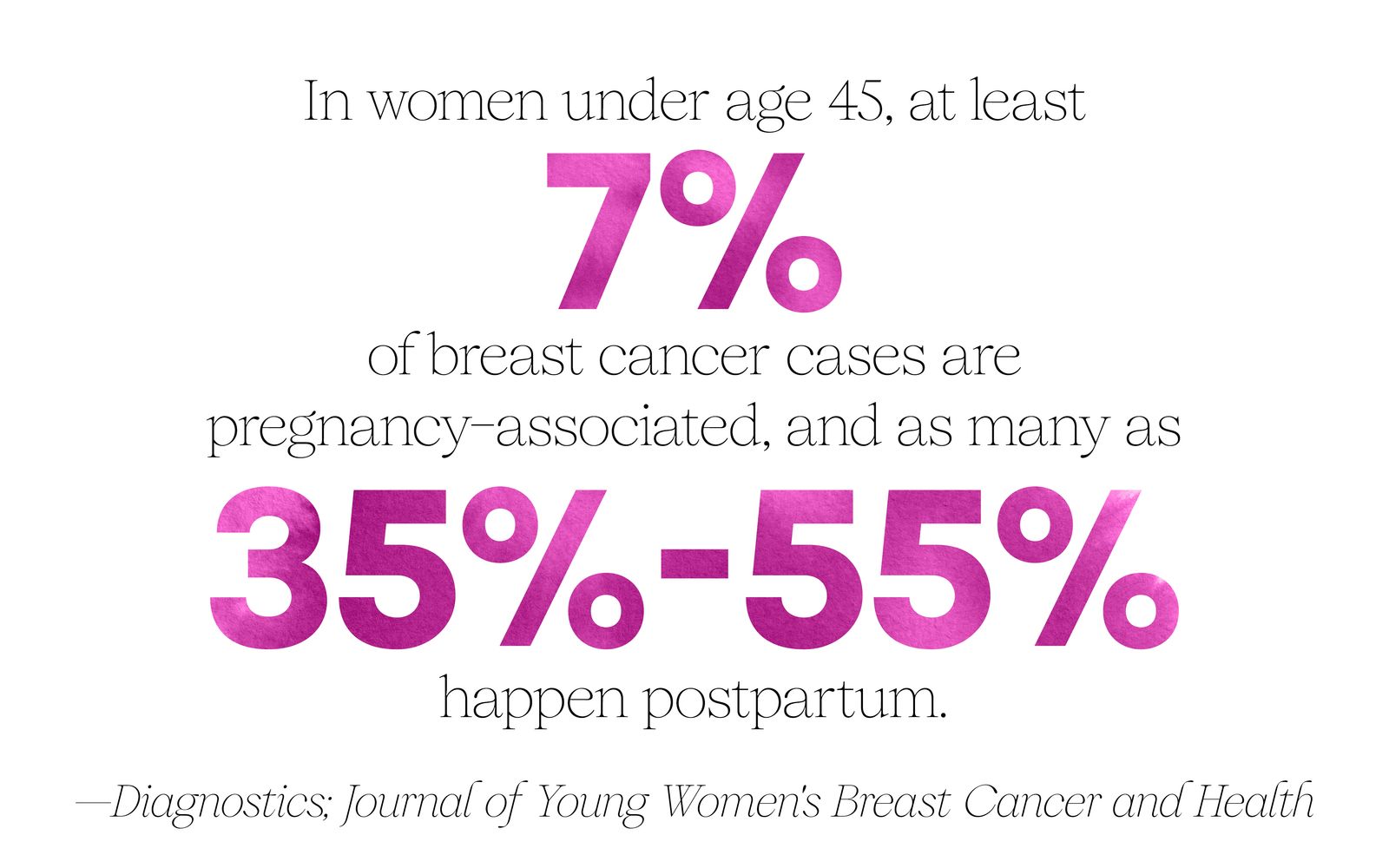
Cases that arise under these conditions are typically called pregnancy-associated breast cancer (PABC) if they occur during or within a year after pregnancy, or postpartum breast cancer (PPBC) if they happen anywhere from 5 to 10 years after childbirth. These definitions can vary (and overlap), but what’s clear is an upward trend across the full spectrum. One analysis suggests rates have risen 44% since 1969—with experts forecasting a continued climb. Though the overall majority of breast cancers still occur outside of pregnancy or postpartum, research shows that in women under age 45 (for whom breast cancer is a growing threat), at least 7% of cases are pregnancy-associated and as many as 35% to 55% happen postpartum.
Below, experts unpack why scenarios like Reitsma’s are becoming more common, what makes breast cancers surrounding pregnancy so tricky to identify and treat, and how to better your odds of avoiding (or beating) this particular beast.
Collage: Self; Source Images: Courtesy of Laura Reitsma
Researchers suspect the upward tick may be tied to the rise in the average age of having a first kid—for women in the US, it’s gone up from about 21 in 1970 to 27.5 in 2023, according to CDC data. And that’s driven, in particular, by the growing birth rate among women in their late 30s and 40s, which has been rising steadily since 1990. The older you get, the higher your baseline susceptibility to breast cancer simply because of damage to cells that happens with age; adding on the risk factor of pregnancy itself could be enough to trigger the disease.
After all, a handful of fluctuations during and after pregnancy may make it easier for breast cancer to appear and thrive, Eleonora Teplinsky, MD, head of breast and gynecologic medical oncology at Valley-Mount Sinai Comprehensive Cancer Care, in New Jersey, tells SELF. For one, there’s the surge of hormones like estrogen and progesterone, which can boost tumor growth. There are also changes in your immune system, “which help your body tolerate the growing fetus but may also lower your ability to fight cancer cells,” Dr. Teplinsky explains. At the same time, your breast cells “multiply rapidly during pregnancy,” Dr. Calfa points out, to prepare for breastfeeding; and afterward, milk-secreting cells die off. These phases of growth and decline “create an opportunity for breast cells to go off their normal axis and get a life of their own,” Dr. Calfa says. Research suggests being older at childbirth makes weathering these typical pregnancy changes more risky.
Separately, experts suspect environmental exposures and lifestyle trends (like being more sedentary) are driving up breast cancer cases in young women more broadly, Dr. Teplinsky points out. As diagnoses increasingly encompass younger demos and childbearing shifts older, it only makes sense that there would be more overlap between the two.
Nothing seemed out of the ordinary for Natalia Socorro, then 34, when she sensed pain in her left breast after breastfeeding her fourth child for about a month. A couple tiny bumps were tender to the touch, and her milk was taking longer than usual to dry up, she tells SELF, but she just blamed the wear and tear of being pregnant four times in four years.
Collage: Self; Source Image: Courtesy of Natalia Socorro
It wasn’t until several months later that Socorro woke up with “a huge lump” that, she says, seemed to have grown overnight. She’d had half-implants placed in her 20s and assumed her left one had become “encapsulated” (or, engulfed in fibrous tissue). Her plastic surgeon also figured as much, and they set a surgery date a few months out to remove the implants. Even when a jagged little bump popped up on top of the larger lump, breast cancer was nowhere on Socorro’s radar. She only surfaced this finding to her ob-gyn weeks later because she was seeing her anyway for her one-year postpartum visit. The doctor was clear: “You can’t have surgery until we know what this is.” Socorro still assumed it to be a cyst or some breastfeeding complication when the ultrasound revealed cancer.
“The challenge is, symptoms like lumps, swelling, pain, skin changes all can mimic normal pregnancy and breastfeeding changes,” Dr. Teplinsky says. So plenty of women like Socorro don’t realize they should seek care; and even if they do, they may be dismissed, just as Reitsma initially was. “I can’t tell you how many postpartum women are told they have repeated episodes of mastitis [a.k.a. an infected milk duct] and treated over and over again with antibiotics only to find out that they in fact had breast cancer,” Dr. Teplinsky says.
Being pregnant when diagnosed adds a big variable to the already complex task of figuring out treatment: the health of the fetus. Though it was once thought that you couldn’t undergo treatment and carry a pregnancy to term, “there are specific chemotherapies that are known to be safe during the second and third trimesters of pregnancy, and lead to healthy babies and beautiful outcomes,” Elizabeth Comen, MD, a medical oncologist specializing in breast cancer and an associate professor of medicine at NYU Langone, tells SELF.
Case in point: Alicia Henry Harris, who, at 37, was diagnosed with breast cancer at 12 weeks pregnant with her third, had a lumpectomy at 14 weeks, and began chemo at 22 weeks—an experience she tells SELF was even harder mentally than physically. “Your emotions are everywhere, your cravings feel bigger, you’re worrying about your baby’s safety,” she says. Ultimately, Harris had to be induced six weeks early, but her baby was born healthy; and with four more months of chemo and radiation, she’d cleared the cancer.
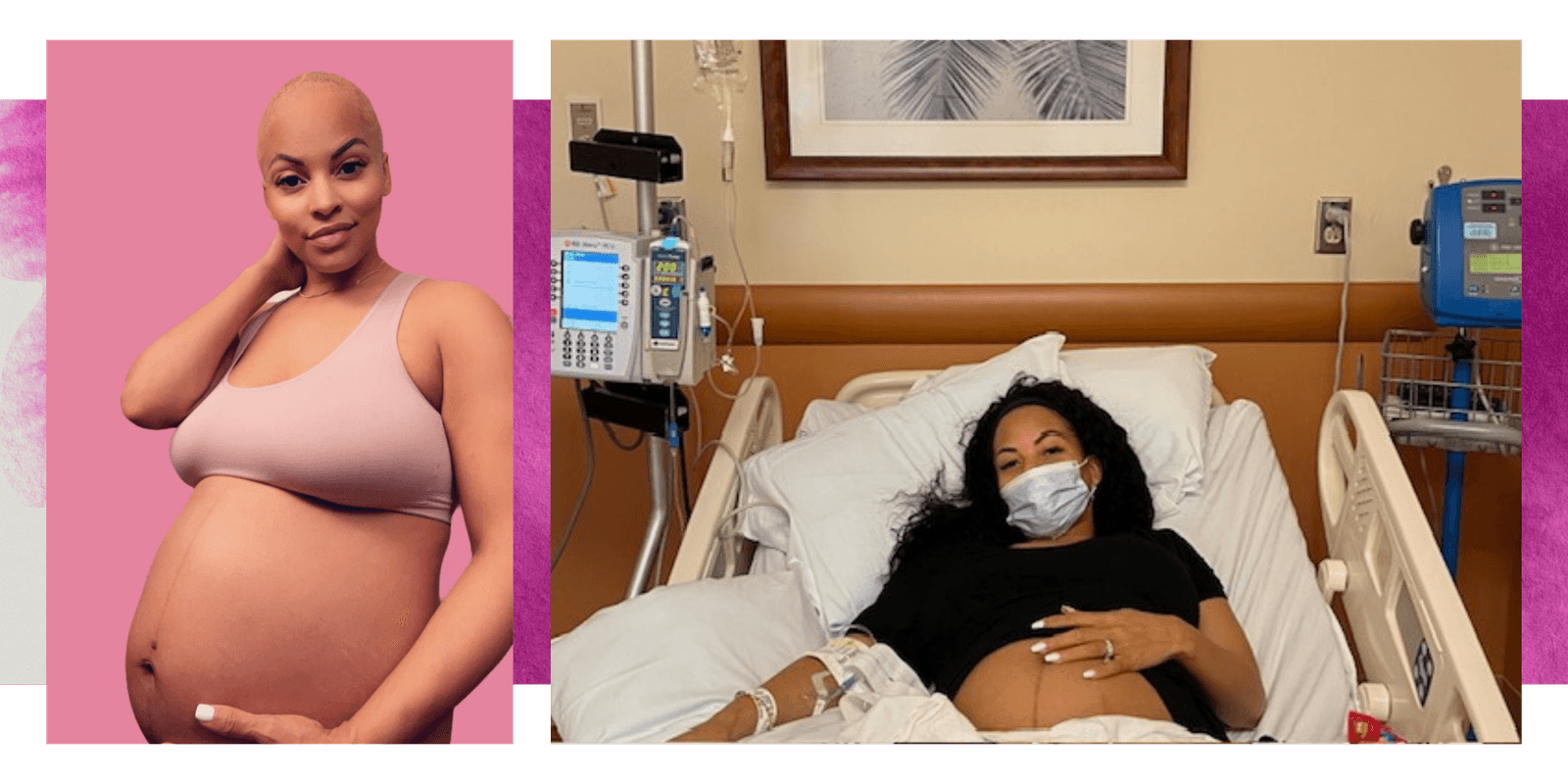
Collage: Self; Source Images: Courtesy of Alicia Henry Harris
But, as Dr. Comen puts it, managing treatment during pregnancy is still a “unique and extraordinary incident.” Indeed, a vast array of factors can make it tricky if not infeasible, including when the cancer is found and its stage, grade, and aggressiveness. In the first trimester, for instance, the only viable option is surgery. And besides being a potentially insufficient solution, having an operation poses some fetal risks and could mean losing your breast(s) and the chance to breastfeed.
Though traditional chemotherapy is possible later in pregnancy, the most effective treatments for common and aggressive types of breast cancer—like hormone therapies and targeted drugs—either seriously threaten a fetus’s safety or carry unknown risks. To make things worse: Pregnancy-associated breast cancers disproportionately fall in these aggressive buckets “and are more often found at advanced stages and grades,” Dr. Teplinsky says, so delaying care could have major repercussions.
When a baby is safely Earthside, options typically open up for treatment. But there is one unique consideration for the postpartum stage, particularly if you recently gave birth—namely, whether you are or are planning to breastfeed, and for how long. While getting a double mastectomy either during or after pregnancy makes breastfeeding impossible, a single mastectomy or lumpectomy doesn’t rule it out. But both surgery and radiation (which is only viable postpartum) could lessen milk supply.
All the systemic medications (chemo, hormone therapies, targeted drugs) can trickle into breast milk and are unsafe for a baby to ingest, so most people diagnosed postpartum are told either not to start breastfeeding or to stop, depending on the timeline, Dr. Teplinsky says, which can feel like a massive loss. Reitsma, for one, says it was “devastating” having to wean her son “just after he finally started feeding correctly.”
In certain scenarios, with ample planning, it may be possible to slot breastfeeding around chemo, Dr. Teplinsky says. Davia Moss—who was diagnosed four days before a scheduled induction for her third child, at age 34—worked with a breast-medicine specialist to figure out how long it would take for the chemo to leave her system after each of eight rounds; she nursed her son in the chemo-free intervals and resumed afterward, even continuing on one breast for months after a single mastectomy. “Breastfeeding was something I was very passionate about,” she tells SELF. And figuring out a way to do it safely while in treatment restored “some of the autonomy I’d had to give up in so many other parts of my life,” she says.
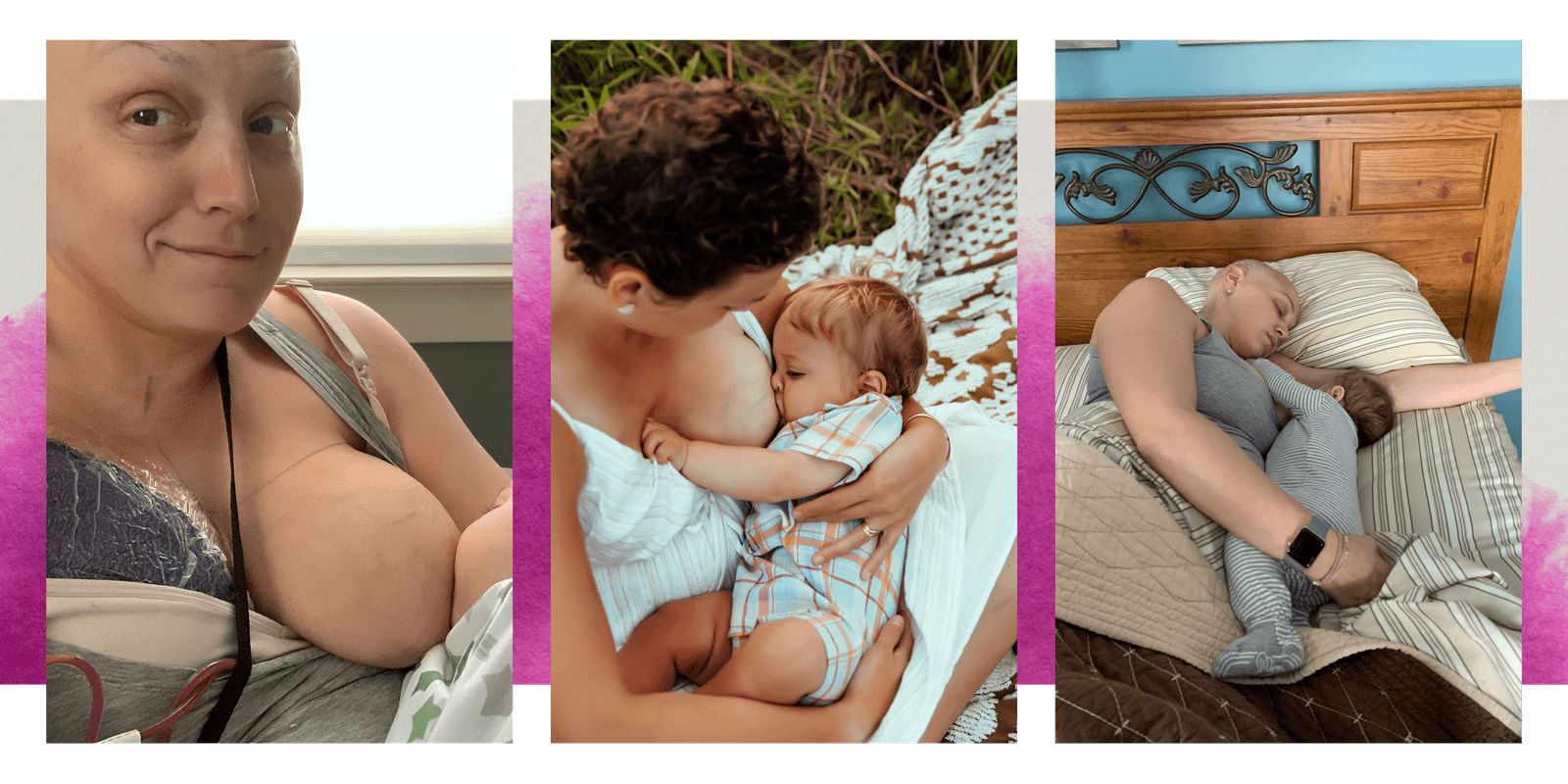
Collage: Self; Source Images: Courtesy of Davia Moss
For plenty of postpartum breast cancers, however, effective treatment hinges on targeted and hormonal therapies that put breastfeeding out of the question; as with during pregnancy, cancers cropping up post-birth are more likely to be the aggressive kinds. In fact, women diagnosed postpartum seem to have a worse prognosis than even those diagnosed during pregnancy, with as much as double the risk of their cancer spreading and of dying from it, for reasons scientists haven’t yet unlocked. That may translate to extended treatment protocols—take Reitsma’s nearly year and a half journey—and additional stress, all while caring for a newborn or young child. “I spent so many weeks, months sobbing in my closet,” Reitsma says. “It was so overwhelming that thank God I was in a postpartum depression program and had access to therapy and medication.”
In cases of breast cancer during pregnancy where the best treatment option is also one that would endanger a fetus, abortion may be a necessary path to care, Dr. Comen says, albeit often an emotionally difficult one. After all, postponing appropriate treatment in the name of continuing a pregnancy can limit how curable your cancer is, potentially threatening your life. And even when it may not risk your imminent safety, juggling both cancer treatment and pregnancy (followed by raising a newborn) could be mentally and physically untenable.
Being pregnant or postpartum while undergoing treatment also makes it tough to safeguard your future fertility (which can be damaged by chemo). While fertility-preserving treatments like egg freezing are often recommended before starting chemo, these aren’t doable mid-pregnancy nor within the first month postpartum or while breastfeeding, Sasha Hakman, MD, a board-certified ob-gyn and reproductive endocrinologist at HRC Fertility, in Beverly Hills, tells SELF. Hence, another conundrum: Continuing a pregnancy during breast cancer treatment could mean dampening your ability to have more kids down the line.
Despite these considerations, legal restrictions in many states still pose obstacles to choosing abortion. (It’s the reason all major oncology groups in the US have denounced the Supreme Court’s Dobbs decision that paved the way for such bans.)
1. Learn your personal risk of breast cancer before getting pregnant.
With breast cancer dipping into younger demos, doctors now recommend taking a breast cancer risk assessment as early as age 25, well before the standard mammogram starting age of 40. Why? If your lifetime likelihood of developing the disease is high (a result of 20% or greater), you may qualify for sooner, more frequent, or more sensitive types of screening, like breast MRI, Dr. Comen points out. Having this kind of extra surveillance pre-pregnancy can improve your chances of catching any suspicious changes early, Dr. Calfa says.
2. Embrace positive lifestyle shifts.
While plenty about getting cancer may be out of your control, research suggests 40% of cases are fueled (at least in part) by the everyday behaviors that are within your power to change; and lifestyle is a particular culprit behind rising rates in young people. Cutting down on alcohol consumption, avoiding any sort of tobacco product, filling up on mostly plants (and few processed foods), and getting in regular exercise are the key habits Dr. Comen calls out for lowering your risk of any cancer before, during, and after pregnancy.
3. Flag odd breast changes during and after pregnancy to your doctor.
Breast changes are par for the course in pregnancy and postpartum: They could swell, grow, and get tender, and your nipples may appear darker. And post-childbirth, whether you breastfeed or not, it’s common to have soreness and even to develop a lump on one or both boobs caused by a blocked milk duct, mastitis, or benign cyst, Dr. Teplinsky notes. But at the same time, these shifts and other off-seeming changes—a thickening of the skin, an inverted nipple, redness, dimpling—could also be a sign of cancer and warrant a workup, so it’s important to surface anything unusual to your doctor and voice your concern, she says.
If they find it suspicious, they’ll typically do an ultrasound first; this type of imaging involves no radiation (making it safe for a fetus) and may pinpoint early cancers more effectively than mammogram during pregnancy, when breasts can get denser. That said, Dr. Comen notes that mammograms are also safe for use in pregnancy with the proper shielding—a lead plate placed over your belly—and may offer a fuller picture. To that end, doctors also recommend staying on top of your regular mammograms while you’re pregnant or postpartum if you’re 40 or older (or if you started screening at a younger age due to being at high risk).
4. Advocate for yourself if the explanation you receive doesn’t seem right.
Because of how easily breast cancer can masquerade as a benign breast change during and after pregnancy, even well-meaning doctors can miss it. All the experts SELF spoke with emphasize that if something isn’t adding up—say, you were told you had a clogged milk duct, but milk is flowing just fine—or the symptom lingers for more than two weeks (and defies any offered treatment), that’s reason to resurface it with your doctor. Pushing for a full workup can mean getting treatment sooner if it does wind up being cancer, and the quicker you start, the more effective it can be, Dr. Teplinsky says.

Erica Sloan is the senior health writer at SELF, where she covers sleep, mental well-being, and sexual and reproductive health, among other health topics. Previously, she was the senior lifestyle editor at Well+Good, and she’s also held editorial positions at Martha Stewart Living, Prevention, and Washingtonian. Erica lives in New ... Read More