
Every woman dreams of becoming a mother. After all, the baby is the greatest happiness in life. Having become pregnant, she fantasizes about the time when he will be born. How small and defenseless he will be. How quickly I want to hug and caress. I want to buy him an unlimited number of toys and costumes. After all, our child is our everything. And so we always care about the health of our children. Even when pregnant, a woman worries about how he lives there. Turns to different doctors to find out about the condition and development of the baby. Indeed, for the mother, the main thing is that all is well with her child. But pregnancy does not only affect the baby, but also his mother. Outwardly, of course, it is impossible to take our eyes off a pregnant woman - this is an icon of beauty and femininity. But there is a flip side to the coin. This is a modification of the female body. Which does not always favorably affect its internal organs. Therefore, very often during pregnancy, the liver hurts.
And at this time, the woman asks herself the question: “Why does it hurt in the liver?” In fact, the reason may be different.
Perhaps an exacerbation of gallstone disease, which causes pain in the liver in the form of colic. Gallstone disease is a phenomenon when stones appear in the gallbladder and its ducts. And since a hormonal background changes in a pregnant woman, this can affect the formation of stones in the gallbladder. It is also possible that the disease used to be, but did not manifest itself. And during pregnancy just worsened.
This disease manifests itself in the second trimester of pregnancy and is shown as acute pain in the right hypochondrium.
Another cause of liver pain is intrahepatic cholestasis in pregnant women. He comes in the third trimester of pregnancy. Due to the fact that the level of sex hormones rises, and this contributes to increased formation of bile, but its secretion is inhibited. This disease is inherited. It manifests itself in the form of itchy skin, pain in the right side, vomiting and nausea. And it is also possible that yellowness of the skin in the stomach of a pregnant woman will manifest itself.
Biliary dyskinesia is also possible. This is due to the fact that with an increase in the duration of pregnancy, the uterus increases in size and puts pressure on neighboring organs. Progesterone production increases and it relaxes smooth muscles. This negatively affects the bile ducts. And in this regard, the conclusion of bile is disturbed.
Possible aching pain in the right side of the pregnant woman in the late stages. At the same time, it can make you sick, maybe heartburn, you don’t feel like eating. These processes intensify when the baby moves.
If the liver is already sick, the question arises: “What should I do?” Since the liver is the most “impressionable” organ, especially during pregnancy, in any case, you need to see an observing doctor. He will make a diagnosis and it will be known what measures need to be taken in the future.
If you have a biliary tract disease, then you need to lower the inflammatory process in the bladder, as well as improve the outflow of bile.
Also be sure to think about your diet. It is possible that it could lead to similar pain. The mother’s liver works with double strength, as it is in a compressed state, and therefore can not always cope with such loads as fried, fatty and smoked foods.
Your doctor will tell you and reassure you. Perhaps you just need to exclude some foods from the diet, drink a choleretic drug or phospholipids.
The pregnant woman who suffered this pain is worried not so much from the pain she received, but about what it will lead to.
Of course, the consequences depend on the severity of the disease. If a pregnant woman has a serious liver disease, then, unfortunately, such a pregnancy must be terminated.
If a woman in labor gets sick with viral hepatitis A, then in this case there is no reason to worry about the child, since he will not get infected. Then when viral hepatitis B can adversely affect the fetus. Therefore, you should be careful with this disease.
With biliary dyskinesia, pregnancy will be difficult, but it will not affect either the mother or the baby.
With holistic hepatosis, very serious postpartum hemorrhage can occur. But only in extreme cases, an abortion occurs.
With chronic cholecystitis, the pregnant woman experiences discomfort and pain. But be sure that he will not affect the child.
Thus, liver disease during pregnancy can lead to absolutely unthinkable consequences. Therefore, you should immediately contact your gynecologist.
The general physiological changes that occur in the body of a pregnant woman are mainly specific metabolic processes. Almost all the systems and organs of the future mother begin to work in an enhanced mode. And the liver is no exception. She has to inactivate steroids at an increased rate, which greatly affects her ability to detoxify. Why does the liver hurt during pregnancy?
Soreness in the liver is not such a rare occurrence during pregnancy. Periodically appearing pains worsen the well-being of an already tense or tired future mother. However, they, as a rule, do not bear serious danger. Immediately after the birth of the child, the previous mode of liver function will be restored. If pain is observed for a sufficiently long time (i.e., become chronic), then it is imperative to consult with a specialist. This is especially true in cases where a woman before pregnancy suffered from any chronic renal pathology.
During the period of gestation, women often complain of pain in the liver. And in order to understand their cause, you need to understand what the liver is and what functions it performs in the body.
The liver is a large digestive gland, the weight of which reaches 1.5kg. In addition, this organ has a rather complex structure and performs more than 1,500 functions in the human body.
The liver produces blood proteins (albumin, globulins) and takes part in the metabolic processes of the body, but its main function is the timely neutralization of harmful substances that constantly come together with water, food and drugs.
The liver also neutralizes many bacteria and viruses, preventing them from settling in vital human systems and organs. This organ is most active at night when the body is resting. After all, along with its main work, the liver neutralizes, and then removes the accumulated toxins that are responsible for the woman’s fatigue. Therefore, poor sleep during pregnancy, after which there is no complete restoration of strength, may indicate that the expectant mother has certain liver problems.
During the day, the liver of a healthy person produces up to 1 liter of bile, which plays an important role in the digestion process. A small part of bile accumulates in the gallbladder, which is a reservoir for its storage. The rest is sent directly to the intestine, where it is involved in the digestion of food. It contributes to better breakdown and absorption of fats, vitamins and calcium salts from food. Thus, pain in the liver in pregnant women may indicate the presence of abnormalities in the production process and further functioning of bile.
In addition, bile stimulates intestinal motility and reduces the activity of putrefactive and fermentative processes. For this reason, doctors, in the presence of disorders in the intestines, often prescribe medications that improve liver function. In addition, bile can stimulate the secretion of pancreatic juice. If we talk about the liver itself, then bile helps it to cleanse itself by eliminating toxic substances and their decay products.
Thus, liver pain during pregnancy can be associated with impaired functioning of various organs and systems of the body (liver, intestines, pancreas and gastrointestinal tract in general). Therefore, for any pain in the liver, first of all, you need to see a doctor who, after a thorough examination and finding out the causes of these pains, will prescribe timely and effective treatment. After all, the only way to restore the previous performance of this body in the shortest possible time.
Pain in the liver can occur with the development of the following diseases:
1. Hepatitis. Hepatitis C is especially dangerous in such cases, since it is difficult to treat and often leads to death. Hepatitis A and B are relatively safe for the fetus. They almost never are transmitted to the baby during childbirth and do not cause the development of intrauterine pathology;
2. Cholestasis. An inherited disease that, without proper treatment, can cause premature birth.
3. Fatty degeneration of the liver. Quite often, the course of the disease is accompanied by dehydration of the pregnant woman's body, due to ongoing vomiting;
4. Injuries to the liver. In this case, the pain occurs suddenly and often gives to the right side. The intensity depends on the nature of the damage;
5. Heart failure. It is a violation of the functioning of the heart muscle, when blood is pumped much worse and therefore accumulates in the lungs and liver.
In cases where a woman with liver pain consults a doctor, her comprehensive examination is usually performed. Its main purpose is to determine the reasons why the liver hurts during pregnancy. The main diagnostic methods include:
1. Questioning; 2. General examination (percussion, palpation, auscultation); 3. ultrasound; 4. X-ray examination; 5. General and biochemical analysis of blood.
With proper diagnosis and timely treatment, pregnancy almost always proceeds without complications, despite the presence of pain in the liver. Childbirth also passes safely. If you do not seek help from a doctor, then the risk of developing fetal malnutrition is significantly increased, and, consequently, complications in childbirth will not be long in coming.
In severe cases, abortion may still be required. However, passing a comprehensive examination while planning it, will avoid this and many other problems associated with liver function.
Pregnancy is a happy event, but it can be overshadowed by pain. If there is pain in the abdomen, back or legs, then there is nothing to worry about, this is normal during pregnancy, unless, of course, the pains are strong and sharp. But, if a pregnant woman feels pain in the liver after conception, then this may be a sign that something is wrong with the female body. Today we will talk with you about what to do if the liver hurts during pregnancy? How to relieve such pain?
Why does liver pain appear during pregnancy?
There can be several causes of liver pain during pregnancy. A pregnant woman can feel pain in the liver due to its deformation, since the growing uterus strongly presses on nearby organs. However, persistent pain and discomfort in the abdomen, especially in the upper right side, can be cause for concern, because it can be a sign of serious liver problems.
In this case, it is very important to visit the gynecologist in a timely manner in order to conduct diagnosis and treatment on time. Any changes in the body should be presented to the doctor as soon as possible, especially if it is sharp pains that are regular in nature, only this way undesirable complications can be avoided.
The liver hurts during pregnancy - what to do?
There are women in whom the liver begins to hurt immediately after conception. The pain can be both moderate and intense, and sometimes it can even be unbearable. This may be due to an upset liver. Below we note the most common liver problems during pregnancy that a pregnant woman may face.
Acute fatty hepatosis in pregnant women
Otherwise, this disease is called acute fatty degeneration of the liver. The disease is extremely rare, occurring in 1 out of 10,000 pregnant women. As a rule, acute fatty hepatosis develops at a period of 34-36 weeks of pregnancy. With timely diagnosis and treatment, the disease often recedes. The etiology of this disease during pregnancy is not exactly clear, but the disease can develop due to viral infection, intoxication and preeclampsia. And only a specialist in this field can make a diagnosis. If acute fatty degeneration of the liver is detected, the pregnant woman is prepared for childbirth. With a mature cervix, doctors proceed to labor excitement. But if the cervix is \u200b\u200bnot ready for childbirth, then a cesarean section is performed.
Intrahepatic cholestasis of pregnant women
Pregnant cholestasis severely affects the liver. This disease occurs in those whose liver is sensitive to the hormones of pregnancy. With pregnant cholestasis, the removal of bile into the intestine decreases, which causes bile salts to accumulate in the blood. The main symptom of the disease can be called severe itching, which can begin with the palms and feet, and gradually spread throughout the body. It seems that the disease is not particularly terrible, but, due to the cholestasis of pregnant women, the probability of having a stillborn child is high.
Pregnant cholestasis is treated with drugs, due to which itching is eliminated or weakened, liver function is restored, and the results of tests for the content of bile acids are normalized.
To relieve itching, you can use:
be sure to wear light, loose clothing, only made of cotton. So you will avoid amplification of an itch.
If your liver hurts a lot during pregnancy and the pains are too sharp, we advise you to contact a certified homeopath as soon as possible. Only a specialist will be able to identify the causes of pain in the liver during pregnancy and find the right medicines for you to strengthen this important organ.
A long-awaited pregnancy has come and very soon serious changes will begin to occur in the body. This primarily concerns carbohydrate, protein and fat metabolism. Thus, the load on the liver increases. As a result, an increased inactivation of steroids is observed in this organ and its detoxification function is slightly reduced.
Pregnant women often complain of pain in the liver. This is worth worrying, because the appearance of acute pain can worsen the course of pregnancy. However, it also happens that the liver can only be slightly disturbed, and after childbirth everything will fall into place. If you have chronic liver disease, then during the gestation of the child you need to constantly be under the supervision of a specialist. In addition to statistics, women with hepatic diseases rarely manage to get pregnant.
What does liver pain mean during pregnancy? This indicates the development of diseases such as jaundice, hepatitis, cholestasis, acute fatty liver of pregnant women. With the last of the list of diseases, frequent vomiting may occur. Predictions for the mother and the fetus in this case can be completely different. But cholestasis is a hereditary disease. If you are pregnant, then preterm fetus is possible later.
Viral hepatitis A and B do not affect the fetus at all and are rarely transmitted to an already born baby. But hepatitis C can become fatal for the baby.
If pain in the liver during pregnancy appears suddenly and gives to the right side from above, then this may be a consequence of injuries that were once received. The intensity of the pain most depends on the degree of previous injuries and their causes.
The liver is precisely the organ that is one of the first to take on the load if the woman is pregnant. After all, its main function is to protect the body of the mother and child from harmful substances. This is a kind of filter that eats poisons and toxins to spread throughout the body and poison it.
Even if the pregnancy proceeds normally, then this organ can still increase slightly due to the increased load. In this case, the woman experiences a pressing, but not painful sensation.
If the expectant mother experiences severe or moderate pain in the right hypochondrium, and at the same time she has a number of other symptoms, this indicates that the liver disease is gaining momentum. So, it's time to see a doctor.
Factors that can cause pain:
Attention!Sometimes it’s enough just to change the diet and the pain in the right hypochondrium passes by itself.
Before answering this question, you should find out what caused the pain. It should also be said that the cause of such pain does not always lie in liver diseases. Sometimes pregnancy itself gives complications, and liver disease is only a consequence.
To date, medicine is aware of a number of complications of the course of pregnancy, which are accompanied by a malfunction of the filter gland. Moreover, they carry a real danger to the mother and child.
What threatens such complications:
Symptoms in which you should immediately consult a doctor:
All these symptoms in combination with pain in the liver can indicate diseases such as cirrhosis, hepatitis, steatosis, as well as neoplasms in the area of \u200b\u200bthe filtering organ.
Reference.In case of impaired liver function, they have a slightly pronounced aching or pulling character. Since this organ has almost no nerve endings. Severe pain can indicate serious liver problems.
Benign neoplasm of the liver having a vascular nature. As a rule, a tumor does not manifest itself in any way and is diagnosed only with an ultrasound scan. Symptoms: aching pain, slight nausea and vomiting, heaviness on the right side. The danger that a hemangioma carries is the likelihood of a liver rupture during childbirth.
The reason is squeezing the filtering organ by the growing uterus, as well as an increased load on the liver during pregnancy. Symptoms: constant fatigue, yellowness of the skin, itchy skin, frequent nosebleeds.
This is a complex and serious complication of pregnancy when normal liver takneys are replaced by fat cells. The result is acute liver failure. Typical symptoms: nausea, excruciating indomitable vomiting, non-localized abdominal pain, yellowness of the skin. Currently, this disease is rare.
If the liver is slightly enlarged, its structure is not changed, and the number of enzymes does not exceed the norm, then this is not considered a pathology. This is due to the high load on the filter gland, as well as on the circulatory and digestive systems. If the structure of the liver, the number of enzymes changes, dyspeptic symptoms are present, then perhaps the woman is sick with hepatitis or mononucleosis. Sometimes the cause may be oxygen starvation of the filtering organ.
Hepatosis of the liver is a disease in which metabolic processes in the cell of the filtering organ (hepatocytes) are disturbed. Most often, this disease occurs during pregnancy. Symptoms: nausea, vomiting, skin itching, yellowness of the skin, discolored feces. The danger in this disease is premature birth.
The most common pathology during pregnancy. This disease is characterized by excessive proliferation of stroma in the liver parenchyma, but without additional symptoms it is not dangerous for either the mother or the child. Medication is not required, but only when there are no additional symptoms. If there are such symptoms, then a more serious illness may occur.
Acute viral hepatitis is the most common cause of jaundice in a pregnant woman. As a rule, a woman acquires all types of hepatitis before pregnancy, and pregnancy itself does not have a special effect on their course. The only exception is hepatitis E. During pregnancy, this disease takes on a more severe form. Any type of hepatitis can contribute to premature birth, but does not affect the health and development of the fetus.
This is a fairly frequent disruption of the filtering organ in pregnant women. If a woman had normal cholestasis before pregnancy, then an idiosyncratic reaction to it occurs due to hormonal changes in the body. Symptoms: severe itching throughout the body, dark urine, yellowness of the skin, discoloration of feces. In this case, the size of the liver and spleen remain unchanged. As a rule, the disease recedes after childbirth, but there is a likelihood of recurrence during repeated pregnancies. Most often, this disease manifests itself in 2-3 trimesters.
Often aggravated during pregnancy, accompanied by heaviness in the right hypochondrium, sometimes pain. In some cases, the severity and pain occurs when the fetus moves. To alleviate the condition, abandon unwanted foods and follow a special diet.
As a rule, it appears before pregnancy, and during pregnancy worsens. This usually occurs near the end of the 2nd trimester. Often, a woman learns about the presence of cholelithiasis during ultrasound. The main symptom is acute paroxysmal pain (biliary colic).
This is a serious chronic and irreversible disease of the filter gland, which only worsens during pregnancy. Cirrhosis has an extremely adverse effect on the course of pregnancy and can cause serious complications. Pregnancy is contraindicated for women with this disease.
If you are pregnant, and pain in the right hypochondrium is increasingly worried, it's time to get diagnosed. Only in this way can you understand how dangerous they are and take action in time.
For an accurate diagnosis, a pregnant woman needs to undergo a comprehensive examination.
It includes:
Based on the results of the studies, the specialist makes a conclusion and prescribes the appropriate treatment.
Conclusion
If you have chronic diseases of the liver or gall bladder, undergo a comprehensive examination, and a course of treatment (if necessary). Do this before you start planning your pregnancy. So you will prevent many health problems, both for you and your baby.
Especially for - Elena Kichak
A normal pregnancy implies adaptation to changing conditions. Anatomically changes: during the third trimester, an enlarged uterus shifts it posteriorly and upward in the abdominal cavity; the size of the body remains the same.
Mild cholestasis (stagnation of bile) is noted. This does not affect the work of the liver and refers to functional changes that will disappear soon after childbirth. But if a woman had chronic diseases before conception, there is a significant risk of exacerbation.
Liver diseases can occur as a result of disruption of the adaptation process during severe gestosis. An infection cannot be ruled out as an etiological factor.
Forms of pathology during pregnancy can be divided into two groups: complications of the course of pregnancy and exacerbated chronic diseases or acute infectious lesions of the liver.
The first group includes:
The second group includes:
 Despite an impressive list of diseases that are complications of pregnancy, they all have similar symptoms:
Acute fatty hepatosis is caused by the rapid accumulation of fat in the liver tissue and can lead to development as soon as possible. This is a rare but very dangerous disease, often manifested during the third trimester. Risk factors: the first pregnancy, multiple pregnancy (bearing twins or triplets), the development of severe preeclampsia or eclampsia. In addition to the signs described above, increased bleeding of the gums is characteristic. If DIC occurs (a blood coagulation disorder), severe uterine, esophageal, and nosebleeds can begin. When liver failure progresses, toxins - in particular ammonia - penetrate the brain tissue, which is called hepatic encephalopathy. In severe cases, renal failure (hepatorenal syndrome) joins.
The exact cause of intrahepatic cholestasis has not been established, but there are suggestions about the effect of increased progesterone secretion or infection. The disease is transmitted from mother to daughter.
Usually manifests in the last trimester. The only mild symptom is intense skin itching. In complicated cases, the patient is worried about severe weakness and lethargy, mood swings. Sleep disturbance, constipation, constant heartburn, pain in the right hypochondrium of a dull nature are observed. After birth, all symptoms gradually disappear within a few weeks, but can be repeated in subsequent pregnancies.
Gestosis is also called toxicosis. Preeclampsia is a pregnancy-specific syndrome that combines an increase in blood pressure, edema and proteinuria (the appearance of protein in the urine). Eclampsia develops in women with symptoms of preeclampsia and is characterized by convulsive seizures. A dangerous complication is HELLP syndrome. Its symptoms are severe weakness, abdominal pain, headache, and vomiting. They are soon joined by visual disturbances ("flies" before the eyes, impaired vision), edema, ascites (fluid in the abdominal cavity), jaundice. It ends with DIC and renal failure, there is a risk of rupture of the liver and hemorrhagic shock (a sharp drop in pressure as a result of acute blood loss).
Excessive vomiting of pregnant women (20–25 times a day) develops in the first trimester and is a functional disorder. Slightly increased levels of bilirubin, AST, ALT (liver enzymes), alkaline phosphatase. The indicators normalize after the termination of vomiting.
The liver hurts during pregnancy with hepatitis. Their cause is a viral infection or an overdose of drugs (paracetamol, methotrexate, etc.).
Among viral hepatitis, type A has the mildest course; hepatitis E, in contrast, can cause it. Hepatitis B, C - chronic diseases, during the exacerbation period they are manifested by weakness, fever, hepatomegaly, jaundice, dull pain in the right hypochondrium.
Acute cholestasis is explained by difficulty emptying the gallbladder due to an increased tendency of bile to form stones (lithogenicity). The liver increases, jaundice appears, dull pain in the right hypochondrium.
Budd-Chiari syndrome occurs in connection with and violation of the outflow of blood from the liver. Manifested by nausea, vomiting, hepatomegaly, ascites, pain in the upper right quadrant of the abdomen.
 If during pregnancy such symptoms occur, you need to be on your guard and consult an obstetrician-gynecologist. Analyzes and instrumental studies will be required, a list of which is presented below:
The main direction of therapy for any of the complications of pregnancy is emergency delivery by caesarean section. Procrastination exacerbates the condition of the pregnant woman and the baby. Additional measures are intravenous transfusion of blood components and glucose. Treatment of gestosis necessarily includes a decrease in blood pressure (administration of magnesium sulfate).
With intrahepatic cholestasis, ursodeoxycholic acid is prescribed, the use of oral contraceptives is prohibited.
Therapy for hepatitis A is a diet, hepatitis B and C - in the appointment of interferon preparations. With toxic hepatitis, you must immediately stop contact with the poison or taking the medicine, prednisone, ursodeoxycholic acid is injected. She is also the drug of choice for acute cholestasis in combination with a diet. Surgical treatment of Budd-Chiari syndrome and liver rupture.
In a healthy woman, pregnancy proceeds without discomfort. During this period, all organs and systems should function in an enhanced mode, supporting the life of not only the mother, but also the child. In addition, they are displaced due to the growth of the fetus, and this also does not affect their work. Many women have liver pain during pregnancy, which can be caused by a number of reasons. This symptom often disappears on its own after childbirth, when the body begins to recover.
Pregnancy is a stressful period for the liver. Not only is it squeezed due to the growing fetus, it has an increased load. It normally performs several important functions:
If the liver hurts during pregnancy, this may mean that it does not cope with its functions. The amount of toxins and biological substances in the mother’s body is increasing, and she should work in an enhanced mode. In addition, during this period many chronic diseases can be exacerbated, which had not previously manifested themselves.
There are liver diseases that occur only in pregnant women. They occur in different trimesters, some then pass, and the rest require treatment. For their diagnosis, it is necessary to conduct an ultrasound examination, take blood and urine for analysis.
Preeclampsia (toxicosis) is a disease associated with impaired function of many organ systems. Doctors offer more than 30 theories of development of gestosis, but its exact cause has not yet been determined. In the first trimester, many women develop a disease called indomitable vomiting of pregnant women, which then goes away on their own. After 1-3 weeks from the onset of vomiting, signs appear that indicate liver damage:
There are 3 degrees of severity of early gestosis. The first degree is not dangerous for the woman and the fetus, since blood counts are normal. Gestosis of moderate severity is manifested by a general deterioration, the appearance of acetone in the urine. The last stage is the indomitable vomiting of pregnant women, in which the level of bilirubin and creatinine in the blood rises, and the body becomes dehydrated.
If the liver hurts during pregnancy in the later stages, this may indicate fatty degeneration. The disease develops more often at the 32nd week and later, but it is not common. Such a diagnosis is made only by one pregnant woman out of 10,000. With this pathology, fat inclusions appear in the liver tissue that do not allow her to function normally. In addition to pain in the liver, jaundice is manifested, blood and urine indicators change.
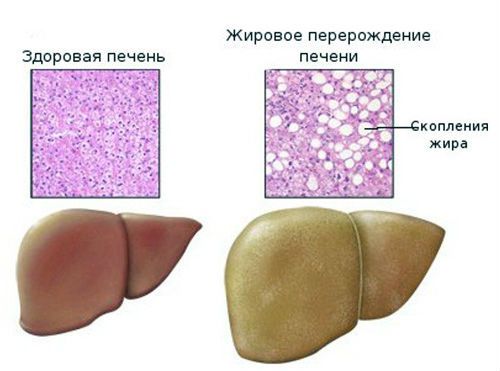
Fatty degeneration is a reversible process, but only with timely treatment
Cholestasis is stagnation of bile in the bile duct. It is called intrahepatic because bile remains in the hepatic ducts and does not enter the gallbladder. Its components are toxic and gradually destroy healthy liver tissue. Symptoms of this disease include pain in the right hypochondrium, jaundice, skin itching, and digestive upsets.
TEST: What is the state of your liver?
Take this test and find out if you have liver problems.
Preeclampsia and eclampsia are serious complications of gestosis in pregnant women. These are nervous phenomena that develop against the background of brain intoxication with bilirubin and other toxic substances.
Both of these phenomena are considered life-threatening for the mother and the baby. In the last stages, if the attack cannot be stopped, the pregnant woman may fall into a coma. A characteristic sign that indicates the onset of an attack is an increase in blood pressure.
It is associated with manifestations of late gestosis and preeclampsia or eclampsia. A pregnant woman develops the so-called HELLP─ syndrome, which is expressed by a complex of pathologies:
Liver rupture is a rare complication. Small hematomas form under the capsule, under the pressure of which the liver can burst. In this case, internal bleeding occurs, and the pregnant woman needs urgent help.
Many diseases have a chronic course and are manifested by periodic relapses. During pregnancy, if the liver can not cope with increased loads, there is a risk of their complications. If such pathologies have a history, during this period you need to carefully monitor your health.
Gallstones may have a different origin and size. In most cases, attacks of cholelithiasis appear at the end of the 2nd trimester. They can cause acute pain in the right hypochondrium (), clog the bile ducts. In addition to pain, jaundice, digestive upset, and general well-being occur. The walls of the gallbladder become inflamed (acute calculous cholecystitis), and the symptoms do not disappear until the stone enters the intestines.

It is recommended to undergo a full examination at the stage of pregnancy planning to exclude the possibility of viral and other chronic liver diseases
Herpes simplex virus is considered the most common infection. The primary infection of a person occurs even in preschool age, after which the virus remains in the blood throughout life. It can cause diseases of various organs, including the liver. For the mother, the disease is not dangerous, but there is a risk of infection of the fetus in late pregnancy and during childbirth. The newborn is diagnosed with symptoms characteristic of hepatitis:
Herpes hepatitis must be distinguished from manifestations of other viral infections. If a mother gets herpes for the first time during pregnancy, little can be done to prevent the virus from being transmitted to the baby. In most cases, the disease ends in recovery, but the children are still under the supervision of a neurologist for some time because of a possible damage to the nervous system.
Budd-Chiari syndrome is called hepatic vein thrombosis. It is impossible to name its exact cause, but it is assumed that female hormones are involved in its development. This reason is an explanation of why the syndrome can occur during pregnancy. Hepatic obstruction is a serious danger to a woman's life. In addition to pain in the right hypochondrium, there is a main symptom. The veins are filled with blood and become clearly visible through the skin.
Doctors recommend undergoing a full examination at the planning stage of pregnancy, since many diseases can worsen during this period. Among the diseases that may become a contraindication of carrying a child, we can distinguish:
You need to understand that a baby will be born healthy, if during pregnancy he can develop and form normally. The liver plays one of the leading roles in the metabolism of mother and fetus. Even a previously healthy liver may not be able to cope with stress and periodically hurt during pregnancy, and if there are pathologies, there is a danger to the child. In addition, viral infections are transmitted through the placenta or with blood during childbirth.
It is especially important for the expectant mother to monitor nutrition and not to forget about physical activity
Pain in the right hypochondrium is a common symptom for a huge number of diseases. When diagnosing, the doctor draws attention to the accompanying symptoms, as well as the results of a biochemical blood test. Termination of pregnancy is recommended only in cases where there is a threat to the life of both the mother and the child, but this happens in rare cases. Basically, you can maintain liver health with medication and diet throughout pregnancy, and after childbirth, the mother’s body will gradually recover. The best option, what to do if the liver is sick, ─ consult a doctor and take tests.
You need to worry about liver health throughout your life, and not when the first symptoms have already manifested. It is recommended that the expectant mother adhere to the general rules of prevention in order to maximize the load off the liver:
If the liver hurts during pregnancy, this may be a cause for concern. In the diagnosis, the doctor pays attention not only to the pain syndrome, but also to other manifestations, and especially to blood tests. Particular attention should be paid to the health of the liver, if problems with it arose even before pregnancy ─ during this period, it may not be able to cope with the increased load. The doctor will prescribe the treatment regimen. He will find out the cause of the pain and select the drugs that are as safe as possible for the woman and the fetus.
Related videos

Pregnancy leads to a change in the hormonal and physical state of the mother. During the period of carrying the baby, the load on the work of organs and systems only increases. And the maternal organism is not always ready for this. In addition, a decrease in immunity (to avoid rejection of the fetus) can provoke an exacerbation of existing diseases and the emergence of new ones.
At the slightest worry about her health, the expectant mother should consult a doctor, especially when the liver hurts during pregnancy. Liver diseases can begin with minor pain for a long time, but lead to serious and dangerous consequences.
The causes of pain under the right rib can be both natural and harmless, as well as dangerous, risking health and life. Some of them do not require medical intervention, these are:
But there are more serious reasons. If the liver hurts during pregnancy, this may be due to the presence of previously existing diseases:
Only the attending physician can determine the cause of the pain and make a decision on its elimination. A woman alone is not able to understand what exactly led to the pathology and what to do next.
Some diseases develop only during pregnancy and some of them are potentially dangerous for the mother and fetus.
They should be considered in more detail.
Pregnancy without pathologies is characterized by timely adaptation of the work of all organs of a woman to changes in the body. First trimester toxicosis, or gestosis (toxicosis from the 24th week of pregnancy), occurs when the adaptation process is disturbed.
This problem is observed in women only during the period of bearing a child and in the early stages is characterized by:
Toxicosis begins to develop from about the fifth week of pregnancy, and stops by the thirteenth, when the placenta is finally formed. If the mother has two or more fruits, the process can drag on to 16 weeks.
When symptoms are caused only by pregnancy, then it is not dangerous. The doctor's recommendations on proper nutrition and daily routine will make life easier for the expectant mother. But with the manifestation of symptoms due to exacerbation of diseases previously existing in women, hospitalization and medical treatment may be required.
With gestosis, completely different symptoms are observed:
Gestosis is more dangerous, as it can lead to serious diseases and death of both the mother and the growing fetus.
Constant vomiting leads to an increase in the blood of the bile pigment - bilirubin, and the urine gradually turns dark. Hepatic failure develops.
With gestosis in the liver, the activity of the enzymes alanine aminotransferases (ALT) and aspartate aminotransferases (AST) increases. This can provoke a terrible liver disease - HELLP-syndrome, when there is a possibility of necrosis of the sites or rupture of the liver.
That is why any pain in the liver during pregnancy, accompanied by symptoms of toxicosis, will require close supervision by a specialist.
It appears from the third trimester of pregnancy. At this time, the production of the hormones progesterone and estrogen increases significantly, which automatically leads to increased production of bile.
The liver is quite sensitive to "pregnancy hormones", but the output of bile is inhibited. As a result, bile stasis appears in the intrahepatic bile ducts.
Symptoms of cholestasis are:
This is a rare disease in pregnant women and is not a threat to the mother. But the fetus increases the risk of fetal death, as bile acids pass through the placenta to the fetus and disrupt its development. An unborn baby may experience oxygen starvation. To prevent negative consequences, from about the 34th week, it is necessary to do artificial stimulation of childbirth.
The risk of developing the disease occurs when:
After childbirth, the disease disappears within 1–7 days, and liver activity normalizes.
Among the complications can be identified postpartum hemorrhage due to a lack of vitamin K.

The disease is rare (recorded in 11 pregnant women out of 13 thousand) and develops in the later stages.
Other names of the disease:
It is still not known why this disease begins to appear and progress, but the outcome is a great danger to both the mother and the child. During the disease, metabolic processes are disrupted in the liver, and its cells - hepatocytes - degenerate into adipose tissue without inflammatory processes.
In the development of pathology, two periods are noted. The first lasts from 14 to 40 days and is characterized by symptoms:
In the second period, yellowness of the skin begins to be noted. Hepatic failure is characterized by:
At the same time, there is a high risk of uterine bleeding and fetal death. There is a threat to life and mother.
The only treatment for this disease is emergency delivery.
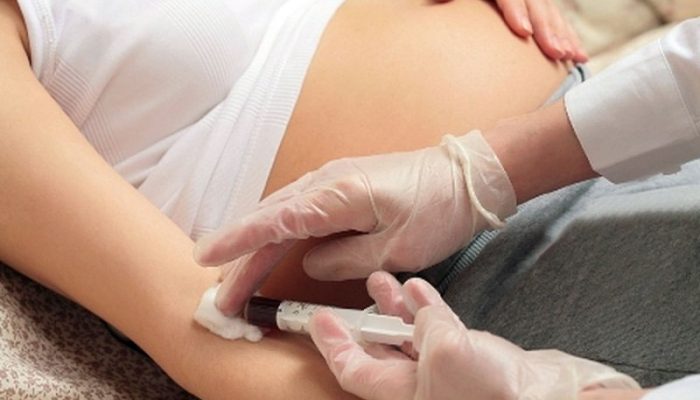
The most important rule that requires strict observance is the ban on self-diagnosis and treatment. For pain in the liver, you should immediately consult a doctor (for starters, to the treating gynecologist). The specialist will make a diagnosis based on:
He will prescribe treatment or redirect to specialized specialists (gastroenterologist, hepatologist, urologist).
If a medical examination is currently not possible, you need to lie down and take a comfortable position. You can drink 0.5 cups of mineral water without gas. But then you still need to contact the clinic.
In order not to harm herself and the unborn baby, a pregnant woman should be aware of the importance of proper behavior during gestation. Measures to prevent the appearance of pathology:
Many pregnant women turn to traditional medicine if there is pain in the liver. You should not do this without the approval of a doctor, because you can greatly harm not only yourself, but also the child.