

Did you know that the ACTUAL BIRTH EXPERIENCE can affect a child’s cravings . . . for life?
Sounds crazy, I know, but it’s true! The sacred, life-changing, point-your-bum-at-your-mother-in-law-and-push experience is more than we could possibly have imagined. Here’s why:
As far as science knows, babies digestive tracts are sterile while they’re happily bebopping in our tummies.¹ No bacteria. No viruses. No fungi. Nada.
Then labor begins. As babies descend into the birth canal they get their first “meal”: a dose of the microbes/micro-flora living in their mommies you-know, which believe it or not can affect food cravings for life. Okay, altogether now, let’s all shout a collective Ewwwww! There, I feel better. 🙂
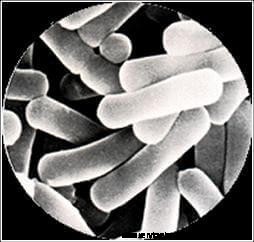
So what are these micro-flora and why are they so important? Well, in a healthy mother you will see a lot of Lactobacillus species, namely Lactobacillus acidophilus, Lactobacillus casei and Lactobacillus fermentum (plus some bad guys, too in small numbers). These beneficial bacteria perform vital functions within our bodies, such as:
Wouldn’t it be awesome if we all passed on primarily beneficial bacteria to our children during birth?
Yeah, unfortunately we live in the age of antibiotics, the contraceptive pill, junk food, personal care products and stress, so we’re seeing less of the friendly bacteria these days and more of the dangerous stuff. These pathogens can rapidly colonize the digestive tract of newborn babies, leading to “colic,” digestive disorders, allergies and other problems. And that’s just the beginning . . .
Left unchecked, these pathogenic populations will create holes in the intestinal lining and dump their toxic byproducts along with undigested food into the bloodstream. Depending on the child’s particular vulnerability, this can lead to cognitive problems such as ADD and mood disorders, autoimmune disorders and other neurological problems. According to Dr. Campbell McBride, author of Gut & Psychology Syndrome, individuals with autism, dyslexia, dyspraxia, schizophrenia and other disorders all suffer from gut dysbiosis (a dysfunctional gut).
It’s simple really. When a child”s gut is populated with pathogenic bacteria they lose the ability to digest food properly. Instead of breaking down and traveling throughout the body to nourish cells, it rots in the gut through a process called alcoholic fermentation. As in… beer.
That’s right, improperly digested sugars and refined carbs turn to alcohol in the body while improperly digested grains and milk products can act like opiates such as morphine and heroin. So for example when a child with an overgrowth of Candida (the fungus behind the dreaded thrush) eats a bag of corn chips they’ll feel a surge of “feel good” chemicals as the candida converts the carbs to alcohol. As soon as their little bodies have made the connection between this food and the “feel good” state, it will begin to demand it on a more regular basis, thus beginning a cycle where they crave the very foods that cause them harm (by feeding the bad bacteria which then release opiates/alcohol and other toxins).
Each of us is born with an inner wisdom when it comes to caring for our bodies . . . a gastronomic sage that speaks the language of cravings. As Dr. Campbell McBride puts it,
Our children’s cravings become distorted when pathogenic bugs introduce addictive substances into their bloodstreams, but we can restore balance by replenishing their bodies with healthy bacteria. And that, dear readers, is why my first piece of advice when it comes to nourishing your little ones is:
I’m talking about beneficial bacteria, of course! Although not a technically one of a baby’s first foods, probiotics lay the foundation what your baby craves for the rest of his or her life. So, what if we had no idea about this when your baby was born? Can it be turned around? Absolutely!
In the next few weeks I’ll be sharing tips for promoting good colonization at birth, plus ideas for overcoming an imperfect start with the little ones we already have!
Do you have a question or topic you’d like me to cover? Leave me a comment below!