Certain microbes in dirt make us healthier, smarter, and even happier, and kids actually need exposure to germs in order to train the immune system. (1) That’s why I love this quote . . .
But y’all, even I have my limits, and my kids have FOUND. THEM. ALL.
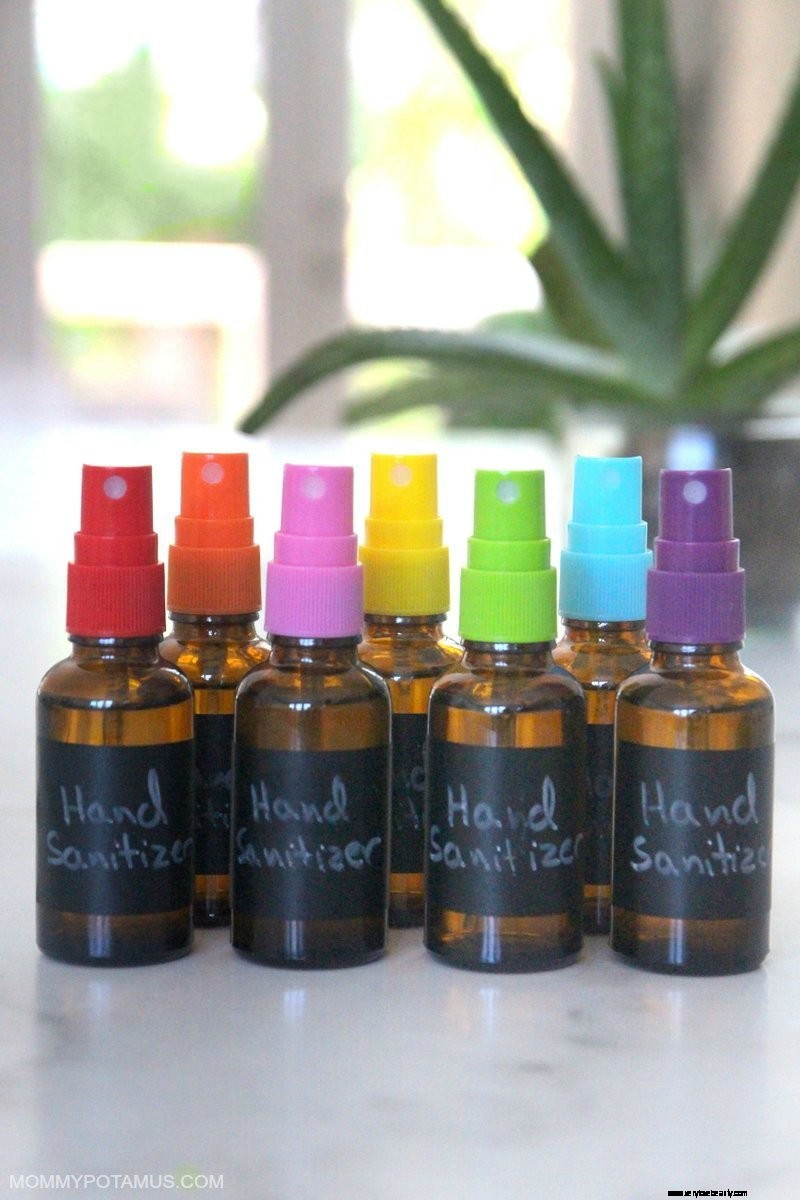
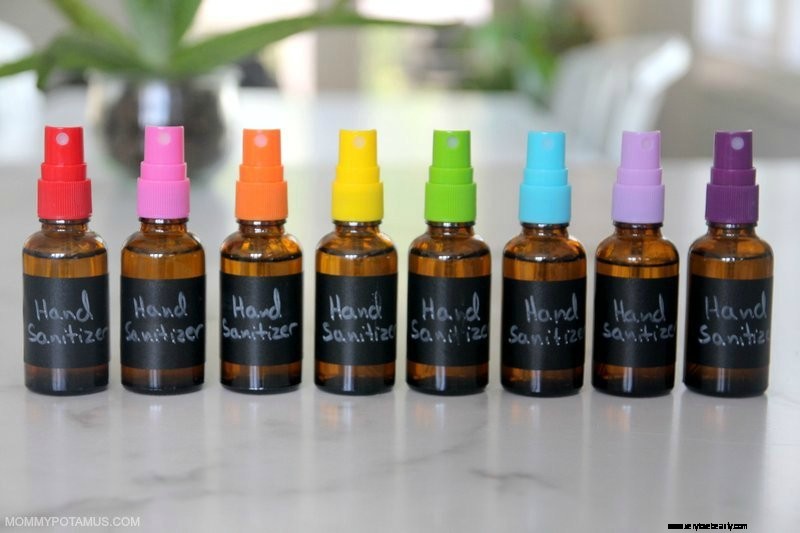
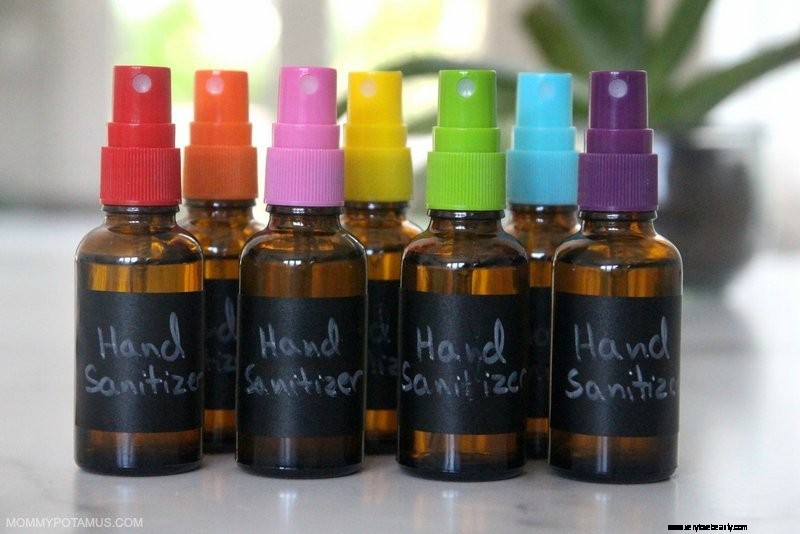
When hand washing is not an option – whether that’s because we’re camping or in an airplane with a bathroom waiting area that looks like a conga line – I use this homemade hand sanitizer.
It’s inspired by a recipe found in Treatment Alternatives For Children, which was written by holistic pediatrician Lawrence Rosen, MD. However, I substituted the suggested essential oils with ones from this child-safe list based on recommendations from Essential Oil Safety, which was published after Dr. Rosen’s book was released. The oils I chose have similar therapeutic actions, but are ones I feel more comfortable using with children.
According to the CDC’s guidelines, homemade hand sanitizer must contain at least 60 percent alcohol by volume. Although it does not kill every pathogen – the superbug C. diff, for example – hand sanitizer is considered effective against the current virus that is going around. That’s because the active ingredient – alcohol – disrupts the protective shell (envelope glycoprotein) that the virus needs to survive.
Alcohol that is sold in grocery stores and online comes in varying concentrations. For example, some is diluted so that it is 70 percent alcohol and 30% water, while others are 91 or 99 percent alcohol.
Because alcohol is very drying to hands, it needs to be mixed with an emollient such as aloe vera gel or glycerin. The important thing is to make sure that the final product is at least 60 percent alcohol, so the recipe needs to be adjusted based on the concentration of alcohol you are using. I’ve included recipe recommendations for the following commonly available concentrations:
If you decide to use essential oils in your homemade hand sanitizer, I recommend choosing one or more of the ones below. They’re all safe for kids over two.
Also, ifyou only have (or want to purchase) a couple of these oils, that’s okay! Tea tree oil and lavender oil would be my choice – just make sure you use a max of 15 drops total. One important thing to note is that cinnamon leaf essential oil can be irritating if used in concentrations above 0.6%, so it should be limited to 9 drops per batch.
Of course, you can also skip them altogether. Although certain essential oils have been clinically shown to have antimicrobial properties, alcohol is considered the primary active ingredient in this recipe.
There are a couple of important things to know about applying hand sanitizer. First, it’s all about contact time – you need to rub it into your skin for 30-60 seconds or until your hands are dry. Also, if your hands are oily or grimy, hand sanitizer is not likely to be effective. Hand soap is your best bet in that case.
With that in mind, here’s how to apply hand sanitizer the right way:
Keep rubbing until 30-60 seconds have passed or your hands are completely dry.
Although triclosan is still used in some antibacterial products, it’s no longer approved for use in commercial hand sanitizers due to potential health effects. That’s a big step in the right direction.
Unfortunately, many products still include ingredients such as benzalkonium chloride, which is considered a moderate hazard by the Environmental Working Group (EWG). They also often contain fragrances that the EWG ranks as moderate to high hazard.
Fortunately, there are some good options out there. Here are a few of my favorites:
Dr. Bronner’s Lavender Hand Sanitizer – This is one of my favorites because it incorporates just four simple ingredients: organic alcohol, water, lavender, and glycerin. Lavender is safe for kids of all ages which makes this one my top choice for families with younger children.
EO Organic Hand Sanitizer (French Lavender) – Like Dr. Bronner’s, this one is made from just a handful of ingredients including alcohol derived from sugarcane, lavender essential oil, echinacea leaf extract, and glycerin.
Wellnesse Moisturizing Hand Sanitizer With Eucalyptus & Mint – I like this one because it comes in glass storage bottles that are perfect for DIY room spray and other recipes once the sanitizer is used up. Although pricier per ounce, a little goes a long way and it doestn’ smell like typical hand sanitizer. Because it uses eucalyptus and peppermint essential oils I recommend it for use with older children but prefer one of the other two options for small children. (More on using essential oils with kids here.)
The consistency of this hand sanitizer will vary depending on the concentration of alcohol and aloe vera gel you use.
If you’re using 70% rubbing alcohol, it will likely be very runny and work best in spray bottles. I poured mine into old essential oil bottles with special spray tops designed to fit on 10, 15, and 30 ml essential oil bottles. You can find the spray tops on Amazon, or you can find them at this store for a good price along with essential oil bottles and spray cap sets.
If you’re using 91-99% alcohol your sanitizer might be too thick to use as a spray. In that case, this squirt bottle is made with HDPE plastic, which is considered safe for use with essential oils.