
Love Beauty >> Love Beauty >  >> Health and Wellness >> Healthy Food

Catnip Tea: Benefits, Relaxation & Digestive Support

Catnip Tea: Benefits, Relaxation & Digestive Support

Unless you happen to own the cat that was caught on video breaking into a pet store and finding bliss in the catnip aisle, you might be wondering why you should care about this little herb with heart-shaped leaves. Yes, it’s beloved by cats everywhere, but it’s also amazing for people who need to relax, sleep deeply, and/or are looking for some extra digestive or immune support. 

So basically people.

So what is catnip, and how does it benefit me?

Catnip (Nepeta cataria), also called catmint, is a little different from adaptogens (which help with stress) and other herbs that work best when used consistently over a period of time. This member of the mint family is mostly helpful in one-off situations, like when you need to unwind after a particularly stressful day.

Catnip is what herbalists call a “relaxing nervine,” which means it has a calming effect on the central nervous system (CNS). It’s revered for its ability to create a sense of peace, calm overstimulation, and ease forehead tension and motion sickness. Considered a mild sedative, it’s often sipped as an herbal tea before bed to help with sleep.

Before we dive into its other uses,  I want to mention that none of these statements have been evaluated by the FDA, this article is not medical advice, and it is not meant to diagnose or treat any condition. Please talk with your healthcare provider about any herbs you are considering. Now that we’ve got that out of the way, let’s take a look at the benefits.

Health Benefits & Uses

In addition to its calming properties, catnip may be helpful for:

  • Muscle Relaxation: Catnip tea has traditionally been to ease tense muscles, especially when uncomfortable cramps and menstrual cramps are present. Current research supports this approach. (1)
  • Respiratory Support: Clinical studies suggest that the essential oils found in catnip may have bronchodilating properties, which may explain its traditional use for supporting respiratory function. Bronchodilators relax bronchial muscles, allowing for expansion of the bronchial air passages. (1)
  • Digestive Support: Catnip is classified as carminative (flatulence reliever), herbal bitter (supports digestion), and astringent (substance that tightens tissues and soothes inflammation). This combination is not often found in many herbs, and it makes catnip tea especially useful for digestive issues like upset stomach, gas, indigestion and heartburn.
  • Immune Support: Several Indigenous American tribes used catnip for immune support, especially in cases of fevers or colds. (2)
  • Mosquito Repellent & Bug Spray: According to researchers, “nepetalactone, the essential oil in catnip that gives the plant its characteristic odor, is about ten times more effective at repelling mosquitoes than DEET — the compound used in most commercial insect repellents.” (3) The EPA’s guide to insect repellents also lists it as one of three oils that are helpful for repelling ticks – citronella (Cymbopogon winterianus) and lemon eucalyptus (Eucalyptus citriodora) are the other two. I use the essential oil in my homemade bug spray/homemade tick spray, and my dogs flea and tick powder.
  • Wound Care: Used as a compress or topical wash for wounds.
  • Emotional Well-Being & Stress Support: As mentioned above, catnip is often sipped as an herbal tea to relax tension and support restful sleep. This study also found it can be helpful for easing feelings of nervousness.

How do I use catnip?

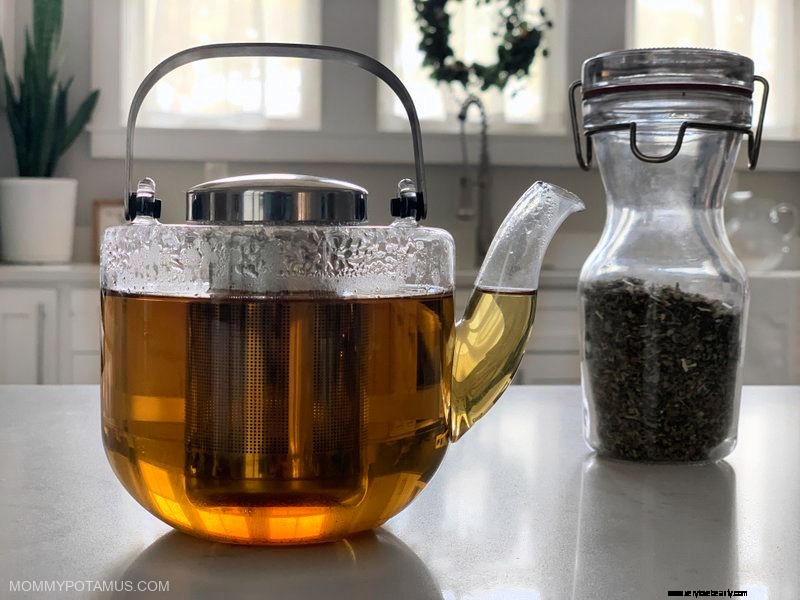
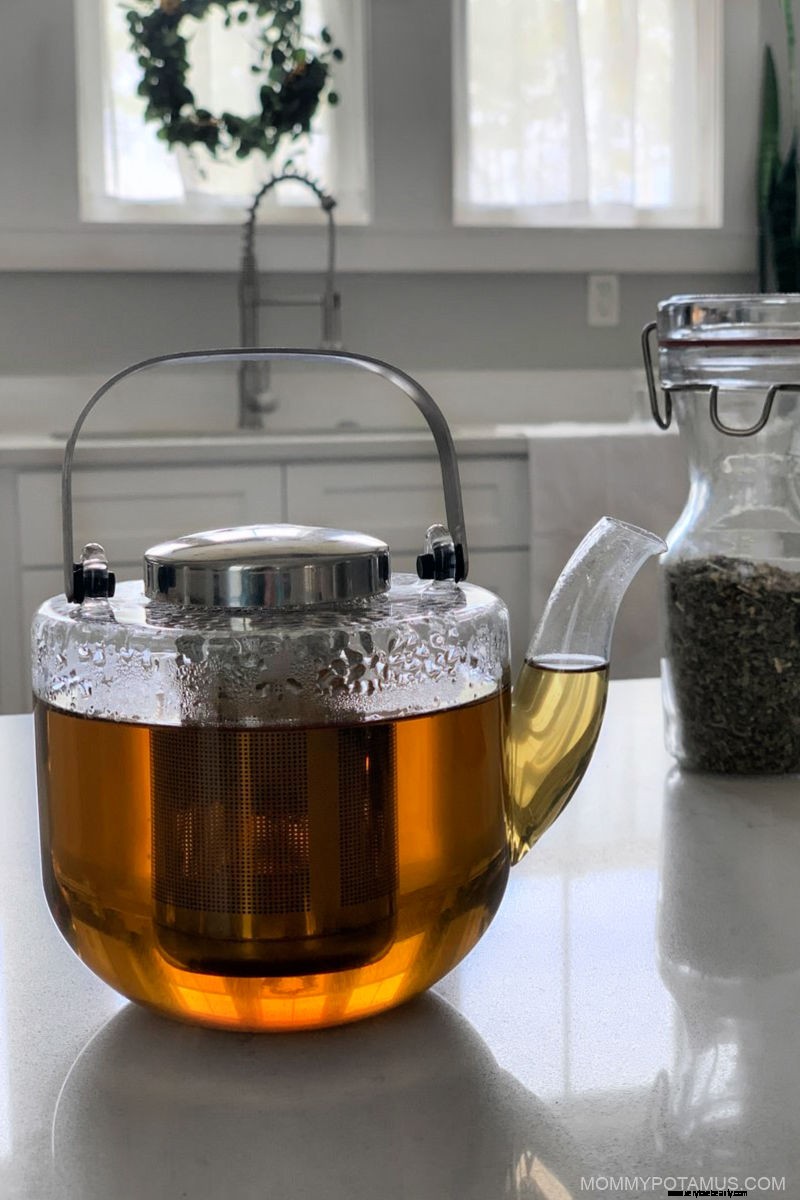
The easiest way to use dried catnip leaves is to make them into tea by steeping 1-2 teaspoons of dried herb in hot water – I’ve included a recipe below. Catnip is not known to be toxic, so you can likely use as much as is needed until you achieve the acute support you desire.

Another option for incorporating catnip is to use a tincture. An adult catnip tincture dose of 30-40 drops 3x/day is suggested. Here’s an alcohol-free version if you prefer that.
Catnip Tea: Benefits, Relaxation & Digestive Support