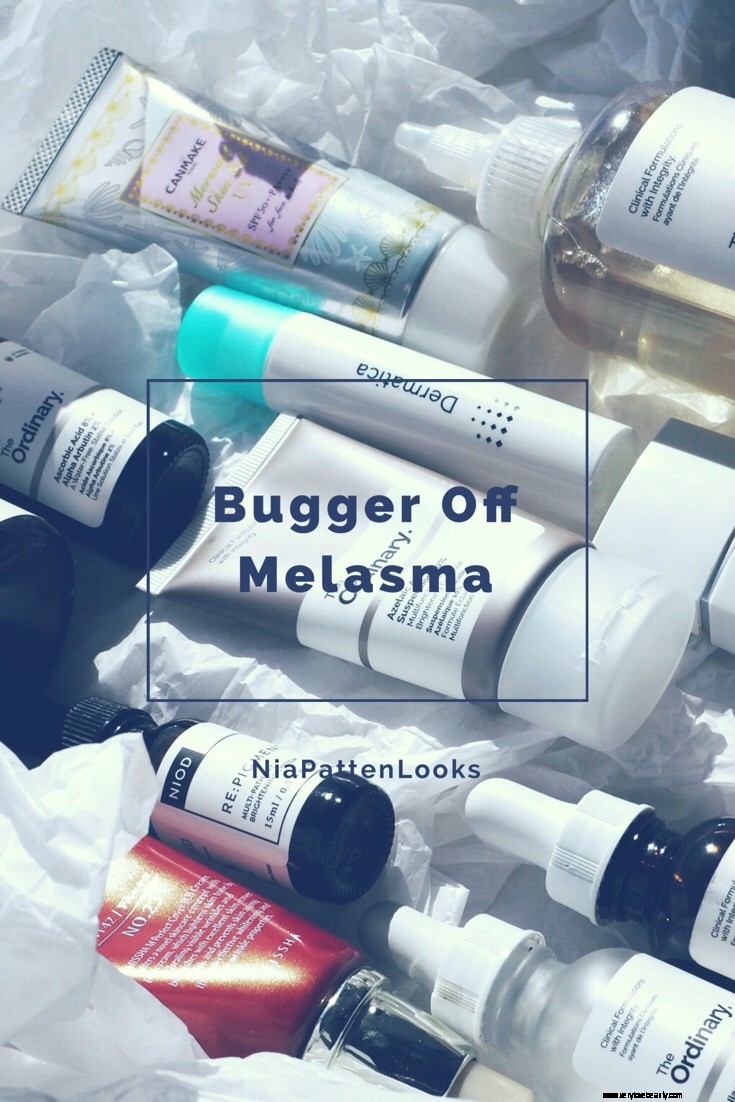
Ah pigmentation, how I hate thee, let me count the ways. It can happen because you’re on birth control, or because you burnt your face in Benidorm 16 years ago or because you had a baby. Or just because life is unkind.
I’m going to refer to Melasma a fair bit in this post just to simplify things, but the same principles apply to any sort of pigmentation. This blog post is accompanied by a rather excellent podcast on my new channel SkincareWithFriends.
Treating Melasma and Pigmentation With The Ordinary- What We’re Up Against
Melanin is the molecule in the skin that gives it it’s colour. It’s produced by cells called melanocytes.
I’ve done a drawing to show you what it looks like-
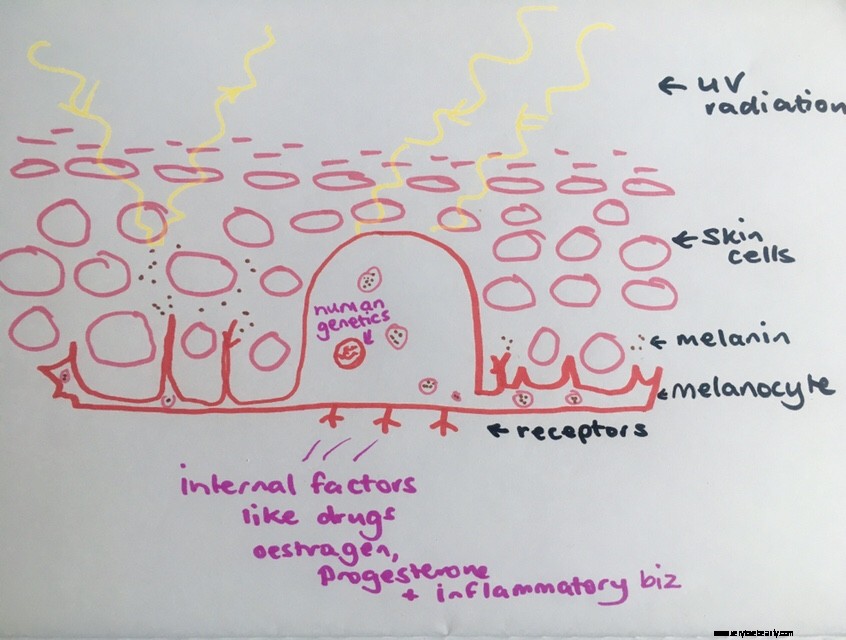
The melanocytes produce dark melanin molecules when they’re instructed to by either genetics or UV radiation from the sun. Melanin is designed to bounce sunlight away from the skin and protect it from damage. That’s why races that come from sunny places are darker. Nordic folk have less melanin so that more of the meagre northern sunlight can get into the skin and make vitamin D.
But there’s a glitch in the system. Chemicals produced during inflammation can bind to the receptors in the melanocytes and get them going. Also oestrogen and some drugs have the same effect. It’s a complicated pathway of enzymes and signals. Look how complicated it is!
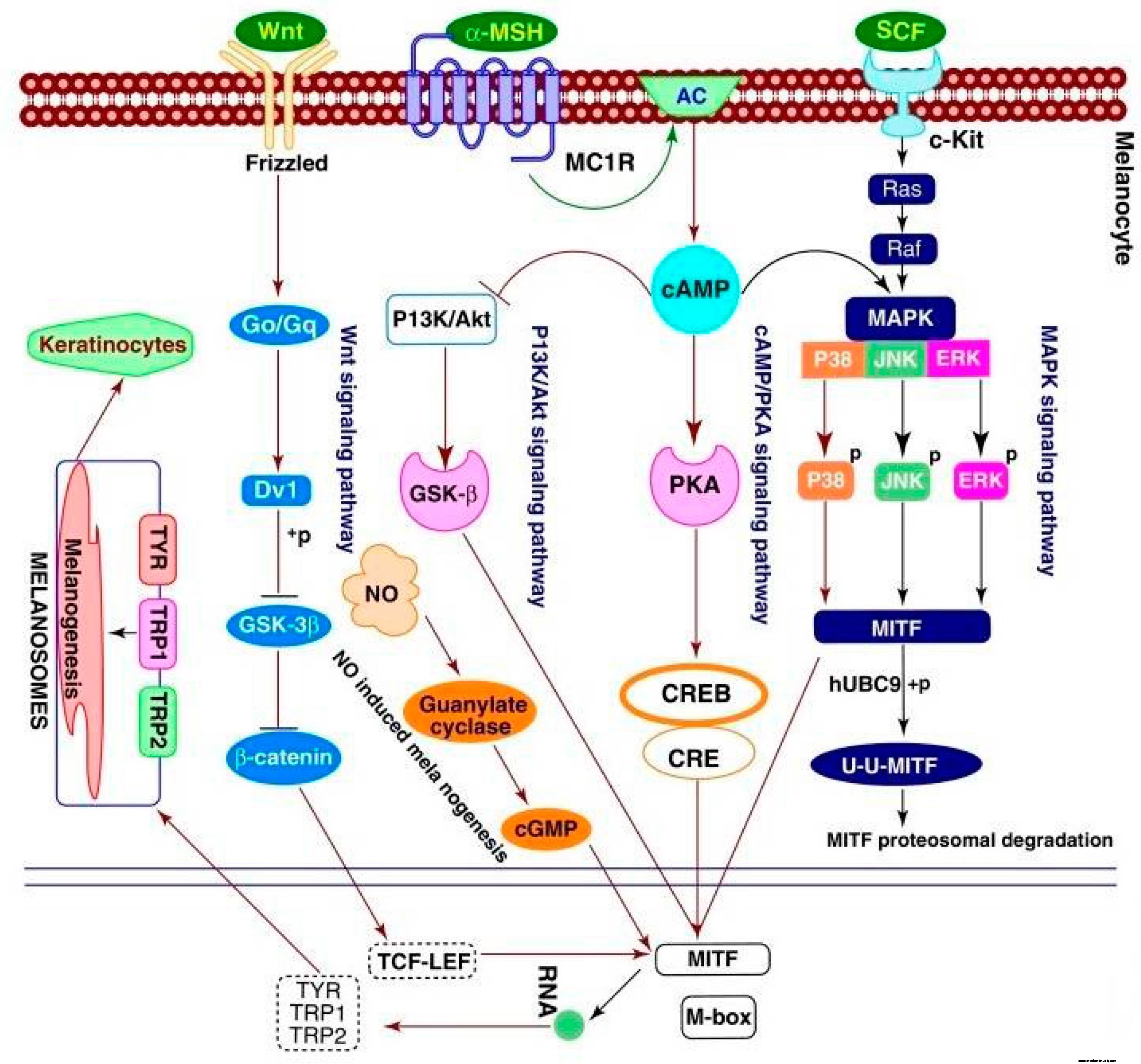
This glitch leads to melasma and post inflammatory hyperpigmentation. What I don’t really get is, why Melasma and PIH stick around so long. A normal seasonal tan will fade, why not other sorts of pigmentation?
Hyperpigmentation can be split into different types-
Epidermal (which is shallower and easier to treat),
Dermal (in the deep skin layer) and Mixed. Melasma tends to be more difficult to treat because it’s more likely to affect the deep layers of skin.
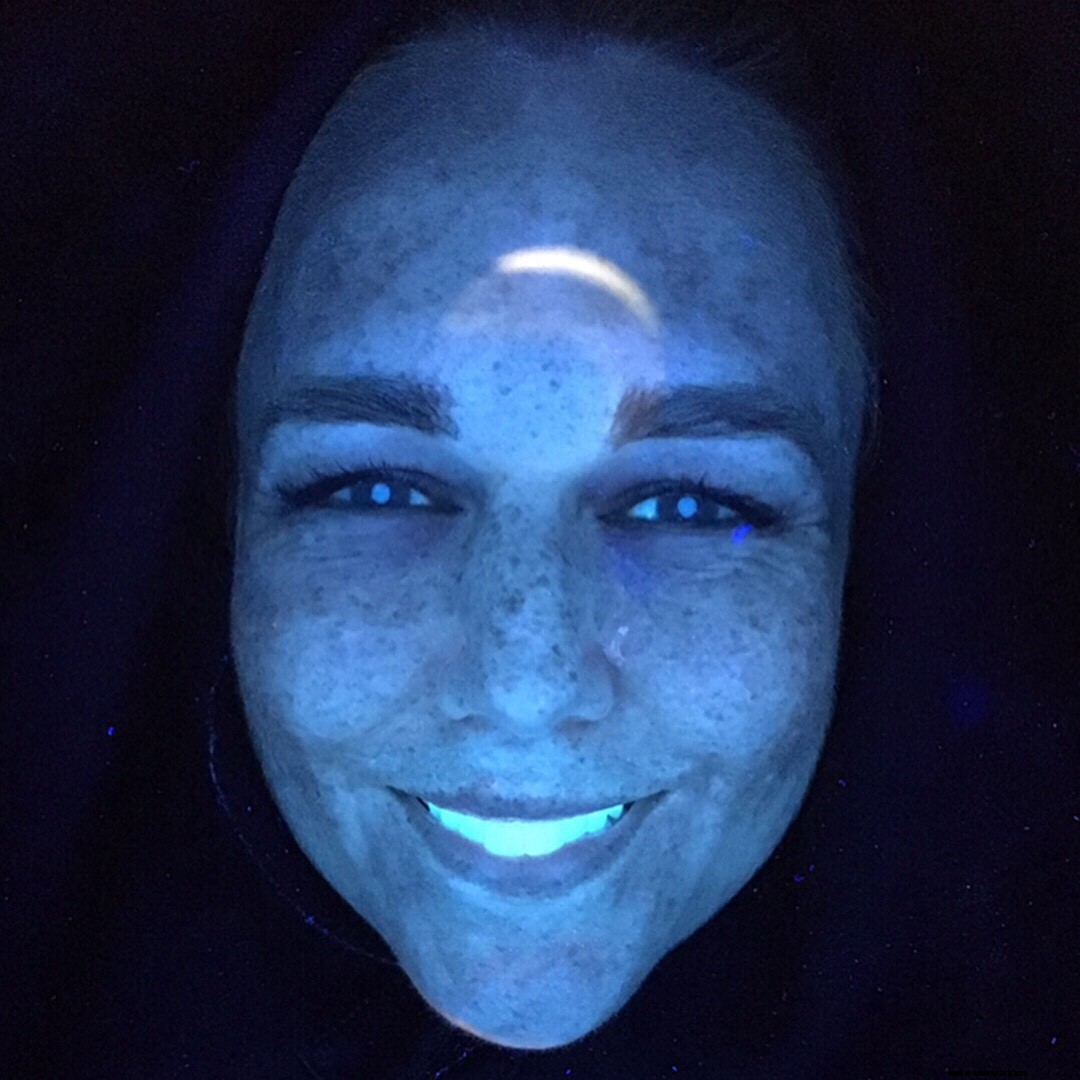
A dermatologist can diagnose what type you have using biopsy or with a Woods Lamp, shallow pigmentation will show up well under the light.
Treating Melasma and Pigmentation
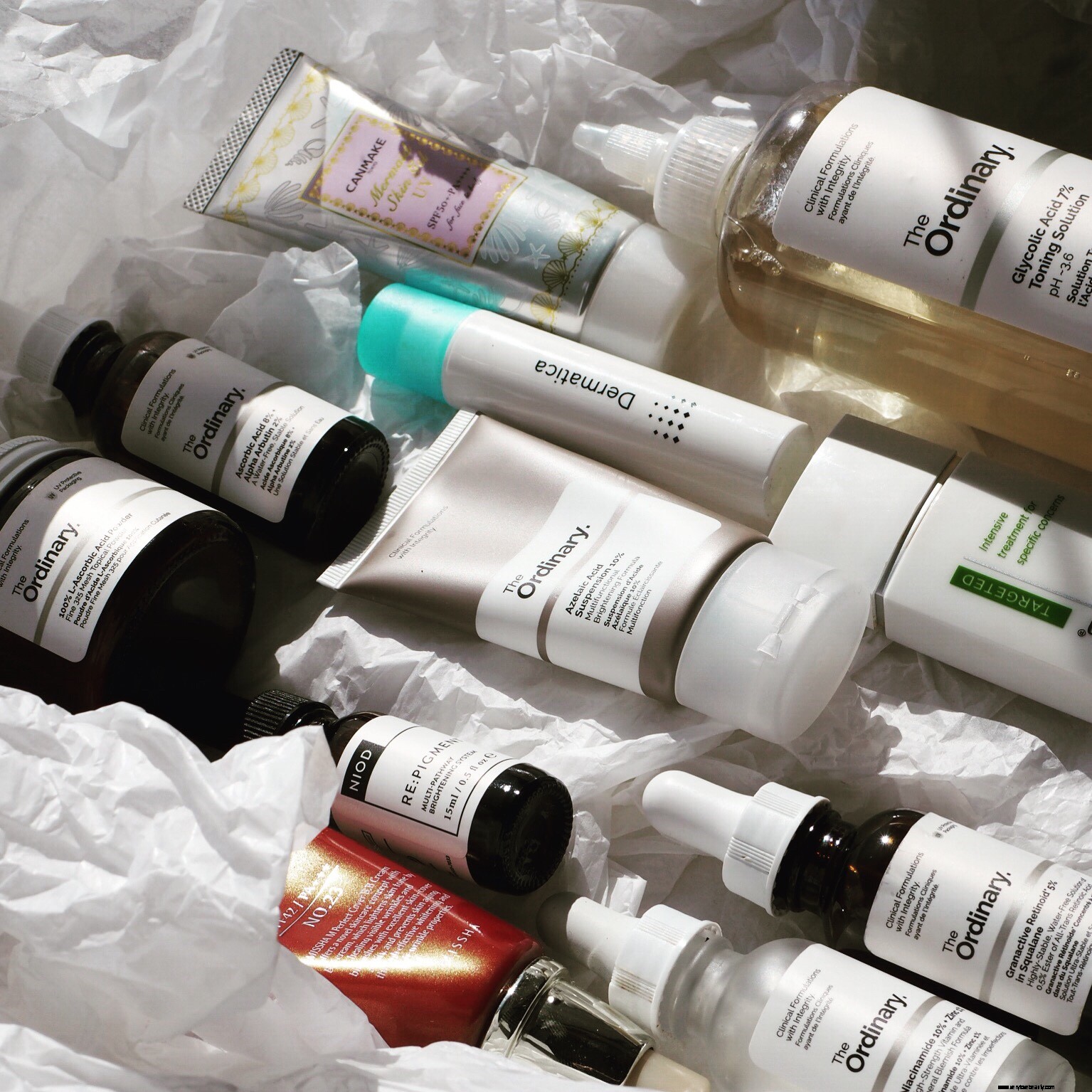
Treating pigmentation is not easy, the melanin is laid down in the layers of the skin. It can’t just be wiped away. Any skincare you use for pigmentation must given a good opportunity to have an effect. It’s going to take months rather than weeks for anything visible to happen.
I’ve called this blog post “Treating Melasma and Pigmentation With The Ordinary” but I’m going to talk about everything else you can do as well. The Ordinary does great skincare, the percentages and prices are unrivalled- it’s the perfect starting point. But there are actives out there that The Ordinary doesn’t sell, yet.
Topical anti pigmentation treatments (as in stuff you put on your face) can work in three different ways. They either block the melanin creating enzyme Tyrosine. Or they pretend to be tyrosine to keep the enzyme busy. Or they stop the melanin from going from the melanocytes to the skin. Or they can increase the skin’s turnover.
None of the treatments actually bleaches the skin in any way and they can’t actually change your natural skin colour.
Treating Melasma and Pigmentation- Prevention
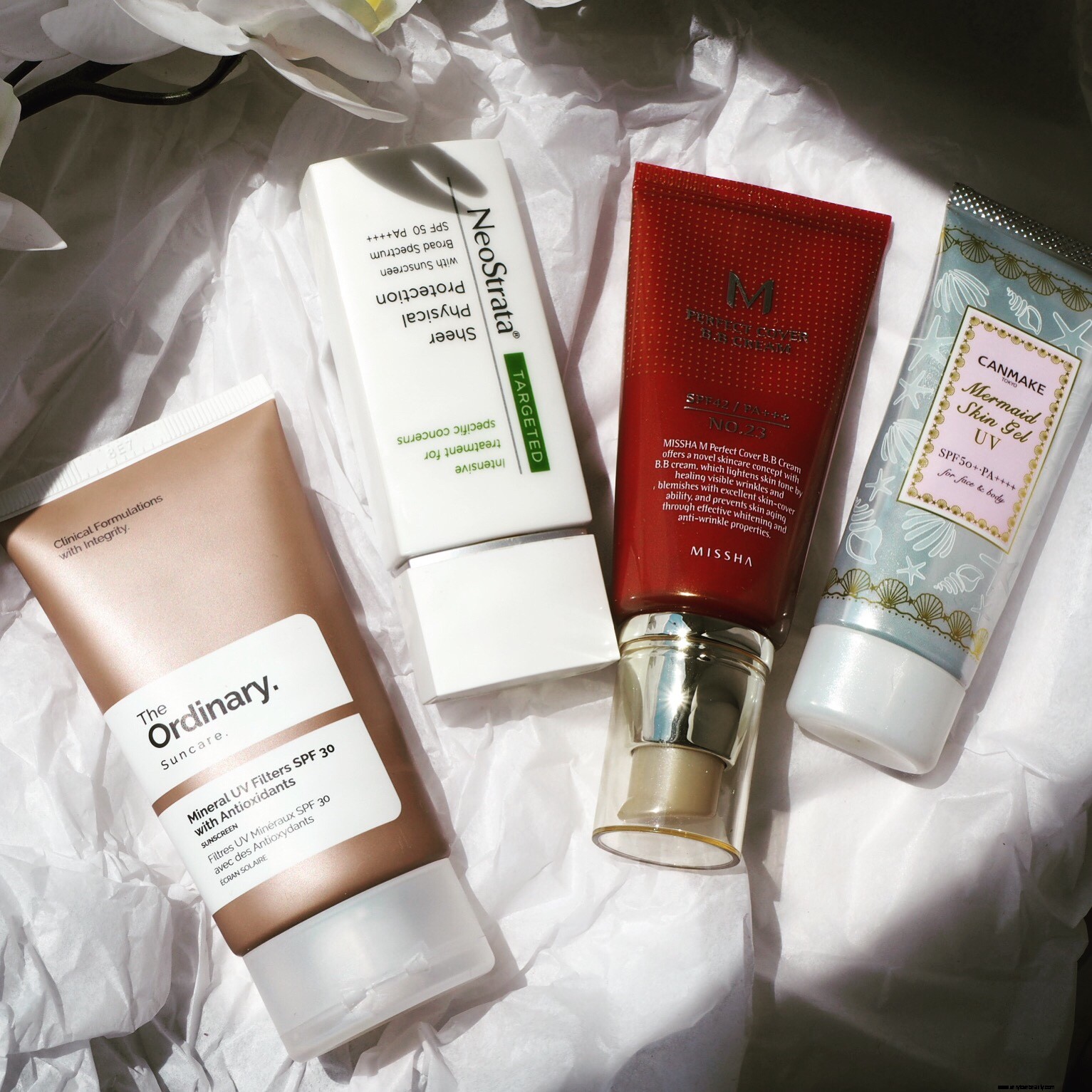
It’s worth mentioning how to prevent hyperpigmentation, just because you have it already doesn’t mean that you can’t make it worse.
Sun protection is key. Think avoiding the sun, wearing sunglasses and hats, no sunbeds. Also find a good high factor broad spectrum sunscreen. My favourite is Canmake UV Mermaid Gel, I get mine from Yesstyle.
Also consider your birth control as a possible trigger. Many pills contain a synthetic oestrogen called Ethynylestradiol. Ethynylestradiol is known to bind to melanocytes in the same way oestrogen does. There is a study about the effects of female hormones on pigment that shows melanocytes produce melanin in the presence of oestrogen. That’s not a big surprise. What is surprising is that
progesterone
(the other female sex hormone) reduces melanin by around 50%.
Not that I want to get involved in anyone’s birth planning decisions. I don’t think as women we’re given all the information when we’re choosing our method of contraception. So there’s a bit of information-
synthetic oestrogen can give you brown spots on your face
How To Get Rid Of Melasma and Pigmentation- The Ordinary Products
The Ordinary has a good selection of anti pigmentation ingredients and they’re strong enough so they just might work.
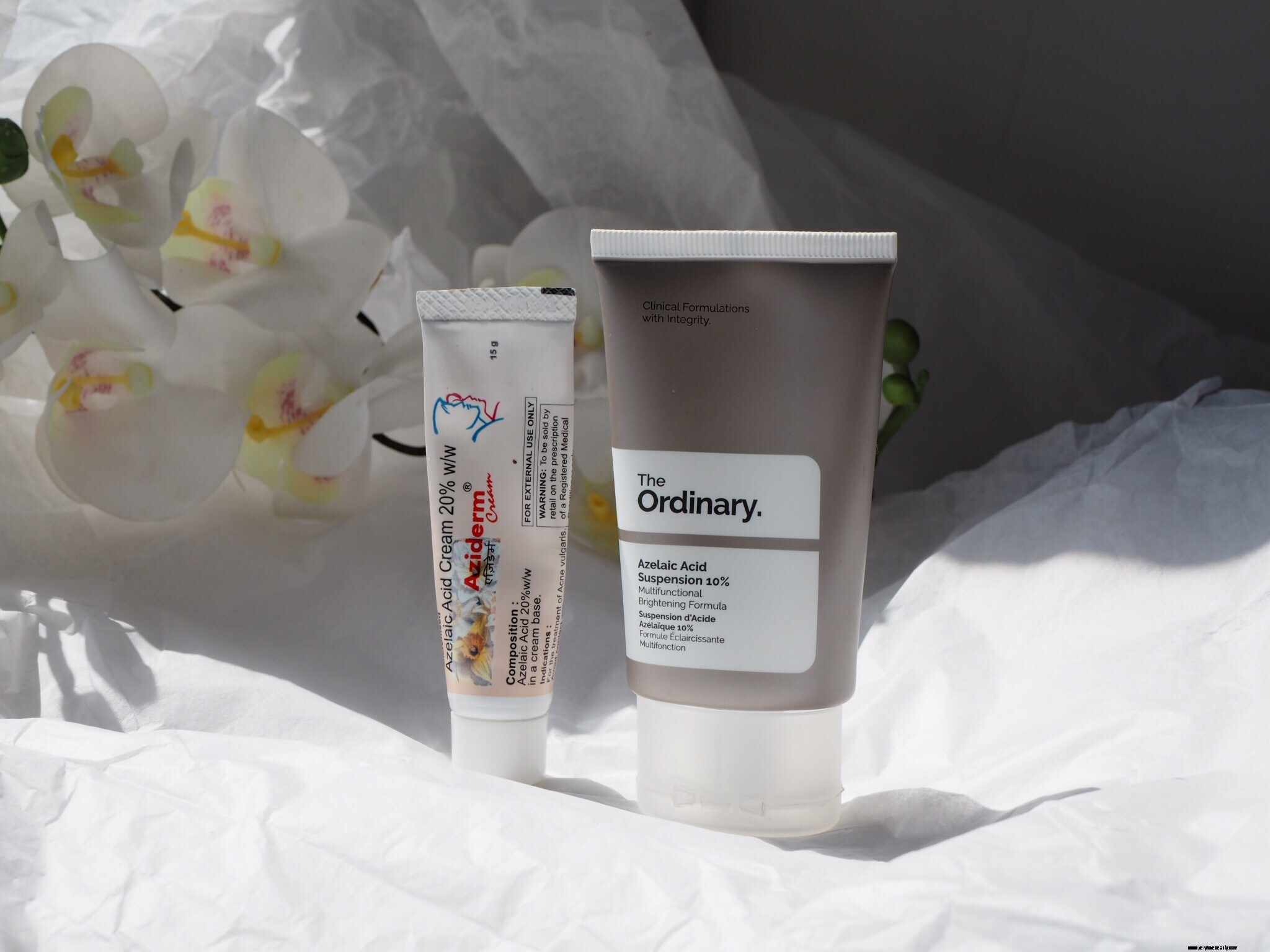
- The Ordinary Azeleic Acid 10%– £5.50 from Deciem It’s a fab ingredient with lots of bonuses. Azeleic is a dicarboxylic acid, it helps kill acne bacteria, unblock pores, it’s an antioxidant, skin brightening superstar. Here is some credentials, it seems to work better in combination with Tretinoin, if you have any of that lying around. Azeleic by The Ordinary is silicone based, it goes after water serums and before moisturiser.
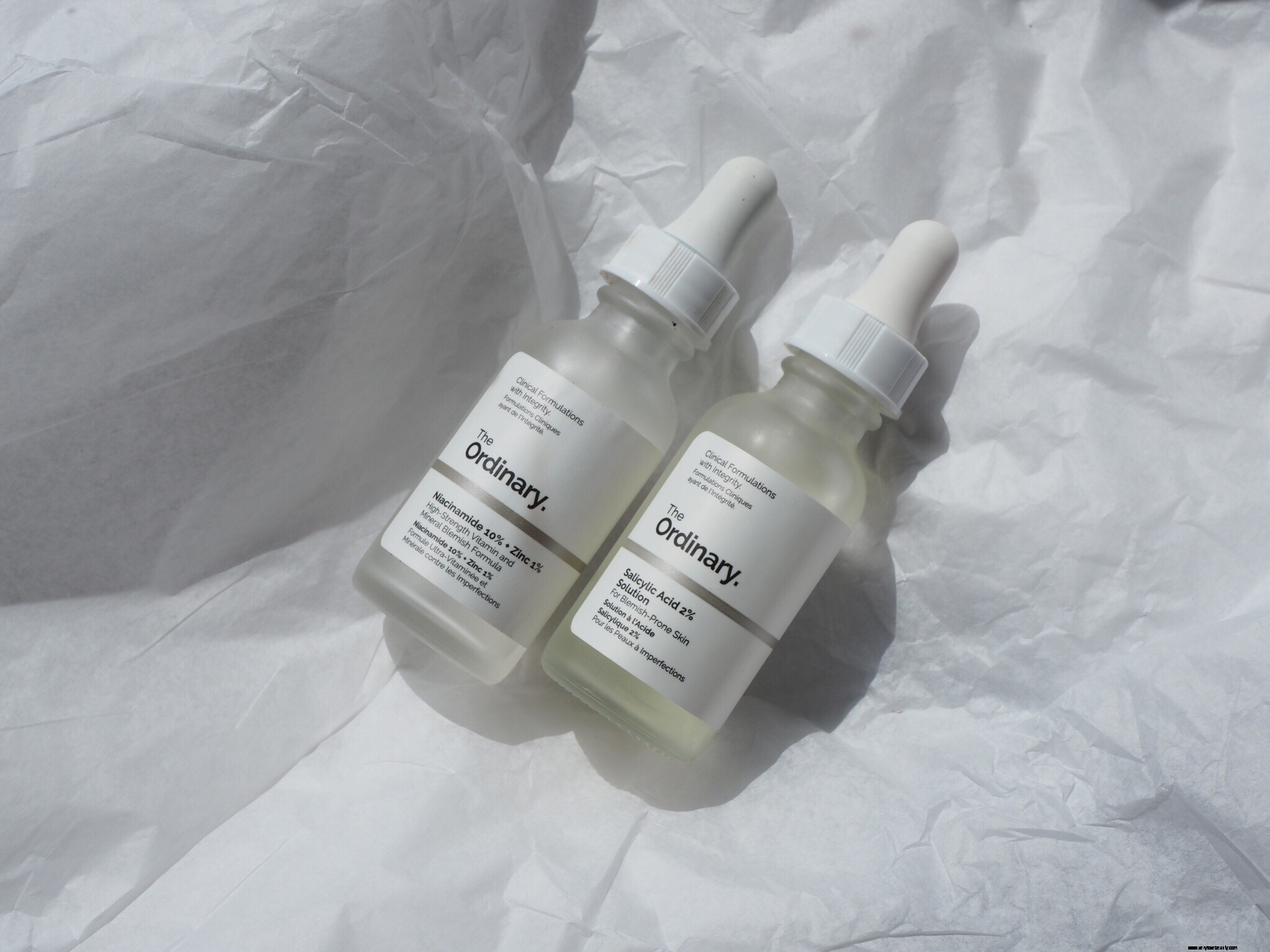
 The Ordinary Niacinamide 10% + Zinc PCA 1%– £5.00 from Deciem. Niacinamide is another multitasker- it can reduce pore size, regulate oil production, support the skin’s moisture barrier and brighten skin tone. It works to lighten pigmentation by stopping the transport of melanin from the melanocytes to the skin.
The Ordinary Niacinamide is water based so goes after cleansing and toning. It shouldn’t be paired with acidic ingredients like Vitamin C as it can split into Niacin which can cause some temporary skin redness. Some users report a worsening in acne with it. It might be worth diluting it with moisturiser to begin with.
The Ordinary Niacinamide 10% + Zinc PCA 1%– £5.00 from Deciem. Niacinamide is another multitasker- it can reduce pore size, regulate oil production, support the skin’s moisture barrier and brighten skin tone. It works to lighten pigmentation by stopping the transport of melanin from the melanocytes to the skin.
The Ordinary Niacinamide is water based so goes after cleansing and toning. It shouldn’t be paired with acidic ingredients like Vitamin C as it can split into Niacin which can cause some temporary skin redness. Some users report a worsening in acne with it. It might be worth diluting it with moisturiser to begin with.
 The Ordinary Alpha Arbutin 2% + HA– £7.00 from Deciem. Arbutin is a naturally occurring substance from the Bearberry plant. It can also be made synthetically. Arbutin works in the same way as Hydroquinone, blocking the Tyrosine enzyme. The Ordinary Alpha Arbutin is water based, meant to be used twice daily and goes straight after cleansing and toning. It can take a long time to work so don’t expect immediate results.
The Ordinary Vitamin C 8% + Alpha Arbutin 2%– £10.00 from Deciem. This is a fab double duty product. It has two anti pigmentation agents, making it more likely to be effective. It has quite an oily consistency (it doesn’t contain oil but still feels oily) so takes a while to absorb. Use over water serums with moisturiser on top to stop the Vitamin C from oxidising.
The Ordinary Alpha Arbutin 2% + HA– £7.00 from Deciem. Arbutin is a naturally occurring substance from the Bearberry plant. It can also be made synthetically. Arbutin works in the same way as Hydroquinone, blocking the Tyrosine enzyme. The Ordinary Alpha Arbutin is water based, meant to be used twice daily and goes straight after cleansing and toning. It can take a long time to work so don’t expect immediate results.
The Ordinary Vitamin C 8% + Alpha Arbutin 2%– £10.00 from Deciem. This is a fab double duty product. It has two anti pigmentation agents, making it more likely to be effective. It has quite an oily consistency (it doesn’t contain oil but still feels oily) so takes a while to absorb. Use over water serums with moisturiser on top to stop the Vitamin C from oxidising.
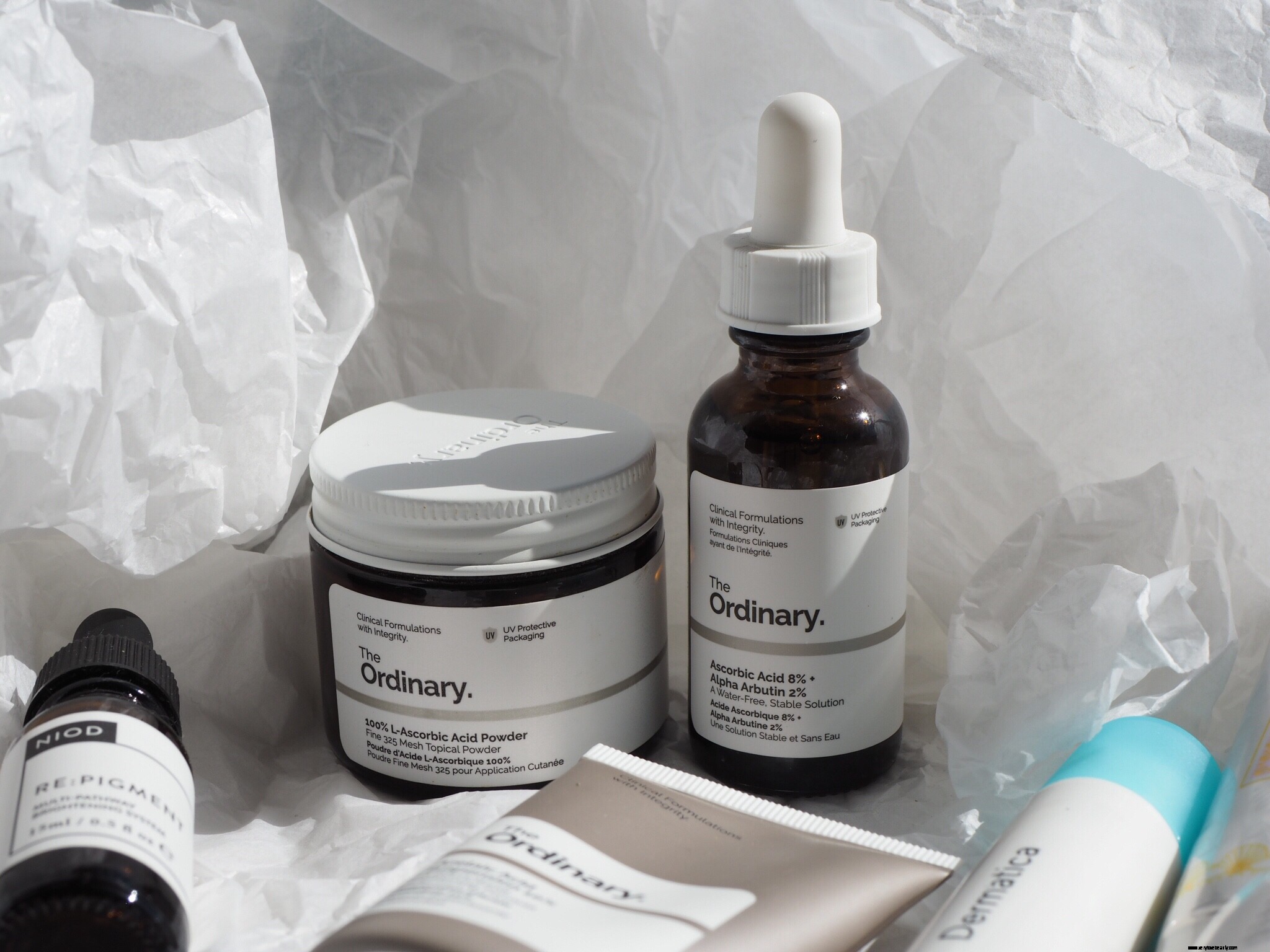 The Ordinary Ascorbic Acid– Vitamin C works by reversing the melanogenesis reaction. It also supports collagen so helps keep skin bright and young looking. It is unstable and can be irritating on the other hand, it’s pure form can be an issue for sensitive or acne prone skin. I have already written a pretty full on TO Vitamin C Guide, so head there for more detailed info. Powder £4.90 from Deciem. The powdered Ascorbic Acid is my favourite of the pure Vit Cs, it’s versatile so I can tailor it to my skin’s needs. I have a preprepared guide on how to make it work for you. The 23% Supension+HA Spheres 2% £4.90 from Deciem is something I never got on with, I’ve read lots of other people liking it though. I think it helps if you pair it with something water based. In response to complaints about 23%’s gritty feel Deciem created Vitamin C Suspension 30% in Silicone, it’s £5.80 from Deciem
The Ordinary Vitamin C Derivatives-Magnesium Ascorbyl Phosphate 10% £7.80 from Deciem. Ascorbyl Tetrisopalmitate 20% Solution with Vitamin F £14.90 from Deciem. MAP and ATS are oil soluble vitamin C derivatives, which means that they absorb deep into the skin and are converted by the skin into Vitamin C and potentially reducepigmentation. They’re also gentle and hydrating, unlike pure vitamin C which can be irritating.
The Ordinary Granactive Retinoid 5% in Squalane £11.90 from Deciem. Granactive Retinoid aka Hydroxypinacolone Retinoate is a new ingredient so there isn’t much evidence of it’s effectiveness. Saying that, Granactive is a very similar molecule to Tretinoin (the strongest, prescription only retinoid), which is well studied. It’s less likely to irritate than Retinol or Tretinoin as well as reducing pigmentation can also help with other signs of ageing.
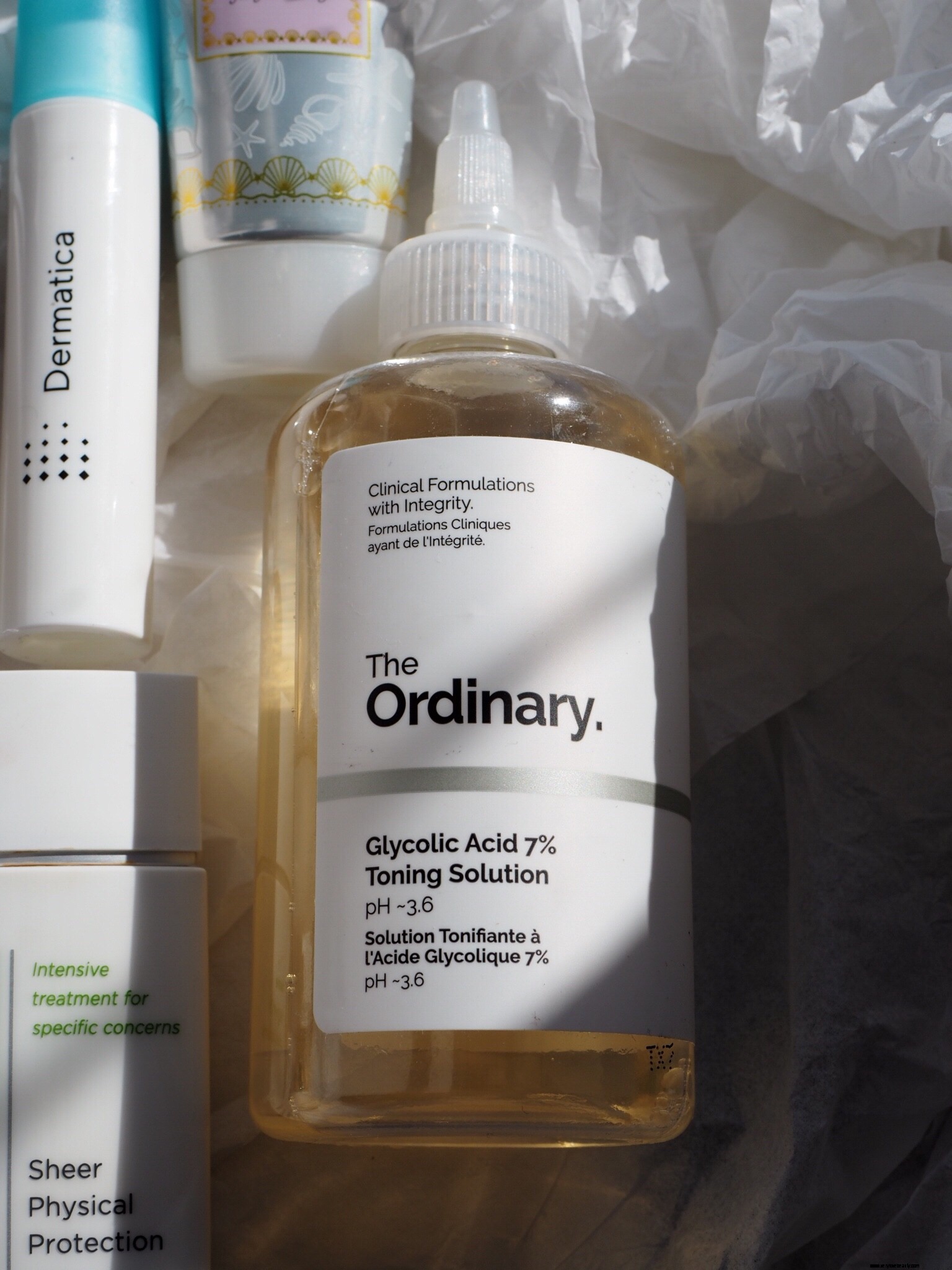
Acids- The Ordinary Glycolic Acid 7% Toner £6.80 from Deciem , Lactic Acid £5.80 from Deciem, Mandelic Acid £5.80 from Deciem. AHAs like Glycolic Acid and Lactic Acid can actually block the Tyrosinase enzyme from working as well as well as exfoliating the pigmented skin. The Glycolic Toner is a great bargain. It’s a big bottle with a good strength of Glycolic Acid. All the acids by TO contain other helpful ingredients like soothing Tasmanian Pepperberry. Glycolic is the stongest Acid so you might want to pick an less strong acid if you’re unsure. Inflammation could worsen pigmentation.
The Ordinary Ascorbic Acid– Vitamin C works by reversing the melanogenesis reaction. It also supports collagen so helps keep skin bright and young looking. It is unstable and can be irritating on the other hand, it’s pure form can be an issue for sensitive or acne prone skin. I have already written a pretty full on TO Vitamin C Guide, so head there for more detailed info. Powder £4.90 from Deciem. The powdered Ascorbic Acid is my favourite of the pure Vit Cs, it’s versatile so I can tailor it to my skin’s needs. I have a preprepared guide on how to make it work for you. The 23% Supension+HA Spheres 2% £4.90 from Deciem is something I never got on with, I’ve read lots of other people liking it though. I think it helps if you pair it with something water based. In response to complaints about 23%’s gritty feel Deciem created Vitamin C Suspension 30% in Silicone, it’s £5.80 from Deciem
The Ordinary Vitamin C Derivatives-Magnesium Ascorbyl Phosphate 10% £7.80 from Deciem. Ascorbyl Tetrisopalmitate 20% Solution with Vitamin F £14.90 from Deciem. MAP and ATS are oil soluble vitamin C derivatives, which means that they absorb deep into the skin and are converted by the skin into Vitamin C and potentially reducepigmentation. They’re also gentle and hydrating, unlike pure vitamin C which can be irritating.
The Ordinary Granactive Retinoid 5% in Squalane £11.90 from Deciem. Granactive Retinoid aka Hydroxypinacolone Retinoate is a new ingredient so there isn’t much evidence of it’s effectiveness. Saying that, Granactive is a very similar molecule to Tretinoin (the strongest, prescription only retinoid), which is well studied. It’s less likely to irritate than Retinol or Tretinoin as well as reducing pigmentation can also help with other signs of ageing.
Acids- The Ordinary Glycolic Acid 7% Toner £6.80 from Deciem , Lactic Acid £5.80 from Deciem, Mandelic Acid £5.80 from Deciem. AHAs like Glycolic Acid and Lactic Acid can actually block the Tyrosinase enzyme from working as well as well as exfoliating the pigmented skin. The Glycolic Toner is a great bargain. It’s a big bottle with a good strength of Glycolic Acid. All the acids by TO contain other helpful ingredients like soothing Tasmanian Pepperberry. Glycolic is the stongest Acid so you might want to pick an less strong acid if you’re unsure. Inflammation could worsen pigmentation.
The Ordinary Melasma and Pigmentation Regimens
The Ordinary has lots of products that could help with pigmentation. It’s tricky then to know which products to choose and how to squeeze them all in. The truth is that you really don’t have to use it all.
Pigmentation can take a long time to reduce so pick a couple of products and give them a good try.
The main things to remember when trying to put these products together is that Niacinamide and Vitamin C shouldn’t be used at the same time. You can use Niacinamide with Vit c derivatives like MAP.
Here is the regimen that The Ordinary recommends-
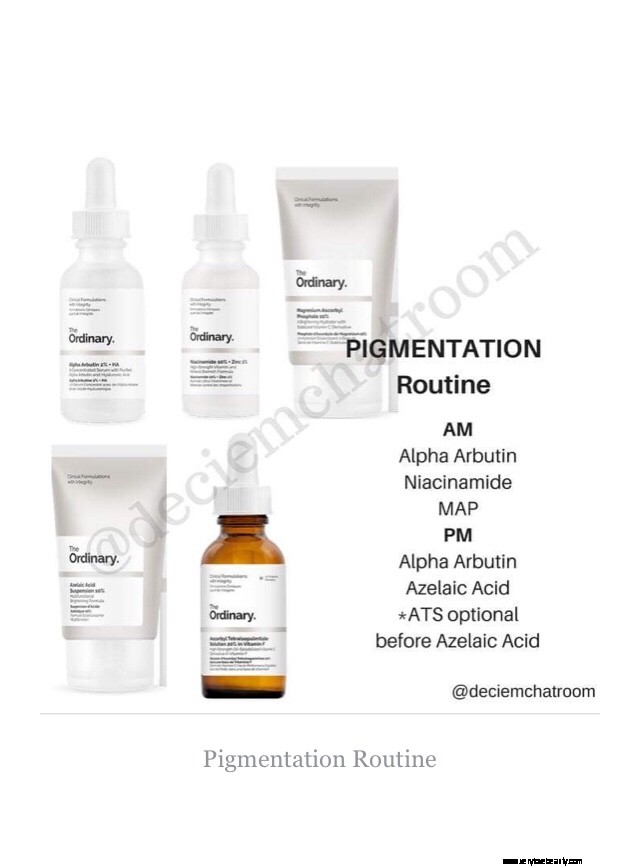
Courtesy of The Deciem Chatroom.
But there are other ways to skin a cat. If you’re a seasoned skincare person you could go- AM-
- Ascorbic Acid 8% + Alpha Arbutin 2%
- Azeleic Acid 10%
- Moisturiser
- Sunscreen
PM-
- Glycolic Acid 7% PM1
- Niacinamide 10%
- Use Granactive Retinoid 2%/5% PM2 (alternating evenings with the acid toner.)
- Moisturiser
Definitely work up to this sort of heavy duty regimen slowly. Any one of the products could cause a reaction. To be sure that you’re safe, the best way is to introduce one at a time and give a couple of weeks for the skin to get used to each one.
If I was going to recommend a rounded routine for someone who’s less sure about skincare– AM-
- Hydration- SDSM by NIOD or Marine Hyaluronics if you’re on a budget
- Alpha Arbutin 2%
- MAP 10% mixed with Resveratrol+Ferulic
- Moisturiser of your choice, I like Cerave Lotion
- Sunscreen, I like Canmake Mermaid Gel
PM-
- Glycolic Acid Toner 7%
- Hydration (SDSM/MH)
- Alpha Arbutin 2%
- Argan Oil or Rosehip Oil
- Moisturiser
You could also add in Niacinamide to this regimen and introduce by mixing with your hydration step.
This is pretty much the regimen I am using at the moment (I vary it depending on my acne/dryness)- AM-
- Hydrating essence like SDSM by NIOD
- Niacinamide mixed with Marine Hyaluronics for hydration
- MAP
- EUK-134 0.1%
- Borage oil if my skin is feeling dry
- Sunscreen spf 50
PM
- Hydrating essence like SDSM
- Modulating Glucosides by NIOD
- Niacinamide 10%
- Once the previous steps have absorbed well, Tretinoin 0.5%
- Cerave lotion
- Borage oil mixed with Seabuckthorn oil
Brandon himself recommends Azeleic Acid and Alpha Arbutin for pigmentation. Both are gentle to skin.
The other anti pigmentation treatment by Deciem is Re Pigment by NIOD, see my before and after pics here.
How To Get Rid Of Melasma and Pigmentation- Other Products/Topicals
It’s hard to beat the strength and price of The Ordinary, but there are some ingredients that it just doesn’t do.
Here are some of the other things you can try and some product suggestions-
- Kojic Acid– Kojic Acid comes from a certain type of fungi. It blocks the Tyrosinase enzyme from creating melanin. Apparently it’s more effective when paired with Glycolic Acid, so that could be a good tip. This Kojic Acid cream from Amazon has a good concentration (4%) and costs £27. Pay attention to skin when using Kojic, it’s known to cause sensitivity.
- B-Resorcinol– The key ingredient in Eucerin Even Better Concentrate £28 from Boots. Another Tyrosinase inhibitor. Here is a small study on humans (human ladies, it’s nearly always ladies) that shows positive effects. Can also be found in L’Oreal White Perfect Double Essence which also contains Lactic and Glycolic Acid.
- Liquorice– Naturally occurring and possibly better than. Found quite often in asian skincare, like Dear, Klairs Supple Preparation Toner from Yesstyle
- Hydroquinone– Hydroquinone is the strongest of all anti pigmentation agents. It’s only available on prescription in the U.K. because of safety concerns. There were some worries that Hydroquinone could cause cancer. It turns out the only basis for this is a study showing Hydroquinone can contribute to a type of kidney cancer in rats. The real worry is that it could cause something called “exogenous ochronosis“- a bluish black discolouration, basically the last thing you want to happen. This is a worrying possible side effect but actually happens extremely rarely. There’s been 28 reported cases out of millions that have used Hydroquinone over the years. Exogenous ochronosis is most likely to occur if you use hydroquinone for a long time. If your pigmentation is really getting to you and you’ve tried everything, Hydroquinone is available via Dermatica
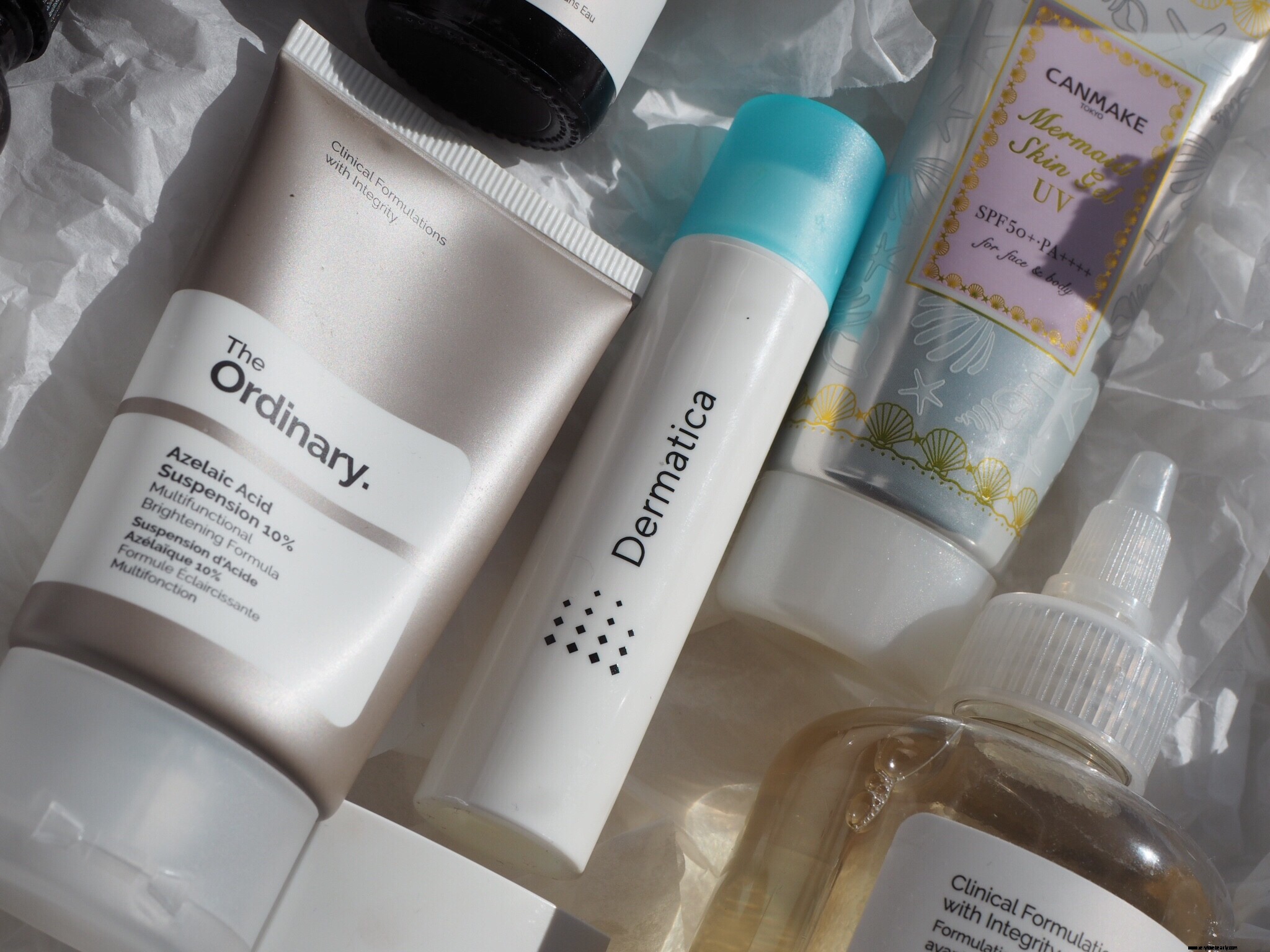 Tretinoin– There’s a lot of evidence supporting the amazing effects of Tretinoin on aging and sun damaged skin. The effects are best seen if you use it for a long time, like longer than a year. Check out this study. It also helps if you use it in combination with other anti pigmentation products like Hydroquinone. Tretinoin is prescription only and available via Dermatica
How To Get Rid Of Melasma and Pigmentation- The Supplements
I find it hard to imagine that swallowing a pill could have an effect on the colour of the skin, but apparently there is some evidence that these supplements could be of help.
- Pycnogenol– extracted from pine bark, pycnogenol contains powerful antioxidants that could help prevent sun damage. Available from Amazon
- Glutathione– another antioxidant, it’s also an anti inflammatory. Glutathione very popular in Asia and often injected IV as a skin lightening treatment. There’s actually not great evidence that it really works. Available from Amazon if you still want to try it.
- Polypodium leucotomos– An anti inflammatory that inhibits sun damage and helps prevent sun burn. Available from Amazon.
- Tranexamic Acid– Mainly used for increasing blood clotting in ladies with heavy periods or those with bleeding disorders. When taken in low doses (250mg twice a day) reduces melanin production and is safe for healthy people. Available from Boots.
How To Get Rid Of Melasma and Pigmentation- The Treatments
When you’ve given skincare a good shot and got nowhere, it’s very tempting to throw in the towel and pay for a serious professional treatment. Here are the options-
- IPL/Intense Pulsed Light– IPL seems to have a better track record than laser for melasma itself. IPL can penetrate deeper into the skin than laser, which is where the pigmentation often lies in melasma. The side effects can include temporary redness a possible worsening in pigmentation. The same side effects are much more likely if laser is used.
- Cosmelan peel– A multi ingredient mask/peel applied by a skin professional. It consists of one/two sessions at a clinic for application of a brown mask. It has to be worn for ten hours each time so it’s a bit of a procedure. It contains Azelaic Acid, Kojic Acid, Phytic Acid, Ascorbic Acid, Arbutin and Titanium Dioxide. I’ve seen some impressive results from ladies on a Melasma Facebook group.
- Acid peel– Acid peels are particularly effective if the skin is primed for a few weeks beforehand with something like Hydroquinone or Tretinoin. Good acids for peeling include- Glycolic, Lactic, Mandelic and Trichloroacetic/TCA.
- Microneedling– Microneedling creates minute channels into the deeper skin to allow actives to penetrate deeper. You can have this done by a professional to ensure safety or you can get your own roller. I got mine from Amazon and it’s 0.5mm. The skin should be really clean before, and the roller sterile. Vitamin C would be a good active to apply afterwards.
It’s highly likely that the pigmentation will reappear after a treatment. It might be something you regularly do to keep the effects going. The most important thing to remember is to protect from the sun.
Treating Melasma and Pigmentation With The Ordinary- Take Home Message
Melasma is a tough cookie, one of the toughest and it can be seriously demoralising. Here’s my best advice-
- Seek support– There are some fab groups on social media- Skincare Addiction on Reddit and The Melasma U.K. and Melasma group, The Deciem Chatroom on Facebook.
- Be sun safe– Seek the shade, wear a hat, use factor 50 broad spectrum sunscreen. If you’re not avoiding UV, there’s not much point treating pigmentation.
- Check out the Ordinary– The Ordinary has many affordable products that are in a good strong concentrations. It’s a fantastic starting point for pigmentation sufferers.
- Don’t expect immediate results– You need to be consistent with anything you use for pigmentation, it could take up to a year for an active to have its full effect.
- Combination treatment works best– In all the studies I read, products tend to work better together. Retinoids and vitamin C, Arbutin and Glycolic Acid…
- Remember that you’re beautiful!!!
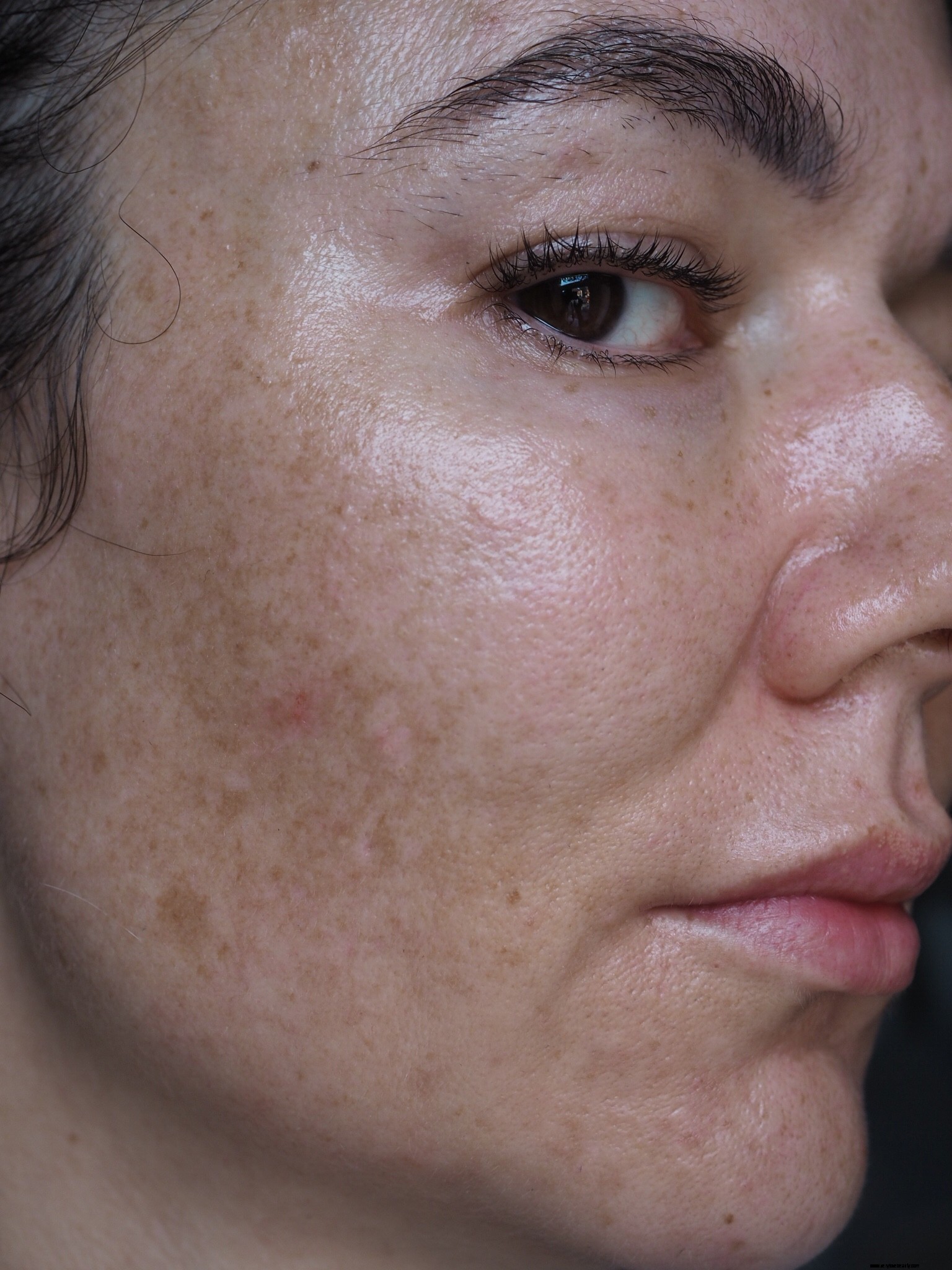
Here’s a picture of my own pigmentation. I think it’s a bit of a combination of sun damage (there was one incident of falling asleep on a beach in Thailand that I hold directly responsible) and melasma. My pigmentation seemed to just appear one week shortly after having my second child, making me think there must be a hormonal cause.
Thanks for reading about treating hyperpigmentation and melasma with The Ordinary. If in doubt seek a dermatologist’s advice. The links are affiliate and there may be some or samples in there. Fingers crossed for skincare progress with your melasma x
