
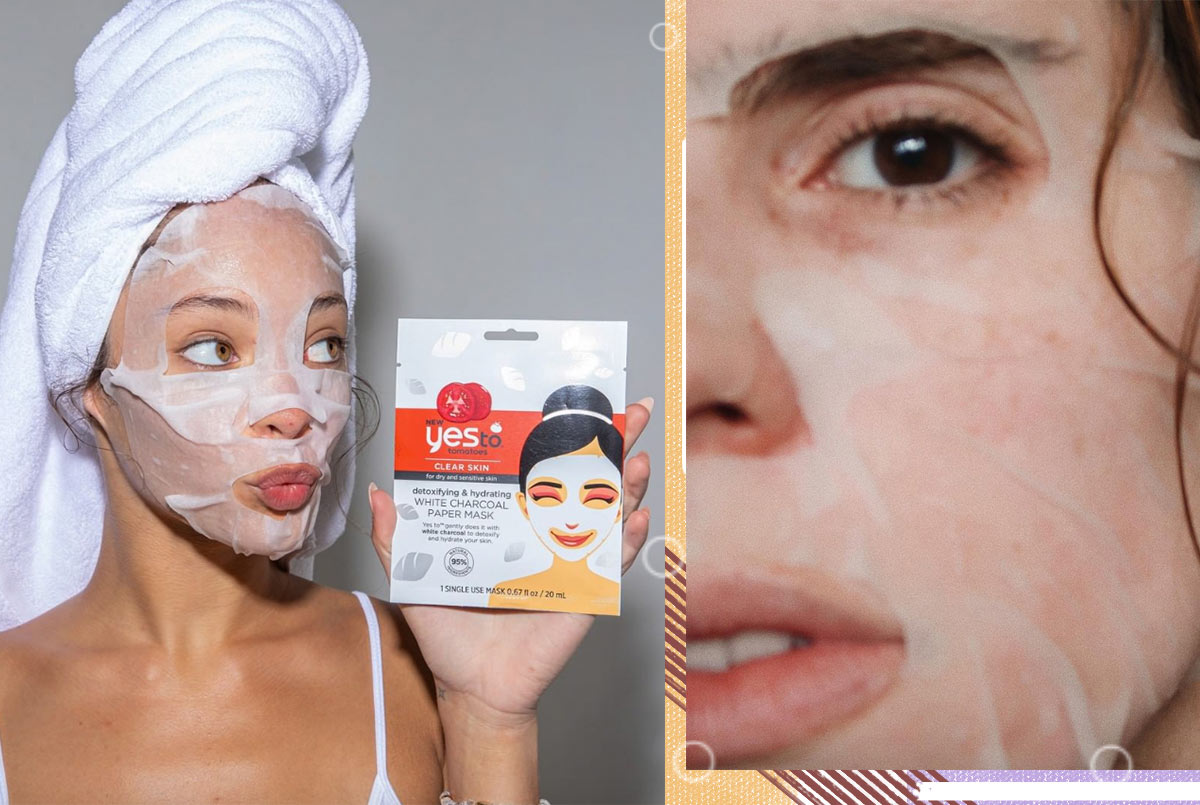
Sheet masks are our favorite little luxury! They’re an affordable way to get some self-care and pampering in, but they offer the kind of results you can get from a gentle professional facial. They originally became popular as part of the big rise in Asian beauty exports, and like many other new product categories, they’ve become staples in many an international beauty routine.
If you’d like to introduce some sheet masking into your life, we’re here to help! We’ve already reviewed the best sheet masks you can buy, so this article gets deep into everything else you might want to know about sheet masks, like how they work, what their benefits are, and how you can add them to your self-care regimen.
Sheet Mask Guide: Contents
Sheet masks are basically pieces of fabric soaked in serum or essence. They’re cut in a shape designed specifically to fit the contours of the face, with holes for the eyes, nostrils, and mouth. The fabric itself is usually made of cellulose, cotton, although there are also gel and rubber variations that may not technically qualify as sheet masks, although they work similarly.
The essence that saturates the sheet mask varies from brand to brand, but they do generally have a few things in common. The essences are always formulated to be very hydrating, although they can contain additional skincare ingredients with more specific effects, like soothing or brightening the skin.
It’s not easy to find out which brand (or even country) originated sheet masks. What we do know for sure is that they were likely developed based on the lotion pack method. This method, which was invented by the late Japanese esthetician and writer Chizu Saeki involved soaking cotton pads in a hydrating toner or essence (which they actually call ‘lotion’ in Japan) and then applying them to the skin just like we do a sheet mask, today.
Nowadays, it’s not uncommon to see sheet mask selfies on Instagram or to see beauty-conscious travelers pop them on a flight. They look unique, and they’re incredibly convenient to use, so it’s no surprise that they became so popular!
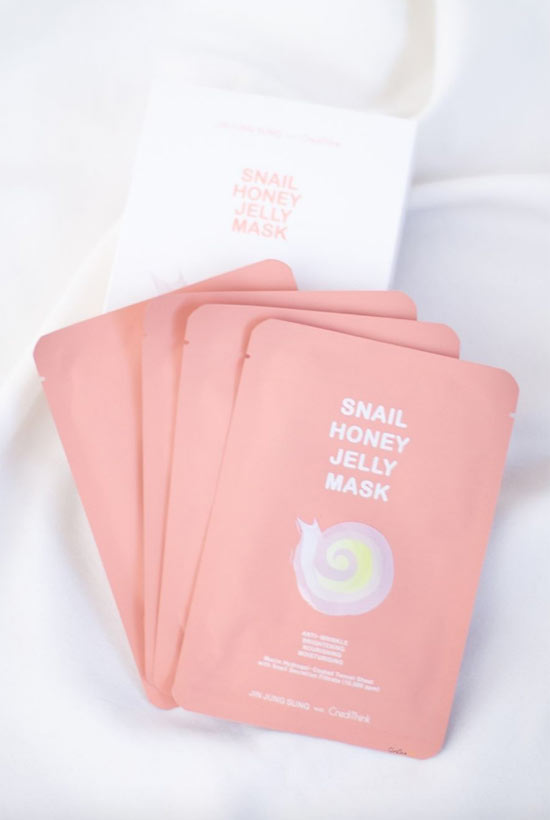
Sheet masks can get you likes on Instagram, but beyond that, they can give your skin a really lovely boost.
The sheet mask is soaked in the exact same type of water-based essence that you could probably purchase separately from the brand. However, the sheet itself has its own added effect on the skin, which is more dramatic than just applying the product to your skin like normal.
Because of the way the sheet mask adheres to the skin, it creates an occlusive seal over it and prevents the moisture in the product from evaporating. Instead of fading into the air or rubbing off, the essence soaks into the skin as deeply as it can over the course that the mask is worn.
The result is that the skin gets a very deep level of hydration and nourishment. After using a sheet mask, you can expect your skin to look glowy and plump, and it should also feel incredibly soft.
So now that we understand how they work, let’s really get into the benefits of sheet masks, one by one.
Sheet masks give an unparalleled level of hydration and plumpness to the skin within just 15 to 20 minutes. These fast results from a single-use are great for those who are usually impatient when it comes to skincare.
Unlike other face masks, sheet masks are physically much more occlusive, which means that they don’t allow any of the product to evaporate. The essence within the mask has nowhere to go except into your skin, so you end up with an immense level of hydration.
Thanks to their ability to deeply hydrate the skin, sheet masks can also reverse dullness to restore a really beautiful, glass-like reflectiveness. If you wake up one morning feeling dull and mundane, a sheet mask will get you glowing in no time.
As with many other skincare products, sheet masks can also deliver more specific benefits to your skin, depending on how they’re formulated. Some ingredients, like allantoin and green tea, can soothe away redness, while others like vitamin C and licorice root extract can counter hyperpigmentation. Look for a specific sheet mask that’ll target your specific skin concerns with its effects.
Whether we’re talking about cost or time, sheet masks are definitely more affordable than spas, and they don’t force you to lose an hour from your day. The average sheet mask only costs $4-$14, while a comparable spa treatment will usually be $50 at a minimum.
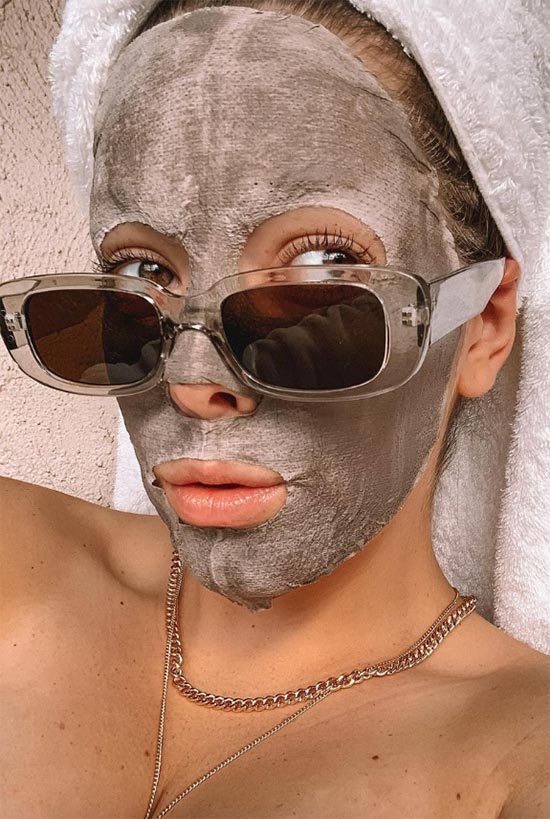
With most masks, you have to rub the product into your skin and then rinse it off. In some cases, the removal process is quite a hassle.
With sheet masks, however, there are no such issues! You just smooth them on your skin, without the need for a special brush. That’s why they’re so popular on-the-go, even in airplanes. Once it’s time to remove the mask, you can just massage the remaining essence into your skin, and you’re all good.
Sheet masks can be split into two components: the fabric and the essence. The combination of components can have a surprising impact on the final product!
There are a few different materials that sheet masks can be made of, and each brand will tell you that theirs happens to be the best. In reality, most sheet mask materials are fine choices that behave fairly similarly.
We’re all familiar with cotton! It’s a soft, natural fiber derived from the cotton plant. In sheet masks, the material is usually non-woven, so it’s very soft and pliant but also a little flimsy. In most instances, it’s also biodegradable.
Also called Tencel or lyocell, this is the next most common material for sheet masks. It’s derived from tree pulp, so it’s biodegradable, and yet, it’s incredibly soft. It’s a popular alternative to cotton, and it often makes for a more durable sheet mask.
Foil sheet masks are usually composed of a layer of cotton with a layer of foil on top. These masks can seem a little gimmicky at first, but they’re pretty cool. While sheet masks already take a while to dry, the added layer of foil totally prevents evaporation, so the masks retain the product for even longer. These masks can be worn for longer than the average sheet mask, and they give incredible nourishment.
Hydrogel masks have a gel-like consistency and a transparent appearance, and yet, they’re thicker than the average sheet mask. They’re incredibly hydrating as a result, and also have a powerful cooling effect.
Bio-cellulose masks are somewhere between cellulose and hydrogel, with a truly unique, skin-like texture. They’re considered the newest sheet mask innovation, although in practice, we think they’re comparable to the other formats.
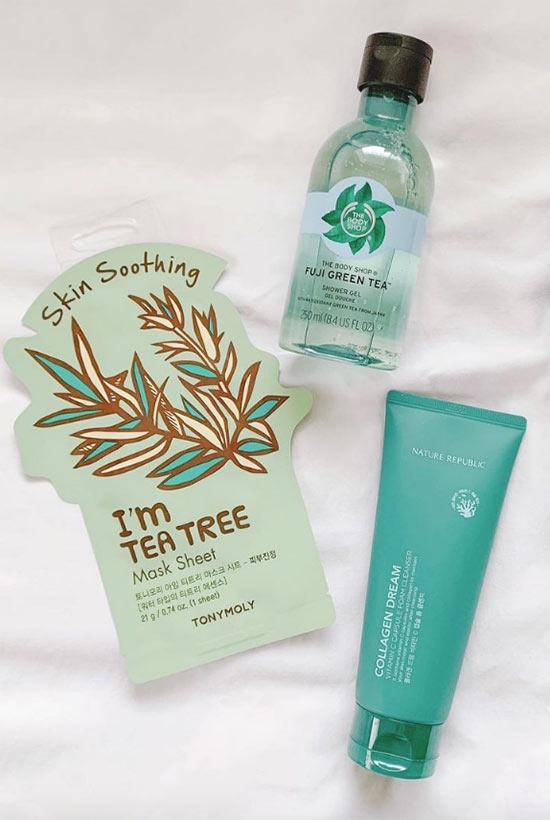
The second component of the sheet mask is the essence or serum. These essences usually have a very thin, liquidy texture that’s suitable and pleasant for all skin types. They’re almost always rich in water, followed by humectants, which are ingredients like glycerin, hyaluronic acid, or butylene glycol that can attract moisture into the skin.
Beyond that, they can contain a ton of other beneficial skincare ingredients! It’s not uncommon to see cult ingredients from Korea, like snail mucin or propolis, but they can also contain more mainstream skincare ingredients like aloe vera, peptides, retinol, and more.
One issue that’s worth acknowledging is that sheet masks are more wasteful than many other skincare products. While they’re not harmful to your skin, they can create a lot of waste, especially if you use them on a daily basis.
There are a few ways to minimize the level of waste you create with your sheet masks, however. First of all, these days, many sheet mask packages are recyclable. Check for a label on the bag, and if it’s recyclable, simply give it a rinse and toss it in the correct bin.
Second, remember that most sheet mask fabrics are biodegradable. After using a biodegradable sheet mask, give it a rinse, and then place it in the compost bin instead of the trash.
You can also try and buy sheet masks from brands that sell a few packaged together instead of individually wrapped masks. Lululun, for example, is a great brand with large packs of folded sheet masks that are packaged together.
Finally, if you’re a fan of DIY, you can make your own washable sheet mask out of an old cotton T-shirt, as we explain below.
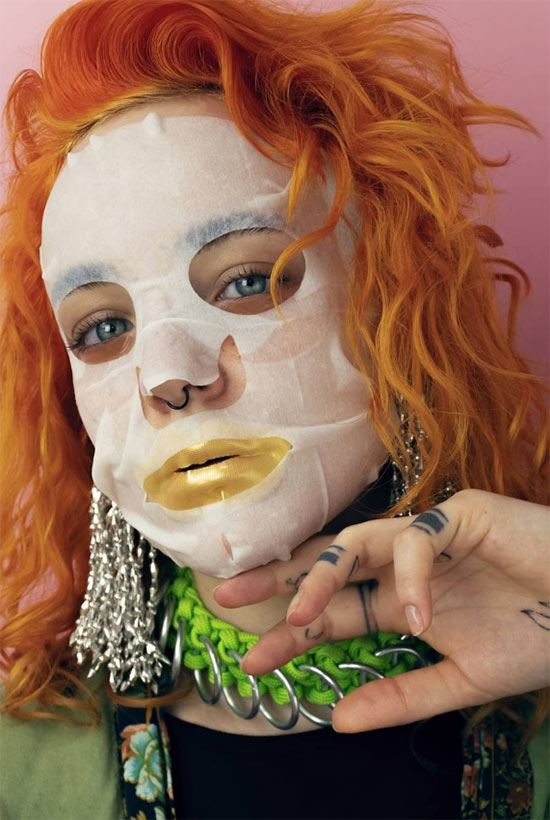
Most sheet masks are basically super-charged essences, so you can use them every day as part of your moisturizing routine. Most people don’t have the extra 20 minutes a day to apply a sheet mask. You can use them to give your skin a boost as often as you like, whether that’s a few times a week or just in the lead-up to special events.
It’s worth noting that some sheet masks are a little more intense than others and may contain skin-resurfacing ingredients like retinol or salicylic acid. In that case, you should treat them exactly as you would a serum with those same ingredients, which means introducing them into your routine slowly to watch out for signs of irritation. For those with sensitive skin, they might be too intense for daily use.
Finally, it’s worth considering cost, as well. If you do think you’d like to make sheet masks part of your daily routine, make sure to buy masks that come in large sets rather than individual ones.
It’s hard to go totally wrong when it comes to sheet masks, but there are still some best practices you should consider. For optimal results, make sure to follow our guide.
Always start with clean skin! If you’re planning to use the mask in the morning, you can just splash your face with a bit of water, while in the evening, make sure to remove all makeup and cleanse your skin thoroughly. If you’d like to stick to a Korean-style routine, you can double cleanse, as well.
You can also exfoliate your skin to remove dead skin cells, which will allow the ingredients in the sheet mask to do an even more dramatic job of nourishing your skin. You can use a chemical exfoliant or a gentle scrub.
In general, you shouldn’t exfoliate your skin more than a few times a week, so if you’re a daily sheet masker, you probably shouldn’t exfoliate every time.
After washing, you can apply your favorite toner on your face either with a cotton pad, or by patting it into the skin.
Next, apply any additional essences or serums that are part of your normal skincare routine, either by patting them into the skin or with a gentle massage.
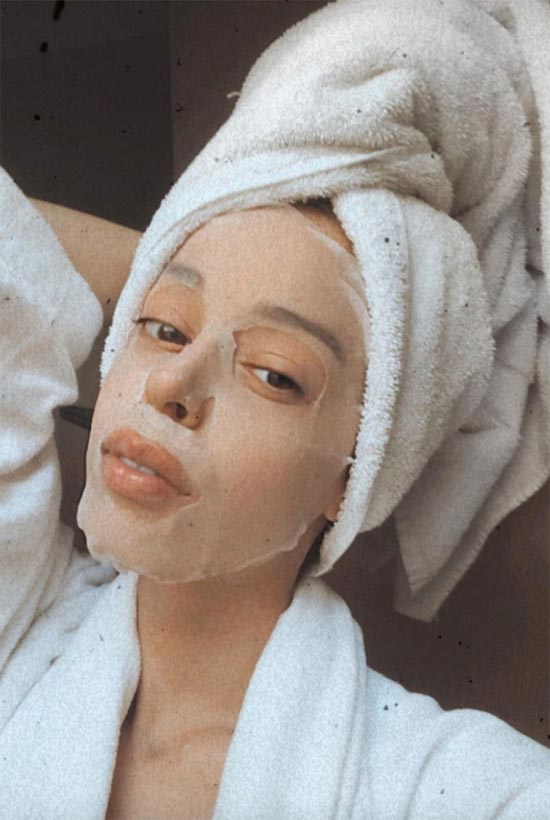
Our previous guide should have given you all the info you need about using a sheet mask, but we still have a few additional tips and reminders.
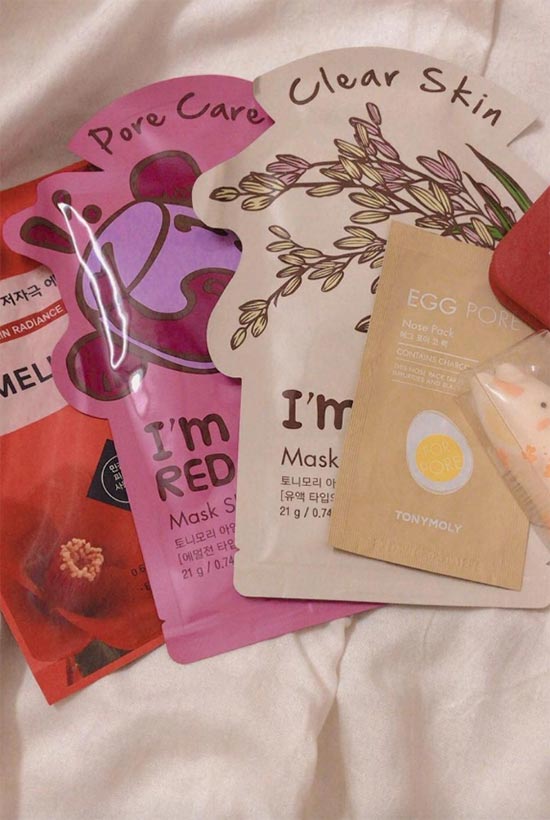
While sheet masks can certainly be affordable, they’re also a little wasteful. That’s why we wanted to give you some suggestions for making your own DIY sheet mask in a way that’s less wasteful and also eco-friendlier.
To make your own reusable sheet mask, you’ll need some paper, scissors, a pencil, and an old T-shirt or other garment made of soft cotton.

In general, we think you’ll get the best results by soaking your sheet mask in any hydrating toner or serum that you love. However, if you like to play around with your own concoctions, a mask is definitely the safest way to play chemist.
Since it’s a one-time-use formula, throw away any excess that’s left after you make it and use it. You don’t want to keep it since it’s made out of household items and without any preservatives, which means it will spoil very quickly.
Additionally, these mixes are designed to nourish the skin temporarily. They’re a little too heavy and sticky to leave on the skin, so we do recommend rinsing them off, although you don’t have to completely wash your face afterward. A simple wipe-down with a toner should be enough.
To create your own anti-aging and moisturizing sheet mask blend, you’ll need the following ingredients:
The process:
If your skin is oily and prone to breakouts, the ingredients in this mask will help alleviate some of the irritation while eliminating acne bacteria.
The process:
If your skin is sensitive, you’ll want an extra-soothing sheet mask that’ll help to cool and calm your skin.
The process:
There you have it! Sheet masks are a lot of fun, and though they might be different, they’re not complicated at all. We hope you enjoy introducing them into your own beauty routine.
Photos via Instagram