
Questo post contiene link di affiliazione. Clicca qui per leggere la mia politica di affiliazione.
Ultimamente sto scherzando con mio marito dicendo che stiamo vivendo un "disastro del successo .”
Ad esempio, abbiamo cresciuto una figlia con cui è così divertente passare il tempo - e disponibile in casa - che non possiamo immaginare la vita quotidiana senza di lei.
Il giorno del trasloco al college, però, è proprio dietro l'angolo, quindi molto presto ridistribuiremo le faccende familiari mentre lei impara a destreggiarsi nella vita del campus. Insieme, Kathryn e io abbiamo trascorso più di 6 mesi a fare ricerche sugli elementi essenziali del dormitorio, parlando di cose indispensabili, cose belle da avere, scambi salutari ed extra che vale la pena considerare se il budget lo consente.
All'inizio non sapevamo con certezza quale dormitorio (o addirittura università) avrebbe chiamato "casa", quindi abbiamo raccolto idee per letti a soppalco, letti a castello, armadi grandi e piccoli, stanze con scrivanie, stanze che non ne hanno e ogni variazione possibile della residenza.
Invece di mettere da parte tutte quelle informazioni extra finché mio figlio non parte per il college, ho pensato di mettere insieme questo elenco per te.

Esistono moltissime liste di controllo universitarie e in realtà sono molto approfondite e utili.
Mentre li leggevo, però, apportavo costantemente piccoli aggiustamenti sfruttando decenni (sì, ora è plurale) di esperienza nella ricerca e nella scrittura di stili di vita non tossici.
Ecco perché l'elenco seguente è praticamente lo stesso che troverai ovunque, solo diverso. Sto lavorando con un budget e scommetto che lo sei anche tu. Ecco perché molte delle scelte consigliate di seguito rientrano nella stessa fascia di prezzo delle opzioni più convenzionali. La differenza sta nel sapere cosa cercare, dove guardare e come fare scelte strategiche che creino una casa più sana lontano da casa.
Al posto delle coperte in microfibra di poliestere, troverai comode coperte in cotone economiche con certificazione OEKO-TEX Standard 100 (che significa che ha superato i test per le sostanze nocive), oltre a opzioni biologiche certificate da considerare.
E invece di un filtro per caraffa di base che si occupa principalmente del cloro, troverai un filtro per caraffa che rimuove fino al 99,99% di oltre 365 contaminanti.
Il mio obiettivo, quando possibile, è quello di evidenziare elementi che continueranno a essere utili anche dopo il giorno del trasloco, quando gli studenti passeranno ad appartamenti, case condivise ed eventualmente case proprie.
Di seguito troverai opzioni buone, migliori e migliori che si adattano a budget, priorità e configurazioni di dormitori diversi.
È un elenco molto lungo, ma per favore non pensare di aver bisogno di tutto ciò che c'è sopra. La maggior parte degli studenti ha bisogno solo di una frazione di ciò che è presente in questa pagina. La maggior parte dei dormitori a doppia occupazione offre agli studenti circa 75-100 piedi quadrati di spazio personale , che ha all'incirca le dimensioni di un parcheggio.
L'obiettivo non è stipare quanto più possibile, ma creare un ambiente multifunzionale che favorisca un sonno ristoratore, uno studio mirato e un'atmosfera sociale accogliente. Ecco perché ho organizzato questo elenco in base al modo in cui gli studenti utilizzano effettivamente il loro spazio:
Prima di acquistare qualsiasi cosa, ti consiglio vivamente di aspettare di conoscere l'assegnazione del dormitorio. Ogni scuola ha regole diverse e talvolta anche residenze diverse nello stesso campus hanno le proprie politiche. Assicurati di controllare sia l'elenco degli articoli vietati sia l'elenco degli articoli già forniti, poiché spesso sono inclusi oggetti come scrivanie, sedie e cassettiere.
La disposizione delle stanze, l'ubicazione della lavanderia, la disposizione dei bagni, le dimensioni del campus e le preferenze personali variano ampiamente. Ciò che fa sentire a proprio agio uno studente può essere completamente inutile per un altro.
Ecco perché spero che considererai questa checklist meno come un elenco da completare e più come un menu di possibilità. Alcuni studenti avranno bisogno solo delle nozioni di base, mentre altri potrebbero beneficiare di qualche comfort extra o di salutari scambi.
Come genitori, trascorriamo anni aiutando i nostri figli a sentirsi sicuri, a proprio agio e accuditi. Aiutarli ad allestire un dormitorio accogliente e organizzato è un altro modo in cui possiamo farlo mentre iniziano a costruire una casa lontano da casa.
Il sonno è uno degli aspetti più trascurati della vita universitaria. Tra sessioni di studio notturne e compagni di classe rumorosi, alcune aggiunte ponderate possono fare una differenza più grande di quanto molti studenti credano.
Nota importante: Prima di acquistare qualsiasi cosa per il letto, assicurati di conoscere le dimensioni del materasso nella stanza del dormitorio specifico del tuo studente. Non tutte le scuole utilizzano materassi della stessa dimensione e anche le diverse residenze nello stesso campus possono variare. A seconda della scuola e del dormitorio, i materassi possono essere Twin, Twin XL, Full, Full XL o anche Queen size.
Le raccomandazioni riportate di seguito riguardano i letti Twin XL, che sono di gran lunga i più comuni nei dormitori universitari. Fortunatamente, la maggior parte dei prodotti sono disponibili in altre dimensioni, se necessario.
Pensa a strati. I dormitori possono essere sorprendentemente caldi, sorprendentemente freddi o entrambi. . . a volte nella stessa settimana. Invece di fare affidamento su una coperta pesante, preferisco costruire un letto a strati che possa essere facilmente aggiunto, rimosso e riorganizzato secondo necessità.
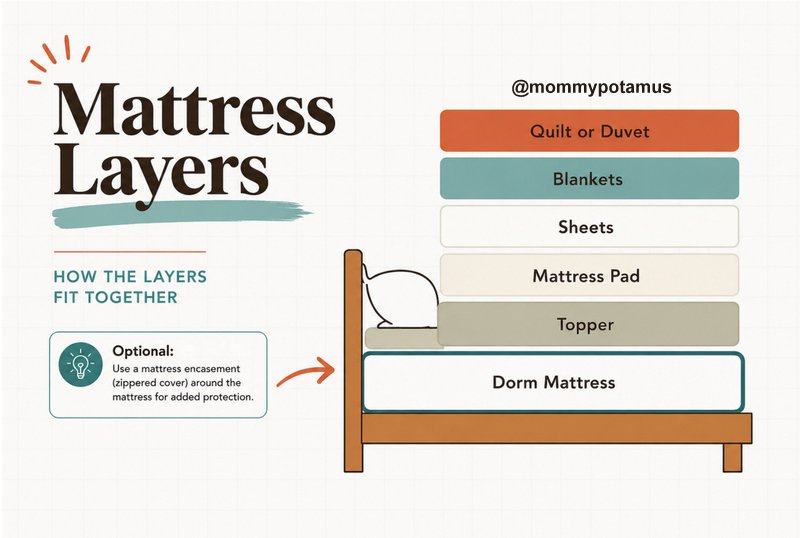
BUONO:saltalo
MEGLIO: Utopia
MIGLIORE: SureGuard
La maggior parte delle università richiede agli studenti di utilizzare il materasso fornito in camera, quindi poiché non è negoziabile, non è qualcosa per cui perderei il sonno. (Mi spiace, ho dovuto farlo.)
Al giorno d'oggi, la maggior parte dei materassi standard per dormitori sono racchiusi in una copertura in vinile o nylon resistente e impermeabile, progettata per resistere a schizzi, macchie e crescita microbica. Dal mio punto di vista, non ha senso racchiuderli in quelle situazioni, perché sono già sostanzialmente "racchiusi".
Quindi, con questo in mente, il mio primo consiglio "buono, migliore, migliore" per la protezione del materasso è:
Detto questo, ci sono alcune situazioni in cui vale la pena prendere in considerazione un rivestimento per materasso:
Il rivestimento del materasso utilizza una copertura con cerniera per circondare completamente il materasso fornito dal dormitorio. Il materiale è generalmente realizzato con uno strato esterno confortevole (spesso poliestere, cotone o bambù) mescolato con uno strato barriera (solitamente poliuretano, polietilene, polipropilene o PVC).
Alcune aziende non condividono molto su come vengono realizzati i loro involucri, mentre altre hanno seguito il processo per ottenere la certificazione OEKO-TEX, il che significa che hanno superato i test per oltre 1.000 sostanze nocive.
I materassi dei dormitori hanno solitamente uno spessore di 6-8 pollici, quindi è necessario un rivestimento più sottile che si adatti relativamente comodamente invece di ammucchiarsi o scivolare. Tenendo questo in mente, ecco alcune opzioni da considerare:
Nota breve: Assicurati sempre che il materasso sia asciutto prima di riporlo in una custodia. Se utilizzi un coprimaterasso o un coprimaterasso, non posizionarlo all'interno di un rivestimento completamente dotato di cerniera. Hanno bisogno del flusso d'aria per rilasciare calore e regolare l'umidità. Il rivestimento dovrebbe invece avvolgere solo il materasso del dormitorio, con il topper o il cuscino posizionato direttamente sopra.
BUONO: Schiuma certificata CertiPUR-US®
MEGLIO | MIGLIORE: Topper certificati OEKO-TEX Standard 100, GOTS, GOLS o MADE SAFE
I materassi dei dormitori sono circa la metà dello spessore di molti materassi domestici. . . e alcuni direbbero che è comodo anche la metà. Ecco perché un topper è uno degli elementi di questa guida che considererei una priorità assoluta. Aggiungere qualche centimetro di imbottitura può fare un'enorme differenza in termini di comfort e qualità del sonno.
La maggior parte dei coprimaterassi per dormitori sono disponibili nelle versioni da 2" e 3".
Topper da 2″ forniscono una sensazione più solida e sono una buona scelta per gli studenti che preferiscono un supporto più strutturato.
Topper da 3″ offrono più ammortizzazione e una sensazione leggermente più morbida. Tendono ad essere la scelta più popolare da utilizzare con i materassi dei dormitori.
Io preferirei un topper da 3 pollici per chi dorme sul fianco e per gli studenti che amano un letto più morbido. Nessuno dei due è "migliore":dipende solo dalle preferenze personali.
La maggior parte dei coprimaterassi commercializzati specificamente per i dormitori utilizzano il memory foam CertiPUR-US®. Con "PUR" proprio nel nome, molte persone lo associano comprensibilmente a un prodotto finito completamente atossico. Sfortunatamente, non è sempre così.
CertiPUR-US è stato creato dall'industria della schiuma di poliuretano per verificare che la schiuma soddisfi determinati standard definiti dal settore.
Gran parte di ciò che cercano – inclusi PBDE, TDCPP e TCEP – è già fortemente limitato o vietato nei materassi e nei mobili imbottiti. Quindi, in sostanza, molte delle sostanze chimiche che testano non dovrebbero trovarsi in nessuna schiuma. (Sfortunatamente, alcune "schiume misteriose" importate potrebbero contenerle comunque.)
Non limitano ogni classe di ritardanti di fiamma e alcuni critici sottolineano che la certificazione non valuta alcune sostanze chimiche problematiche, tra cui alcuni ftalati, catalizzatori amminici e nuovi composti ritardanti di fiamma.
Inoltre, la certificazione si applica solo alla schiuma di poliuretano – non, ad esempio, finiture PFAS, barriere ignifughe o trattamenti utilizzati su coperture e tessuti.
Per questo motivo, tendo a considerare CertiPUR-US® come un buon punto di partenza piuttosto che come un punto di arrivo. Quando possibile, però, cerco certificazioni aggiuntive come:
Ora che sai cosa significano tutte le certificazioni, passiamo ai consigli.
Topper per materasso in gel Viscosoft Reflex 3“ – Se un topper in lattice organico non rientra nel budget, questa è una delle opzioni di memory foam più trasparenti che ho trovato. È prodotto negli Stati Uniti e utilizza schiuma certificata CertiPUR-US® che, secondo l'azienda, è realizzata senza ritardanti di fiamma chimici. Hanno inoltre confermato via e-mail che non sono stati utilizzati ritardanti di fiamma sulla copertura, sul supporto, sulle cinghie e su altri materiali utilizzati nella sua costruzione e che la schiuma e la copertura sono realizzate senza PFAS aggiunti intenzionalmente. La fodera è certificata OEKO-TEX® Standard 100. ViscoSoft ha fornito risposte più dettagliate rispetto a molti produttori e ha risposto rapidamente, il che considero un segno positivo. Realizzano anche un topper Twin XL da 2", ma al momento è esaurito.
Topper Sure2Sleep Gel Swirl Memory Foam da 2" e 3" – Questi toppers realizzati negli Stati Uniti hanno un design piacevolmente semplice. Invece di aggiungere una copertura in tessuto con cerniera, Sure2Sleep è solo uno strato di memory foam certificato CertiPUR-US®. La maggior parte degli studenti posizionerà comunque un coprimaterasso o un coprimaterasso sopra il topper, quindi non vedo la mancanza di una fodera integrata come uno svantaggio. L'azienda mi ha detto che la schiuma è prodotta senza ritardanti di fiamma di alcun tipo e mi piace il fatto che abbiano risposto rapidamente alle mie domande e abbiano fornito maggiore trasparenza rispetto a molti produttori.
Gel Sleepyhead e coprimaterassi Super 2" e 3" – I toppers Sleepyhead sono progettati specificamente per i letti dei dormitori e sono particolarmente apprezzati dagli studenti universitari. La loro opzione a basso prezzo è il Gel Topper, che utilizza memory foam infuso in gel. Realizzano anche un Super Topper, che combina gel e memory foam infuso di rame per una maggiore freschezza. Entrambi sono disponibili nelle versioni da 2" e 3", con la versione da 2" che offre una sensazione più solida e la versione da 3" che offre un'ammortizzazione più morbida.
Sleepyhead utilizza schiuma certificata CertiPUR-US® e fodere certificate OEKO-TEX® Standard 100. Quando l'ho contattato, l'azienda mi ha anche detto che i loro topper sono progettati senza PFAS aggiunti intenzionalmente, non contengono fibra di vetro in nessun componente e non contengono ritardanti di fiamma chimici tossici. L'unico avvertimento è il prezzo:Sleepyhead costa più di alcune opzioni in lattice organico riportate di seguito.
Topper per materasso organico Happy da 2 pollici – Questo è quello che mia figlia ha sul letto a casa e lo adora. È un topper da 2 pollici realizzato con lattice organico certificato GOLS e una copertura in cotone organico certificato GOTS, e porta anche le certificazioni MADE SAFE e GREENGUARD Gold.
Topper organico da 7,6 cm con cucitura a scatola Naturepedic – Questo topper da 3 pollici utilizza lattice organico certificato GOLS all'interno di un rivestimento in cotone organico certificato GOTS ed è anche MADE SAFE e certificato GREENGUARD Gold. Il design con cuciture a riquadro conferisce un aspetto raffinato e di qualità cimelio che lo fa sembrare più un materasso finito che un topper tradizionale.
Topper Sleep On Latex Pure Green da 2" e 3" – Questa è probabilmente l'opzione di lattice più personalizzabile che ho trovato. È realizzato con lattice organico certificato GOLS ed è disponibile negli spessori da 1", 2" e 3", oltre a opzioni morbide, medie e rigide. Puoi anche scegliere se aggiungere o meno una fodera in cotone biologico, che mantiene il prezzo base più basso. Per la maggior parte dei letti dei dormitori, preferirei la versione morbida da 2" o 3", a seconda di quanta ammortizzazione desidera lo studente.
Toppers materasso ecologico avocado da 2" e 3" – Anche questo offre molta flessibilità, con opzioni da 2″ e 3″ sia in lattice Medium Dunlop che in lattice Plush Talalay. Sebbene Dunlop sia generalmente descritto come più solido e di maggior supporto, i topper Dunlop che ho provato sembravano comunque morbidi e morbidi. Penso a Dunlop come all’opzione “di lusso”, mentre Talalay è l’opzione “extra lusso”. Ha una sensazione di leggerezza e galleggiabilità che molte persone trovano particolarmente comoda per il sonno laterale.
BUONO: Fodera in cotone 95%
MEGLIO: Cotone organico + strato impermeabile
MIGLIORE: Cotone organico + strato impermeabile certificato GOTS
Questo protegge il coprimaterasso e aiuta a mantenerlo in posizione. (La maggior parte dei coprimaterassi è dotata anche di cinghie angolari che possono essere utilizzate per fissarlo.)
Coprimaterasso in cotone con filosofia del sonno – Prima che le membrane impermeabili diventassero morbide, silenziose e traspiranti, questo tipo di dischetto di cotone trapuntato era la scelta standard per molte famiglie. Non protegge da grandi fuoriuscite, ma fornisce uno strato lavabile che assorbe il sudore e aiuta a mantenere pulito il topper sottostante.
Mi piace soprattutto il fatto che l'imbottitura sia 95% cotone , poiché la maggior parte dei coprimaterassi utilizza ovatta di poliestere. Il restante 5% è costituito da piccole quantità di fibre di poliestere e olefine, che aiutano il fondello a mantenere la forma e la durabilità nel tempo. La fodera è realizzata in percalle di cotone al 100% e l'intero fondello è certificato OEKO-TEX Standard 100. È silenzioso, traspirante e non cambierà sensibilmente la sensazione del topper sottostante
Se desideri maggiore protezione senza le rumorose coperture di plastica con cui molti di noi sono cresciuti, i coprimaterassi impermeabili di oggi hanno fatto molta strada. Molti utilizzano membrane sottili e flessibili che sono praticamente silenziose e preservano gran parte della morbidezza e traspirabilità degli strati sottostanti.
Coprimaterasso in cotone biologico – Questa è piuttosto solida in termini di certificazioni e costruzione, ma in base alle recensioni potrebbe non essere l'opzione più impermeabile.
Coprimaterasso organico impermeabile Twin XL Happiy (Risparmia il 15% con il codice MP15) Utilizzo la versione king size sul mio letto da diversi anni ed è morbida, assolutamente silenziosa, facile da salire e scendere dal letto e resistente. Il cotone è una morbida maglia jersey e anche lo strato impermeabile è certificato Global Organic Textile Standard.
La maggior parte dei coprimaterassi sono progettati per essere utilizzati con un coprimaterasso o una protezione posizionati sopra. Un produttore, Sleepyhead, consiglia di saltare questo strato perché ritiene che possa intrappolare il calore e l'umidità e interferire con la sensazione del topper. Altre aziende, tra cui Happiy, progettano specificamente protezioni da abbinare ai loro materassi e topper.
Personalmente, mi piace avere uno strato lavabile tra le lenzuola e il topper, ma se scegli un marchio in particolare, vale la pena controllare se hanno consigli specifici.
BUONO:100% cotone
MEGLIO:cotone convenzionale OEKO-TEX Standard 100
MIGLIORE:100% cotone organico (certificato GOTS se possibile)
Il cotone è la soluzione migliore per quasi tutti, in quasi tutti i climi. È la scelta predefinita per una buona ragione. È morbido, traspirante, resistente e confortevole tutto l'anno. Consiglio di acquistare due set:uno sul letto e uno in lavatrice.
Vedrai tre tipi principali di lenzuola di cotone:
Percalle ha una sensazione frizzante e fresca con una finitura opaca. Pensa alle classiche lenzuola d'albergo.
Rasatello risulta più liscio e setoso, con una delicata lucentezza.
Lavorazione in jersey è realizzato con lo stesso tipo di tessuto utilizzato nelle morbide magliette. È elastico, comodo e comodo, motivo per cui è particolarmente apprezzato dagli studenti universitari.
Il numero di thread non è tutto e i numeri più grandi non sono sempre migliori. Nella maggior parte dei casi, penso che un numero di fili di 200-400 sia il punto ideale per lenzuola morbide, traspiranti e costruite per durare.
Il cotone convenzionale può contenere residui chimici o essere tinto con coloranti tossici, ma sebbene non sia ideale come il cotone biologico certificato, è spesso una scelta di gran lunga migliore rispetto ai materiali sintetici come il poliestere. Quando una versione biologica di un articolo di cui ho bisogno è fuori budget o non è disponibile, il cotone al 100% è ciò che cerco per primo.
Fortunatamente in questa categoria ci sono alcune opzioni molto convenienti, anche per il cotone biologico certificato GOTS.
Set lenzuola in cotone Comfort Spaces – Se vuoi evitare il poliestere, questi sono un buon punto di partenza. Sono realizzati al 100% in cotone e sono disponibili in diversi colori e fantasie.
Set lenzuola LANE LINEN OEKO-TEX Standard 100 rasatello – Questi set sono disponibili in un'ampia gamma di colori e anche in alcuni modelli, rendendo più semplice il coordinamento con diversi stili di dormitorio.
Set lenzuola in percalle di cotone biologico LANE LINEN – Questi set sono realizzati con cotone organico certificato GOTS e penso che il prezzo sia difficile da battere. La trama in percalle conferisce loro la sensazione di un lenzuolo d'albergo e dovrebbero continuare a diventare più morbidi con il tempo.
Set lenzuola in cotone organico lavorato a maglia jersey Quince – La maglia in jersey è comodissima ed è una delle preferite dagli studenti, quindi non sorprende che ci sia effettivamente una lista d'attesa per alcuni dei colori Twin XL. Quince descrive queste lenzuola come realizzate in cotone biologico e le certifica secondo lo standard OEKO-TEX 100, anche se non sono riuscito a trovare informazioni sulla certificazione GOTS. Tuttavia, considero queste "roba buona" e una rara scoperta per le lenzuola Twin XL.
Set lenzuola in percalle di cotone biologico Quince – Quince offre anche lenzuola in percalle di cotone biologico in diversi colori e stili. Sono morbidi, traspiranti e molto apprezzati.
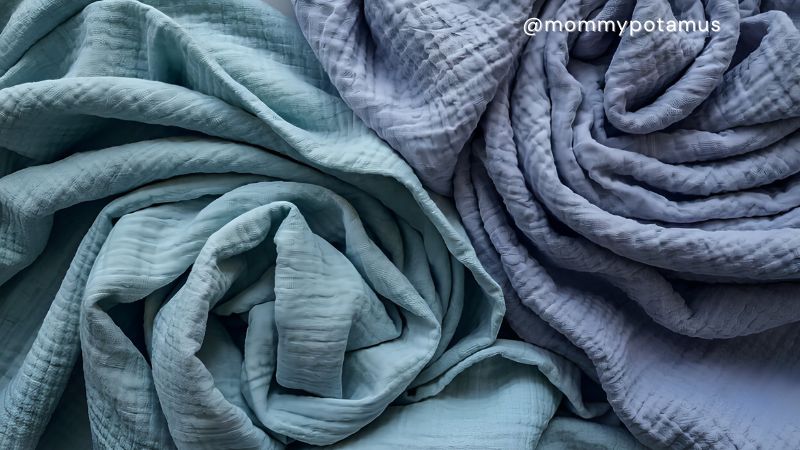
BUONO:100% cotone
MEGLIO:cotone convenzionale OEKO-TEX Standard 100
MIGLIORE:100% cotone organico (certificato GOTS se possibile)
A differenza delle lenzuola Twin XL, che possono essere difficili da trovare, ci sono molte ottime opzioni di coperte in ogni stile e budget.
Coperte a trama fitta sono la classica scelta multiuso. Sono durevoli, facili da stratificare e funzionano bene tutto l'anno. Pensa alla tradizionale coperta di cotone con cui molti di noi sono cresciuti.
Coperte in tessuto waffle hanno un motivo strutturato che crea piccole sacche d'aria, rendendoli leggeri, traspiranti e ideali per la stratificazione. Sono una delle mie opzioni preferite per i dormitori perché aggiungono calore senza ingombrare.
Coperte in mussola sono costituiti da strati di tessuto di cotone vaporoso che diventano più morbidi ad ogni lavaggio. Sono particolarmente apprezzati da chi preferisce un'atmosfera rilassata e accogliente.
Coperte a maglia grossa aggiungono consistenza e calore a una stanza e sono perfetti per serate di cinema, sonnellini pomeridiani o per rilassarsi con un buon libro.
Coperta waffle in cotone biologico Salt Earth – Questa coperta leggera ma calda ha una classica trama a nido d'ape ed è disponibile in diversi splendidi colori. Le recensioni menzionano costantemente morbidezza e resistenza e mi piace il fatto che abbia entrambe le certificazioni GOTS e OEKO-TEX.
Coperta in tessuto waffle Mart in cotone biologico – Questa coperta è molto simile a quella sopra, ma circa 12 pollici più lunga e 8 pollici più larga. È anche certificato GOTS senza il cartellino del prezzo del marchio di lusso.
Coperta Kyra Home in mussola di cotone biologico – Se non hai mai provato una coperta di mussola prima, potresti ritrovarti a desiderarne una anche per il tuo letto. Realizzato con cotone organico certificato GOTS e coloranti certificati OEKO-TEX, questo è realizzato con più strati di tessuto garzato che diventa più morbido nel tempo. La dimensione della coperta grande è più o meno equivalente a molte coperte doppie, rendendola una buona opzione per i dormitori.
Coperta Bedsure in mussola di cotone 100% – Questa coperta in mussola a sei strati ha un'atmosfera rilassata e vissuta che molte persone amano. È certificato OEKO-TEX Standard 100, è disponibile in un'impressionante gamma di colori ed è uno dei modi più economici per provare la mussola.
Coperta Lane Linen in cotone spinato – Questa coperta a spina di pesce di peso medio è certificata OEKO-TEX Standard 100, è disponibile in un'ampia gamma di colori e ha un aspetto tradizionale che funziona con quasi tutti gli stili. Apprezzo anche che sia una delle opzioni più convenienti in questa categoria.
Coperta Bedsure in tessuto 100% cotone – Se preferisci una coperta più tradizionale, questa opzione certificata OEKO-TEX Standard 100 offre una trama fitta e numerose scelte di colori. È morbido, resistente e conveniente, il che lo rende perfetto per l'uso quotidiano.
La maggior parte dei set di biancheria da letto dei dormitori sono realizzati in poliestere, ma ho trovato molte trapunte e copripiumini in cotone a prezzi ragionevoli.
Le opzioni seguenti sono facili da sovrapporre, facili da lavare e spesso continuano a essere utili anche dopo il giorno del trasloco. Una trapunta che inizia la sua vita sul letto di un dormitorio potrebbe poi finire sul divano di un appartamento, sul letto degli ospiti, sulla sedia da lettura o sulla coperta da picnic. Un copripiumino può essere abbinato a diversi inserti al variare delle esigenze e delle situazioni abitative.
In altre parole, questi non sono solo acquisti di dormitori. Sono pezzi che possono crescere con il tuo studente nel tempo.
Trapunta reversibile in mussola BOHO – Tecnicamente non è una trapunta, ma è spesso usata come tale. Realizzato con più strati di mussola di cotone, ha quella consistenza morbida e rilassata che molte persone amano. È certificato OEKO-TEX Standard 100 ed è disponibile in un'ampia varietà di colori e motivi, il che lo rende un modo semplice per aggiungere personalità a una stanza del dormitorio.
Set trapunta in cotone Palassio – Questo set trapuntato leggero include federe per cuscini abbinate ed è disponibile in diversi colori. Il rivestimento esterno e l'imbottitura in cotone creano una sensazione di trapunta più tradizionale rispetto alla mussola e hanno molte recensioni positive.
Set trapunta in cotone Horimote Home – Questa trapunta e finta ha un design a punto scatola che funziona bene per uomini e donne. È realizzato al 100% in cotone ed è certificato OEKO-TEX Standard 100. Le recensioni menzionano spesso la morbidezza e la buona lavabilità.
Set copripiumino in cotone biologico Bare Home – Un copripiumino funziona in modo molto simile a una federa gigante per un piumino o un inserto per piumino. Offre agli studenti la flessibilità di lavare o sostituire la fodera separatamente, di passare a un inserto più leggero o più pesante al cambiare delle stagioni o di aggiornare l'aspetto del letto senza acquistare un piumino completamente nuovo. Questo è certificato GOTS e OEKO-TEX Standard 100, è disponibile in formato Twin XL ed è una delle opzioni organiche più forti che ho trovato.
Set copripiumino in cotone Bedsure – Questa è un'alternativa più economica certificata OEKO-TEX Standard 100 e disponibile in molti colori. Come l'opzione Bare Home, include il copripiumino e la federa del cuscino, quindi puoi abbinarli a qualunque inserto si adatti meglio al tuo budget e al tuo clima.
Fondo copripiumino Whisper Organics – Una cosa che mi piace di questa opzione è che è lavabile in lavatrice, cosa rara nel mondo degli inserti per piumini in fibra naturale. È realizzato in cotone organico certificato GOTS sia all'interno che all'esterno, include anelli agli angoli per mantenerlo saldamente in posizione all'interno del copripiumino e utilizza cuciture a riquadro per mantenere l'imbottitura uniformemente distribuita.
Penso davvero che le opzioni lavabili siano le migliori per l'uso in dormitorio, ma se stai acquistando una camera da letto di casa piuttosto che una stanza del dormitorio, vale la pena dare un'occhiata a questa . Non è lavabile, ma è imbottito di lana australiana avvolta in un guscio di cotone ed è disponibile nelle versioni leggera, media e pesante e include passanti per fissarlo all'interno di un copripiumino.
BUONO: Un cuscino comodo per lo studente.
MEGLIO | MIGLIORE: Un cuscino realizzato con materiali naturali che è anche comodo 🙂
A differenza dei materassi, i cuscini sono incredibilmente personali. Il cuscino “migliore” è quello che mantiene la testa e il collo comodamente allineati nella posizione di sonno preferita. Alcune persone adorano un cuscino alto e morbido. Altri preferiscono qualcosa di più basso e di maggiore supporto.
Molti cuscini pubblicizzati come “100% cotone” sono in realtà solo fodere di cotone avvolte attorno a una tradizionale imbottitura in poliestere. Se speri di migliorare anche i materiali all'interno del cuscino, ecco alcune opzioni:
Cuscino sagomato HCore – Se un cuscino in lattice naturale non rientra nel budget, questa è una delle migliori opzioni ergonomiche in memory foam che ho trovato. Utilizza memory foam certificato CertiPUR-US® e ha una copertura certificata OEKO-TEX® Standard 100. La copertura è realizzata in poliestere anziché in cotone e l'azienda non fornisce la stessa trasparenza dei materiali di alcuni dei miei altri consigli. Tuttavia, penso che sia un'opzione ragionevole.
Cuscino per dormire sul fianco Naturepedic – Questo è uno dei cuscini più comodi che abbia mai usato. La forma curva dà alla tua spalla un posto dove andare quando dormi su un fianco, e l'imbottitura in lattice tagliuzzato regolabile ti consente di personalizzare il soppalco fino a quando non ti senti perfetto. È realizzato con cotone organico certificato GOTS e lattice organico certificato GOLS e dispone anche delle certificazioni MADE SAFE e GREENGUARD Gold.
Cuscino circadiano in lattice – Recentemente Circadian mi ha inviato diversi dei loro cuscini da testare, e questo è diventato rapidamente il preferito di mia figlia. Ha una meravigliosa sensazione di morbidezza che fornisce comunque molto supporto, rendendolo una buona scelta per le persone che cambiano posizione durante la notte. Ha già richiesto questo per la sua stanza nel dormitorio.
Dormi su un cuscino tagliuzzato in lattice – Se stai cercando uno dei migliori valori in un cuscino in lattice organico, questo è quello con cui inizierei. Utilizza lattice naturale triturato all'interno di una fodera in cotone organico e, come i coprimaterassi, Sleep On Latex si concentra su materiali semplici e di alta qualità senza extra inutili. Il lattice triturato conferisce la sensazione di un cuscino più tradizionale pur fornendo la resilienza per cui il lattice è noto.
Cuscino sagomato in lattice in tessuto organico – For students who sleep best with an ergonomic pillow, this one pairs a molded GOLS-certified latex core with a GOTS-certified organic cotton cover. It’s made in the USA and comes in several loft and firmness options, making it easier to find a good fit.
Noisy hallways, bright lights, and roommates with different schedules are all part of dorm life. While you can’t control everything, a few simple additions can make it easier to wind down at night and wake up ready to tackle the day.
Pink Noise Machine – Pink noise helps mask hallway conversations, slamming doors, and other unpredictable sounds while providing a softer, more natural alternative to traditional white noise. It can be helpful for sleep and study sessions.
Blue-light blocking glasses – Even if the dorm lighting is fairly warm, phones, tablets, laptops, and televisions can still expose students to a lot of blue light after sunset. A good pair of blue-light blocking glasses can help reduce that exposure during evening study sessions. One challenge with blue-light blocking glasses is that they don’t all block the same amount of light. Some only filter a small percentage, while others block nearly all blue light, and it’s not always obvious from the product description. Here are my top picks for best performance at budget prices:
MOST AFFORDABLE: OEKO-TEX certified blackout curtains made with synthetic materials
BEST BALANCE :Organic linen or organic cotton with an OEKO-TEX blackout liner
MOST NATURAL: Heavy organic cotton or hemp curtains (possibly layered) that avoid synthetic blackout coatings altogether
GOOD: OEKO-TEX certified blackout curtains
BETTER: Portable blackout curtains that avoid permanent installation
BEST: Organic linen/cotton blackout curtains, if budget allows.
Many dorm rooms come with metal blinds, but they often leave gaps that let light in around the edges. Adding room-darkening curtains can help block ear ly morning sunlight, parking lot lights, and other nighttime light that can make it harder to sleep.
Conventional blackout curtains usually achieve their light-blocking effect with PVC, vinyl, or acrylic foam backings, which can contribute to VOC emissions, especially when they’re new or heated by direct sunlight. Some are also treated with wrinkle-resistant finishes or stain- and water-resistant coatings, including PFAS.
Before you buy, check your student’s window measurements, find out whether curtains (and curtain rods) are allowed, and decide how the curtains will be mounted. The best option depends on the window frame and your school’s housing rules.
That depends on your dorm’s rules and window design.
Most dorm-friendly hanging methods work best with lightweight or medium-weight curtains. Heavier curtains may require sturdier hardware or permanent brackets that aren’t allowed in some residence halls.
Synthetic fabrics tend to shed microplastics, so I avoid them when possible. However, even most “natural” blackout curtains with cotton or linen front layers use polyester or another synthetic material to create the light blocking backside. There are some that block light using thick layers of natural fabric, but they tend to cost more than makes sense for a dorm room. Also, the thick fabric may be too heavy for most tension rods.
For this category, I’d focus on avoiding stronger off-gassing materials instead of trying to eliminate every synthetic fiber.
NICETOWN Linen Look Blackout Curtains – These affordable curtains are made with OEKO-TEX Standard 100 certified polyester and are available in dozens of sizes and colors. They’re also machine washable.
Sleepout Portable Blackout Curtains – The portable curtains from Sleepout are one of the most innovative options I found for dorm rooms. Instead of requiring a curtain rod, they attach to the window with patented locking suction cups and can be installed or removed in seconds without damaging the room. The fabric is synthetic, but it’s GREENGUARD Gold and OEKO-TEX Standard 100 certified, and the company says it has been third-party tested to be free of intentionally added PFAS, formaldehyde, phthalates, and azo dyes. If your student can’t install traditional curtains, Sleepout is worth a look. They’re also machine washable.
MagicLinen Curtains –These beautiful European linen curtains are OEKO-TEX certified and available in neutral colors and use a pocket-style top instead of grommet rings. The front-facing layer is linen and the back layer is polyester.

Although totally optional, headboards can help a dorm room feel more “pulled together.”
One of my favorite options is rattan that’s finished with raw tung oil, beeswax, or a low-VOC water-based finished. Tufted headboards can add coziness while providing a bit of extra cushion to lean against, but finding an option that fits within a dorm budget may require some creativity. (More on that below.)
IKEA TOLKNING Rattan Headboard – This is one of the more interesting budget-friendly headboards I found. It’s made primarily from natural rattan over a steel frame, which avoids many of the engineered wood materials commonly used in inexpensive headboards. It does have a clear acrylic lacquer finish, so it’s not completely free of synthetic materials.
Although this headboard doesn’t carry third-party certifications like GREENGUARD Gold or OEKO-TEX, IKEA publishes one of the more comprehensive chemical policies I’ve found among large furniture retailers. The company states that it avoids adding heavy metals, CMR substances (chemicals linked to cancer, genetic mutations, or reproductive toxicity), most PVC, chemical flame retardants (unless required by law), and formaldehyde-based production methods while maintaining strict limits on formaldehyde emissions.
I evaluate IKEA products on a case-by-case basis, and not everything is an automatic “add to cart” for me. With that said, I consider their level of transparency to be better than many furniture manufacturers in this price range.
I searched for healthier alternatives to upholstered dorm headboards – including pillow headboards – and found very few options that fit both my material standards and a typical dorm budget. Most use conventional polyurethane foam, polyester fabrics, and engineered wood with very little information about the materials inside.
Pottery Barn Dorm Headboards are lightweight, don’t require a bed frame or permanent installation, and are comfortable and beautiful. Some are also GREENGUARD Gold certified, but that only focuses on chemical emissions (Volatile Organic Compounds, or VOCs), not what’s in the materials.
The two main things that give me pause are that they come with built in charging ports – which is not something I would choose from an EMF/ELF standpoint – and there’s not much information on materials beyond what is listed above.
The company has stated that their performance fabrics may contain PFAS, but I couldn’t confirm if these models do. I’ve reached out to the company for clarification and will update this section if I learn more.
These aren’t headboards in the traditional sense. Instead, they’re oversized back cushions that lean against the wall or head of the bed, creating a more finished look while providing comfortable support for reading, studying, or relaxing.
Unfortunately, this category has many of the same challenges as upholstered headboards. Most use conventional polyurethane foam or polyester fiberfill and provide very little information about the materials inside. There are custom makers using natural materials, but they’re generally much more expensive than most dorm budgets allow. Fortunately, I did find a few that are worth mentioning.
EcoStyle Organic Wedge Pillow – Handmade with natural materials, it provides comfortable back support for reading or studying while avoiding the polyurethane foam found in most wedge pillows. It’s available in custom sizes and fabric options, making it easy to tailor to your space.
EcoStyle Organic Bed Cushion – This long rectangular cushion creates more of a “headboard” look while providing support across a wider area of the bed. It’s available in several custom sizes.
If you’re up for it, I think you could pretty easily make a non-toxic upholstered dorm headboard using these instructions and a few material swaps:


A comfortable, well-designed study space can make it easier to focus during the day without making it harder to fall asleep at night. Here are a few things I’d prioritize.
Light doesn’t just help us see – it also helps regulate our internal body clock. Bright, daylight-like light during the day supports alertness, focus, and productivity, while warmer light in the evening signals that it’s time to start winding down.
Instead of buying separate lamps for daytime and nighttime use, I recommend choosing circadian-friendly, flicker-free bulbs that adapt throughout the day. During the day, they provide bright light that’s well suited for studying and other focused tasks. In the evening, they switch to a much warmer, amber glow that minimizes blue- and green-light exposure, helping create a more sleep-friendly environment.
Instead of relying on harsh overhead lighting, I prefer using layers of light. A combination of task lighting and softer ambient lighting is often more comfortable during long study sessions and helps create a calmer, cozier room after sunset.
Instead of buying one lamp that tries to do everything, I’d choose two:
If space allows, a table lamp or floor lamp that uses a BioLight “day-to-night” color changing bulb or a warm amber bulb can create a cozier room after sunset.
Note: All the bulbs I linked to above are E26, which is the standard medium base used in traditional household lamps and ceiling fixtures.
Here are some of the simplest ways to create a workspace that feels less cluttered and more functional.
Solid Wood Desk Organizer -An unfinished organizer with compartments for notebooks, pens, and other everyday supplies. I like that it avoids composite wood and painted finishes.
Safco Alloy Steel Desk Organizer – A simple steel organizer that keeps folders, notebooks, and supplies within easy reach while avoiding MDF and particleboard.
These are the kinds of extras that really depend on how a student likes to study. Some people are perfectly happy without them, while others appreciate a few comfort upgrades during long study sessions.
If a laptop is frequently used on a bed, couch, or lap, an EMF-blocking laptop mat is worth considering. In addition to creating a shielding layer between the laptop and the body, it also doubles as a portable lap desk by providing a more stable, comfortable surface to work on.
Most dorm chairs are perfectly usable as they are, but if extra cushioning is needed, cotton and natural latex are my favorite options. They’re durable, breathable, and avoid the polyurethane foam found in many seat cushions.
Cotton Duck Extra Thick Chair Pad – Made with a durable cotton fabric, this cushion comes in several colors and ties securely to most desk chairs.
Natural Latex Chair Pad – Made with GOLS-certified organic latex and a GOTS-certified organic cotton cover. It’s one of the few seat cushions I found that offers both ergonomic support and excellent material transparency.
Every college has its own housing rules, and electronics are one area where they can be very specific. Before buying anything that plugs into the wall, take a few minutes to review your school’s approved and prohibited items list.
Some schools require all electrical products to be UL Listed. Others accept ETL Listed products as well, since ETL is another nationally recognized safety testing lab that evaluates products to the same North American safety standards. If your school specifically mentions UL, it’s worth checking whether ETL-listed products are also allowed.
A good surge protector is one of the most useful dorm purchases. Most guides recommend having at least two – one for the desk area and another for the other side of the room. A longer cord (around 10 feet) provides much more flexibility when outlets aren’t located where they’re needed.
Some schools specify the maximum cord length, require a minimum surge protection rating (joules), require an on/off switch, or prohibit certain styles of power strips altogether. After you know what you’re looking for, here are some options to consider:
Anker 341 Power Strip Surge Protector (8 Outlets) – This one makes good use of limited dorm space. The outlets are arranged on three sides, which helps keep bulky adapters from crowding each other, and the 45° flat plug makes it easier to place a desk or bed closer to the wall. It includes eight AC outlets, two USB-A ports, and one USB-C port.
Belkin 12-Outlet Surge Protector – A heavy-duty UL Listed option with 12 outlets, USB charging, a flat plug, 3,480 joules of surge protection, and an on/off switch.
GE Surge Protector – A no-frills UL Listed surge protector with a 10-foot cord, flat plug, safety outlet covers, and an on/off switch.
Addtam Surge Protector (6 outlets) – ETL Listed with a flat plug, braided cord, USB-A and USB-C ports, multiple cord lengths, and an on/off switch.
Extension Cord (if allowed) – Some dorms don’t allow extension cords at all, while others allow only UL Listed or ETL Listed versions.
Extra Phone Charger – Having a second charger for a backpack, bedside table, or study area makes life much easier than constantly moving one charger back and forth.
Ethernet Cable – If your student’s dorm room includes an ethernet port, a wired connection is often faster and more reliable than Wi-Fi, especially during busy evening hours. It also allows internet traffic to travel over the cable instead of the laptop’s Wi-Fi connection, which may reduce the laptop’s wireless transmissions during use. If minimizing wireless exposure is a priority, turning off the computer’s Wi-Fi after connecting to the ethernet provides the greatest reduction. (We use ethernet exclusively at home.)
Many schools can activate inactive network ports with a quick service request. If the laptop doesn’t have an ethernet port, inexpensive USB-C or USB-A Ethernet adapters are pretty easy to find.
Every dorm room is a little different, so I prefer storage solutions that are easy to rearrange, repurpose, and take to the next place. The options below strike a good balance between practicality, affordability, and healthier materials where they make the biggest difference.
For lofted beds, most students choose plastic storage containers, drawer units, or cube shelves with storage bins. Plastic isn’t my favorite material, but I think it makes sense here. Unlike blankets, baskets, and other relatively inexpensive dorm items, quality solid wood storage is a significant investment – and what fits one dorm room may not fit the next.
With that said, I did find one solid wood cube organizer that’s worth considering, plus storage bin options made from natural materials. I’ve also included suggestions for better plastic storage options.
Natural Wood Cube Storage Organizer – Made from FSC-certified solid pine that’s sanded smooth and intended to be used without stain or varnish. It includes three 11-inch storage bins, but there isn’t any information available about what they’re made of. My guess is polypropylene or polyester based on their appearance.
Cotton Rope Storage Bins (11 inch) – My favorite option for cube storage. They have a similar look to wicker but are washable, which makes it much easier to keep a dorm room clean over the course of the school year.
Cotton Rope Storage Bins (Alternate Design) – Another washable cotton rope option with a different woven pattern and handles.
Water Hyacinth Storage Baskets (Set of 6) – If your student loves the woven basket look, these are a beautiful natural-material option. They’re lightweight and fold flat when not in use.
Wicker Storage Baskets (Set of 4) – A similar option that’s a good fit for four-cube organizers.
If plastic drawers make the most sense, I’d lean toward Sterilite over many of the no-name brands. Their products are made in the USA and the company states they’re BPA-free and phthalate-free.
Sterilite also makes stackable, clear storage boxes in a wide range of sizes.
Storage needs tend to change throughout the school year, so I like pieces that can adapt right along with them. Here are my top picks:
Rolling carts are one of the most versatile storage solutions for a dorm room. They work equally well as a bedside table, pantry, coffee station, bathroom organizer, or extra workspace.
Most steel rolling carts are finished with a baked-on powder coating, which generally has very low emissions once cured. However, material transparency varies widely between brands.
The carts below stand out because they’re both GREENGUARD Gold certified , meaning the finished product has been independently tested for low chemical emissions, and CPSIA compliant , which includes limits on lead and certain phthalates.
Two Tier Rolling Cart – A compact option that’s ideal for smaller spaces or use as a bedside table.
Three Tier Rolling Cart – Offers more storage without taking up additional floor space.
I recommend washable baskets whenever possible. Dorm rooms collect dust, crumbs, and laundry quickly, and being able to toss a basket into the washing machine makes it much easier to keep the room feeling fresh.
Stainless steel baskets are incredibly durable, and their open-wire design makes it easy to see what’s inside without digging through a bin. They’re a great option for storing snacks, toiletries, cleaning supplies, or other everyday essentials.
Stainless Steel Wire Baskets – Most of the reviews are in Japanese but they seem enthusiastically positive . 🙂
Closet Rod Doubler – Instantly adds a second hanging rod, making much better use of the vertical space in most dorm closets.
Space Saving Hangers – Made from 304 stainless steel instead of plastic, these cascading hangers help maximize hanging space and are durable enough to be used long after dorm life.
Over-the-Door Full-Length Mirror – If the dorm doesn’t provide one, this can free up valuable floor space. Just be sure to choose a model that’s compatible with your dorm’s door style and thickness.
Dorm beds can be set up several different ways, from standard height to fully lofted. The recommendations below are organized by bed configuration so it’s easier to find pieces that fit your student’s room.
Many dorm beds can be raised well above a standard bed frame. Once you add a dorm mattress and mattress topper, the sleep surface often ends up around 40 inches off the floor. If your student’s bed is set that high, a taller nightstand makes everyday items much easier to reach.
For beds at a more standard height, here are a few options:
IKEA ALEX Drawer Unit – Not my favorite materials overall, but IKEA has been more proactive than many furniture manufacturers about reducing formaldehyde, PVC, brominated flame retardants, phthalates, and other chemicals of concern. I generally have more confidence in their material standards than many similarly priced alternatives.
IKEA TARVA Nightstand – One of my favorite IKEA bedroom pieces. It’s made primarily from untreated solid pine and uses fiberboard only for the drawer bottom and back panel. The clear acrylic finish protects the wood while preserving its natural appearance, and IKEA’s chemical standards are generally more rigorous than many furniture manufacturers in this price range.
IKEA PERJOHAN Storage Stool – Made from untreated solid pine, this versatile piece works equally well as a nightstand, extra seat, or small storage bench. The open compartment underneath is perfect for books or an extra blanket.
Three Tier Rolling Cart – At about 31 inches tall, it’s a practical option for taller beds while adding flexible storage.
Natural Wood Cube Storage Organizer – If more height is needed, the solid wood cube organizer mentioned earlier can be turned vertically to create a 36-inch-tall bedside storage unit.
For fully lofted beds, traditional nightstands aren’t practical. A bedside shelf keeps essentials like a phone, glasses and water bottle within easy reach without taking up floor space.
Most colleges provide a safety rail for lofted beds and top bunks. If yours doesn’t, I strongly recommend adding one. A properly installed bed rail greatly reduces the risk of falls during sleep. The Able Life Bed Rail meets ASTM safety standards and is worth considering if one isn’t already provided.
BedShelfie – Depending on the model, this bedside shelf either clamps to the bed frame or slides between the mattress and bed base.
Adjustable Height Bed Shelf – Unlike most bedside shelves, this one can be raised or lowered to match the student’s preference. A long support arm slides beneath the mattress to provide stability without attaching to the bed frame.
Additional seating is completely optional, and whether it makes sense depends on the size and layout of the room. If there’s enough space, a comfortable chair or futon can create a nice spot to read, study, or hang out with friends.
Butterfly chairs are one of my favorite space-saving seating options because they fold flat when not in use, and the removable cover can be washed if needed.
I wasn’t able to find a budget-friendly chair with a 100% cotton cover, but I did find one with a cotton-blend canvas cover over a bamboo frame. I also contacted the manufacturer, who stated that the fabric is not treated with water-, stain-, or other performance finishes.
Folding Butterfly Chair (Natural) – This set of two comes with washable cotton/polyester canvas covers.
Many students place a futon beneath a fully lofted bed to create a comfortable spot to study, relax, and spend time with friends. If you’re buying one before move-in, check your school’s loft bed dimensions to make sure it will fit.
KD Frames Unfinished Solid Wood Futon Frame – Made from unfinished solid wood, making it one of the few budget-friendly futon frames that avoids composite wood and factory-applied finishes.
Natural Futon Mattress – The Futon Shop offers several mattresses made with natural materials. One quick note:Many universities don’t require conventional flame retardants, but check with your school.

Many dorms allow students to prepare simple meals and drinks in their rooms, though the rules vary by school. It’s worth checking your housing guidelines before buying any appliances.
40oz Insulated Stainless Steel Clearly Filtered Water Bottle – These bottles are perfect for carrying around campus. They can “transform ordinary tap water into clean and safe drinking water by simply sipping through the straw. Wherever the day takes you, you’ll have peace of mind knowing your tap water is free from up to 99.9% of 220+ contaminants.”
Clearly Filtered Water Pitcher – This is my top countertop filter recommendation in terms of performance and price. Unlike most pitcher filters which barely do more than improve water taste by removing chlorine, it’s certified to remove 365+ contaminants – more than any other model I researched – all while keeping beneficial minerals intact.
Many dorm guides recommend single-serve pod coffee makers, but research has found that plastic coffee pods can shed microplastics during brewing. If your student’s dorm allows it, I think an electric kettle paired with a French press is one of the simplest ways to reduce plastic contact while making excellent coffee.
COSORI Electric Kettle – My favorite option. It’s made with 304 stainless steel and has a completely plastic-free interior and spout. It also includes automatic shutoff and boil-dry protection.
Amazon Basics Electric Kettle – Available in both glass and stainless steel versions. The glass version uses a plastic spout, and the clear fill window is made of polypropylene plastic. Both have automatic shutoff and boil-dry protection.
Stainless Steel French Press – Double-wall insulated stainless steel keeps coffee hot longer than glass while eliminating the risk of breakage.
Stainless French Press (Alternate Option ) – This is the one I own. It’s well made, durable, and has held up very well over time.
Coffee Grinder (if using whole bean coffee) – Features a removable stainless steel grinding cup, making it easier to transfer beans and clean between uses.
Stainless Steel Coffee Tumbler – Perfect for taking to class.
Instant Pot Duo Plus 6 Quart (if allowed) – If I could only choose one dorm cooking appliance, this would probably be it. It’s great for beginners that don’t need a lot of fancy extra settings, and can be used to make everything from soups and chili to rice, shredded chicken, oatmeal, yogurt, and hard-boiled eggs. Some are “smart,” aka Wi-Fi enabled, but this one is not, which I prefer. Instant Pot also offers a free recipe app with hundreds of ideas.
Beast Blender – One of the quietest personal blenders I found. The model I recommend uses a stainless steel blending container instead of plastic, and protein smoothies can be blended directly in the travel container before heading to class.
Stainless Steel Hot Pot (if allowed) – A simple option for heating soup, chili, leftovers, oatmeal, ramen, pasta, or hot drinks when larger appliances aren’t allowed.
Stainless Steel Rice Cooker (if allowed) – Much more versatile than the name suggests. Besides rice, it can be used to make oatmeal, steamed vegetables, soups, simple one-pot meals, and reheat leftovers.
Mini-Fridge – I’d choose the largest model your school allows. If possible, look for a two-door design with a separate freezer compartment rather than a small freezer built into the refrigerator section. They generally provide more usable space and do a better job maintaining freezer temperatures because the freezer has its own insulated compartment.
If your student plans to prepare even a few simple meals, having a handful of quality kitchen basics can make dorm life much easier.
Bamboo Cutting Board – A good alternative to plastic cutting boards, this one is made with FSC Certified bamboo. My favorite thing about it is that there are no glues at all on the cutting surface, and it’s under $20.
Can &Bottle Opener – A sturdy stainless steel opener with comfortable handles. One of those inexpensive tools that’s easy to forget until it’s needed.
Stainless Steel Cooking Utensils – Stainless steel utensils are durable and easy to clean. Here are a few good options:
20 Piece Stainless Steel Flatware Set – When it comes to flatware, 18/10 is ideal, 18/8 is nearly identical, and 18/0 is a reasonable budget option. This set from Kingstone seemed too good to be true in terms of price, but they’re a legitimate brand that has been reviewed (and highly rated) by Food &Wine Magazine. Traditional silver stainless steel flatware tends to be the most timeless and durable option. Gold, black, and other colored finishes are usually created using a hard coating process called PVD, which is widely used and generally considered safe, but I personally prefer uncoated stainless because it keeps things simple and avoids questions about the durability and composition of additional surface treatments.
Corelle 30 Ounce Meal Bowls (Set of 4) – One of my favorite dorm dishes. They’re lead- and cadmium-free, lightweight, and versatile enough to work as both a plate and a bowl.
12 Piece Glass Dish Set – A simple glass dinnerware set for students who prefer glass over plastic or ceramic.
OEKO-TEX Certified Cotton Waffle Weave Kitchen Towels – Made from 100% cotton with a waffle weave that dries quickly and becomes more absorbent with use.
Magnetic Spice Rack – Attaches to the side of a refrigerator to free up valuable counter and shelf space.
Over-the-Refrigerator Shelf – A great way to turn unused vertical space into storage. Because each shelf is adjustable, you can move them, remove them, or space them however you like to fit your refrigerator and other essentials.
Glass Food Storage Containers – Great for storing leftovers, meal prep, or snacks without relying on plastic containers.
Dish Drying Rack – If your student will be washing dishes in a communal kitchen or bathroom, dish soap and a kitchen towel may be all that’s needed. If they’re washing more than a few dishes at a time, a dish drying rack may be helpful. The best choice will vary depending on whether the drying rack can be left to drain into a sink or needs to have a tub underneath to catch water.
If your student will have access to a shared kitchen – or plans to cook more than the occasional meal – these additions are also worth considering:
Whether your student is sharing a community bathroom or has a private one, choosing items that dry quickly and can be washed regularly will help keep the space cleaner and fresher.
Towels that dry more quickly are less likely to develop funky odors and are ready to use again sooner.
Utopia Quick-Dry Cotton Towel Set – Made from 100% cotton and OEKO-TEX Standard 100 certified.
Cotton Craft Quick-Dry Cotton Towel Set – Another OEKO-TEX Standard 100 certified option that includes bath towels, hand towels, and washcloths.
Cotton Craft Quick-Dry Waffle Bath Towels – Lightweight waffle-weave towels that dry quickly and are OEKO-TEX Standard 100 certified.
Mesh Shower Caddy – Quick drying mesh is the better choice here, even when the mesh is polyester. It dries much faster than solid plastic caddies, allowing water to drain away instead of collecting inside. Available in two sizes.
Natural Rubber Flip-Flops – These are highly rated for comfort and could easily work as shower shoes and everyday shoes.
Cotton Waffle-Weave Bathrobe – Very helpful if the bathroom is communal. Look for lightweight, waffle-weave options that dry quickly.
When it comes to shower curtains, natural fabrics usually require more maintenance than most college students are willing to take on. I’d look for a machine-washable OEKO-TEX Standard 100 polyester curtain paired with a polyester liner. If privacy is important, choose a solid color instead of a clear shower curtain.
Amazon Basics Shower Curtain – OEKO-TEX Standard 100 certified and machine washable.
OEKO-TEX Standard 100 Alvia Spring Shower Curtain Liner – OEKO-TEX Standard 100 certified, machine washable polyester liner.
Shower Curtain Hooks – These make removing the shower curtain (and putting it back on) super easy.
100% Cotton OEKO-TEX Standard 100 Bath Mat – I recommend keeping two on hand so one can be washed while the other is in use.
Diatomaceous Earth Bath Mat – If budget allows, these dry almost immediately instead of holding moisture like fabric mats. The one I have is out-of-stock, but this one has a 4.6 star rating with over 1K reviews, this one has a 4.6 star rating with over 1.6K reviews and this one has a 4.4 star rating with 4.4K reviews. There are a lot more with different designs, but these are the most budget-friendly.

Wool Dryer Balls – A reusable alternative to dryer sheets that helps separate clothes in the dryer, improving airflow and shortening drying time. They also help reduce static and soften fabrics naturally.
Handheld 2-In-1 Garment Steamer &Iron – No ironing board needed – just hang the garment on a hanger, steam, and go. Automatic shutoff adds an extra layer of safety.
Folding Drying Rack (if needed) – Helpful for air-drying delicate clothing, wool garments, swimsuits, or anything that shouldn’t go in the dryer. It folds flat when not in use.
Organic Cotton Mesh Laundry Bag (if needed ) – Perfect for protecting delicate items during washing.
The best laundry solution depends on how far students have to carry their clothes.
For shared laundry facilities across campus:
Cotton Canvas Laundry Backpack – It’s comfortable to carry and machine washable, so students can toss it in with a load and carry their clean clothes back in a clean bag.
For laundry rooms just down the hall:
Cotton Rope Storage Basket – An attractive option that’s also machine washable.
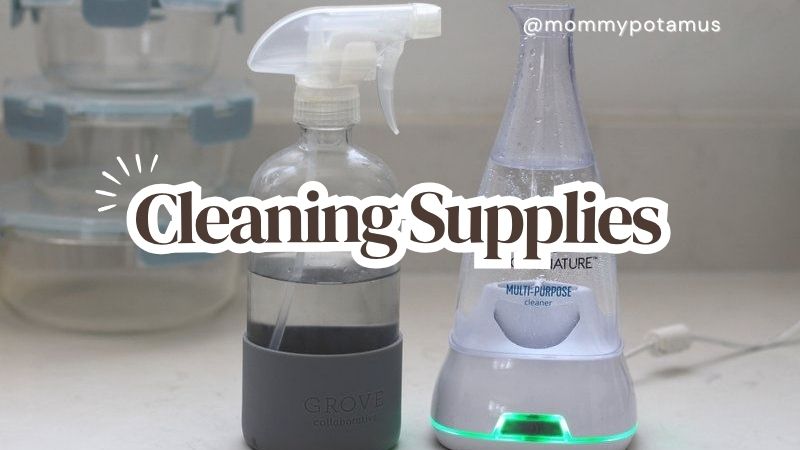
Not every student will need all of these. Pick the tools that match the room, flooring, etc.
One of the easiest ways to save space in a dorm room is to skip a big collection of specialty cleaners. Most students don’t need separate products for the bathroom, mirrors, countertops, floors, and everything in between.
Instead, I recommend choosing one versatile cleaner that can handle just about any cleaning task. It keeps things simple, takes up less space, and avoids filling a tiny room with heavily fragranced products.
Force of Nature Cleaning Kit – This small appliance that transforms water, salt, and vinegar into a multi-purpose cleaner and disinfectant. It works well on high-touch surfaces, countertops, mirrors, bathrooms, cutting boards, and many hard floors. (As with any appliance, check your school’s policies before bringing it to campus.)
Branch Basics Cleaning Kit – One bottle of concentrate can be diluted for everyday cleaning tasks throughout the room. Just add water and use it for countertops, mirrors, sinks, and more.
Trash Can – Most colleges only allow plastic or metal trash cans, and some provide one. If your student plans to prepare meals in their room, a larger kitchen-size can with a lid may be worth considering.

This is one of the last categories covered in this guide, but it was a top priority when my daughter was deciding which college to attend. Seriously, it carried just as much weight in our decision-making process as the academics.
We’re incredibly grateful that she found a school with an honors program that’s a great fit for her goals and a strong commitment to building maintenance. Even so, the biggest dorm purchase we’ll be making is the same air purifier we use at home:Jaspr .
Technically, it’s an air scrubber rather than a traditional air purifier. It’s larger than many of the models that are typically recommended for dorms, but it has a relatively small “footprint” and is very quiet. Bottom line:I trust it for all the reasons I shared here .
There are a couple of other air purifiers that I think show promise for dorm use, but I’m still evaluating them. I’ll update this section if/when I have additional recommendations. Also, as with any electrical appliance, check your school’s housing policies before bringing it to campus.
Unlike EMF-blocking technologies (which I still use on my phone and in other situations), Blushield is an active system that “produces coherent frequencies within the human responsive range, based on nature-mimicking mathematical algorithms.”
I’ve covered before how our brains can entrain with certain frequencies, and according to Blushield our bodies also do the same thing. When coherent frequencies are available alongside the chaotic ones produced by non-native EMFs, Blushield says our bodies will preferentially tune into the coherent ones. Full review here .
Small Locking Storage Box – A compact option for jewelry, passports, cash, external hard drives, and other small valuables.
Bunk Trunk (Save $30 With Code MOMMYPOTAMUS) – This is a splurge, but I can see why it’s popular. It was created by a parent who wanted a better way for students to make the most of a small dorm room, combining secure storage with a convenient bedside workspace. Made from solid birch, it functions as both a locking storage trunk and a desk when the front panel folds down. After dorm life, the legs can be removed so it continues serving as a locking trunk at home. It’s made by a small family-owned business in California, and my link includes a $30 discount.

PFAS-Free Poncho – One of my favorite inexpensive dorm hacks is keeping a lightweight poncho tucked inside the backpack. Unlike an umbrella, it protects both the student and the backpack.
If the backpack is too large to fit under the poncho, consider getting it a dedicated PFAS-Free Waterproof Backpack Cover .
Hopefully, most of these items will never be needed, but a little preparation now can save a lot of stress later.
Once a student turns 18, parents generally can’t access medical information or make healthcare and financial decisions on their behalf without permission – even if they’re paying the bills or the student is still covered under the family health insurance plan.
Below is one of those things that hopefully never gets used, but if an emergency happens, you’ll be glad it’s already taken care of.
The Mama Bear Legal Forms Young Adult Power of Attorney Package includes the legal documents many families choose to have in place before college, including a HIPAA authorization, healthcare power of attorney, and durable financial power of attorney. If your student is attending school in another state, the package also includes forms for that state. My link includes 20% off .
If you’ve made it this far, you probably realize that creating a dorm room isn’t just about buying things – it’s about figuring out what will actually work for your student’s room.
Every school is a little different. Some allow Instant Pots, some don’t. Some provide mini-fridges, others expect students to bring their own. Bed heights, storage space, bathrooms, kitchen access, and housing rules can vary quite a bit.
When I started researching all of this for my own daughter, I found myself constantly asking, “Wait…did I remember to check that?”
So I put together something that would have made this whole process much easier.
As you shop, use this printable planner to gather everything you’ll need in one place.
Inside you’ll find questions like:
✅ What furniture and appliances does the school already provide?
✅ What bed height and mattress size will your student have?
✅ Which appliances and power strips are allowed?
✅ Is there room for under-bed storage?
✅ Does the room have an ethernet port?
✅ What should you buy now, and what can wait until after move-in?
Instead of making guesses (or buying things twice), you’ll have a simple roadmap that helps you shop with confidence.
Enter your email below and I’ll send it right over. You’ll also receive my weekly newsletter with practical wellness tips, recipes, and new guides like this one.