
Esta publicación contiene enlaces de afiliados. Haga clic aquí para leer mi política de afiliados.
Últimamente he estado bromeando con mi esposo diciendo que estamos experimentando un “desastre de éxito .”
Es decir, criamos a una hija con la que es muy divertido pasar el tiempo (y útil en la casa) que no podemos imaginar la vida diaria sin ella.
Sin embargo, el día de la mudanza a la universidad está a la vuelta de la esquina, así que muy pronto redistribuiremos las tareas familiares mientras ella aprende a vivir la vida en el campus. Juntos, Kathryn y yo pasamos más de 6 meses investigando los elementos esenciales para un dormitorio, hablando de lo imprescindible, lo bueno, los cambios saludables y los extras que vale la pena considerar si el presupuesto lo permite.
Al principio, no sabíamos con certeza a qué dormitorio (o incluso universidad) llamaría “hogar”, así que recopilamos ideas para camas altas, literas, armarios grandes y pequeños, habitaciones con escritorio, habitaciones que no, y todas las variaciones de residencia posibles.
En lugar de simplemente guardar toda esa información adicional hasta que mi hijo se vaya a la universidad, pensé en preparar esta lista para usted.

Hay muchas listas de verificación universitarias disponibles y, en realidad, son muy completas y útiles.
Sin embargo, mientras los leía, constantemente hacía pequeños ajustes utilizando las décadas (sí, ahora es plural) de experiencia que tengo investigando y escribiendo sobre una vida no tóxica.
Es por eso que la lista a continuación es prácticamente la misma que encontrará en cualquier lugar, solo que diferente. Estoy trabajando con un presupuesto y apuesto a que tú también. Es por eso que muchas de las opciones recomendadas a continuación están dentro del mismo rango de precios que las opciones más convencionales. La diferencia está en saber qué buscar, dónde buscar y cómo tomar decisiones estratégicas que creen un hogar lejos del hogar más saludable.
En lugar de mantas de microfibra de poliéster, encontrará mantas de algodón acogedoras y económicas con certificación OEKO-TEX Standard 100 (lo que significa que ha pasado pruebas de detección de sustancias nocivas), además de opciones orgánicas certificadas a considerar.
Y en lugar de un filtro de jarra básico que principalmente solo se ocupa del cloro, encontrará un filtro de jarra que elimina hasta el 99,99 % de más de 365 contaminantes.
Mi objetivo, siempre que sea posible, es resaltar elementos que seguirán siendo útiles mucho después del día de la mudanza, a medida que los estudiantes hagan la transición a apartamentos, casas compartidas y, finalmente, a sus propias casas.
A continuación encontrará buenas, mejores y mejores opciones que se adaptan a diferentes presupuestos, prioridades y configuraciones de dormitorios.
Es una lista muy larga, pero no sienta que necesita todo lo que contiene. La mayoría de los estudiantes sólo necesitan una fracción de lo que hay en esta página. La mayoría de los dormitorios de ocupación doble ofrecen a los estudiantes entre 75 y 100 pies cuadrados de espacio personal. , que es aproximadamente del tamaño de una plaza de aparcamiento.
El objetivo no es abarrotar tanto como sea posible, sino crear un entorno multifuncional que fomente un sueño reparador, un estudio concentrado y una atmósfera social acogedora. Por eso he organizado esta lista en torno a cómo los estudiantes usan realmente su espacio:
Antes de comprar algo, recomiendo encarecidamente esperar hasta conocer la asignación de su dormitorio. Cada escuela tiene reglas diferentes y, a veces, incluso diferentes residencias universitarias en el mismo campus tienen sus propias políticas. Asegúrese de consultar tanto la lista de artículos prohibidos como la lista de artículos ya proporcionados, ya que a menudo se incluyen elementos como escritorios, sillas y tocadores.
La distribución de las habitaciones, la ubicación de la lavandería, la configuración de los baños, el tamaño del campus y las preferencias personales varían ampliamente. Lo que hace que un estudiante se sienta cómodo puede ser completamente innecesario para otro.
Por eso espero que pienses en esta lista de verificación menos como una lista para completar y más como un menú de posibilidades. Algunos estudiantes necesitarán sólo lo básico, mientras que otros podrán beneficiarse de algunas comodidades adicionales o cambios saludables.
Como padres, pasamos años ayudando a nuestros hijos a sentirse seguros, cómodos y cuidados. Ayudarles a montar un dormitorio acogedor y organizado es otra forma de hacerlo cuando empiezan a construir un hogar lejos de casa.

El sueño es uno de los aspectos que más se pasa por alto en la vida universitaria. Entre las sesiones de estudio nocturnas y los ruidosos compañeros de salón, algunas adiciones bien pensadas pueden marcar una diferencia mayor de lo que muchos estudiantes creen.
Nota importante: Antes de comprar algo para la cama, asegúrese de conocer el tamaño del colchón del dormitorio específico de su estudiante. No todas las escuelas utilizan colchones del mismo tamaño e incluso las distintas residencias universitarias del mismo campus pueden variar. Dependiendo de la escuela y el dormitorio, los colchones pueden ser Twin, Twin XL, Full, Full XL o incluso Queen.
Las recomendaciones a continuación son para camas Twin XL, que son, con diferencia, las más comunes en los dormitorios universitarios. Afortunadamente, la mayoría de los productos están disponibles en otros tamaños si es necesario.
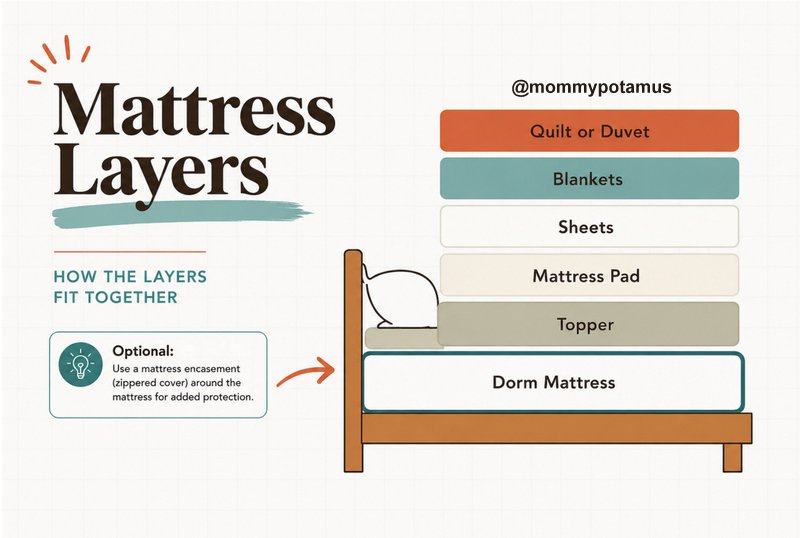
Piense en capas. Los dormitorios pueden ser sorprendentemente cálidos, sorprendentemente fríos o ambas cosas. . . A veces en la misma semana. En lugar de depender de una manta pesada, prefiero construir una cama en capas que se puedan agregar, quitar y reorganizar fácilmente según sea necesario.
BUENO:omítelo
MEJOR: Utopía
MEJOR: SeguroGuard
La mayoría de las universidades exigen que los estudiantes utilicen el colchón que se proporciona en la habitación, por lo que, como no es negociable, no es algo por lo que me quitaría el sueño. (Lo siento, tenía que hacerlo).
Hoy en día, la mayoría de los colchones estándar de los dormitorios están encerrados en una funda duradera de vinilo o nailon a prueba de fluidos que está diseñada para resistir derrames, manchas y crecimiento microbiano. Desde mi punto de vista, realmente no tiene sentido encerrarlos en esas situaciones, porque básicamente ya están "encerrados".
Teniendo esto en cuenta, mi primera recomendación “buena, mejor, mejor” para la protección del colchón es:
Dicho esto, hay algunas situaciones en las que vale la pena considerar una funda de colchón:
El revestimiento del colchón utiliza una funda con cremallera para rodear completamente el colchón proporcionado por el dormitorio. El material suele estar fabricado con una capa exterior cómoda (a menudo poliéster, algodón o bambú) mezclada con una capa barrera (normalmente poliuretano, polietileno, polipropileno o PVC).
Algunas empresas no comparten mucho sobre cómo se fabrican sus carcasas, mientras que otras han pasado por el proceso para obtener la certificación OEKO-TEX, lo que significa que han pasado pruebas de más de 1000 sustancias nocivas.
Los colchones de los dormitorios suelen tener entre 6 y 8 pulgadas de grosor, por lo que querrás una funda más delgada que se ajuste relativamente cómodamente en lugar de amontonarse o deslizarse. Teniendo esto en cuenta, aquí hay algunas opciones a considerar:
Nota rápida: Asegúrese siempre de que el colchón esté seco antes de colocarlo en una funda. Si está utilizando un cubrecolchón o un cubrecolchón, no lo coloque dentro de una funda con cremallera completa. Necesitan flujo de aire para liberar calor y regular la humedad. En cambio, la funda debe rodear únicamente el colchón del dormitorio, con el cubrecama o la almohadilla colocados directamente encima.
BUENO: Espuma certificada CertiPUR-US®
MEJOR | MEJOR: Toppers certificados OEKO-TEX Standard 100, GOTS, GOLS o MADE SAFE
Los colchones de los dormitorios tienen aproximadamente la mitad del grosor de muchos colchones domésticos. . . y algunos dirían que son la mitad de cómodos. Es por eso que un adorno es uno de los elementos de esta guía que yo consideraría de máxima prioridad. Agregar unos centímetros de amortiguación puede marcar una gran diferencia en la comodidad y la calidad del sueño.
La mayoría de los cubrecolchones de dormitorios vienen en versiones de 2″ y 3″.
adornos de 2″ Proporcionan una sensación más firme y son una buena opción para los estudiantes que prefieren un apoyo más estructurado.
adornos de 3″ Ofrecen más amortiguación y una sensación ligeramente más lujosa. Suelen ser la opción más popular para usar con colchones de dormitorios.
Me inclinaría por un colchón de 3 ″ para personas que duermen de lado y estudiantes que disfrutan de una cama más suave. Ninguno de los dos es "mejor", todo se reduce a preferencias personales.
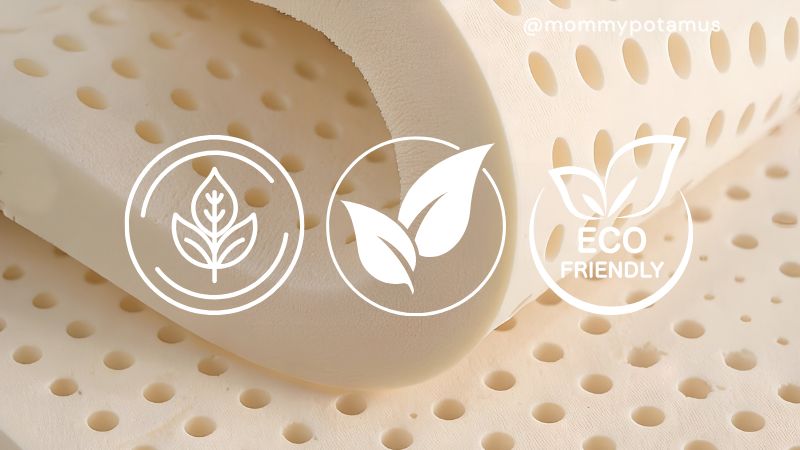
La mayoría de los cubrecolchones que se comercializan específicamente para dormitorios utilizan espuma con memoria CertiPUR-US®. Con "PUR" en el nombre, es comprensible que muchas personas lo asocien con un producto terminado completamente no tóxico. Desafortunadamente, ese no es siempre el caso.
CertiPUR-US fue creado por la industria de la espuma de poliuretano para verificar que la espuma cumpla con ciertos estándares definidos por la industria.
Gran parte de lo que buscan –incluidos los PBDE, TDCPP y TCEP– ya está fuertemente restringido o prohibido en colchones y muebles tapizados. Básicamente, muchos de los productos químicos que analizan no deberían estar en espuma. (Desafortunadamente, algunas “espumas misteriosas” importadas pueden contenerlas de todos modos).
No restringen todas las clases de retardantes de llama y algunos críticos señalan que la certificación no evalúa ciertas sustancias químicas preocupantes, incluidos algunos ftalatos, catalizadores de amina y compuestos retardantes de llama más nuevos.
Además, la certificación solo aplica a la espuma de poliuretano – no, por ejemplo, acabados PFAS, barreras contra llamas o tratamientos utilizados en fundas y tejidos.
Por esa razón, tiendo a ver a CertiPUR-US® como un buen punto de partida y no como la línea de meta. Sin embargo, cuando es posible, busco certificaciones adicionales como:
Ahora que sabes lo que significan todas las certificaciones, vayamos a las recomendaciones.
Colchón Viscosoft Reflex Gel 3" Topper – Si un adorno de látex orgánico no está dentro de su presupuesto, esta es una de las opciones de espuma viscoelástica más transparentes que he encontrado. Está fabricado en los EE. UU. y utiliza espuma certificada CertiPUR-US® que, según la compañía, está fabricada sin retardantes de llama químicos. También confirmaron por correo electrónico que no se utilizan retardantes de fuego en la cubierta, el respaldo, las correas y otros materiales utilizados en su construcción, y que la espuma y la cubierta están hechas sin PFAS agregados intencionalmente. La funda tiene la certificación OEKO-TEX® Standard 100. ViscoSoft proporcionó respuestas más detalladas que muchos fabricantes y respondió rápidamente, lo que considero una señal positiva. También fabrican un adorno Twin XL de 2 pulgadas, pero actualmente está agotado.
Sure2Sleep Gel Swirl Memory Foam Toppers de 2" y 3" – Estos adornos hechos en EE. UU. tienen un diseño refrescante y simple. En lugar de agregar una funda de tela con cremallera, Sure2Sleep es solo una capa de espuma viscoelástica certificada CertiPUR-US®. La mayoría de los estudiantes colocarán un protector de colchón o un cubrecolchón sobre el cubrecolchón de todos modos, por lo que no veo la falta de una funda incorporada como un inconveniente. La empresa me dijo que la espuma está hecha sin retardantes de llama de ningún tipo y me gusta que respondieron mis preguntas rápidamente y brindaron más transparencia que muchos fabricantes.
Gel Sleepyhead y cubrecolchones Super de 2” y 3” – Los adornos Sleepyhead están diseñados específicamente para dormitorios y son especialmente populares entre los estudiantes universitarios. Su opción de menor precio es Gel Topper, que utiliza espuma viscoelástica con gel. También fabrican un Super Topper, que combina gel y espuma viscoelástica con infusión de cobre para mayor frescura. Ambos están disponibles en versiones de 2" y 3", la de 2" ofrece una sensación más firme y la de 3" ofrece una amortiguación más suave.
Sleepyhead utiliza espuma certificada CertiPUR-US® y cubiertas certificadas OEKO-TEX® Standard 100. Cuando me comuniqué, la compañía también me dijo que sus adornos están diseñados sin PFAS agregados intencionalmente, no contienen fibra de vidrio en ningún componente y no contienen retardantes de llama químicos tóxicos. La única advertencia es el precio:Sleepyhead cuesta más que algunas de las opciones de látex orgánico que aparecen a continuación.
Sobrecolchón orgánico Happsy de 2” – Este es el que mi hija tiene en la cama de casa y le encanta. Es un topper de 2″ elaborado con látex orgánico certificado GOLS y una funda de algodón orgánico certificado GOTS, y también cuenta con las certificaciones MADE SAFE y GREENGUARD Gold.
Adorno orgánico de 3" cosido en caja Naturepedic – Este adorno de 3″ utiliza látex orgánico certificado GOLS dentro de una funda de algodón orgánico certificado GOTS y también está certificado MADE SAFE y GREENGUARD Gold. El diseño cosido en caja le da una sensación refinada y de calidad tradicional que lo hace lucir y sentirse más como un colchón terminado que como un cubrecolchón tradicional.
Toppers Sleep On Latex Pure Green de 2” y 3” – Esta es probablemente la opción de látex más personalizable que encontré. Está fabricado con látex orgánico certificado GOLS y viene en espesores de 1 ″, 2 ″ y 3 ″, además de opciones suaves, medianas y firmes. También puedes elegir si añadir o no una funda de algodón orgánico, lo que mantiene el precio base más bajo. Para la mayoría de las camas de los dormitorios, elegiría la versión blanda de 2" o 3" dependiendo de la cantidad de acolchado que desee su estudiante.
Colchón Ecológico Aguacate con Toppers de 2” y 3” – Este también ofrece mucha flexibilidad, con opciones de 2 ″ y 3 ″ tanto en látex Medium Dunlop como en látex Plush Talalay. Aunque Dunlop generalmente se describe como más firme y brinda mayor apoyo, los adornos Dunlop que probé todavía se sentían suaves y lujosos. Pienso en Dunlop como la opción de “lujo”, mientras que Talalay es la opción de “lujo extra”. Tiene una sensación más ligera y flotante que muchas personas encuentran especialmente cómoda al dormir de lado.
BUENO: Funda 95% Algodón
MEJOR: Algodón orgánico + capa impermeable
MEJOR: Algodón orgánico + capa impermeable certificada GOTS
Esto protege el cubrecolchón y ayuda a mantenerlo en su lugar. (La mayoría de los cubrecolchones también tienen correas en las esquinas que se pueden usar para asegurarlos).
Cojín de colchón de algodón Sleep Philosophy – Antes de que las membranas impermeables se volvieran suaves, silenciosas y transpirables, este tipo de almohadilla de algodón acolchada era la opción estándar para muchas familias. No protegerá contra derrames importantes, pero proporciona una capa lavable que absorbe el sudor y ayuda a mantener limpia la capa que se encuentra debajo.
Me gusta especialmente que el relleno es 95% algodón , ya que la mayoría de los protectores de colchones utilizan guata de poliéster. El 5% restante se compone de pequeñas cantidades de fibras de poliéster y olefinas, que ayudan a que la almohadilla mantenga su forma y durabilidad con el tiempo. La capa exterior está hecha de percal de algodón 100% y toda la almohadilla tiene la certificación OEKO-TEX Standard 100. Es silencioso, transpirable y no cambiará notablemente la sensación del protector que se encuentra debajo
Si desea obtener más protección sin las ruidosas fundas de plástico con las que muchos de nosotros crecimos, los protectores de colchón impermeables de hoy han recorrido un largo camino. Muchos utilizan membranas finas y flexibles que son prácticamente silenciosas y preservan gran parte de la suavidad y transpirabilidad de las capas inferiores.
Protector de colchón de algodón orgánico – Esta es bastante sólida en términos de certificaciones y construcción, pero puede que no sea la opción más resistente al agua según las revisiones.
Protector de colchón orgánico impermeable Twin XL Happsy (Ahorre un 15% con el código MP15) He estado usando la versión tamaño king en mi cama durante varios años y es suave, completamente silenciosa, fácil de poner y quitar de la cama y duradera. El algodón es un tejido de punto suave y la capa impermeable también cuenta con la certificación Global Organic Textile Standard.
La mayoría de los cubrecolchones están diseñados para usarse con un cubrecolchón o un protector colocado sobre ellos. Un fabricante, Sleepyhead, recomienda omitir esta capa porque cree que puede atrapar el calor y la humedad e interferir con la sensación del adorno. Otras empresas, incluida Happsy, diseñan protectores específicamente para que funcionen con sus colchones y cubrecolchones.
Personalmente, me gusta tener una capa lavable entre las sábanas y el cubrecolchón, pero si eliges una marca en particular, vale la pena comprobar si tienen alguna recomendación específica.
BUENO:100% Algodón
MEJOR:Algodón convencional OEKO-TEX Standard 100
MEJOR:100% algodón orgánico (certificado GOTS si es posible)
El algodón es mejor para casi todos, en casi todos los climas. Es la opción predeterminada por una buena razón. Es suave, transpirable, duradero y cómodo durante todo el año. Recomiendo comprar dos juegos:uno en la cama y otro en la lavadora.
Verás tres tipos principales de sábanas de algodón:
Percal tiene una sensación fresca y nítida con un acabado mate. Piensa en las clásicas sábanas de hotel.
Satén se siente más suave y sedoso, con un brillo sutil.
Punto de jersey Está confeccionado con el mismo tipo de tejido que se utiliza en las camisetas suaves. Es elástico, relajado y acogedor, por lo que es especialmente popular entre los estudiantes universitarios.
El número de hilos no lo es todo y un número mayor no siempre es mejor. En la mayoría de los casos, creo que entre 200 y 400 hilos es el punto óptimo para obtener sábanas suaves, transpirables y diseñadas para durar.
El algodón convencional puede contener residuos químicos o teñirse con colorantes tóxicos, pero si bien no es tan ideal como el algodón orgánico certificado, suele ser una opción mucho mejor que los sintéticos como el poliéster. Cuando una versión orgánica de un artículo que necesito está fuera de mi presupuesto o no está disponible, lo primero que busco es 100 % algodón.
Afortunadamente, en esta categoría hay algunas opciones muy asequibles, incluso para el algodón orgánico con certificación GOTS.
Juego de Sábanas de Algodón Comfort Spaces – Si desea evitar el poliéster, este es un buen lugar para comenzar. Están confeccionados 100 % en algodón y vienen en varios colores y estampados.
Juego de Sábanas Satén 100 Estándar OEKO-TEX LANE LINEN – Estos juegos vienen en una amplia gama de colores e incluso algunos patrones, lo que facilita la coordinación con diferentes estilos de dormitorios.
Juego de Sábanas de Percal de Algodón Orgánico LANE LINEN – Estos conjuntos están hechos con algodón orgánico certificado GOTS y creo que el precio es difícil de superar. El tejido de percal les da esa sensación de sábana de hotel y deberían seguir volviéndose más suaves con el tiempo.
Juego de Sábanas Quince Jersey de Algodón Orgánico – El tejido de punto es súper acogedor y uno de los favoritos entre los estudiantes, por lo que no sorprende que haya una lista de espera para algunos de los colores Twin XL. Quince describe estas sábanas como hechas de algodón orgánico y las certifica según el estándar OEKO-TEX 100, aunque no pude encontrar información sobre la certificación GOTS. Aún así, considero que estas son "cosas buenas" y un hallazgo poco común en las sábanas Twin XL.
Juego de Sábanas Quince de Percal de Algodón Orgánico – Quince también ofrece sábanas de percal de algodón orgánico en varios colores y estilos. Son suaves, transpirables y altamente valorados.
BUENO:100% Algodón
MEJOR:Algodón convencional OEKO-TEX Standard 100
MEJOR:100% algodón orgánico (certificado GOTS si es posible)
A diferencia de las sábanas Twin XL, que pueden ser difíciles de encontrar, hay muchas opciones de mantas excelentes para todos los estilos y presupuestos.
Mantas de tejido apretado son la opción clásica para todo uso. Son duraderos, fáciles de colocar en capas y funcionan bien durante todo el año. Piensa en la tradicional manta de algodón con la que muchos de nosotros crecimos.
Mantas de tejido gofre tienen un patrón texturizado que crea pequeñas bolsas de aire, lo que los hace livianos, transpirables e ideales para usar en capas. Son una de mis opciones favoritas para dormitorios porque añaden calidez sin mucho volumen.
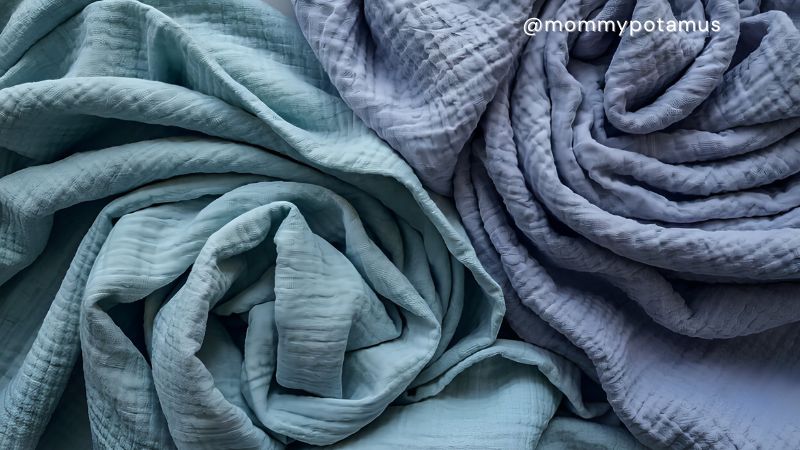
Mantas de muselina están hechos de capas de tela de algodón gasa que se vuelven más suaves con cada lavado. Son especialmente populares entre cualquiera que prefiera un ambiente relajado y acogedor.
Mantas de punto grueso añaden textura y calidez a una habitación y son perfectos para noches de cine, siestas por la tarde o para leer un buen libro.
Manta tipo gofre de algodón orgánico Salt Earth – Esta manta ligera pero cálida tiene un tejido tipo gofre clásico y viene en varios colores preciosos. Las reseñas mencionan constantemente la suavidad y la durabilidad, y me gusta que cuente con las certificaciones GOTS y OEKO-TEX.
Manta de tejido tipo gofre de algodón orgánico Mart – Esta manta es muy similar a la anterior, pero aproximadamente 12 pulgadas más larga y 8 pulgadas más ancha. También cuenta con la certificación GOTS sin el precio de marca de lujo.
Manta de Muselina de Algodón Orgánico Kyra Home – Si nunca antes has probado una manta de muselina, es posible que también quieras una para tu propia cama. Confeccionado con algodón orgánico con certificación GOTS y tintes con certificación OEKO-TEX, este está confeccionado con múltiples capas de tela gasa que se vuelve más suave con el tiempo. El tamaño de la manta grande equivale aproximadamente a muchas mantas individuales, lo que la convierte en una buena opción para dormitorios.
Manta Bedsure Muselina 100% Algodón – Esta manta de muselina de seis capas tiene una sensación relajada y vivida que a mucha gente le encanta. Tiene la certificación OEKO-TEX Standard 100, viene en una impresionante gama de colores y es una de las formas más económicas de probar la muselina.
Manta de algodón con diseño de espiga Lane Linen – Esta manta en forma de espiga de peso medio tiene la certificación OEKO-TEX Standard 100, viene en una amplia gama de colores y tiene un aspecto tradicional que combina con casi cualquier estilo. También aprecio que sea una de las opciones más asequibles en esta categoría.
Manta tejida Bedsure 100% algodón – Si prefiere una manta más tradicional, esta opción con certificación OEKO-TEX Standard 100 ofrece un tejido apretado y muchas opciones de colores. Es suave, duradero y asequible, lo que lo hace perfecto para el uso diario.
La mayoría de los juegos de cama de los dormitorios están hechos de poliéster, pero encontré muchos edredones y fundas nórdicas de algodón a precios razonables.
Las opciones siguientes son fáciles de colocar en capas, fáciles de lavar y, a menudo, siguen siendo útiles mucho después del día de la mudanza. Una colcha que comienza en la cama de un dormitorio puede terminar más tarde en el sofá de un apartamento, en la cama de invitados, en una silla de lectura o en una manta de picnic. Una funda nórdica se puede combinar con diferentes insertos según cambien las necesidades y las situaciones de vida.
En otras palabras, no se trata sólo de compras de dormitorios. Son piezas que pueden crecer con su estudiante con el tiempo.
Edredón de muselina reversible BOHO – Técnicamente no es una colcha, pero a menudo se usa como tal. Confeccionado con varias capas de muselina de algodón, tiene esa textura suave y relajada que a mucha gente le encanta. Tiene la certificación OEKO-TEX Standard 100 y viene en una amplia variedad de colores y patrones, lo que lo convierte en una manera fácil de agregar personalidad a un dormitorio.
Juego de edredón de algodón Palassio – Este juego de edredón liviano incluye fundas de almohada a juego y viene en varios colores. La cubierta y el relleno de algodón crean una sensación de edredón más tradicional que la muselina y tiene muchas críticas positivas.
Juego de edredón de algodón Horimote Home – Esta colcha y funda tiene un diseño de punto de caja que funciona bien para hombres y mujeres. Está confeccionado 100% algodón y cuenta con la certificación OEKO-TEX Standard 100. Las reseñas mencionan con frecuencia la suavidad y la buena lavabilidad.
Juego de funda nórdica de algodón orgánico Bare Home – Una funda nórdica funciona de manera muy similar a una funda de almohada gigante para un edredón o un relleno de edredón. Les brinda a los estudiantes la flexibilidad de lavar o reemplazar la funda por separado, cambiar a un inserto más liviano o más pesado a medida que cambian las estaciones, o actualizar el aspecto de la cama sin comprar un edredón completamente nuevo. Este tiene certificación GOTS y OEKO-TEX Standard 100, viene en Twin XL y es una de las opciones orgánicas más potentes que encontré.
Juego de funda nórdica de algodón Bedsure – Esta es una alternativa más asequible que cuenta con la certificación OEKO-TEX Standard 100 y está disponible en muchos colores. Al igual que la opción Bare Home, incluye la funda nórdica y la funda de almohada, para que puedas combinarla con el relleno que mejor se adapte a tu presupuesto y clima.
Relleno Nórdico Whisper Organics – Una cosa que me encanta de esta opción es que se puede lavar a máquina, lo cual es poco común en el mundo de los rellenos nórdicos de fibras naturales. Está confeccionado con algodón orgánico con certificación GOTS por dentro y por fuera, incluye presillas en las esquinas para ayudar a mantenerlo en su lugar de forma segura dentro de una funda nórdica y utiliza costuras en caja para mantener el relleno distribuido uniformemente.
Realmente creo que las opciones lavables son mejores para uso en dormitorios, pero si estás comprando un dormitorio en casa en lugar de un dormitorio, vale la pena echarle un vistazo. . No es lavable, pero está relleno de lana australiana envuelta en una funda de algodón y está disponible en versiones liviana, mediana y pesada e incluye presillas para ayudar a asegurarlo dentro de una funda nórdica.
BUENO: Una almohada que sea cómoda para el estudiante.
MEJOR | MEJOR: Una almohada hecha con materiales naturales y además cómoda 🙂
A diferencia de los colchones, las almohadas son increíblemente personales. La “mejor” almohada es aquella que mantiene la cabeza y el cuello cómodamente alineados en su posición favorita para dormir. A algunas personas les encanta una almohada alta y blanda. Otros prefieren algo más bajo y con más apoyo.
Muchas almohadas que se anuncian como “100% algodón” son en realidad sólo fundas de algodón envueltas alrededor de un relleno de poliéster convencional. Si también esperas mejorar los materiales del interior de la almohada, aquí tienes algunas opciones:
Almohada contorneada HCore – Si una almohada de látex natural no está dentro de su presupuesto, esta es una de las mejores opciones ergonómicas de espuma viscoelástica que encontré. Utiliza espuma viscoelástica certificada CertiPUR-US® y tiene una funda con certificación OEKO-TEX® Standard 100. La funda está hecha de poliéster en lugar de algodón y la empresa no ofrece tanta transparencia del material como algunas de mis otras recomendaciones. Aun así, creo que es una opción razonable.
Almohada para dormir de lado Naturepedic – Esta es una de las almohadas más cómodas que he usado. La forma curva le da a su hombro un lugar donde ir cuando duerme de lado, y el relleno de látex triturado ajustable le permite personalizar el loft hasta que se sienta perfecto. Está elaborado con algodón orgánico certificado GOTS y látex orgánico certificado GOLS, y también cuenta con las certificaciones MADE SAFE y GREENGUARD Gold.
Almohada de látex circadiana – Circadian me envió recientemente varias de sus almohadas para probarlas y esta rápidamente se convirtió en la favorita de mi hija. Tiene una sensación maravillosa y blanda que aún brinda mucho apoyo, lo que la convierte en una buena opción para las personas que cambian de posición durante la noche. Ella ya reclamó este para su dormitorio.
Dormir sobre una almohada triturada de látex – Si buscas una de las mejores ofertas en almohadas de látex orgánico, esta es con la que empezaría. Utiliza látex natural triturado dentro de una funda de algodón orgánico y, al igual que sus cubrecolchones, Sleep On Latex se centra en materiales simples y de alta calidad sin extras innecesarios. El látex triturado le da una sensación de almohada más tradicional y al mismo tiempo proporciona la resistencia por la que es conocido el látex.
Almohada de Látex Contorno de Textiles Orgánicos – Para los estudiantes que duermen mejor con una almohada ergonómica, esta combina un núcleo de látex moldeado con certificación GOLS con una funda de algodón orgánico con certificación GOTS. Está fabricado en EE. UU. y viene en varias opciones de grosor y firmeza, lo que facilita encontrar un buen ajuste.
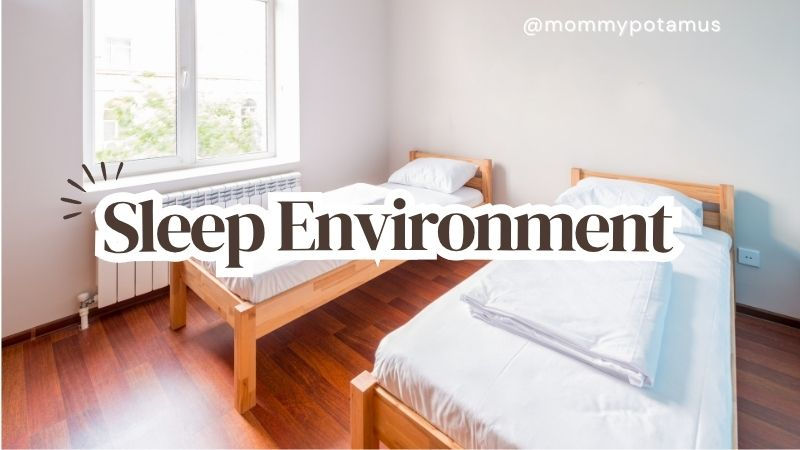
Noisy hallways, bright lights, and roommates with different schedules are all part of dorm life. While you can’t control everything, a few simple additions can make it easier to wind down at night and wake up ready to tackle the day.
Pink Noise Machine – Pink noise helps mask hallway conversations, slamming doors, and other unpredictable sounds while providing a softer, more natural alternative to traditional white noise. It can be helpful for sleep and study sessions.
Blue-light blocking glasses – Even if the dorm lighting is fairly warm, phones, tablets, laptops, and televisions can still expose students to a lot of blue light after sunset. A good pair of blue-light blocking glasses can help reduce that exposure during evening study sessions. One challenge with blue-light blocking glasses is that they don’t all block the same amount of light. Some only filter a small percentage, while others block nearly all blue light, and it’s not always obvious from the product description. Here are my top picks for best performance at budget prices:
MOST AFFORDABLE: OEKO-TEX certified blackout curtains made with synthetic materials
BEST BALANCE :Organic linen or organic cotton with an OEKO-TEX blackout liner
MOST NATURAL: Heavy organic cotton or hemp curtains (possibly layered) that avoid synthetic blackout coatings altogether
GOOD: OEKO-TEX certified blackout curtains
BETTER: Portable blackout curtains that avoid permanent installation
BEST: Organic linen/cotton blackout curtains, if budget allows.
Many dorm rooms come with metal blinds, but they often leave gaps that let light in around the edges. Adding room-darkening curtains can help block ear ly morning sunlight, parking lot lights, and other nighttime light that can make it harder to sleep.
Conventional blackout curtains usually achieve their light-blocking effect with PVC, vinyl, or acrylic foam backings, which can contribute to VOC emissions, especially when they’re new or heated by direct sunlight. Some are also treated with wrinkle-resistant finishes or stain- and water-resistant coatings, including PFAS.
Before you buy, check your student’s window measurements, find out whether curtains (and curtain rods) are allowed, and decide how the curtains will be mounted. The best option depends on the window frame and your school’s housing rules.
That depends on your dorm’s rules and window design.
Most dorm-friendly hanging methods work best with lightweight or medium-weight curtains. Heavier curtains may require sturdier hardware or permanent brackets that aren’t allowed in some residence halls.
Synthetic fabrics tend to shed microplastics, so I avoid them when possible. However, even most “natural” blackout curtains with cotton or linen front layers use polyester or another synthetic material to create the light blocking backside. There are some that block light using thick layers of natural fabric, but they tend to cost more than makes sense for a dorm room. Also, the thick fabric may be too heavy for most tension rods.
For this category, I’d focus on avoiding stronger off-gassing materials instead of trying to eliminate every synthetic fiber.
NICETOWN Linen Look Blackout Curtains – These affordable curtains are made with OEKO-TEX Standard 100 certified polyester and are available in dozens of sizes and colors. They’re also machine washable.
Sleepout Portable Blackout Curtains – The portable curtains from Sleepout are one of the most innovative options I found for dorm rooms. Instead of requiring a curtain rod, they attach to the window with patented locking suction cups and can be installed or removed in seconds without damaging the room. The fabric is synthetic, but it’s GREENGUARD Gold and OEKO-TEX Standard 100 certified, and the company says it has been third-party tested to be free of intentionally added PFAS, formaldehyde, phthalates, and azo dyes. If your student can’t install traditional curtains, Sleepout is worth a look. They’re also machine washable.
MagicLinen Curtains –These beautiful European linen curtains are OEKO-TEX certified and available in neutral colors and use a pocket-style top instead of grommet rings. The front-facing layer is linen and the back layer is polyester.

Although totally optional, headboards can help a dorm room feel more “pulled together.”
One of my favorite options is rattan that’s finished with raw tung oil, beeswax, or a low-VOC water-based finished. Tufted headboards can add coziness while providing a bit of extra cushion to lean against, but finding an option that fits within a dorm budget may require some creativity. (More on that below.)
IKEA TOLKNING Rattan Headboard – This is one of the more interesting budget-friendly headboards I found. It’s made primarily from natural rattan over a steel frame, which avoids many of the engineered wood materials commonly used in inexpensive headboards. It does have a clear acrylic lacquer finish, so it’s not completely free of synthetic materials.
Although this headboard doesn’t carry third-party certifications like GREENGUARD Gold or OEKO-TEX, IKEA publishes one of the more comprehensive chemical policies I’ve found among large furniture retailers. The company states that it avoids adding heavy metals, CMR substances (chemicals linked to cancer, genetic mutations, or reproductive toxicity), most PVC, chemical flame retardants (unless required by law), and formaldehyde-based production methods while maintaining strict limits on formaldehyde emissions.
I evaluate IKEA products on a case-by-case basis, and not everything is an automatic “add to cart” for me. With that said, I consider their level of transparency to be better than many furniture manufacturers in this price range.
I searched for healthier alternatives to upholstered dorm headboards – including pillow headboards – and found very few options that fit both my material standards and a typical dorm budget. Most use conventional polyurethane foam, polyester fabrics, and engineered wood with very little information about the materials inside.
Pottery Barn Dorm Headboards are lightweight, don’t require a bed frame or permanent installation, and are comfortable and beautiful. Some are also GREENGUARD Gold certified, but that only focuses on chemical emissions (Volatile Organic Compounds, or VOCs), not what’s in the materials.
The two main things that give me pause are that they come with built in charging ports – which is not something I would choose from an EMF/ELF standpoint – and there’s not much information on materials beyond what is listed above.
The company has stated that their performance fabrics may contain PFAS, but I couldn’t confirm if these models do. I’ve reached out to the company for clarification and will update this section if I learn more.
These aren’t headboards in the traditional sense. Instead, they’re oversized back cushions that lean against the wall or head of the bed, creating a more finished look while providing comfortable support for reading, studying, or relaxing.
Unfortunately, this category has many of the same challenges as upholstered headboards. Most use conventional polyurethane foam or polyester fiberfill and provide very little information about the materials inside. There are custom makers using natural materials, but they’re generally much more expensive than most dorm budgets allow. Fortunately, I did find a few that are worth mentioning.
EcoStyle Organic Wedge Pillow – Handmade with natural materials, it provides comfortable back support for reading or studying while avoiding the polyurethane foam found in most wedge pillows. It’s available in custom sizes and fabric options, making it easy to tailor to your space.
EcoStyle Organic Bed Cushion – This long rectangular cushion creates more of a “headboard” look while providing support across a wider area of the bed. It’s available in several custom sizes.
If you’re up for it, I think you could pretty easily make a non-toxic upholstered dorm headboard using these instructions and a few material swaps:


A comfortable, well-designed study space can make it easier to focus during the day without making it harder to fall asleep at night. Here are a few things I’d prioritize.
Light doesn’t just help us see – it also helps regulate our internal body clock. Bright, daylight-like light during the day supports alertness, focus, and productivity, while warmer light in the evening signals that it’s time to start winding down.
Instead of buying separate lamps for daytime and nighttime use, I recommend choosing circadian-friendly, flicker-free bulbs that adapt throughout the day. During the day, they provide bright light that’s well suited for studying and other focused tasks. In the evening, they switch to a much warmer, amber glow that minimizes blue- and green-light exposure, helping create a more sleep-friendly environment.
Instead of relying on harsh overhead lighting, I prefer using layers of light. A combination of task lighting and softer ambient lighting is often more comfortable during long study sessions and helps create a calmer, cozier room after sunset.
Instead of buying one lamp that tries to do everything, I’d choose two:
If space allows, a table lamp or floor lamp that uses a BioLight “day-to-night” color changing bulb or a warm amber bulb can create a cozier room after sunset.
Note: All the bulbs I linked to above are E26, which is the standard medium base used in traditional household lamps and ceiling fixtures.
Here are some of the simplest ways to create a workspace that feels less cluttered and more functional.
Solid Wood Desk Organizer -An unfinished organizer with compartments for notebooks, pens, and other everyday supplies. I like that it avoids composite wood and painted finishes.
Safco Alloy Steel Desk Organizer – A simple steel organizer that keeps folders, notebooks, and supplies within easy reach while avoiding MDF and particleboard.
These are the kinds of extras that really depend on how a student likes to study. Some people are perfectly happy without them, while others appreciate a few comfort upgrades during long study sessions.
If a laptop is frequently used on a bed, couch, or lap, an EMF-blocking laptop mat is worth considering. In addition to creating a shielding layer between the laptop and the body, it also doubles as a portable lap desk by providing a more stable, comfortable surface to work on.
Most dorm chairs are perfectly usable as they are, but if extra cushioning is needed, cotton and natural latex are my favorite options. They’re durable, breathable, and avoid the polyurethane foam found in many seat cushions.
Cotton Duck Extra Thick Chair Pad – Made with a durable cotton fabric, this cushion comes in several colors and ties securely to most desk chairs.
Natural Latex Chair Pad – Made with GOLS-certified organic latex and a GOTS-certified organic cotton cover. It’s one of the few seat cushions I found that offers both ergonomic support and excellent material transparency.
Every college has its own housing rules, and electronics are one area where they can be very specific. Before buying anything that plugs into the wall, take a few minutes to review your school’s approved and prohibited items list.
Some schools require all electrical products to be UL Listed. Others accept ETL Listed products as well, since ETL is another nationally recognized safety testing lab that evaluates products to the same North American safety standards. If your school specifically mentions UL, it’s worth checking whether ETL-listed products are also allowed.
A good surge protector is one of the most useful dorm purchases. Most guides recommend having at least two – one for the desk area and another for the other side of the room. A longer cord (around 10 feet) provides much more flexibility when outlets aren’t located where they’re needed.
Some schools specify the maximum cord length, require a minimum surge protection rating (joules), require an on/off switch, or prohibit certain styles of power strips altogether. After you know what you’re looking for, here are some options to consider:
Anker 341 Power Strip Surge Protector (8 Outlets) – This one makes good use of limited dorm space. The outlets are arranged on three sides, which helps keep bulky adapters from crowding each other, and the 45° flat plug makes it easier to place a desk or bed closer to the wall. It includes eight AC outlets, two USB-A ports, and one USB-C port.
Belkin 12-Outlet Surge Protector – A heavy-duty UL Listed option with 12 outlets, USB charging, a flat plug, 3,480 joules of surge protection, and an on/off switch.
GE Surge Protector – A no-frills UL Listed surge protector with a 10-foot cord, flat plug, safety outlet covers, and an on/off switch.
Addtam Surge Protector (6 outlets) – ETL Listed with a flat plug, braided cord, USB-A and USB-C ports, multiple cord lengths, and an on/off switch.
Extension Cord (if allowed) – Some dorms don’t allow extension cords at all, while others allow only UL Listed or ETL Listed versions.
Extra Phone Charger – Having a second charger for a backpack, bedside table, or study area makes life much easier than constantly moving one charger back and forth.
Ethernet Cable – If your student’s dorm room includes an ethernet port, a wired connection is often faster and more reliable than Wi-Fi, especially during busy evening hours. It also allows internet traffic to travel over the cable instead of the laptop’s Wi-Fi connection, which may reduce the laptop’s wireless transmissions during use. If minimizing wireless exposure is a priority, turning off the computer’s Wi-Fi after connecting to the ethernet provides the greatest reduction. (We use ethernet exclusively at home.)
Many schools can activate inactive network ports with a quick service request. If the laptop doesn’t have an ethernet port, inexpensive USB-C or USB-A Ethernet adapters are pretty easy to find.

Every dorm room is a little different, so I prefer storage solutions that are easy to rearrange, repurpose, and take to the next place. The options below strike a good balance between practicality, affordability, and healthier materials where they make the biggest difference.
For lofted beds, most students choose plastic storage containers, drawer units, or cube shelves with storage bins. Plastic isn’t my favorite material, but I think it makes sense here. Unlike blankets, baskets, and other relatively inexpensive dorm items, quality solid wood storage is a significant investment – and what fits one dorm room may not fit the next.
With that said, I did find one solid wood cube organizer that’s worth considering, plus storage bin options made from natural materials. I’ve also included suggestions for better plastic storage options.
Natural Wood Cube Storage Organizer – Made from FSC-certified solid pine that’s sanded smooth and intended to be used without stain or varnish. It includes three 11-inch storage bins, but there isn’t any information available about what they’re made of. My guess is polypropylene or polyester based on their appearance.
Cotton Rope Storage Bins (11 inch) – My favorite option for cube storage. They have a similar look to wicker but are washable, which makes it much easier to keep a dorm room clean over the course of the school year.
Cotton Rope Storage Bins (Alternate Design) – Another washable cotton rope option with a different woven pattern and handles.
Water Hyacinth Storage Baskets (Set of 6) – If your student loves the woven basket look, these are a beautiful natural-material option. They’re lightweight and fold flat when not in use.
Wicker Storage Baskets (Set of 4) – A similar option that’s a good fit for four-cube organizers.
If plastic drawers make the most sense, I’d lean toward Sterilite over many of the no-name brands. Their products are made in the USA and the company states they’re BPA-free and phthalate-free.
Sterilite also makes stackable, clear storage boxes in a wide range of sizes.
Storage needs tend to change throughout the school year, so I like pieces that can adapt right along with them. Here are my top picks:
Rolling carts are one of the most versatile storage solutions for a dorm room. They work equally well as a bedside table, pantry, coffee station, bathroom organizer, or extra workspace.
Most steel rolling carts are finished with a baked-on powder coating, which generally has very low emissions once cured. However, material transparency varies widely between brands.
The carts below stand out because they’re both GREENGUARD Gold certified , meaning the finished product has been independently tested for low chemical emissions, and CPSIA compliant , which includes limits on lead and certain phthalates.
Two Tier Rolling Cart – A compact option that’s ideal for smaller spaces or use as a bedside table.
Three Tier Rolling Cart – Offers more storage without taking up additional floor space.
I recommend washable baskets whenever possible. Dorm rooms collect dust, crumbs, and laundry quickly, and being able to toss a basket into the washing machine makes it much easier to keep the room feeling fresh.
Stainless steel baskets are incredibly durable, and their open-wire design makes it easy to see what’s inside without digging through a bin. They’re a great option for storing snacks, toiletries, cleaning supplies, or other everyday essentials.
Stainless Steel Wire Baskets – Most of the reviews are in Japanese but they seem enthusiastically positive . 🙂
Closet Rod Doubler – Instantly adds a second hanging rod, making much better use of the vertical space in most dorm closets.
Space Saving Hangers – Made from 304 stainless steel instead of plastic, these cascading hangers help maximize hanging space and are durable enough to be used long after dorm life.
Over-the-Door Full-Length Mirror – If the dorm doesn’t provide one, this can free up valuable floor space. Just be sure to choose a model that’s compatible with your dorm’s door style and thickness.

Dorm beds can be set up several different ways, from standard height to fully lofted. The recommendations below are organized by bed configuration so it’s easier to find pieces that fit your student’s room.
Many dorm beds can be raised well above a standard bed frame. Once you add a dorm mattress and mattress topper, the sleep surface often ends up around 40 inches off the floor. If your student’s bed is set that high, a taller nightstand makes everyday items much easier to reach.
For beds at a more standard height, here are a few options:
IKEA ALEX Drawer Unit – Not my favorite materials overall, but IKEA has been more proactive than many furniture manufacturers about reducing formaldehyde, PVC, brominated flame retardants, phthalates, and other chemicals of concern. I generally have more confidence in their material standards than many similarly priced alternatives.
IKEA TARVA Nightstand – One of my favorite IKEA bedroom pieces. It’s made primarily from untreated solid pine and uses fiberboard only for the drawer bottom and back panel. The clear acrylic finish protects the wood while preserving its natural appearance, and IKEA’s chemical standards are generally more rigorous than many furniture manufacturers in this price range.
IKEA PERJOHAN Storage Stool – Made from untreated solid pine, this versatile piece works equally well as a nightstand, extra seat, or small storage bench. The open compartment underneath is perfect for books or an extra blanket.
Three Tier Rolling Cart – At about 31 inches tall, it’s a practical option for taller beds while adding flexible storage.
Natural Wood Cube Storage Organizer – If more height is needed, the solid wood cube organizer mentioned earlier can be turned vertically to create a 36-inch-tall bedside storage unit.
For fully lofted beds, traditional nightstands aren’t practical. A bedside shelf keeps essentials like a phone, glasses and water bottle within easy reach without taking up floor space.
Most colleges provide a safety rail for lofted beds and top bunks. If yours doesn’t, I strongly recommend adding one. A properly installed bed rail greatly reduces the risk of falls during sleep. The Able Life Bed Rail meets ASTM safety standards and is worth considering if one isn’t already provided.
BedShelfie – Depending on the model, this bedside shelf either clamps to the bed frame or slides between the mattress and bed base.
Adjustable Height Bed Shelf – Unlike most bedside shelves, this one can be raised or lowered to match the student’s preference. A long support arm slides beneath the mattress to provide stability without attaching to the bed frame.
Additional seating is completely optional, and whether it makes sense depends on the size and layout of the room. If there’s enough space, a comfortable chair or futon can create a nice spot to read, study, or hang out with friends.
Butterfly chairs are one of my favorite space-saving seating options because they fold flat when not in use, and the removable cover can be washed if needed.
I wasn’t able to find a budget-friendly chair with a 100% cotton cover, but I did find one with a cotton-blend canvas cover over a bamboo frame. I also contacted the manufacturer, who stated that the fabric is not treated with water-, stain-, or other performance finishes.
Folding Butterfly Chair (Natural) – This set of two comes with washable cotton/polyester canvas covers.
Many students place a futon beneath a fully lofted bed to create a comfortable spot to study, relax, and spend time with friends. If you’re buying one before move-in, check your school’s loft bed dimensions to make sure it will fit.
KD Frames Unfinished Solid Wood Futon Frame – Made from unfinished solid wood, making it one of the few budget-friendly futon frames that avoids composite wood and factory-applied finishes.
Natural Futon Mattress – The Futon Shop offers several mattresses made with natural materials. One quick note:Many universities don’t require conventional flame retardants, but check with your school.

Many dorms allow students to prepare simple meals and drinks in their rooms, though the rules vary by school. It’s worth checking your housing guidelines before buying any appliances.
40oz Insulated Stainless Steel Clearly Filtered Water Bottle – These bottles are perfect for carrying around campus. They can “transform ordinary tap water into clean and safe drinking water by simply sipping through the straw. Wherever the day takes you, you’ll have peace of mind knowing your tap water is free from up to 99.9% of 220+ contaminants.”
Clearly Filtered Water Pitcher – This is my top countertop filter recommendation in terms of performance and price. Unlike most pitcher filters which barely do more than improve water taste by removing chlorine, it’s certified to remove 365+ contaminants – more than any other model I researched – all while keeping beneficial minerals intact.
Many dorm guides recommend single-serve pod coffee makers, but research has found that plastic coffee pods can shed microplastics during brewing. If your student’s dorm allows it, I think an electric kettle paired with a French press is one of the simplest ways to reduce plastic contact while making excellent coffee.
COSORI Electric Kettle – My favorite option. It’s made with 304 stainless steel and has a completely plastic-free interior and spout. It also includes automatic shutoff and boil-dry protection.
Amazon Basics Electric Kettle – Available in both glass and stainless steel versions. The glass version uses a plastic spout, and the clear fill window is made of polypropylene plastic. Both have automatic shutoff and boil-dry protection.
Stainless Steel French Press – Double-wall insulated stainless steel keeps coffee hot longer than glass while eliminating the risk of breakage.
Stainless French Press (Alternate Option ) – This is the one I own. It’s well made, durable, and has held up very well over time.
Coffee Grinder (if using whole bean coffee) – Features a removable stainless steel grinding cup, making it easier to transfer beans and clean between uses.
Stainless Steel Coffee Tumbler – Perfect for taking to class.
Instant Pot Duo Plus 6 Quart (if allowed) – If I could only choose one dorm cooking appliance, this would probably be it. It’s great for beginners that don’t need a lot of fancy extra settings, and can be used to make everything from soups and chili to rice, shredded chicken, oatmeal, yogurt, and hard-boiled eggs. Some are “smart,” aka Wi-Fi enabled, but this one is not, which I prefer. Instant Pot also offers a free recipe app with hundreds of ideas.
Beast Blender – One of the quietest personal blenders I found. The model I recommend uses a stainless steel blending container instead of plastic, and protein smoothies can be blended directly in the travel container before heading to class.
Stainless Steel Hot Pot (if allowed) – A simple option for heating soup, chili, leftovers, oatmeal, ramen, pasta, or hot drinks when larger appliances aren’t allowed.
Stainless Steel Rice Cooker (if allowed) – Much more versatile than the name suggests. Besides rice, it can be used to make oatmeal, steamed vegetables, soups, simple one-pot meals, and reheat leftovers.
Mini-Fridge – I’d choose the largest model your school allows. If possible, look for a two-door design with a separate freezer compartment rather than a small freezer built into the refrigerator section. They generally provide more usable space and do a better job maintaining freezer temperatures because the freezer has its own insulated compartment.
If your student plans to prepare even a few simple meals, having a handful of quality kitchen basics can make dorm life much easier.
Bamboo Cutting Board – A good alternative to plastic cutting boards, this one is made with FSC Certified bamboo. My favorite thing about it is that there are no glues at all on the cutting surface, and it’s under $20.
Can &Bottle Opener – A sturdy stainless steel opener with comfortable handles. One of those inexpensive tools that’s easy to forget until it’s needed.
Stainless Steel Cooking Utensils – Stainless steel utensils are durable and easy to clean. Here are a few good options:
20 Piece Stainless Steel Flatware Set – When it comes to flatware, 18/10 is ideal, 18/8 is nearly identical, and 18/0 is a reasonable budget option. This set from Kingstone seemed too good to be true in terms of price, but they’re a legitimate brand that has been reviewed (and highly rated) by Food &Wine Magazine. Traditional silver stainless steel flatware tends to be the most timeless and durable option. Gold, black, and other colored finishes are usually created using a hard coating process called PVD, which is widely used and generally considered safe, but I personally prefer uncoated stainless because it keeps things simple and avoids questions about the durability and composition of additional surface treatments.
Corelle 30 Ounce Meal Bowls (Set of 4) – One of my favorite dorm dishes. They’re lead- and cadmium-free, lightweight, and versatile enough to work as both a plate and a bowl.
12 Piece Glass Dish Set – A simple glass dinnerware set for students who prefer glass over plastic or ceramic.
OEKO-TEX Certified Cotton Waffle Weave Kitchen Towels – Made from 100% cotton with a waffle weave that dries quickly and becomes more absorbent with use.
Magnetic Spice Rack – Attaches to the side of a refrigerator to free up valuable counter and shelf space.
Over-the-Refrigerator Shelf – A great way to turn unused vertical space into storage. Because each shelf is adjustable, you can move them, remove them, or space them however you like to fit your refrigerator and other essentials.
Glass Food Storage Containers – Great for storing leftovers, meal prep, or snacks without relying on plastic containers.
Dish Drying Rack – If your student will be washing dishes in a communal kitchen or bathroom, dish soap and a kitchen towel may be all that’s needed. If they’re washing more than a few dishes at a time, a dish drying rack may be helpful. The best choice will vary depending on whether the drying rack can be left to drain into a sink or needs to have a tub underneath to catch water.
If your student will have access to a shared kitchen – or plans to cook more than the occasional meal – these additions are also worth considering:
Whether your student is sharing a community bathroom or has a private one, choosing items that dry quickly and can be washed regularly will help keep the space cleaner and fresher.
Towels that dry more quickly are less likely to develop funky odors and are ready to use again sooner.
Utopia Quick-Dry Cotton Towel Set – Made from 100% cotton and OEKO-TEX Standard 100 certified.
Cotton Craft Quick-Dry Cotton Towel Set – Another OEKO-TEX Standard 100 certified option that includes bath towels, hand towels, and washcloths.
Cotton Craft Quick-Dry Waffle Bath Towels – Lightweight waffle-weave towels that dry quickly and are OEKO-TEX Standard 100 certified.
Mesh Shower Caddy – Quick drying mesh is the better choice here, even when the mesh is polyester. It dries much faster than solid plastic caddies, allowing water to drain away instead of collecting inside. Available in two sizes.
Natural Rubber Flip-Flops – These are highly rated for comfort and could easily work as shower shoes and everyday shoes.
Cotton Waffle-Weave Bathrobe – Very helpful if the bathroom is communal. Look for lightweight, waffle-weave options that dry quickly.
When it comes to shower curtains, natural fabrics usually require more maintenance than most college students are willing to take on. I’d look for a machine-washable OEKO-TEX Standard 100 polyester curtain paired with a polyester liner. If privacy is important, choose a solid color instead of a clear shower curtain.
Amazon Basics Shower Curtain – OEKO-TEX Standard 100 certified and machine washable.
OEKO-TEX Standard 100 Alvia Spring Shower Curtain Liner – OEKO-TEX Standard 100 certified, machine washable polyester liner.
Shower Curtain Hooks – These make removing the shower curtain (and putting it back on) super easy.
100% Cotton OEKO-TEX Standard 100 Bath Mat – I recommend keeping two on hand so one can be washed while the other is in use.
Diatomaceous Earth Bath Mat – If budget allows, these dry almost immediately instead of holding moisture like fabric mats. The one I have is out-of-stock, but this one has a 4.6 star rating with over 1K reviews, this one has a 4.6 star rating with over 1.6K reviews and this one has a 4.4 star rating with 4.4K reviews. There are a lot more with different designs, but these are the most budget-friendly.

Wool Dryer Balls – A reusable alternative to dryer sheets that helps separate clothes in the dryer, improving airflow and shortening drying time. They also help reduce static and soften fabrics naturally.
Handheld 2-In-1 Garment Steamer &Iron – No ironing board needed – just hang the garment on a hanger, steam, and go. Automatic shutoff adds an extra layer of safety.
Folding Drying Rack (if needed) – Helpful for air-drying delicate clothing, wool garments, swimsuits, or anything that shouldn’t go in the dryer. It folds flat when not in use.
Organic Cotton Mesh Laundry Bag (if needed ) – Perfect for protecting delicate items during washing.
The best laundry solution depends on how far students have to carry their clothes.
For shared laundry facilities across campus:
Cotton Canvas Laundry Backpack – It’s comfortable to carry and machine washable, so students can toss it in with a load and carry their clean clothes back in a clean bag.
For laundry rooms just down the hall:
Cotton Rope Storage Basket – An attractive option that’s also machine washable.
Not every student will need all of these. Pick the tools that match the room, flooring, etc.
One of the easiest ways to save space in a dorm room is to skip a big collection of specialty cleaners. Most students don’t need separate products for the bathroom, mirrors, countertops, floors, and everything in between.
Instead, I recommend choosing one versatile cleaner that can handle just about any cleaning task. It keeps things simple, takes up less space, and avoids filling a tiny room with heavily fragranced products.
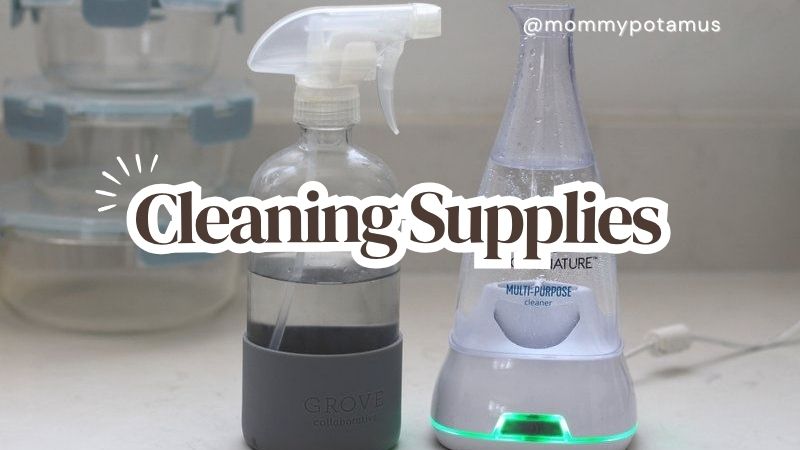
Force of Nature Cleaning Kit – This small appliance that transforms water, salt, and vinegar into a multi-purpose cleaner and disinfectant. It works well on high-touch surfaces, countertops, mirrors, bathrooms, cutting boards, and many hard floors. (As with any appliance, check your school’s policies before bringing it to campus.)
Branch Basics Cleaning Kit – One bottle of concentrate can be diluted for everyday cleaning tasks throughout the room. Just add water and use it for countertops, mirrors, sinks, and more.
Trash Can – Most colleges only allow plastic or metal trash cans, and some provide one. If your student plans to prepare meals in their room, a larger kitchen-size can with a lid may be worth considering.

This is one of the last categories covered in this guide, but it was a top priority when my daughter was deciding which college to attend. Seriously, it carried just as much weight in our decision-making process as the academics.
We’re incredibly grateful that she found a school with an honors program that’s a great fit for her goals and a strong commitment to building maintenance. Even so, the biggest dorm purchase we’ll be making is the same air purifier we use at home:Jaspr .
Technically, it’s an air scrubber rather than a traditional air purifier. It’s larger than many of the models that are typically recommended for dorms, but it has a relatively small “footprint” and is very quiet. Bottom line:I trust it for all the reasons I shared here .
There are a couple of other air purifiers that I think show promise for dorm use, but I’m still evaluating them. I’ll update this section if/when I have additional recommendations. Also, as with any electrical appliance, check your school’s housing policies before bringing it to campus.
Unlike EMF-blocking technologies (which I still use on my phone and in other situations), Blushield is an active system that “produces coherent frequencies within the human responsive range, based on nature-mimicking mathematical algorithms.”
I’ve covered before how our brains can entrain with certain frequencies, and according to Blushield our bodies also do the same thing. When coherent frequencies are available alongside the chaotic ones produced by non-native EMFs, Blushield says our bodies will preferentially tune into the coherent ones. Full review here .
Small Locking Storage Box – A compact option for jewelry, passports, cash, external hard drives, and other small valuables.
Bunk Trunk (Save $30 With Code MOMMYPOTAMUS) – This is a splurge, but I can see why it’s popular. It was created by a parent who wanted a better way for students to make the most of a small dorm room, combining secure storage with a convenient bedside workspace. Made from solid birch, it functions as both a locking storage trunk and a desk when the front panel folds down. After dorm life, the legs can be removed so it continues serving as a locking trunk at home. It’s made by a small family-owned business in California, and my link includes a $30 discount.

PFAS-Free Poncho – One of my favorite inexpensive dorm hacks is keeping a lightweight poncho tucked inside the backpack. Unlike an umbrella, it protects both the student and the backpack.
If the backpack is too large to fit under the poncho, consider getting it a dedicated PFAS-Free Waterproof Backpack Cover .
Hopefully, most of these items will never be needed, but a little preparation now can save a lot of stress later.
Once a student turns 18, parents generally can’t access medical information or make healthcare and financial decisions on their behalf without permission – even if they’re paying the bills or the student is still covered under the family health insurance plan.
Below is one of those things that hopefully never gets used, but if an emergency happens, you’ll be glad it’s already taken care of.
The Mama Bear Legal Forms Young Adult Power of Attorney Package includes the legal documents many families choose to have in place before college, including a HIPAA authorization, healthcare power of attorney, and durable financial power of attorney. If your student is attending school in another state, the package also includes forms for that state. My link includes 20% off .
If you’ve made it this far, you probably realize that creating a dorm room isn’t just about buying things – it’s about figuring out what will actually work for your student’s room.
Every school is a little different. Some allow Instant Pots, some don’t. Some provide mini-fridges, others expect students to bring their own. Bed heights, storage space, bathrooms, kitchen access, and housing rules can vary quite a bit.
When I started researching all of this for my own daughter, I found myself constantly asking, “Wait…did I remember to check that?”
So I put together something that would have made this whole process much easier.
As you shop, use this printable planner to gather everything you’ll need in one place.
Inside you’ll find questions like:
✅ What furniture and appliances does the school already provide?
✅ What bed height and mattress size will your student have?
✅ Which appliances and power strips are allowed?
✅ Is there room for under-bed storage?
✅ Does the room have an ethernet port?
✅ What should you buy now, and what can wait until after move-in?
Instead of making guesses (or buying things twice), you’ll have a simple roadmap that helps you shop with confidence.
Enter your email below and I’ll send it right over. You’ll also receive my weekly newsletter with practical wellness tips, recipes, and new guides like this one.