
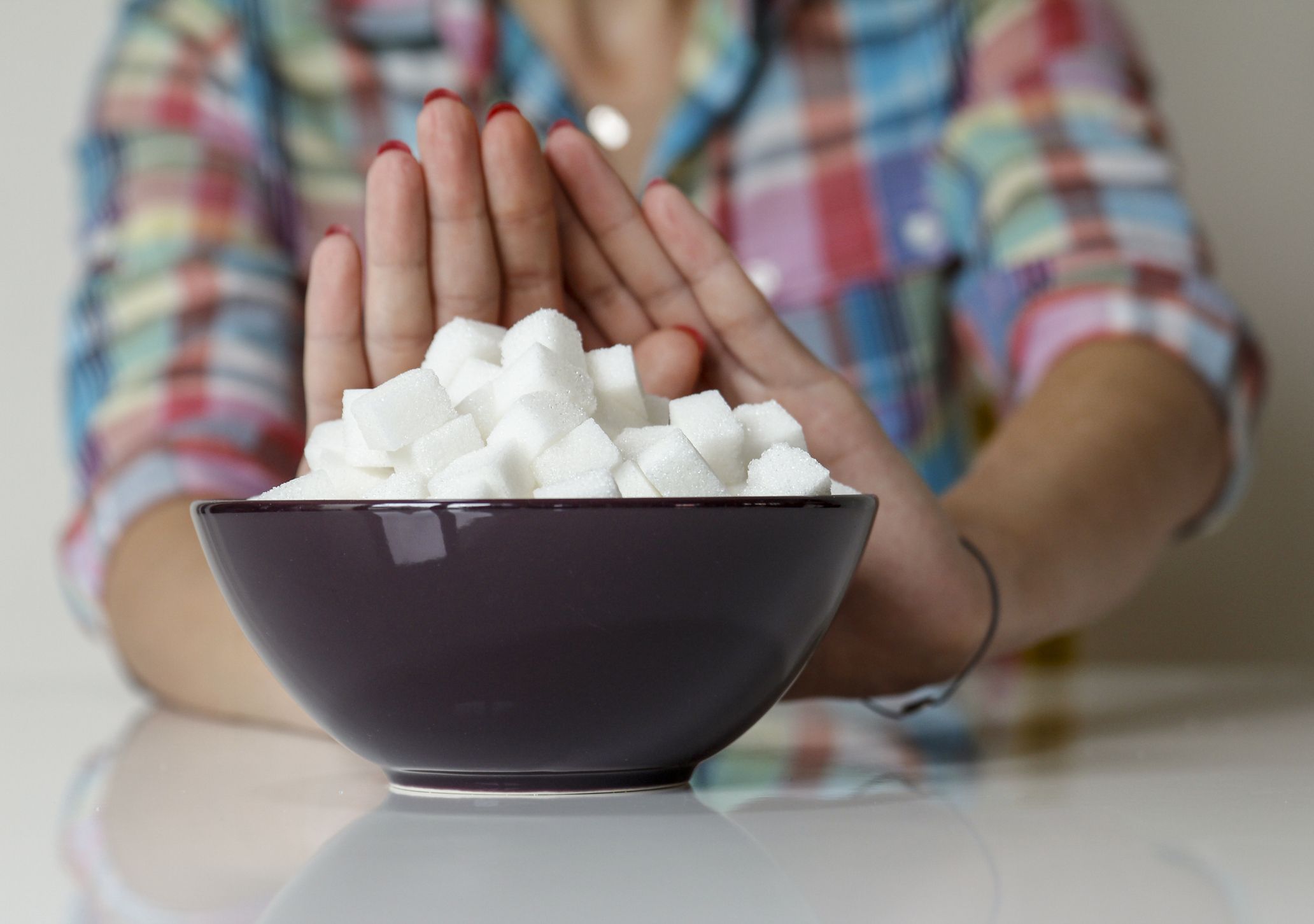
What if we told you just one change a day could help you cut back on sugar in your diet and help lower your sugar cravings? Well, it’s not too good to be true, and this seven-day sugar challenge from the Hearst Home book Sugar Shock by Carol Prager and Samantha Cassetty, M.S., R.D., will teach you how. In just seven days, you’ll learn to tap into what’s behind your sugar cravings, ways to reduce your sugar cravings with creative hacks, and how to cut out sweets that aren’t doing your body any good.

Get rid of easy-to-grab sweets in your pantry or drawer—cookies, energy bars, muffins, candy—and you’re already slashing a bunch of unnecessary calories. A good rule of thumb is to stick to 25 grams (or six teaspoons of sugar) per day if you’re a woman; 36 grams (or nine teaspoons) if you’re a man, per the American Heart Association (AHA). When you notice a sugar craving, stop and take a moment to figure out what’s really going on. Addressing what’s truly driving the urge to eat sugar sets you up for success. Here are the top contenders:
That means you’re likely spacing out meals too much, or you’re not eating enough blood sugar-steadying protein. So, pair a sweet snack with protein—like mixed nuts and no-sugar-added dried fruit. The healthy fats in the nuts slow absorption of the fruit’s natural sugars so you get back into balance and cravings stop. When you do have a meal, add grilled chicken or chickpeas to that pasta salad.
As in, you’re short on sleep. Aim for seven to nine hours of sleep per night, according to the Sleep Foundation. For today, try to caffeinate with coffee or tea instead of a soda, take a brief walk, or take a nap.
Inadequate levels of progesterone or estrogen trigger cravings for sweets by cutting the feel-good brain chemicals serotonin, dopamine, and norepinephrine, which leads to insomnia, headaches, fatigue, or mild depression. Try eating edamame, because soy contains compounds called isoflavones that mimic estrogen in the body. If that doesn’t curb the sugar cravings, go for nature’s sweet treats—unsweetened dark chocolate, an orange, a handful of berries, carrot sticks, or a small baked sweet potato.
Any time you would normally use sugar or artificial sweetener, notice your impulse and then ask yourself if it’s necessary to enjoy the food or drink. Be mindful of your use of so-called “natural” sweeteners like agave or honey—your body handles those the same way as other sugars. Consider swapping in a 1/4 of a mashed banana for your usual sprinkle of brown sugar in oatmeal and take your coffee with a shake of cinnamon instead of flavored syrup. Eliminating added sugar might leave your taste buds yearning for sweetness. Instead, get your sweet fix in with these creative hacks:

You know soda has added sugar, and so does a vanilla-flavored coffee drink. But the sugar in other drinks might not be so obvious, like coconut water (some brands add sugar), bottled iced teas, flavored waters, and even artificially sweetened drinks. Chances are, you have firsthand experience with how hard it is to leave behind the caffeine high, the sweet jolt, and the comforting ritual of popping open a can.
Most people can’t just drop a habit like soda; they need to replace it. To help you stick to your commitment to ditch sugary drinks, make it a point to avoid sugar triggers in the first place. Think about it this way: If your soda jones is a caffeine thing, switch to unsweetened coffee, tea, sparkling water, or dark chocolate. If stepping out for an afternoon latte is all about boredom, make things less dreary. Call a friend for a chat instead.
Start reading ingredient labels like it’s your job. Some flavored fruit yogurts, cereals, and prepared oatmeal pack nearly six teaspoons of added sugar per serving, which is the maximum amount of added sugar the AHA recommends for women in an entire day. Sweeten your favorite foods with whole fruit instead. Be on the lookout: Dressings, pasta sauces, crackers, ketchup, and soups are also common sources of hidden sugar. Here are some other tips to note while reviewing the panel:
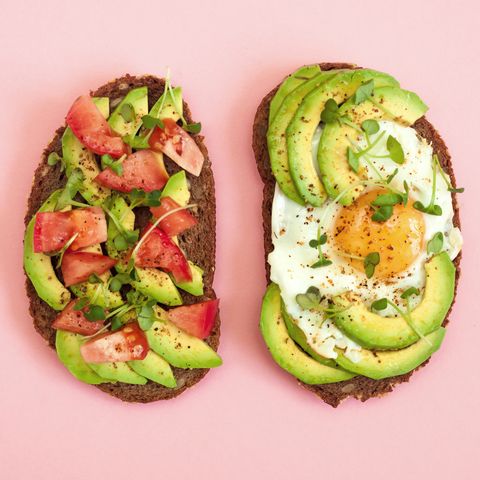
Consider refined grains (i.e., white flour, white rice, and white bread) basically just sugar in the form of simple carbohydrates. In fact, you might not think you have a sweet tooth, but if you’re eating bagels and pasta on a regular basis, you’re probably fooling yourself, according to Brooke Albert, M.S., R.D., C.D.N., founder of B Nutritious. Foods like pizza can have a lot of hidden added sugars from the sauce and crust, she says
The fix: Eat carbs, but make them whole-grain. Brown rice, sprouted-grain bread, and quinoa are all your friends. Try eating up to three servings a day of 100% whole grains. People who do so are 76 times more likely to get the most fiber—which has been linked with weight loss.
Red wine may have phytochemicals, but the truth is that when we drink alcohol, it turns to sugar in our bodies. If you decide to have a drink, stick to a 12-ounce light beer, a small glass of wine, or one shot of distilled spirits (vodka, gin, rum, Scotch, bourbon) sans mixers. Most mixers—even tonic waters—have added sugar or are fruit juice–based, so avoid those. Instead, opt for a fun mocktail like sparkling water and a splash of fruit juice and herbs.
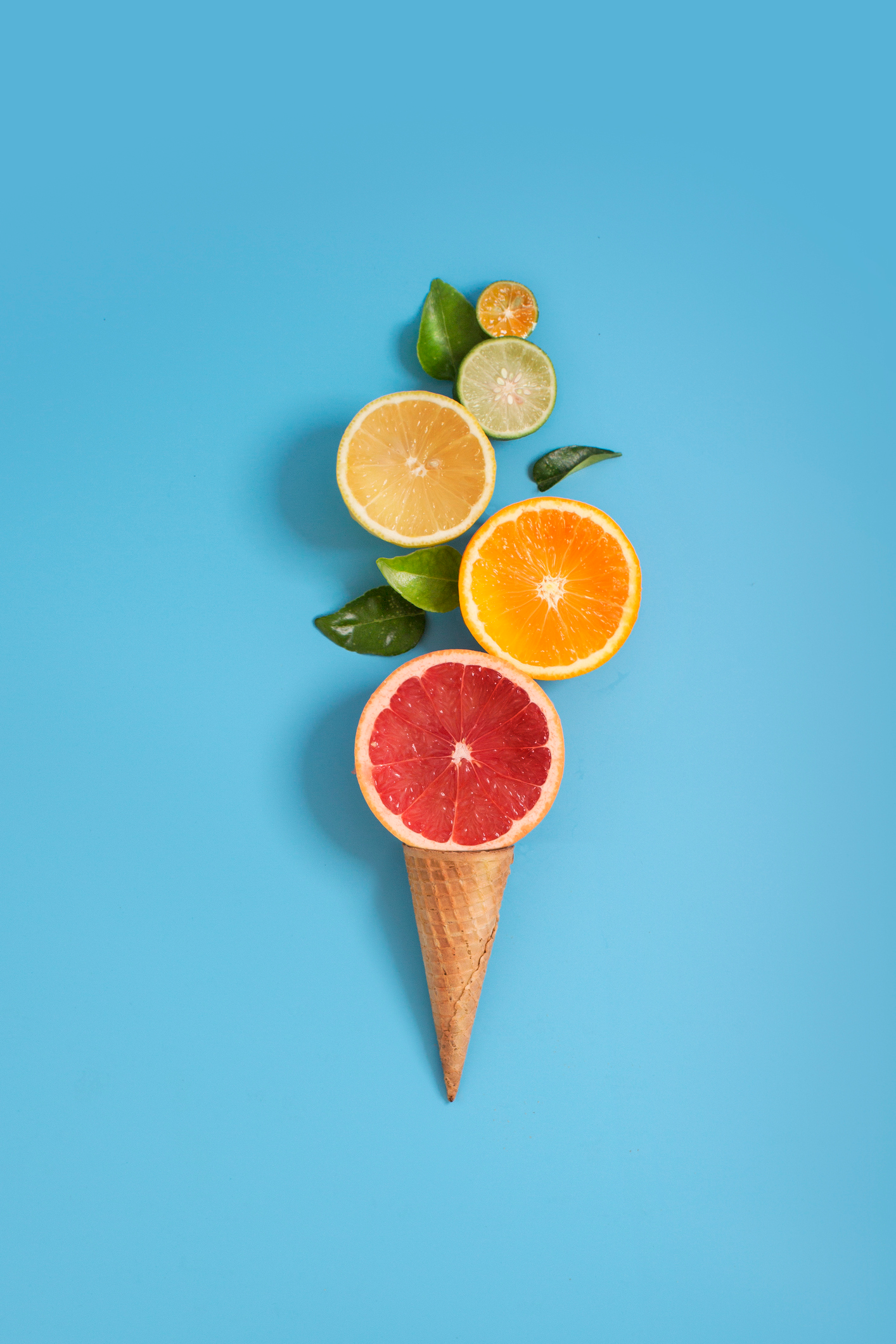
By today, you’ve reset your taste buds for less sweetness. Take a moment to notice how your usual sliced banana with cereal or the apple in your brown-bag lunch now tastes sweeter. Continue to enjoy fruit for snacks or add it to main dishes and salads whenever you can. Whole fruit also packs fiber, vitamins, and water that keep you feeling satisfied.