
Dresses | March 24, 2026
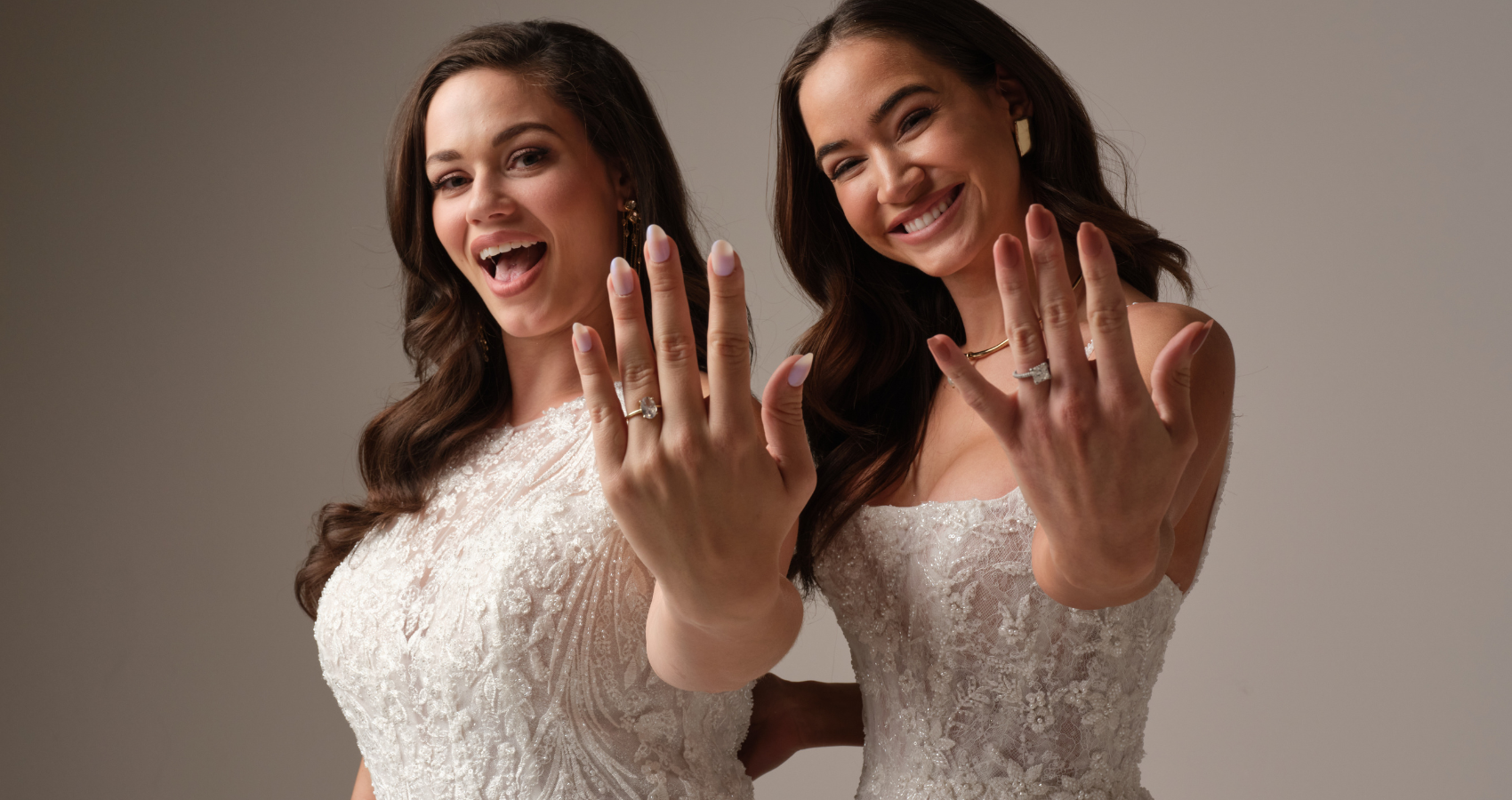
If you are newly engaged, you are probably wondering where to start. The most common wedding planning questions couples ask include when to start planning, how to set a wedding budget, how to choose a wedding date, how many guests to invite, when to buy a wedding dress, and what vendors to book first. This guide answers the most frequently asked wedding questions so you can plan with confidence and stay organized throughout the process.
Whether you are planning a large wedding, a micro wedding, a minimony, or an elopement, these are the wedding planning steps every couple should know.
Planning a wedding can feel overwhelming at first, but when you break it into a few key steps, the process becomes much more manageable. If you are wondering where to begin, start with the decisions that impact everything else: your budget, date, venue, photographer, and dress. Once those are in place, the rest of your planning will fall into place.
Most couples start planning their wedding about 12 to 18 months before their wedding date. This timeline gives you the best selection of venues, vendors, and dress options without feeling rushed. If you are planning a shorter engagement, it is still possible to plan a beautiful wedding in less time, you may just need to be a bit more flexible with dates and availability.
Start by determining your total budget and who will be contributing. From there, prioritize what matters most to you. For many couples, the venue, photography, and dress are top priorities, so it makes sense to allocate a larger portion of the budget to those areas. Always set aside a small buffer for unexpected costs so you can make decisions without added stress later.
Your wedding date will depend on your venue availability, preferred season, and any meaningful dates you may want to incorporate. Keep in mind that peak wedding season typically books faster and may be more expensive, while off-season or weekday weddings can offer more flexibility and savings.
Start with the vendors that cannot be easily moved around, especially your venue and photographer, as they tend to book out the farthest in advance. After that, you can move on to your wedding planner, caterer, florist, entertainment, and other details.
If you are not sure where to begin, follow this simple order:
Once you have your date, venue, photographer, and dress secured, everything else becomes much easier to plan because your vision, timeline, and overall style are established.
Wedding planning does not have to happen all at once. Start with the big decisions first, then enjoy the process as the smaller details come together over time.
After setting your budget and venue, your guest list is the next big decision. Your guest count affects your budget, venue size, and overall wedding style, whether you are planning a large celebration or a more intimate event like an elopement or minimony.
Your guest list should be based on your budget and venue capacity. Larger weddings come with higher costs, while smaller weddings like elopements, minimonies, and micro weddings allow for a more personal and relaxed experience.
As a general guide:
There is no perfect number, just what feels right for you and your budget.
Traditionally, the bride’s family paid for the wedding and the groom’s family paid for the rehearsal dinner and honeymoon. Today, most weddings are paid for by a mix of the couple and both families. The most important thing is to set a budget early and have clear conversations about who is contributing.
Weddings look different for every couple. Some choose a large traditional wedding, while others plan a backyard wedding, destination wedding, elopement, or minimony. There is no right or wrong way to celebrate, it just depends on what feels most like you!
Being a great wedding guest is mostly about being respectful, prepared, and supportive of the couple’s decisions.
Wedding guest etiquette includes:
An unplugged ceremony means guests are asked to put away phones and cameras during the ceremony. This allows everyone to be present in the moment and ensures the professional photographer can capture the ceremony without distractions. Guests are usually welcome to take photos during the reception.
Finding your wedding dress is one of the most exciting parts of wedding planning, but it also comes with a timeline. Knowing when to shop, how alterations work, and how to prepare for your bridal appointment will make the process more enjoyable and stress-free.
Most brides should start shopping for their wedding dress about 9 to 12 months before the wedding. Wedding dresses are made to order, which means production can take several months, and you will also need time for alterations.
If you are on a shorter timeline, do not stress. You can browse our selection of Quick Ship gowns and get in touch with an Authorized Boutique to say yes to your dream gown.
Alterations typically take 2 to 3 months and usually require 2 to 3 fittings. The most common alterations include hemming the length, adjusting straps, taking in or letting out the bodice, and adding a bustle.
It is best to have your shoes and undergarments before your first fitting so your hem and fit are accurate.
A bustle lifts the train of your dress so you can walk and dance comfortably at your reception. There are several types of bustles, and your seamstress will recommend the best option based on your dress and fabric.
You can watch how different bustles work here:
To get the most out of your bridal appointment, bring a few helpful items with you:
One of the most exciting parts of wedding planning is deciding how you want your wedding to look and feel. While trends can be a great source of inspiration, the most memorable weddings are the ones that feel personal and true to the couple.
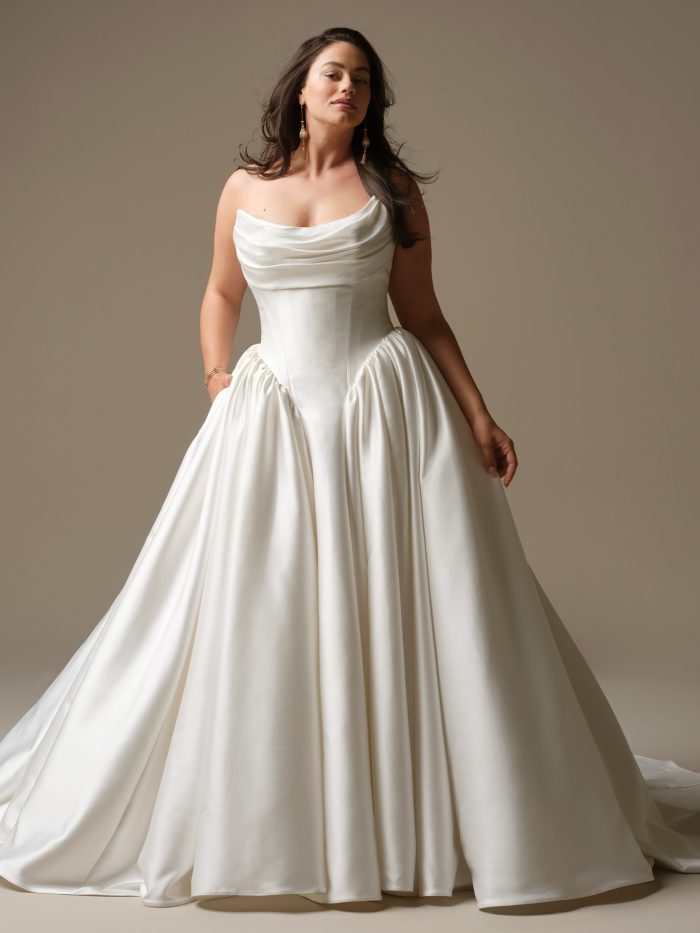
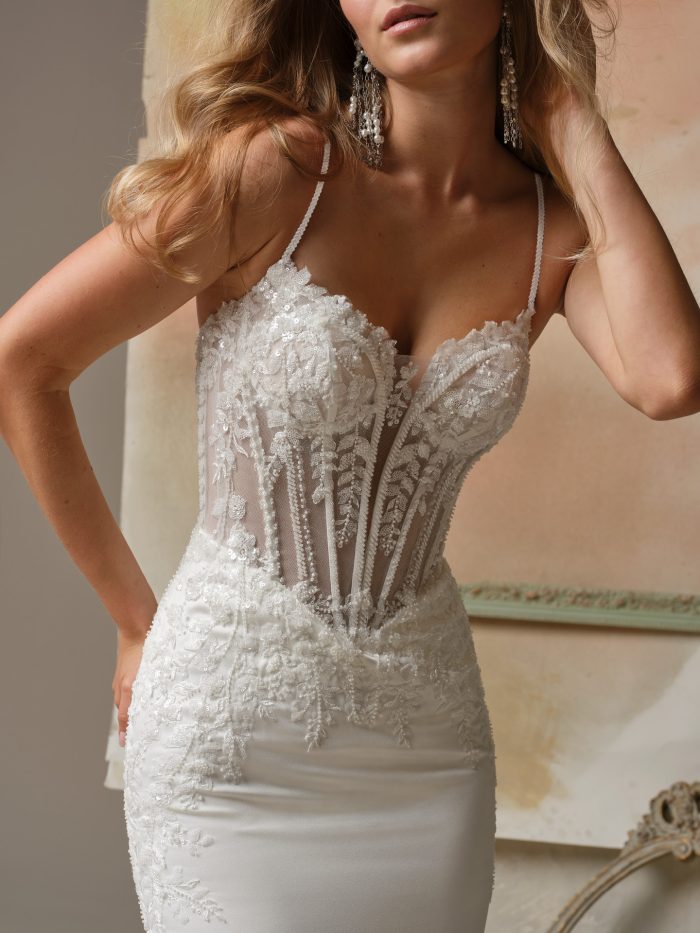
Current wedding dress trends are all about combining classic bridal elements with modern fashion-forward details. Brides are leaning into statement silhouettes, unique textures, and styling pieces that feel expressive and personal.
For a sculpted, elongated, romantic silhouette.
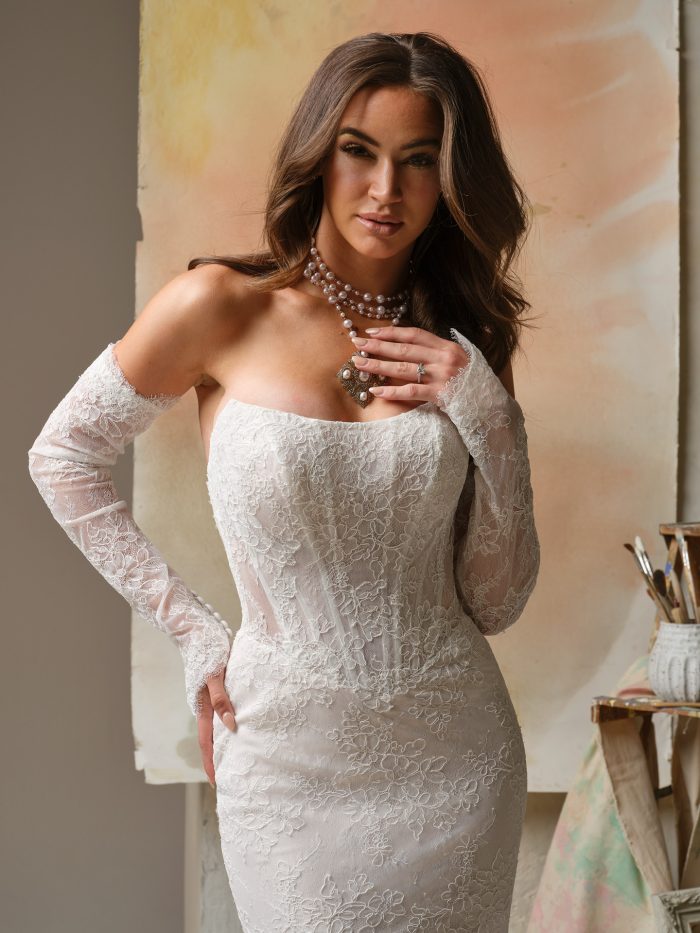
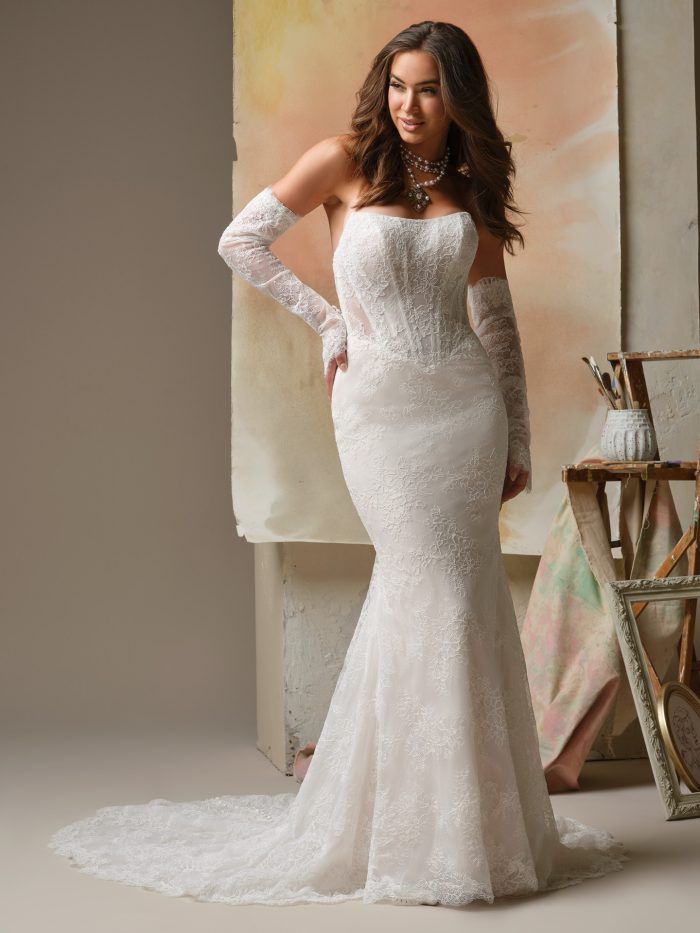
For a bold, fashion-forward look.
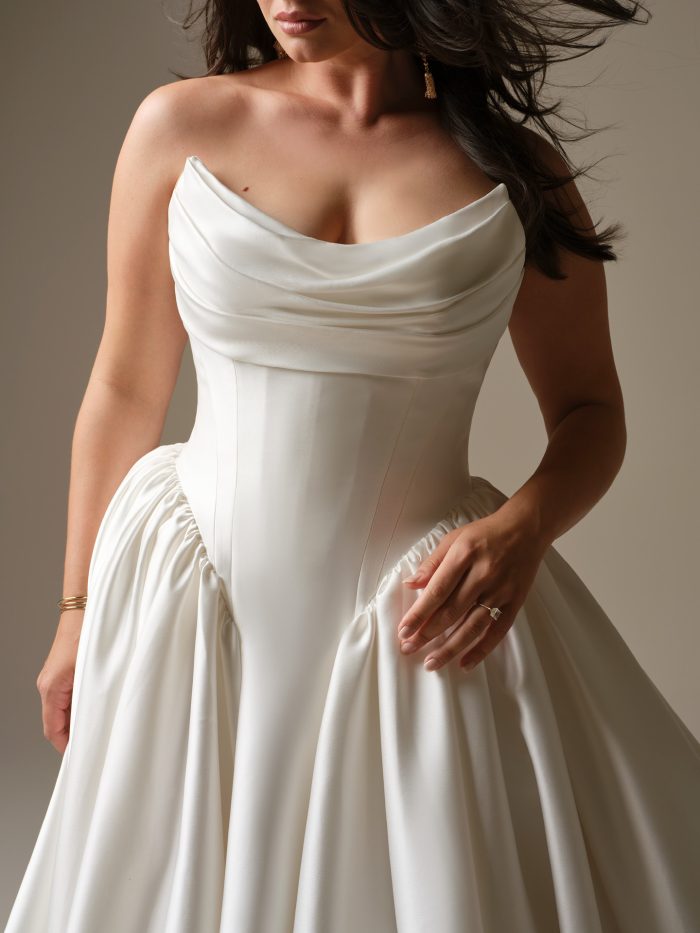
Bodices that feel light, detailed, and ethereal.
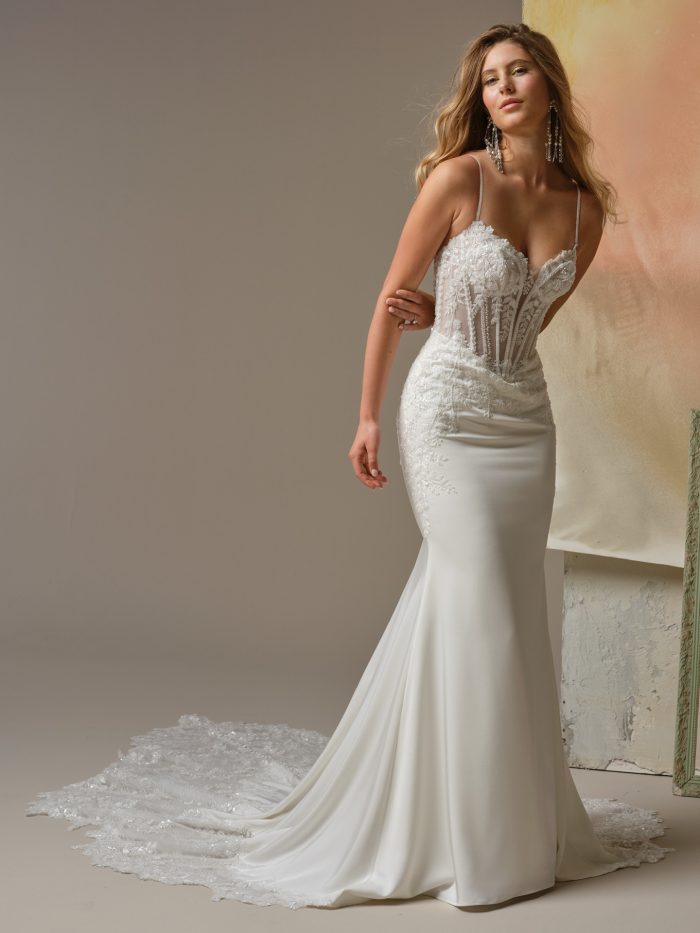
Wedding dresses with timeless details and structure
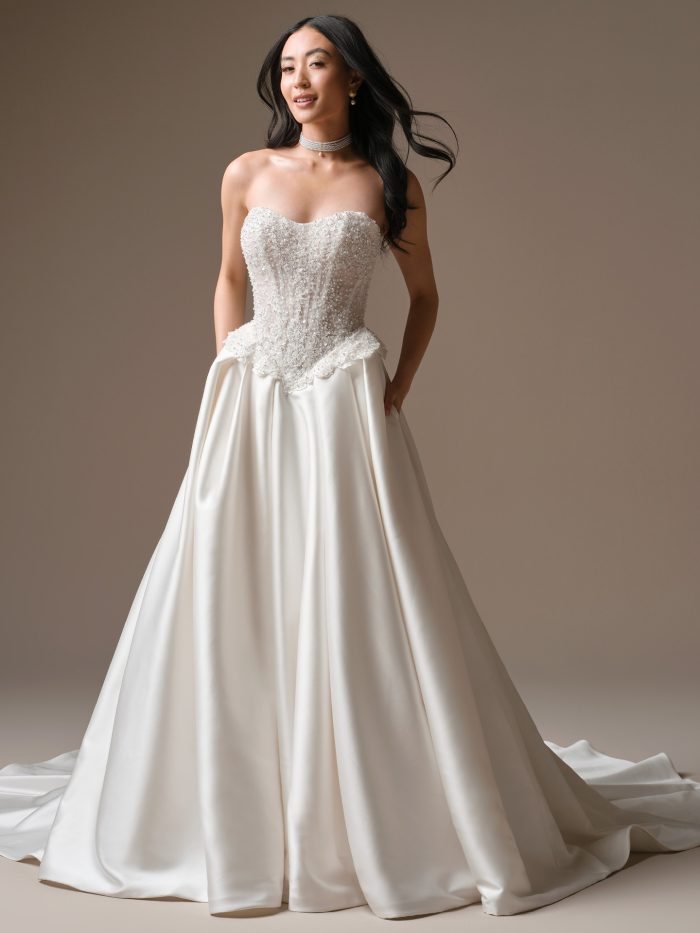
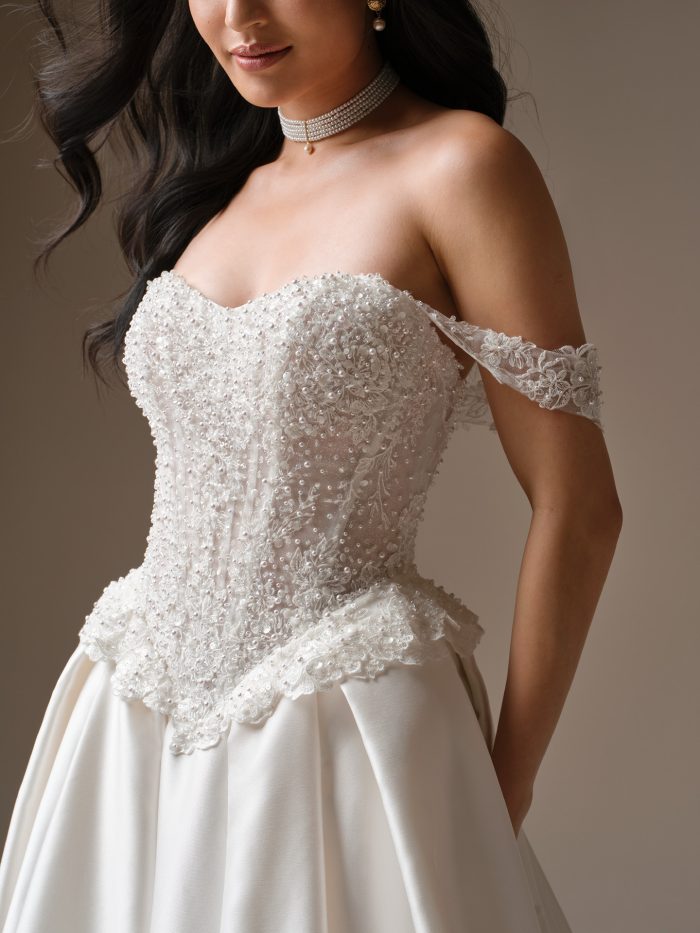
For versatility and a fun, modern feel.
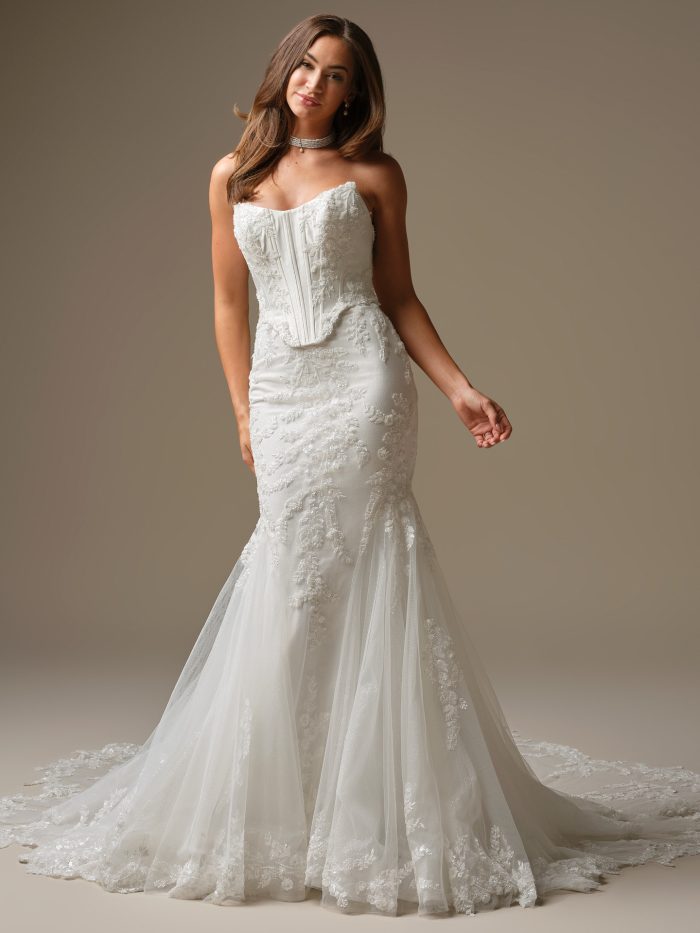
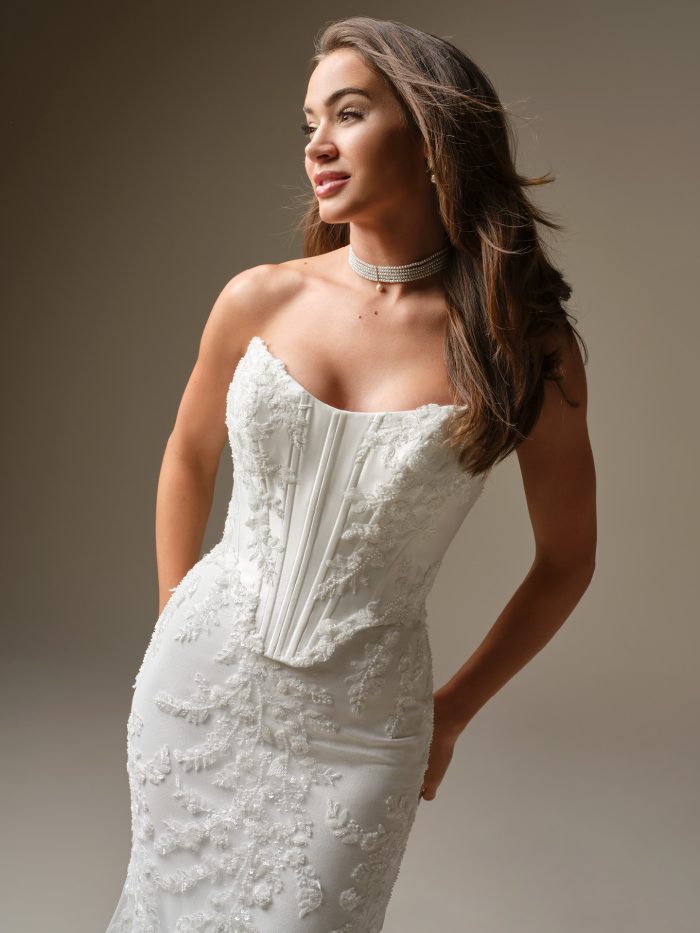
For an elegant, editorial look.
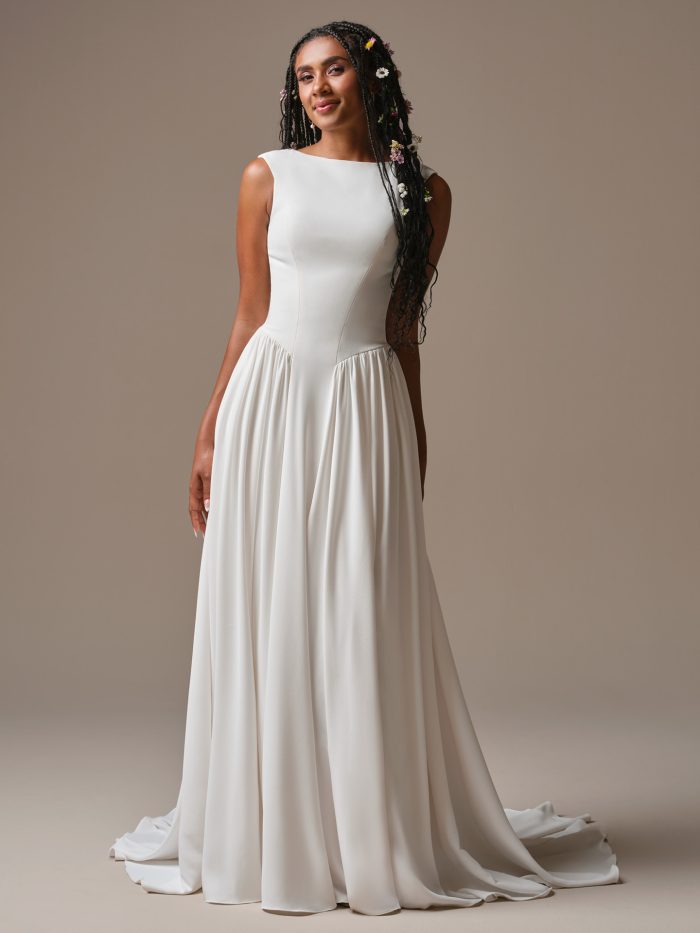
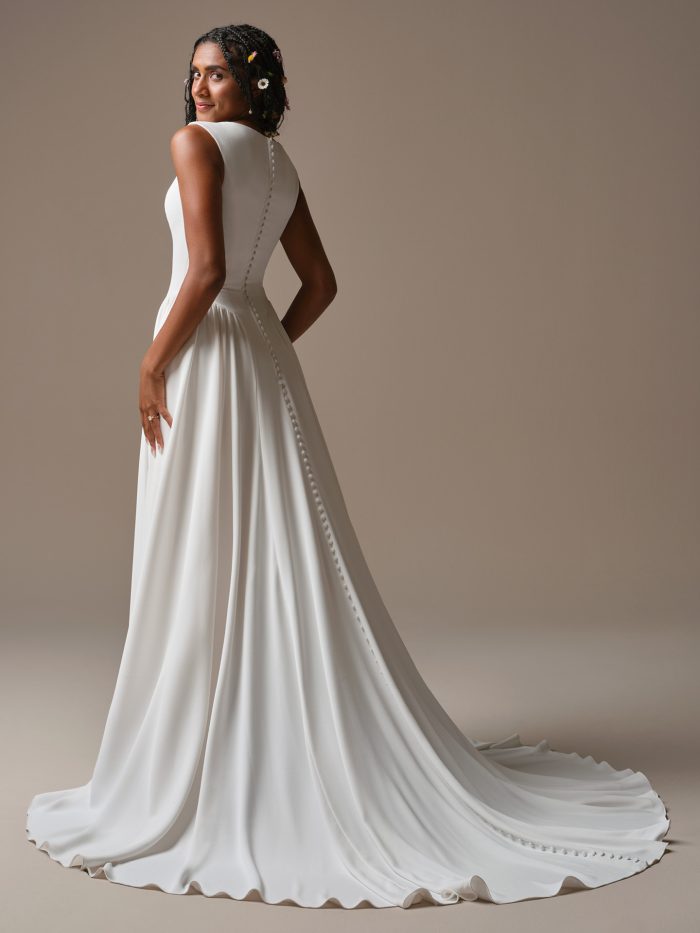
These are for a more playful, romantic touch.
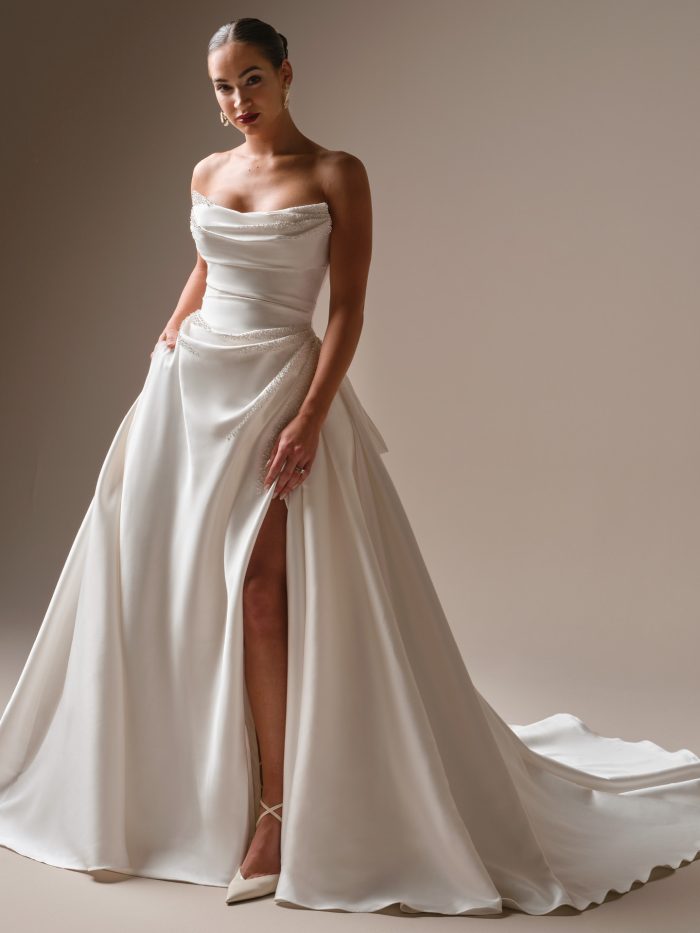
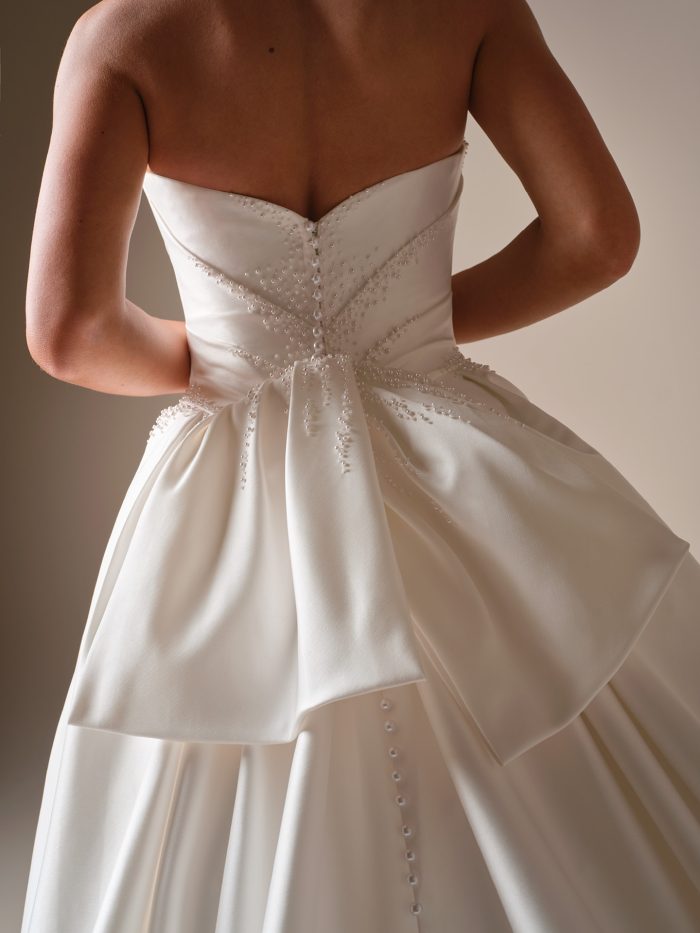
Details like sleeves, overskirts, and veils to personalize your look.
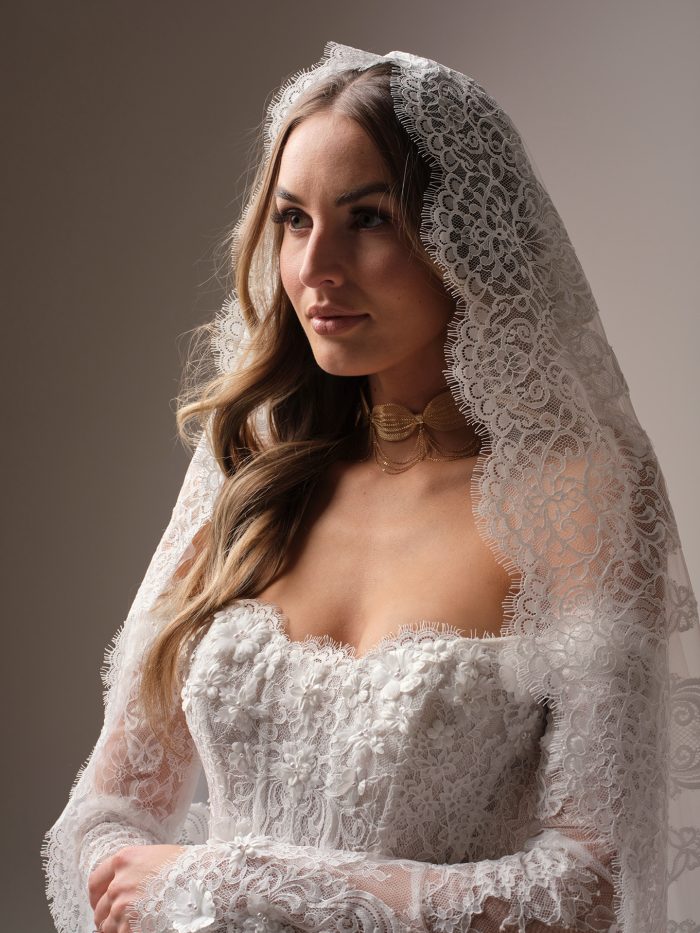 Takera Veil
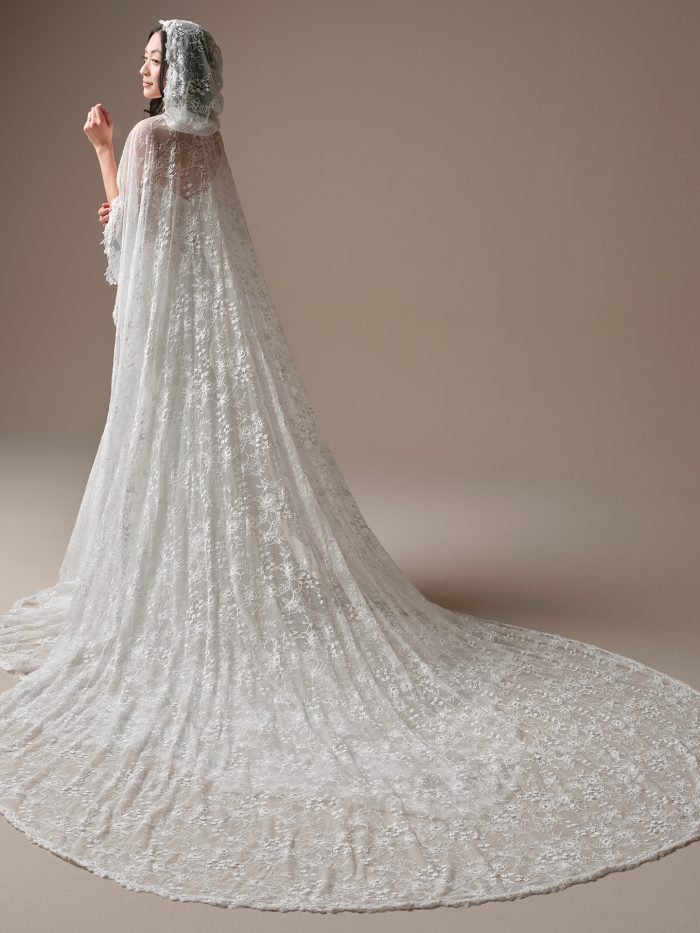 Bellevue Cape
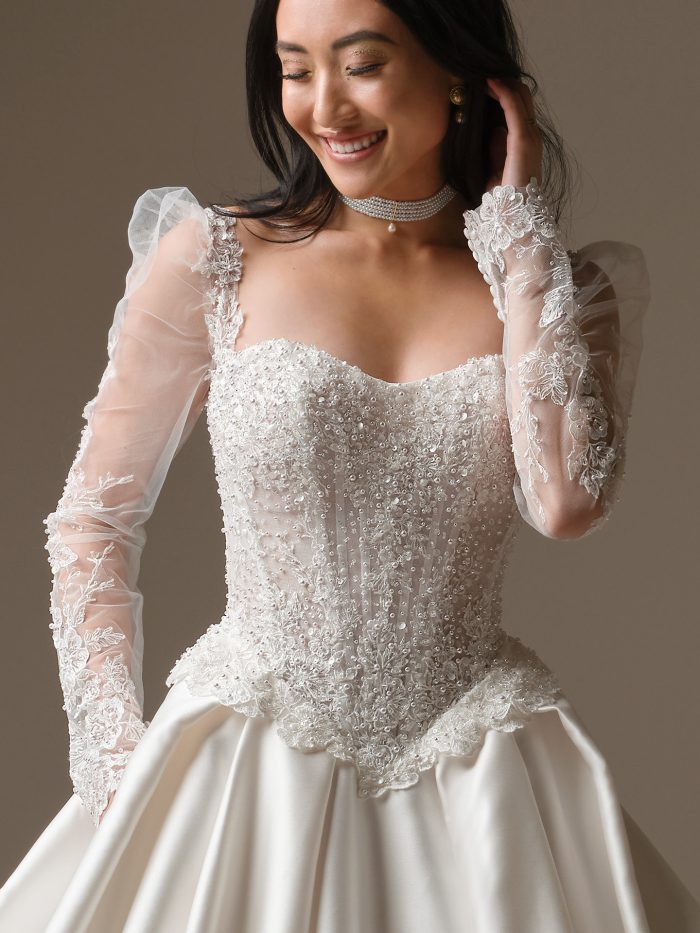 London Sleeves
Personalization does not have to mean reinventing the wheel. Small, thoughtful details often make the biggest impact. Consider incorporating:
Absolutely not. Modern weddings are much more flexible than they used to be. Many couples are choosing non-traditional timelines, smaller guest lists, elopements, minimonies, or non-traditional receptions.
You can walk down the aisle together, skip traditions that do not feel meaningful, have a non-traditional venue, or wear something unexpected. The only real rule is that your wedding should feel right for you.
At the end of the day, trends come and go, but a wedding that feels authentic to you will always be in style.
Wedding planning is a process, but it should also be exciting. Once you have your date, venue, and vision, finding your wedding dress is where everything starts to feel real.
When you are ready, visit an Authorized Boutique near you to try on gowns in person, explore different silhouettes, and work with a stylist to find the one. Use our store locator to find a boutique and start your bridal journey.
Wedding Dress Customization | Maggie Sottero
Maggie’s Wedding Dress Shopping Tips | Maggie Sottero
Wedding Dress Size Chart Inspo | Maggie Sottero