
Original video of Alanna Martine Kilkeary testing Ciele Filter & Protect Loose Finishing Powder (SPF 30)
Reapplying sunscreen over makeup can feel like a chore—but this powder formula makes it genuinely easy. This finishing powder combines vitamin E, antioxidants, and niacinamide to absorb excess oil, keeping skin matte and fresh throughout your day. The built-in powder puff makes re-applying a breeze as well.
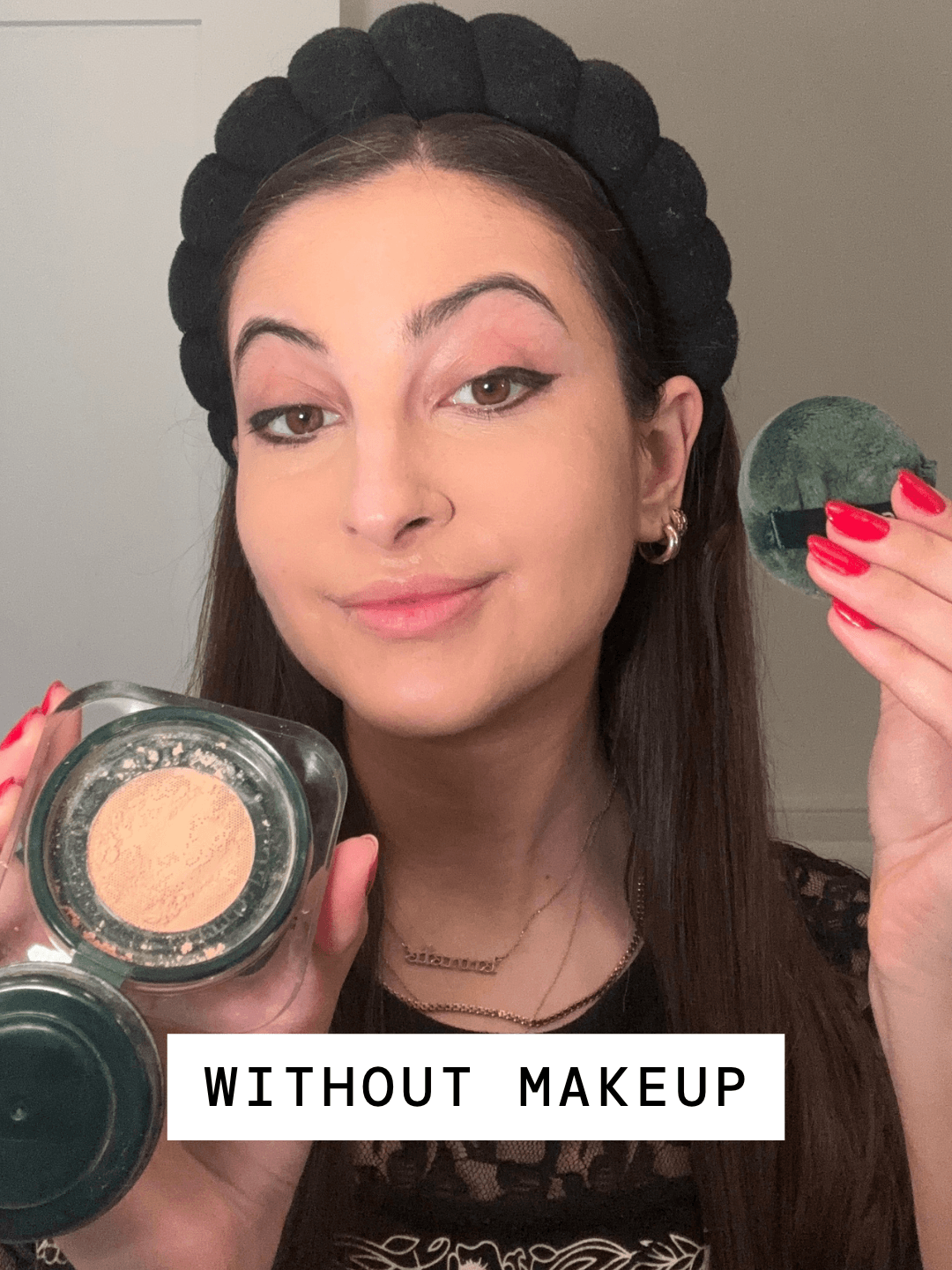
Original image of Alanna Martine Kilkeary testing the Ciele Filter & Protect Loose Finishing Powder (SPF 30)
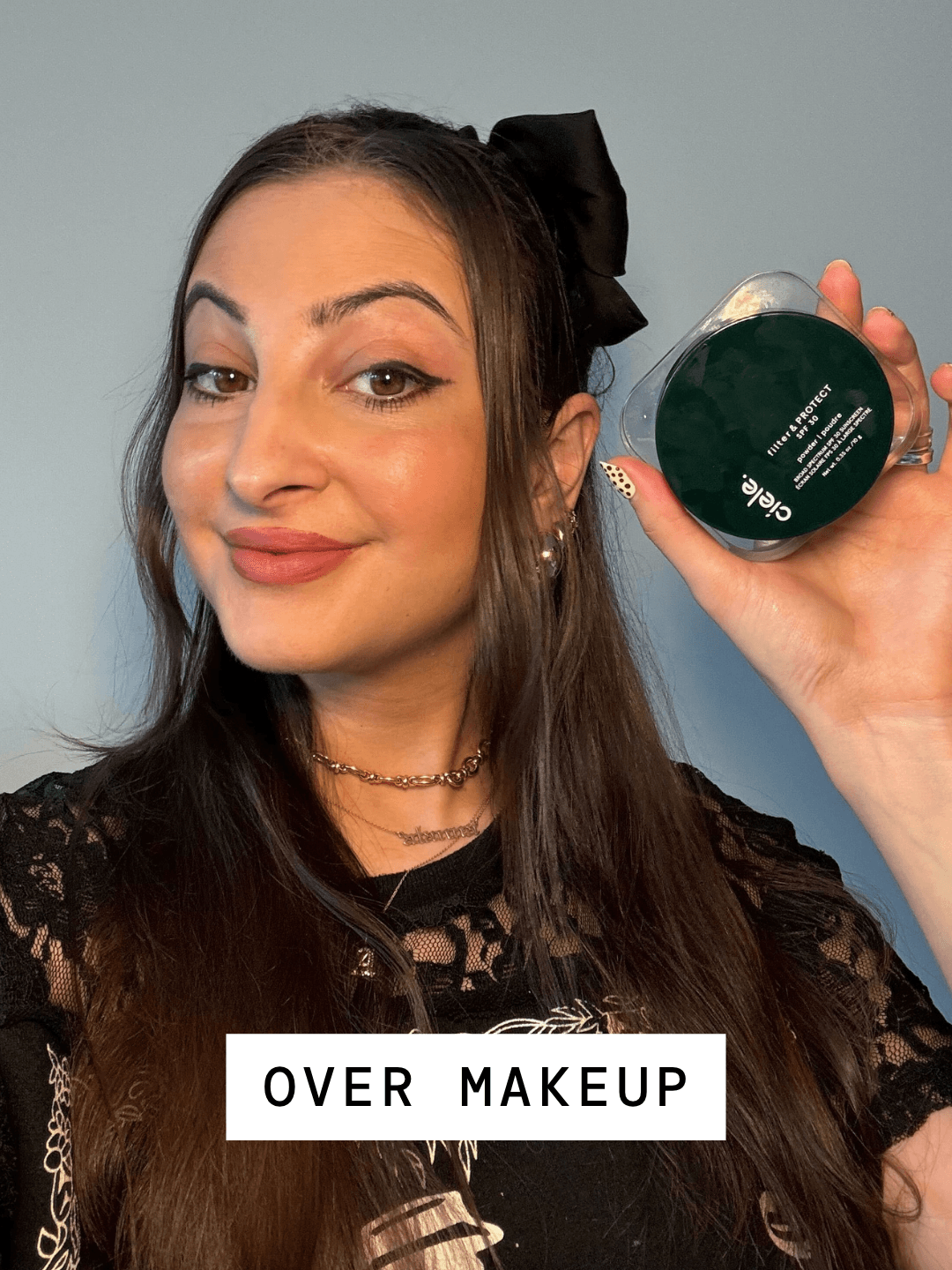
Original image of Alanna Martine Kilkeary testing the Ciele Filter & Protect Loose Finishing Powder (SPF 30)
“The compact comes with a velvety cushion applicator that picks up just the right amount to sweep on your T-zone, cheeks, and chin. I also used this powder under my eyes to set my concealer and around my nose to correct redness. I wore it out to a rooftop barbecue and noticed that I barely had to touch up—my skin was fresh and shine-free even hours later. This pick will definitely become a staple in my summer skin care routine.” —A.M.K.
What type of sunscreen is best for oily skin?
Similar to your go-to shine-quenchers—salicylic acid or retinoids, for example—the best sunscreens for oily skin can help control oil, minimizing the excess shine that standard broad-spectrum sunscreens leave behind.
When shopping, start by seeking out mineral formulas when possible. Since they’re formulated with zinc oxide or titanium dioxide rather than chemical components that soak into skin, they’re generally less irritating, says Dendy Engelman, MD, a board-certified dermatologist in New York City. “Mineral sunscreens also tend to be fragrance-free, noncomedogenic, and noninflammatory,” she says, making them ideal for oily and acne-prone skin.
If you’re concerned about a white cast, there are some chemical sunscreens that fit the bill. Just look for buzzwords like noncomedogenic, which indicates it won’t clog pores, says Deeptej Singh, MD, a board-certified dermatologist at Sandia Dermatology in Albuquerque, who notes “oil-free,” “fragrance-free,” and “hypoallergenic” are other terms to look for on the labels of sunscreen for oily skin.
Does SPF level matter when shopping for a sunscreen for oily skin?
Yes, says Pooja Rambhia, MD, a board-certified dermatologist at Union Derm in New Jersey. “I always recommend broad-spectrum SPF 30 or higher for all my patients, but it’s especially crucial for those with oily and acne-prone skin,” she says. Those with acne often develop post-inflammatory hyperpigmentation, and adequate sun protection is essential to prevent darkening of these spots, she goes on to explain. “I recommend a tinted sunscreen as the iron oxides in tinted formulations provide additional protection against visible light that can worsen pigmentation.”
What ingredients should you avoid in sunscreen if you have oily skin?
“It’s important to avoid comedogenic ingredients like coconut oil, isopropyl myristate, or heavy occlusives [moisturizers] that may trap oil and debris in pores,” says Hope Mitchell, MD, a board-certified dermatologist and founder of Mitchell Dermatology. She also recommends caution with fragrances, alcohols, and certain chemical filters (such as oxybenzone), which may cause irritation in some individuals.
Any tips for applying sunscreen over makeup on oily skin?
Start by choosing a lightweight, oil-free sunscreen formulated for facial use, available in lotion or cream, says Dr. Adisa. “Next, apply sunscreen first and allow it to fully absorb before applying makeup. For chemical sunscreens, wait at least fifteen minutes,” she says. To prevent pilling, apply sunscreen gently and evenly, avoiding vigorous rubbing; use patting or pressing motions instead.
Can sunscreen make your face oily?
Yes. While some sunscreens—especially emollient-heavy formulas meant to trap in moisture—can make oily skin feel greasier, it’s important to look for sunscreens labeled “dry touch,” “matte finish,” or “oil free,” says Dr. Mitchell. “Using a mattifying daily sunscreen can actually help improve the appearance and longevity of makeup too,” she adds.
How we tested
To help you find the best options to add to your skin care routine—the ones with a matte finish that won’t contribute to excess shine—we asked dermatologists what they recommend to their patients. We also polled our expert editorial team for their favorites and tapped our team of testers to try more than two dozen of the most promising formulas over the course of a year and a half. Our final list of the best SPF for oily skin includes only the cream of the crop—the ones that were readily absorbed, left a natural finish, wore well throughout the day (i.e., didn’t leave us shiny and sticky after an hour or two), and effectively blocked UV rays. We frequently update this story as we continue to test sunscreens throughout the year.
Meet the experts