
Disclaimer- Deciem sent me the sample of Salicylic Anhydrous to try free of charge, I received no money for writing this review but some of the links may be affiliate, if you click and buy I will receive a small percentage which I will put back into my blog.
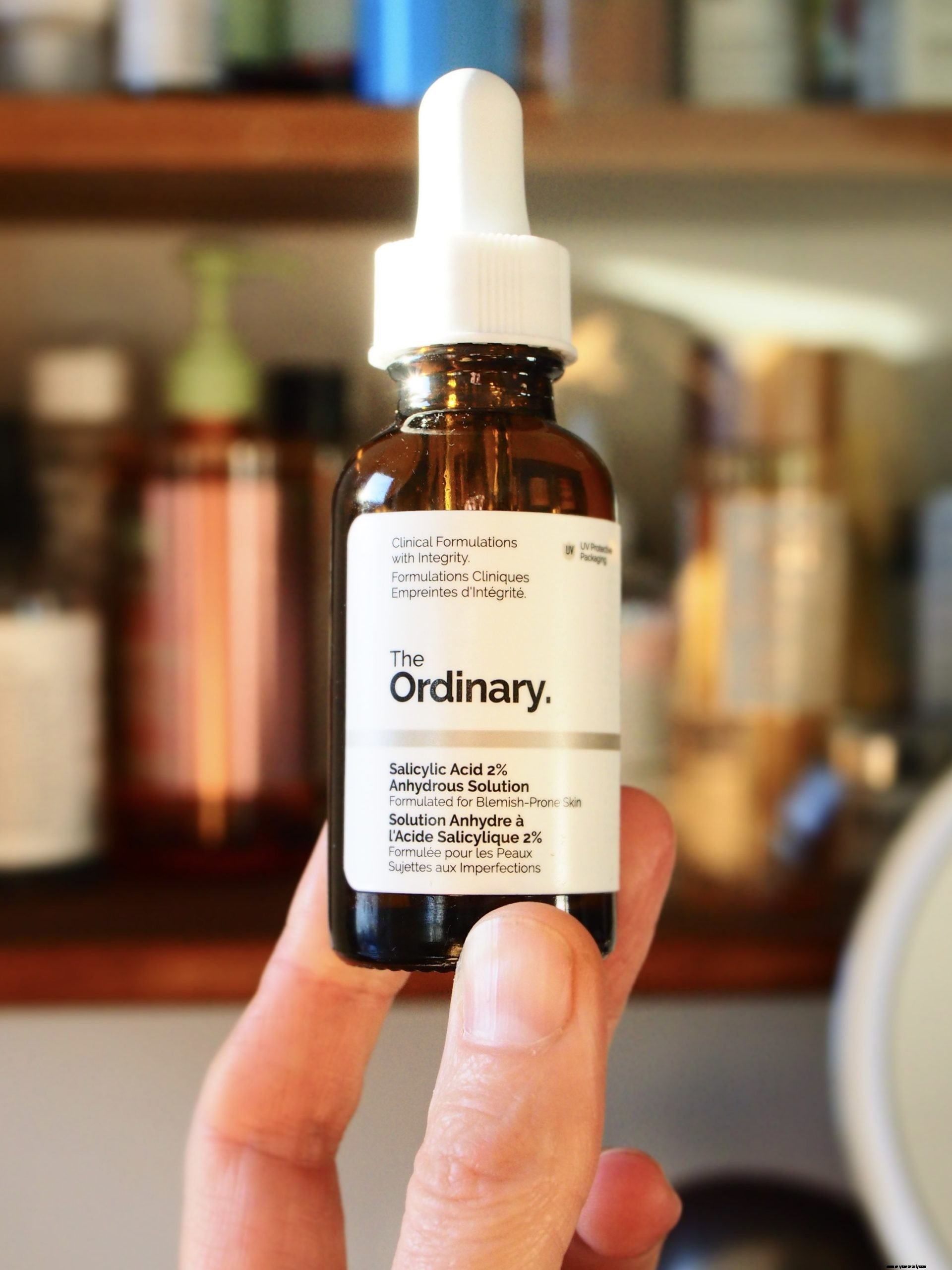
Price– £5.20, $6.50 Canadian/American Dollars, $11.50 Australian Dollars, $54 HK Dollars
Released date- 7th December 2021 From Deciem.com
Ingredients– Squalane, Capric/Caprylic Triglycerides, Pentylene Glycol, Salicylic Aci, Oleic/Linoleic Polyglycerides, 4-T-Butylcyclohexanol, Hydroxymethoxyphenyl decanone, Phenoxyethanol, Chlorphenesin
Directions– Apply morning and evening. Apply a small dot to the target area, or a small amount over the face for general use.
Warnings– Avoid the eye contour. Do not allow contact with eyes. Do not use on sensitive, peeling or compromised skin. Patch testing is advised for allergy and irritation, some people are allergic to salicylates and this should be avoided if you have an aspirin allergy. This product increases UV sensitivity, ensure sunscreen is used and limit sun exposure while using.
Let’s have closer look at the key ingredients to get an idea of how it will work-
I’ve been trying the new Salicylic for a few days now and it’s fortunately (or unfortunately for me) coincided with a large chin acne outbreak. So I’ve been able to try it out on a breakout to see if it’s effective or if it’s as irritating as it’s predecessor. I’m really happy to say that soon after I started using Anhydrous Salicylic from The Ordinary my break out cleared up, it could be that the Salicylic did the trick! (FYI I’m also using Azelaic 20% from Dermatica). It certainly didn’t worsen the situation.
It comes in a UV protective dropper bottle and has a pleasant oily feel. It’s quite fluid so you’re best off placing a couple of drops on your clean hand and dabbing from there. The Ordinary has said that we can spot treat or apply to the full face (apart from he eye area), my intuition is that it should be applied the whole acne affected area as an acne preventative as well as treating active spots. To start with I did a patch test on a dry area of skin to the side of my face and didn’t experience any burns or irritation so I went ahead introducing Anhydrous SA slowly into my routine.
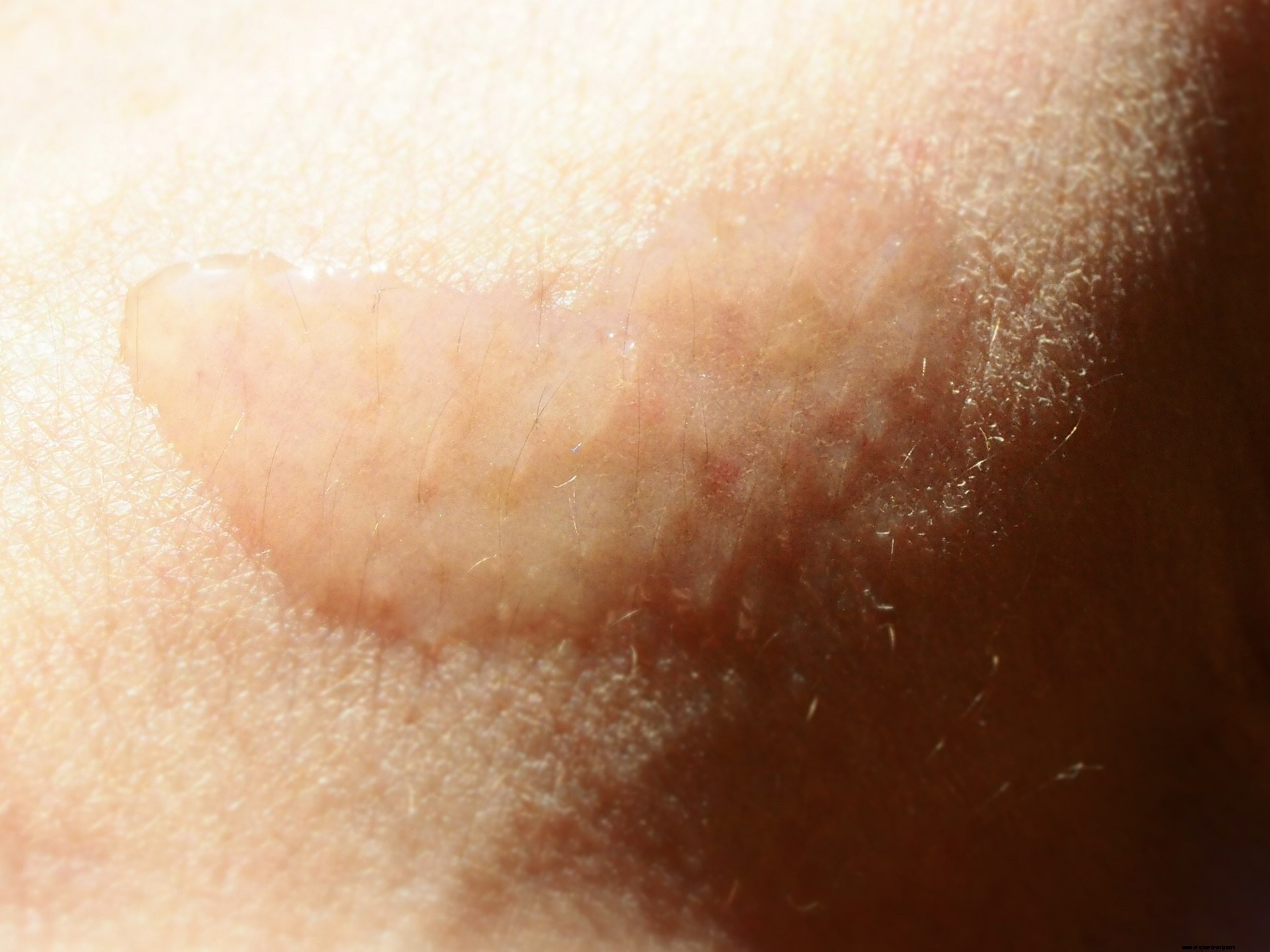
There is a slight stinging feeling on application but it doesn’t cause visible redness or any long lasting side effects. I have found that it takes a while to absorb. It stayed in an oily layer on the top of my skin for a long time. Which is fine in the evening, but in the morning when I need to get going and have to apply sunscreen on top, it’s not ideal. If you want to use it in the morning, just use a dry small amount and rub in well plus giving plenty of time for absorption. Or just use in the evening.
I used Anhydrous Salicylic Acid on my active break out once daily 3 times a week to see if it would help speed up healing and prevent further spots. It seemed to reduce the pain I had in the spots quickly, the spots went from angry and active to calm and healing at a quicker rate. I think it’s going to good for helping oil flow, preventing blocked pores, texture and loosening blackheads.
it’s important to say at this point that your experience may vary, I’ve got really stubborn acne and I’m not expecting miracles. I was a little nervous with the new Salicylic, given the issues we had with the old one. I was pleasantly surprised by how gentle it is. I like that the formula is moisturising a this is going to help with acne treatment and I love the inclusion of skin calming 4-T-Butylcyclohexanol. All in all I would recommend the new Anhydrous Salicylic to an acne suffering friend and it would be worth trying for those suffering with congested pores and blackheads.
Head to Deciem.com to purchase on or after the 7th December 2021
Arif T. (2015). “Salicylic acid as a peeling agent: a comprehensive review.” Clinical, cosmetic and investigational dermatology, 8, 455–461. https://doi.org/10.2147/CCID.S84765
Sulzberger M, Worthmann AC, Holtzmann U, Buck B, Jung KA, Schoelermann AM, Rippke F, Stäb F, Wenck H, Neufang G, Grönniger E. (2016) “Effective treatment for sensitive skin: 4-t-butylcyclohexanol and licochalcone A”. J Eur Acad Dermatol Venereol. ;30 Suppl 1:9-17. doi: 10.1111/jdv.13529. PMID: 26805417.