
The golden rosehip oil is having a moment in skin care these days, and for a good reason. This gorgeous oil comes from a romantic source, and it has a unique composition that is extremely rare in other botanical oils. This unique composition makes rosehip oil one of the best oils for anti-aging, hyperpigmentation, and scarring, while its non-comedogenic fatty acid profile makes it a great oil for those with acne-prone skin.
In this article, we’ll make sure to give you the lowdown on why it is so great for the skin, and what the specific rosehip oil benefits are. We will alleviate all of your concerns about potential side effects, and we’ll finish off by explaining exactly how to get the most out of your rosehip oil skin care.
Rosehip oil is the oil derived from the seeds of the hip of a certain type of wild rose. The rosehip plant is called rosa rubiginosa, and it is in the rose family. It grows wild in many parts of the world, especially in Eastern Europe, South America, and Central Asia.
It can be extracted in two different ways: rosehip oil can be cold pressed from the seeds, or it can be extracted through a CO2 extraction. While we usually prefer cold pressed oils, rosehip seed oil is actually too volatile, so even the cold pressing is too harsh of an extraction method for it.
During the cold pressing process a large percentage of the components in the rosehip oil oxidize, so it ends up having a shorter shelf life and a smaller quantity of antioxidants. CO2 extraction is a much gentler process in which the rosehip seeds are blasted with carbon dioxide, which expels out the oil.
Rosehip oil is primarily made up of gamma-linolenic acid, a fatty acid with robust anti-inflammatory capabilities that is also considered non-comedogenic. It also contains some linoleic acid, another non-comedogenic fatty acid, and a bit of oleic acid, which is known for its moisturizing capabilities.
Rosehip oil also contains quite a bit of beta-carotene, a form of vitamin A that has powerful antioxidant properties that can prevent the free radical damage that causes premature aging.
Lastly, rosehip oil contains just a touch of tretinoin, another form of vitamin A. While it is a very small percentage, tretinoin is a powerful enough ingredient that it still has a considerable impact on the skin.
Tretinoin is a skin resurfacer that promotes the shedding of dead skin cells from the skin, and also helps speed up cell renewal. Because of it, rosehip oil is especially great for reducing the look of scarring and hyperpigmentation in the skin.
When used reasonably and sanely by a person who does not have allergies to rosehip oil, there are no side effects that are worth worrying about. If you are concerned that you might be allergic to rosehip oil, make sure to test it on a small patch of skin before applying it all over your face. If no allergic reaction occurs, you probably do not have to worry.
Rosehip oil can pose risk if it is consumed, so keep it away from children and pets. Consuming rosehip oil can lead to nausea, vomiting, and stomach pain, and it can also interact badly with other drugs one might be taking.
If you are going to be using a traditional skincare product that contains rosehip oil, simply use it as instructed. You will see rosehip oil appear in products like oil cleansers, serums, masks, and moisturizers, which you should simply use as you would any other one of those products.
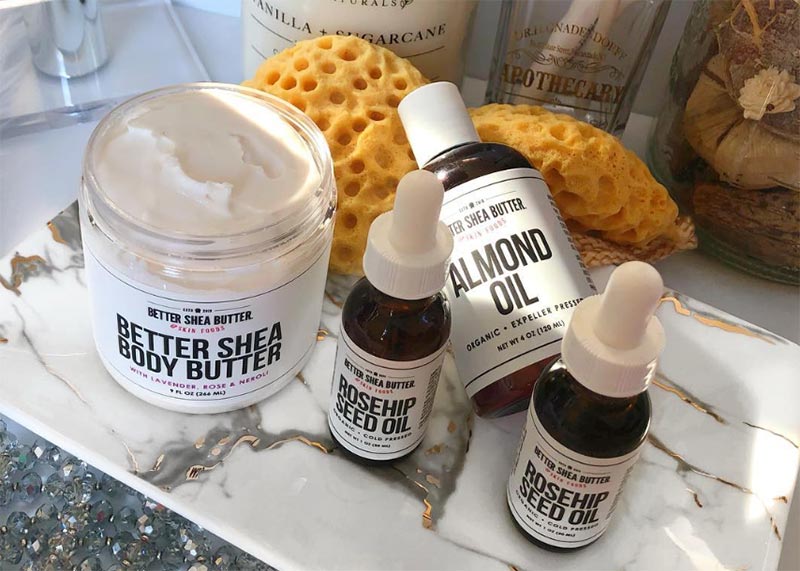
You can also use straight rosehip oil in your skincare routine, in any of the following ways:
Photos via @katespiers, Instagram