
Baby hairs get a bad rap. A soft, wispy halo of broken hairs along your hairline is completely natural – and often quite chic if you're into styling your edges – but when those shorter strands are actually the result of breakage, it’s a different story. If you’ve ever noticed your hairline looking thinner, frayed or refusing to grow past a certain point, you’re not imagining it. The front section of our hair tends to be the most fragile – and, ironically, the most styled.
“Hairs along your front hairline are usually finer and slightly weaker, which makes them vulnerable to breakage,” explains Anabel Kingsley, leading trichologist at Philip Kingsley. It’s also the area we manipulate the most, whether that’s tight ponytails, slicked-back buns or a bit too much heat styling in pursuit of a polished finish. Over time, that repeated tension and friction can take its toll, leading to snapping, thinning and those tell-tale uneven edges.
The good news: a compromised hairline isn’t a lost cause. With a few tweaks to your styling habits and a more careful approach to haircare, it’s entirely possible to protect what you have and encourage healthier regrowth. Ahead, the everyday mistakes that could be sabotaging your hairline – and the expert-backed ways to fix them.
Unsurprisingly, heat styling comes in at number one on the list of vices to crack. “Hair straighteners and using a hot heating setting on your hair dryer are a common culprit when it comes to breakage along the hairline,” explains Anabel. The good news is that kinks and waves are back in a big way as the natural hair movement has encouraged us all to embrace air drying and making the most of our texture, rather than scalding it into submission.
But it’s worth having a look at your other tools, too. “Using a harsh hair brush to style (such as metal pronged brushes, or brushes with scratchy boar bristles) can also add to the problem of broken hairs along your hairline,” says Anabel.
Chemicals are also, sadly, the enemy of healthy hair growth, especially if you’re layering several throughout different steps of your hair colouring and styling routine. “Overlapping chemical processes, such as permanent colour, bleach and chemical straightening, can cause a lot of damage,” warns Anabel.
As for other common mistakes to avoid? Top of the list is "pulling your hair back too tightly,” says Anabel. It can place unnecessary strain on the hair, and if done regularly, can lead to repeated breakage. In severe cases, it can even cause traction alopecia.
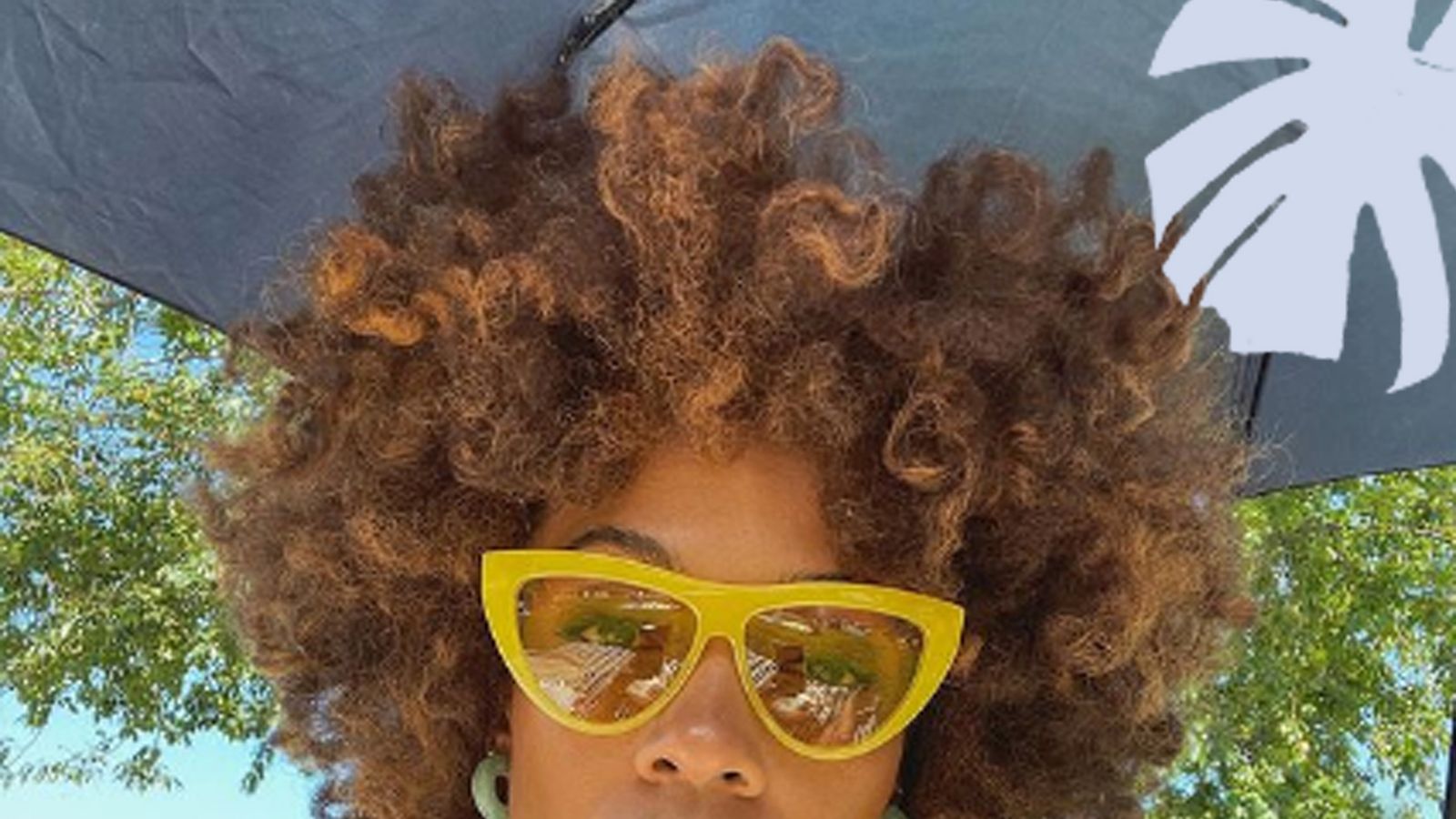
The 'anti blow-dry' is all about making the most of your hair's natural texture, kinks and waves
Gallery6 Photos
By Elle Turner
“Treat the hairs along your front hairline with extra TLC,” advises Anabel. “Be gentle when you brush and style, opting for a brush with rounded plastic prongs and a vented cushioned base,” she says. If you can, “limit your use of hair straighteners to once a week maximum, and use a low to medium heat setting when you style.” Simply switching your dryer from high to medium will help, and it’s worth experimenting with the temperature on your straighteners or tong. You’ll probably find you can opt for the lower setting without compromising your style.
As for wearing your hair up, “don’t tie it too tightly,” says Anabel. “Instead, go for a looser style. The rule of thumb is, if a hairstyle makes your scalp sore, it’s too tight!”
Philip Kingsley Elasticizer Intensive Treatment
ARKIVE The Crown Scalp Scrub
Olaplex No. 3 Hair Perfector
This may be nothing new, but nourishing your strands is the way to go. “Once a week, use an intensive, strengthening pre-shampoo conditioning treatment. I recommend using our Elasticizer, which adds elasticity to strands to help prevent breakage,” says Anabel. This is important since breakage often occurs when our hair is wet and overstretched while styling.
“When you style, use a heat protection spray,” says Anabel. This will shield hair, as much as possible, from excess heat. “And eat a healthy, balanced diet. This will benefit the growth of your hair in general – not just your front hairline,” adds Anabel.
Olaplex No. 7 Bonding Frizz Reduction and Heat Protection Hair Oil
Redken Acidic Color Gloss - Heat Protection Treatment