
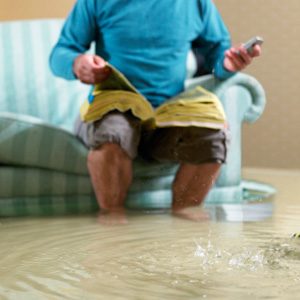
If it’s like a swimming pool in your basement, get the water out with a gasoline-driven pump. Be sure to keep it outside and lower the intake of the hose through an available window. Gas-powered fumes release toxic fumes, so avoid placing it in an enclosed space. Lower the water level no more than two feet per day. If you pump too much water within a short period of time, pressure from the water-saturated soil outside could cause the basement walls to collapse. If there is still water remaining after pumping you can use a shop vacuum to suck out the remaining puddles.
(Photo: Thinkstock)
2 / 10
Don’t enter any building that is surrounded by flood water. Floodwaters often undermine foundations causing sinking, cracks, and breaks in the floor. This can then cause collapse, leaving you trapped inside. Even if it has been deemed safe to re-enter your home, still take extreme caution. Wear sturdy shoes and watch out for every step you take. Keep a look out for unstable floors, walls, staircases, and windows. Check for sagging ceilings or loose plaster or drywall and check the house foundation for any cracks. Should you find anything wrong, contact someone to repair the damage and don’t return inside until the issue has been fixed.
(Photo: Thinkstock)
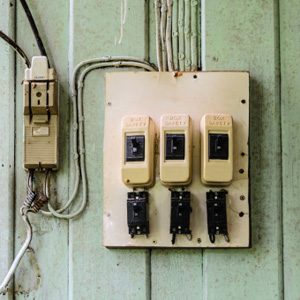
Check for electrical system damage, such as ruptured wires. If the power is still on and you find electrical damage, turn off the power immediately. If there is no problem with the electrical system, you should still unplug any appliances and clean, dry, and spry them with cleaner to rid of any potential contaminants from the flood water.
(Photo: Thinkstock)
4 / 10
It may seem a bit strange, especially if the weather is still not ideal, but be sure to open the windows wide. You want to get the inside of your house dry as quickly as possible before mildew or toxic mould sets in. If your windows are sticking, use a pry bar to open them.
(Photo: Thinkstock)
5 / 10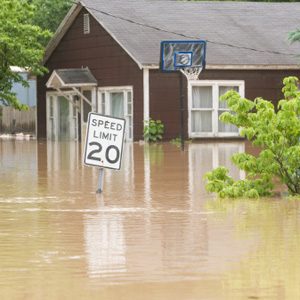
If you smell gas, turn off the gas line and get outside right away. When walking through your home, use a flashlight to light your way, not matches just in case there is a gas leak you are unaware of.
(Photo: Thinkstock)
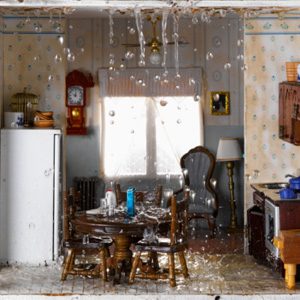
If there’s a water leak, turn off the water supply and check for damaged water lines. If you do find damage, contact a plumber and avoid using water from the tap until it’s fixed.
(Photo: Thinkstock)
7 / 10
When walking through your home, keep an eye out for any animals that may have taken refuge in your home. Walk through with a stick to poke through the debris to be sure you are not taken by surprise should anything be hiding in the rubble.
(Photo: Thinkstock)
8 / 10
Don’t eat any food that’s been touched by floodwater to avoid potential contamination. Be sure to boil all water before you consume it, or stick to bottled water until it’s deemed safe.
(Photo: Thinkstock)
Check for damaged sewage lines. If you suspect there is damage, call a plumber and do not use the toilets. Check all of your drains and valves in the sewer traps. Be sure to have drains cleared if they have stopped. If is any damage to septic tanks, fix them as soon as possible to avoid health hazards.
(Photo: Thinkstock)
10 / 10
When you’ve gotten rid of all the water and are ready to repair, be sure that all of your walls, floors, and insulation are completely dry before covering or repainting them. If the walls are still waterlogged, you can replaced the wallboard and insulation above the waterline.
(Photo: Thinkstock)