
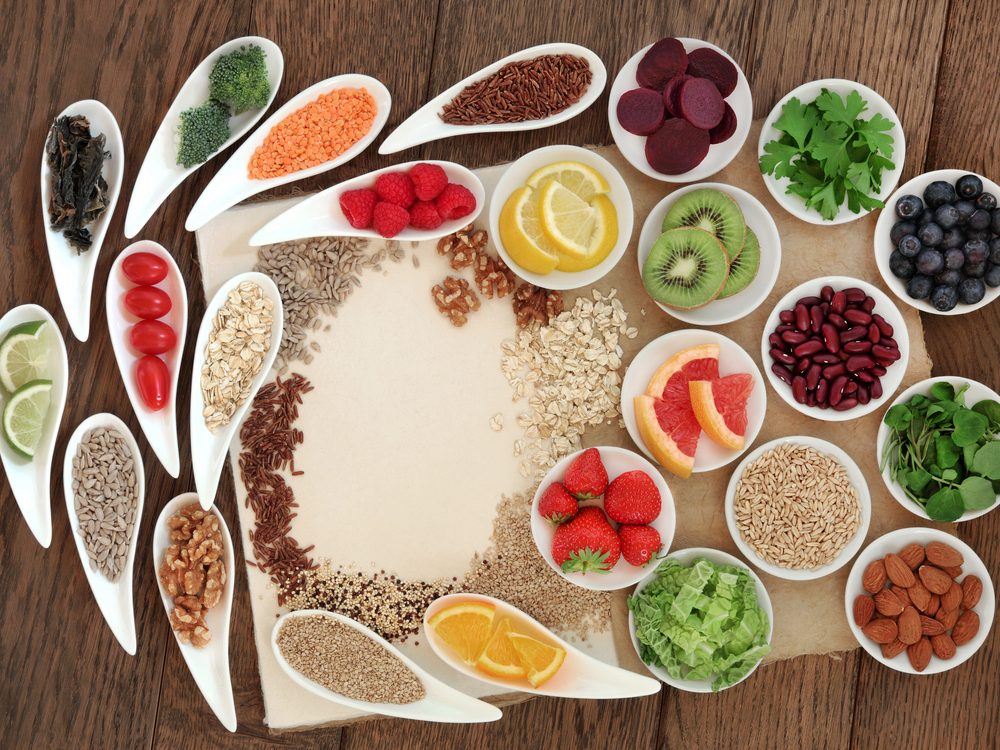
Virtually every weight-loss program welcomes “good carbs” as part of a healthy, lean, long-term diet. “Good carbs” refers to complex carbohydrates, foods like whole grains, nuts, beans, and seeds that are composed largely of complex sugar molecules requiring lots of time and energy to digest into the simple sugars your body needs for fuel.
One of the biggest benefits of foods rich in complex carbs is that they also contain large amounts of fibre. Fibre, in basic terms, is the indigestible parts of plant foods. It is the husk on the grain of wheat, the thin strands in celery, the crunch of the apple, the casings on edible seeds. Fibre protects you from heart disease, cancer, and digestive problems. Depending on the type of fibre (there is more than one!), it lowers cholesterol, helps with weight control, and regulates blood sugar.
Bottom line: This is one nutrient you don’t want to miss. And that was before so many people started cutting carbs for weight loss, without realizing they were also cutting out healthy dietary fibre. Here’s how to sneak “good carbs” and extra fibre into your daily diet with a minimum of effort.
ⓘ 2 / 31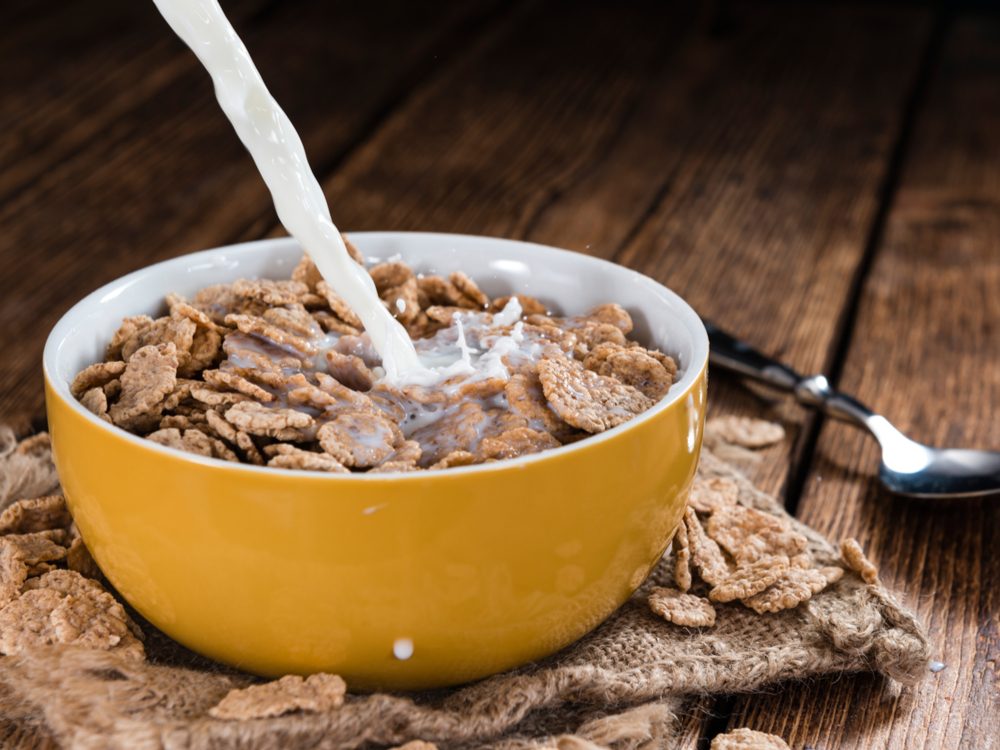
Ideally, aim for a whole grain, unsweetened cereal with at least 4 grams of fibre per serving. Just eating any cereal might be enough, however. A University of California study found that cereal eaters tend to eat more fibre and less fat than non-cereal eaters. Healthy, high-fibre cereals you might want to consider include Kellogg’s All-Bran Original, Kashi GOLEAN, and Kellogg’s Raisin Bran.
Prefer a hot breakfast? Find out why oatmeal is one of the healthiest breakfast options.
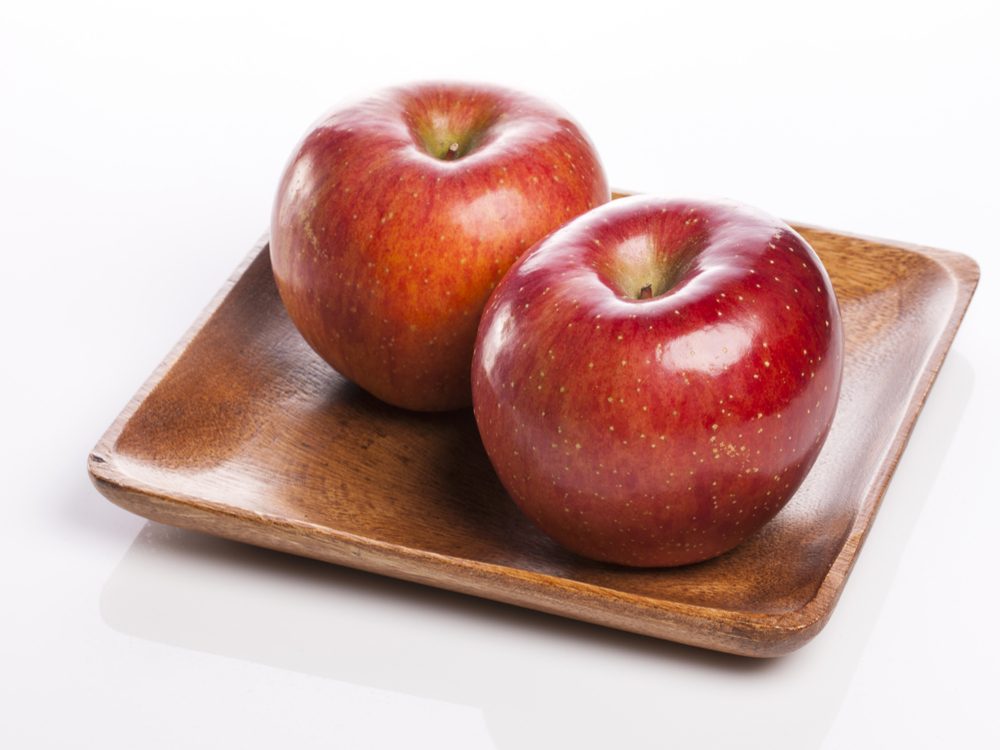
Not just to keep the doctor away, but because apples are a good source of pectin, a soluble fibre that contributes to a feeling of fullness and digests slowly. One study found that 5 grams of pectin was enough to leave people feeling satisfied for up to four hours.
Brush up on more health benefits of apples.
4 / 31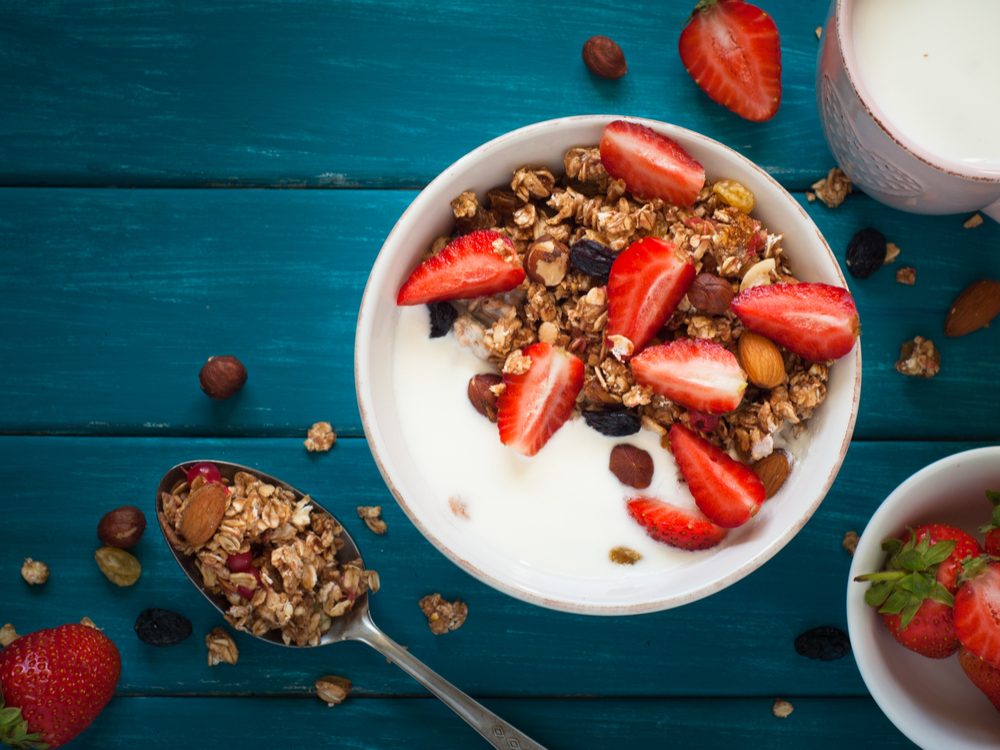
Take one small container of yogurt and mix in 1/3 cup All-Bran cereal, 1 tablespoon ground flaxseeds, and 5 large, diced strawberries for a whopping 12.2 grams of fibre—nearly half your daily allowance!
Find out how yogurt can also help reduce your risk for this type of cancer.
5 / 31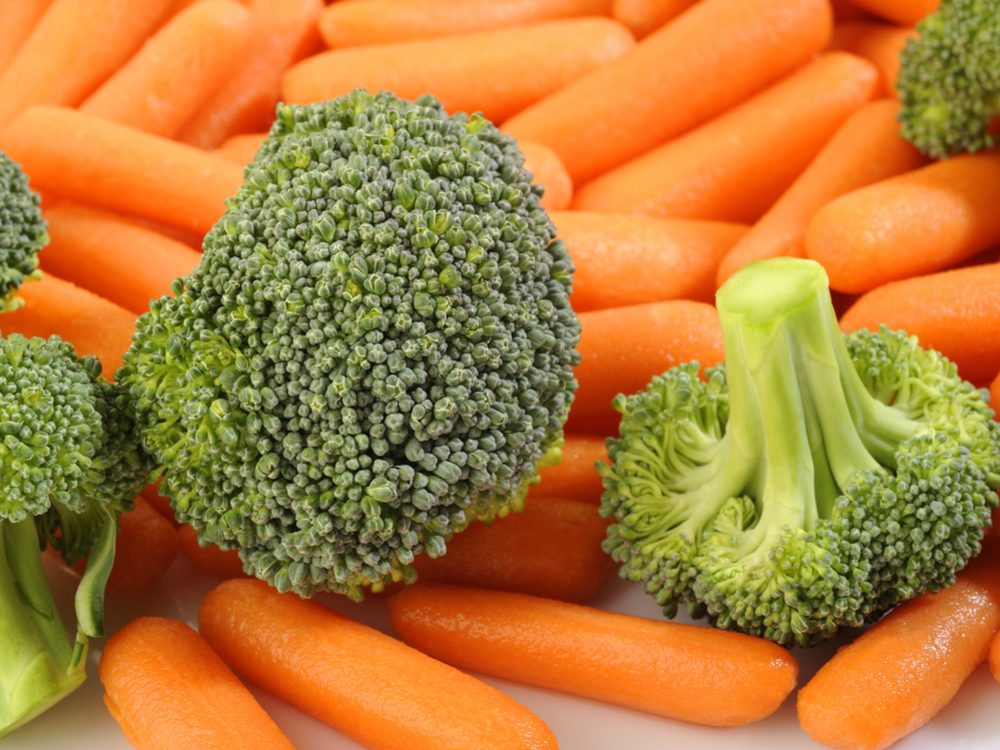
Dip them into low-fat ranch dressing as your afternoon snack three days a week. You’ll fill up the empty space in your tummy while getting about 5 grams of fibre in each cup of veggies.
Find out 50 more ways to lose weight without a lick of exercise.
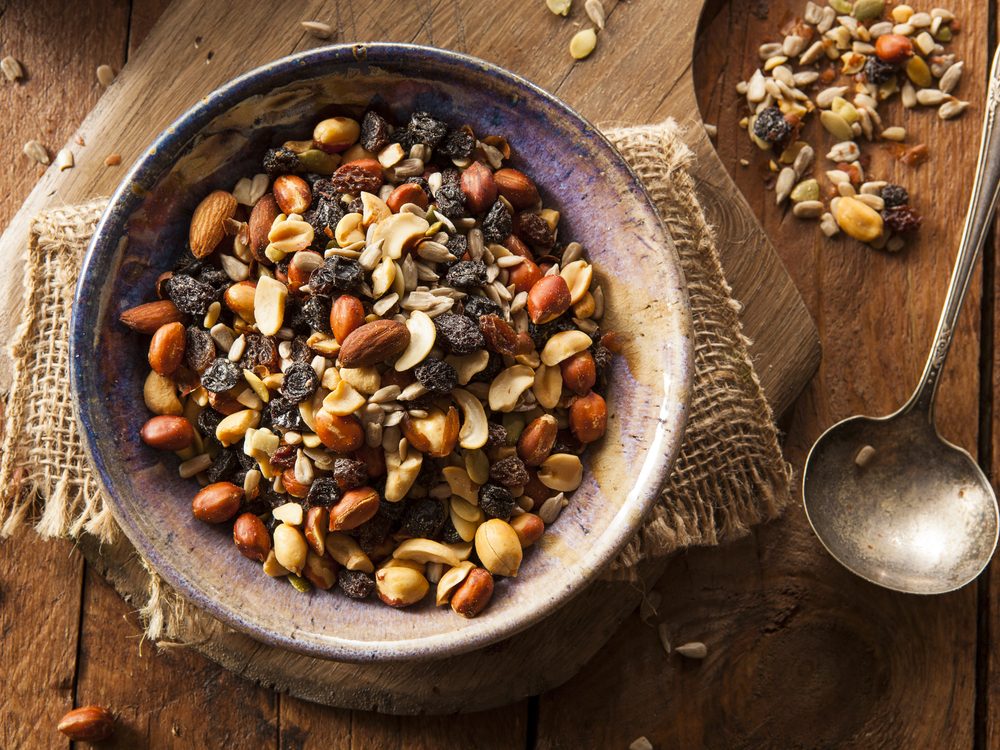
Mix together peanuts, raisins, a high-fibre cereal, and some chocolate-covered soy nuts. Allow yourself one handful for a sweet, yet high-fibre, snack.
Check out 30 more healthy snacks you don’t need to feel guilty about.
7 / 31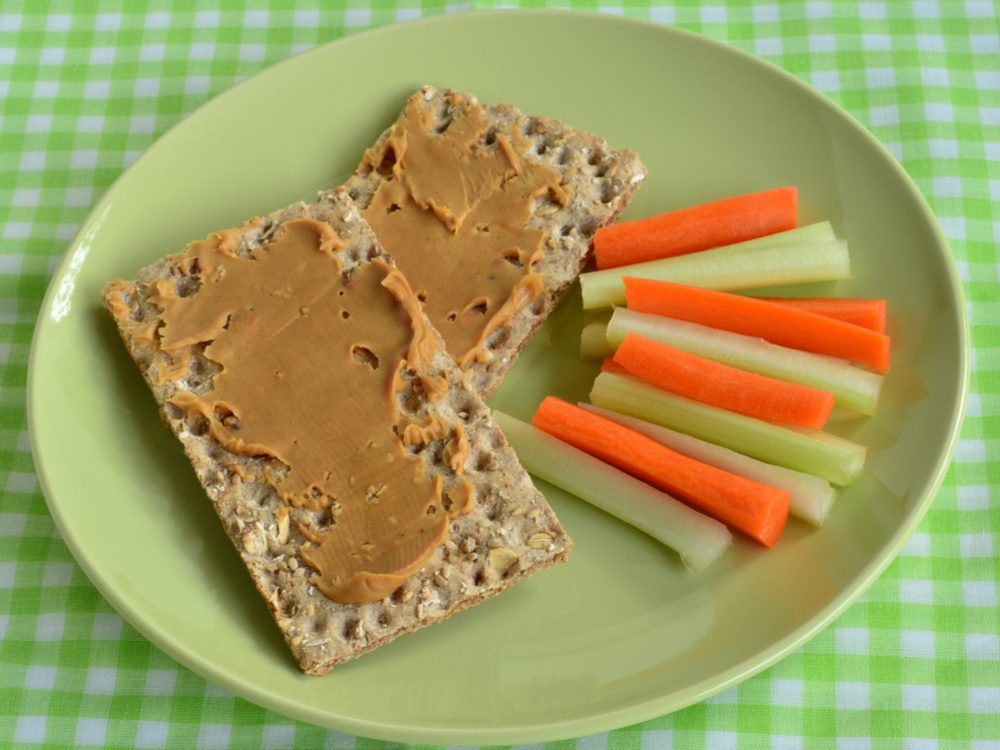
You’d never think a tiny cracker can make a difference, but one regular whole wheat cracker has 1/2 gram of fibre. Ten crackers give you 5 grams of fibre. So next time, spread your peanut butter on whole-grain crackers (look for brands that proclaim they’re trans-fat-free) instead of bread.
8 / 31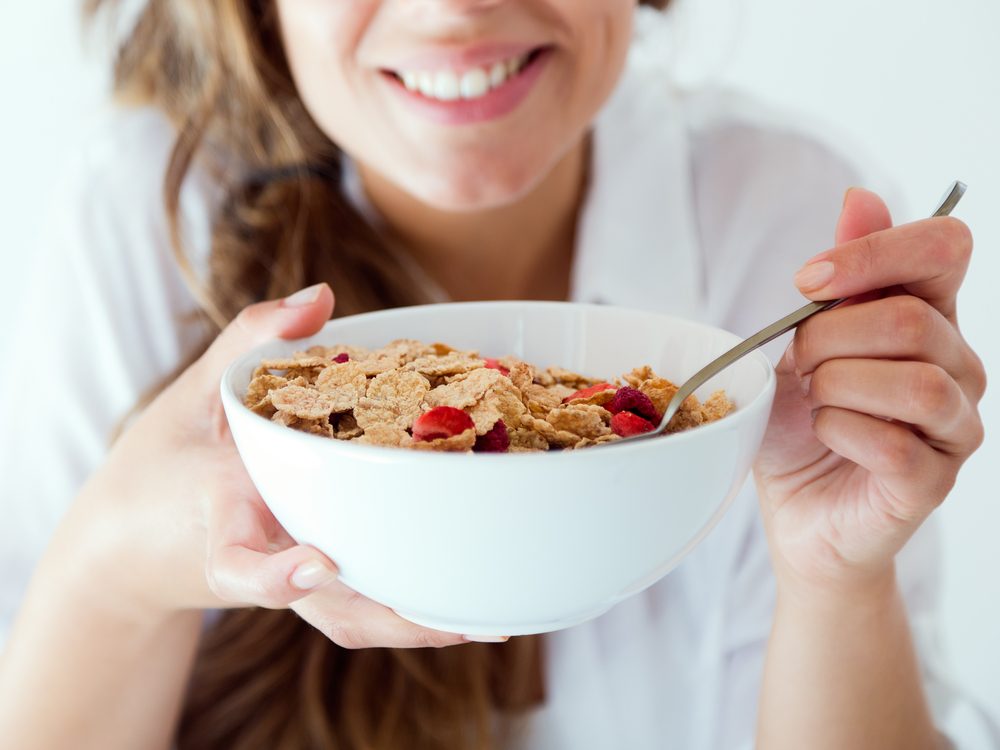
Okay, we’ll be honest. We wouldn’t want to face an entire bowl of All-Bran either. But just 1/3 cup packs a walloping 8.5 grams of fibre. Mix it with an equal amount of, say, Apple Cinnamon Cheerios and you’ll barely know it’s there (but you will be one-third of the way to your daily fibre intake).
Don’t miss these 10 brain-boosting breakfast recipes.
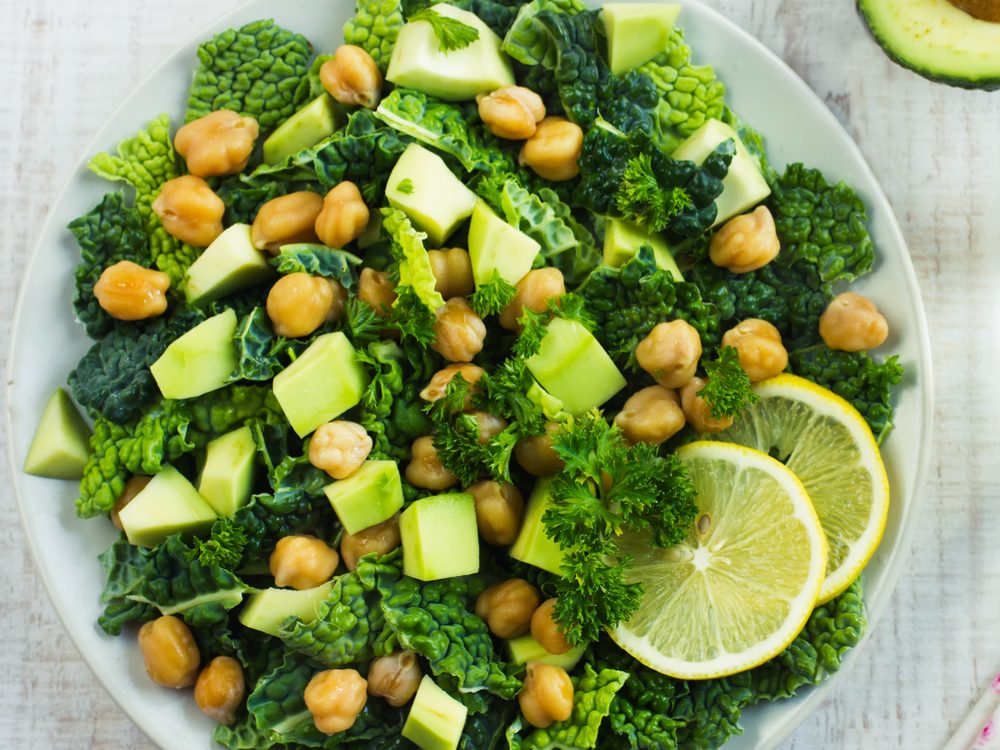
A quarter cup of kidney beans or chickpeas adds an additional 5 grams of dietary fibre, notes Lisa Andrews, R.D., a nutritionist at the VA Medical Center in Cincinnati.
These surprising salad tricks can give your weight loss a boost.
10 / 31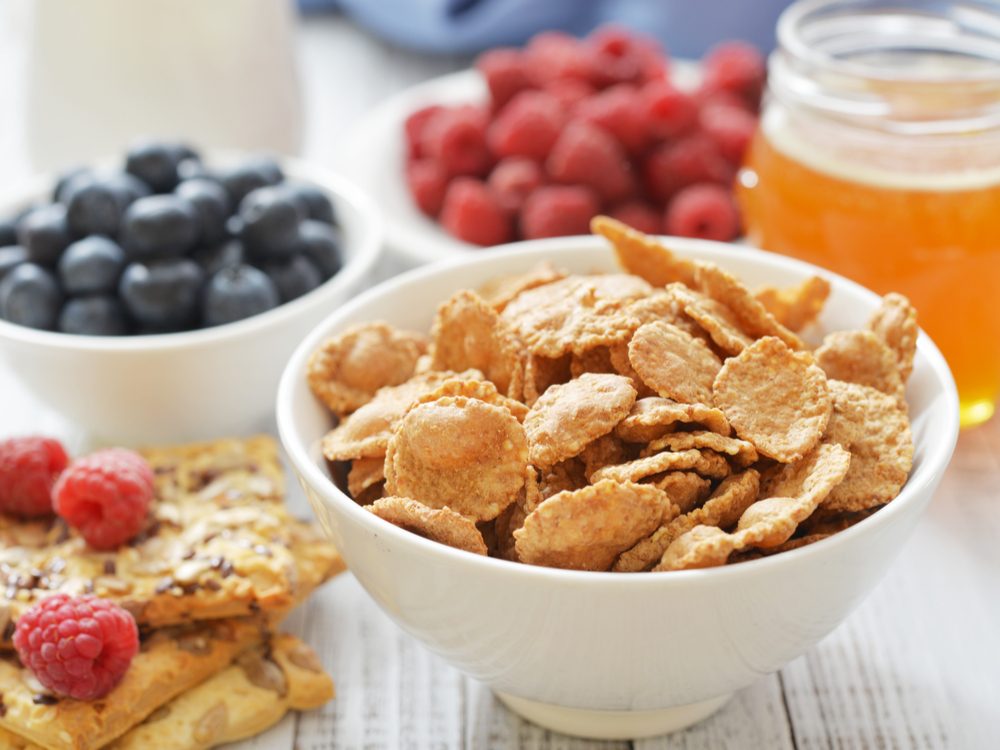
If it says multi-grain, seven-grain, nutra-grain, cracked wheat, stone-ground wheat, unbromated wheat or enriched wheat, it’s not whole wheat, and thus is lacking some of the vitamins and minerals, not to mention fibre, of whole grains.
This is the real difference between whole grain and whole wheat.
11 / 31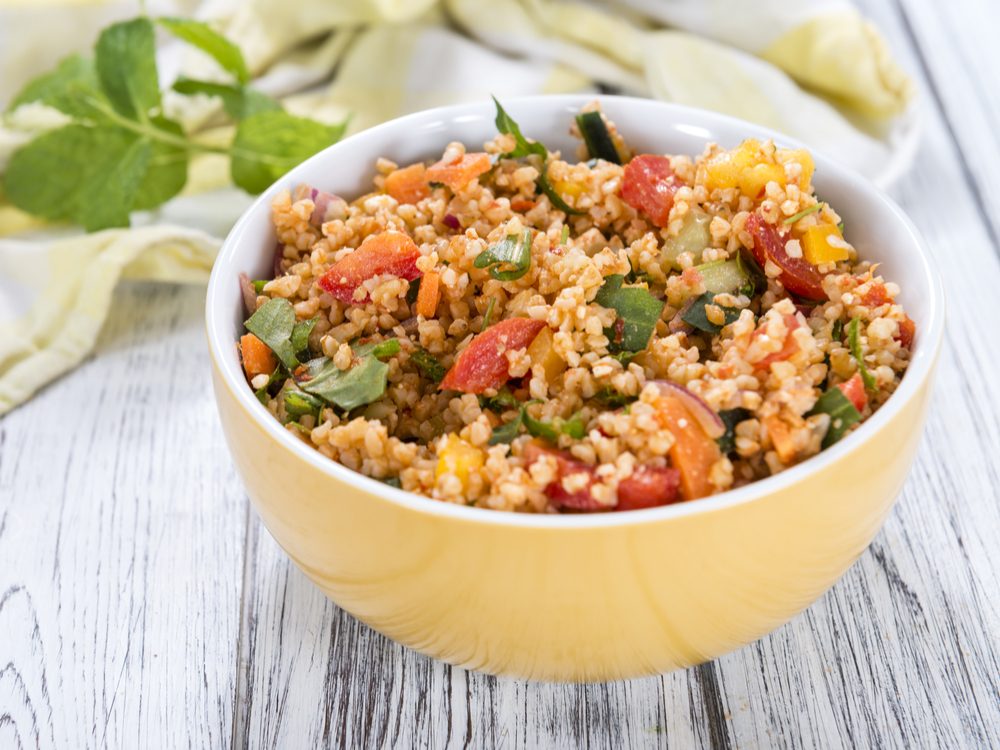
How about amaranth, bulgur, or wheatberries? Most are as simple to fix as rice, yet packed with fibre and flavour. Mix in some steamed carrots and broccoli, toss with olive oil and a bit of Parmesan or feta cheese, maybe throw in a can of tuna or a couple of ounces of cut-up chicken, and you’ve got dinner. Or serve as a side dish to chicken or fish. Make sure all grains you try are whole grains.
Check out the surprising health benefits of chia seeds.
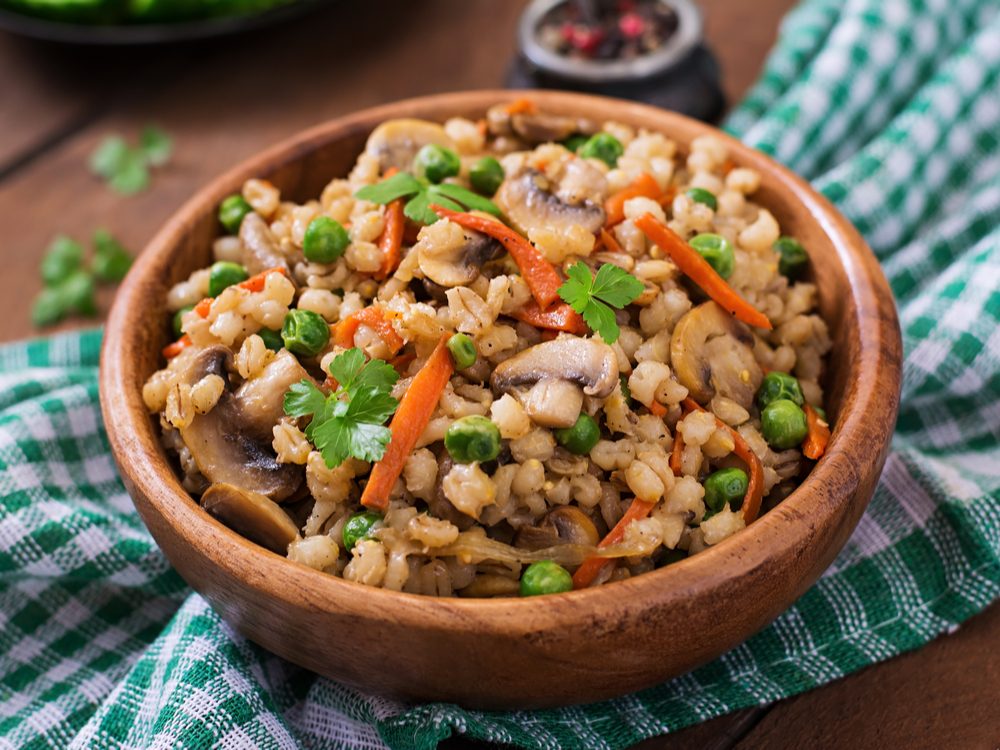
One cup sports 10 grams of fibre, nearly half your daily allotment. And, it doesn’t require any soaking before cooking!
Find out how to read Canada’s Nutrition Facts food labels.
13 / 31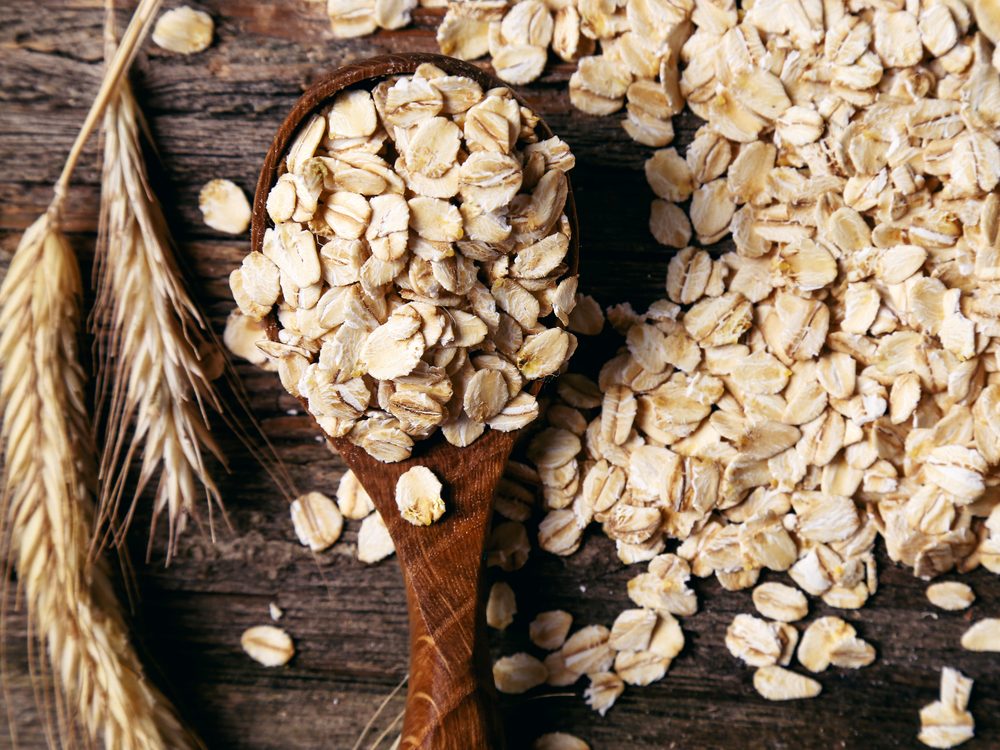
Use regular oatmeal in place of bread crumbs for meat loaf and meatballs, sprinkle it atop casseroles and ice cream, bake it into cookies and muffins, and add it to homemade breads and cakes.
This is how much fibre you should eat to prevent disease.
14 / 31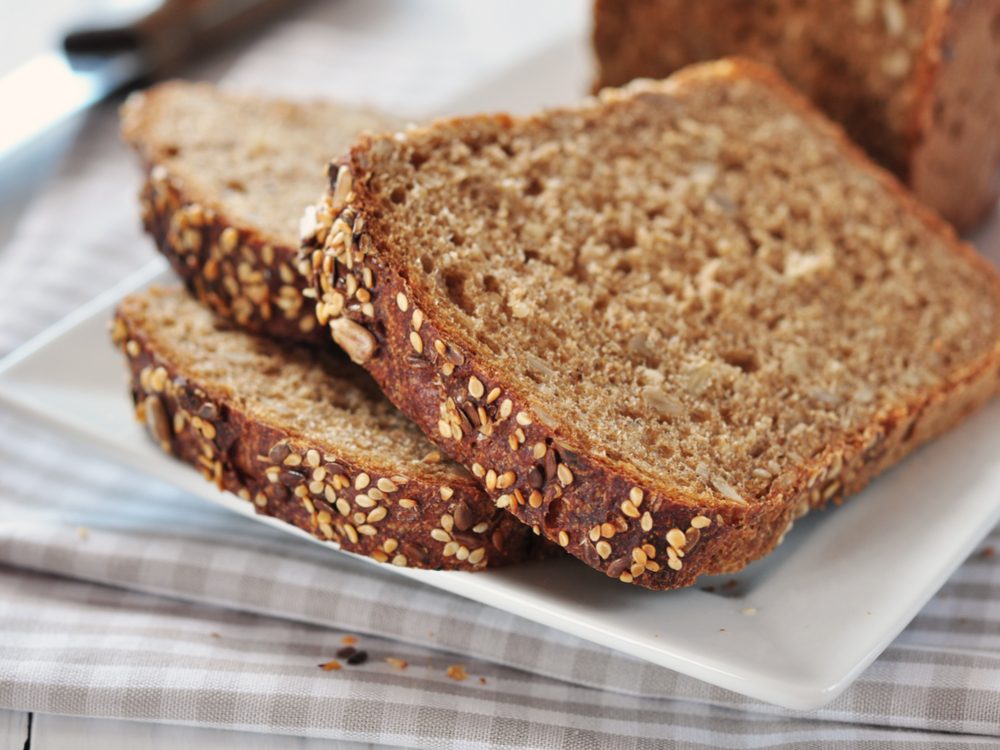
Even Subway and other such sandwich shops offer whole wheat options for lunchtime munching. If you want to gradually break into the whole wheat club, use whole wheat bread as the bottom slice of your sandwich and regular bread as the top layer, suggests Joan Salge Blake, R.D., clinical assistant professor of nutrition at Boston University’s Sargent College. Eventually, make the switch to whole grains.
Check out the surprising health benefits of pumpernickel bread.
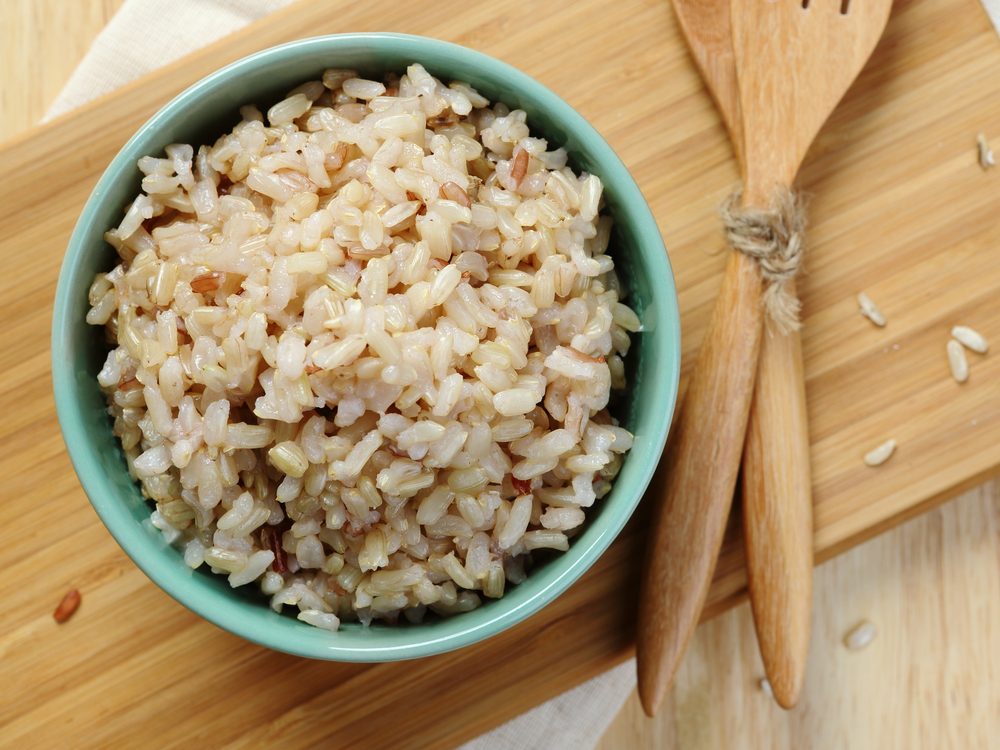
So instead of instant white rice, switch to instant brown rice. Instead of regular pasta, you switch to whole wheat pasta. Similarly, whole wheat pitas instead of regular, whole wheat burritos instead of corn, whole wheat couscous instead of regular. Within two months, you should be eating only whole grains, and should have increased your daily fibre consumption by an easy 10 grams without radically changing your diet!
Check out 10 more healthy eating tips that are good for the planet, too.
16 / 31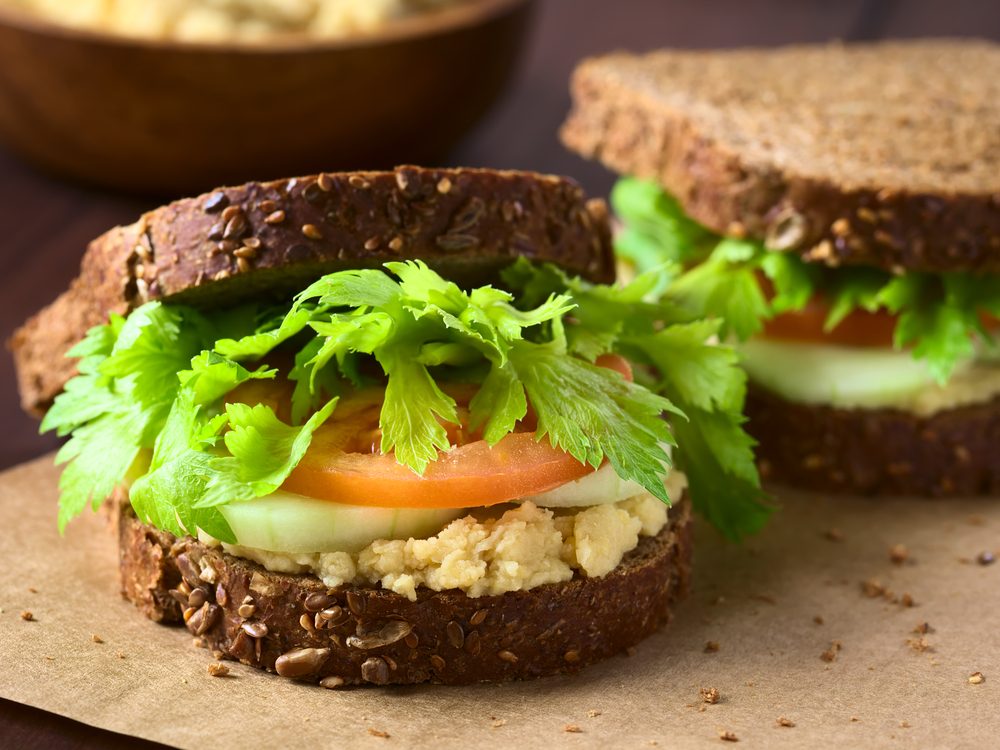
Bam! You just got 7.5 grams of fibre in a tasty package. Lay some spinach leaves and a tomato slice atop for another couple of grams.
Find out the best sources of protein, according to the new Canada’s Food Guide.
17 / 31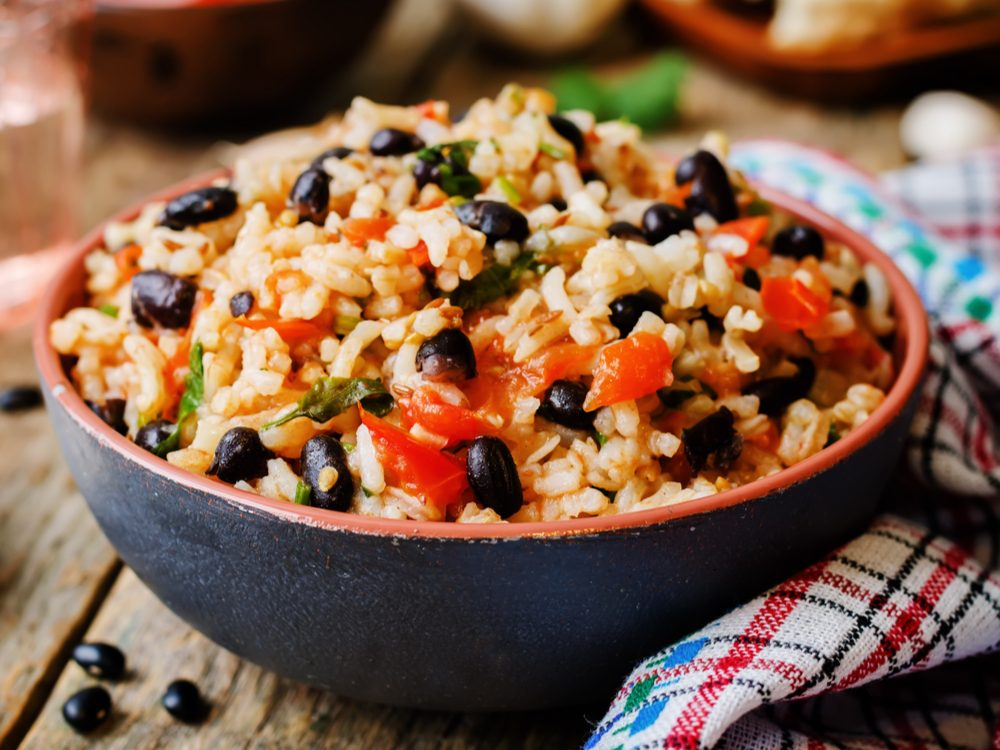
They’re packed with fibre (15 grams in just a cup of black beans) and, since they come canned, so easy to use. Just rinse before using to remove excess sodium. (Learn to spot the signs you’re eating too much salt.) Here are some tips for getting your beans:
Find out more foods that may help prevent cancer.

You won’t taste a difference, but you will get some extra fibre, say the nutrition twins, Tammy Lakatos Shames, R.D., and Lyssie Lakatos, R. D. The two are the authors of Fire Up Your Metabolism: 9 Proven Principles for Burning Fat and Losing Weight Forever.
Find out the best foods to boost your metabolism.
19 / 31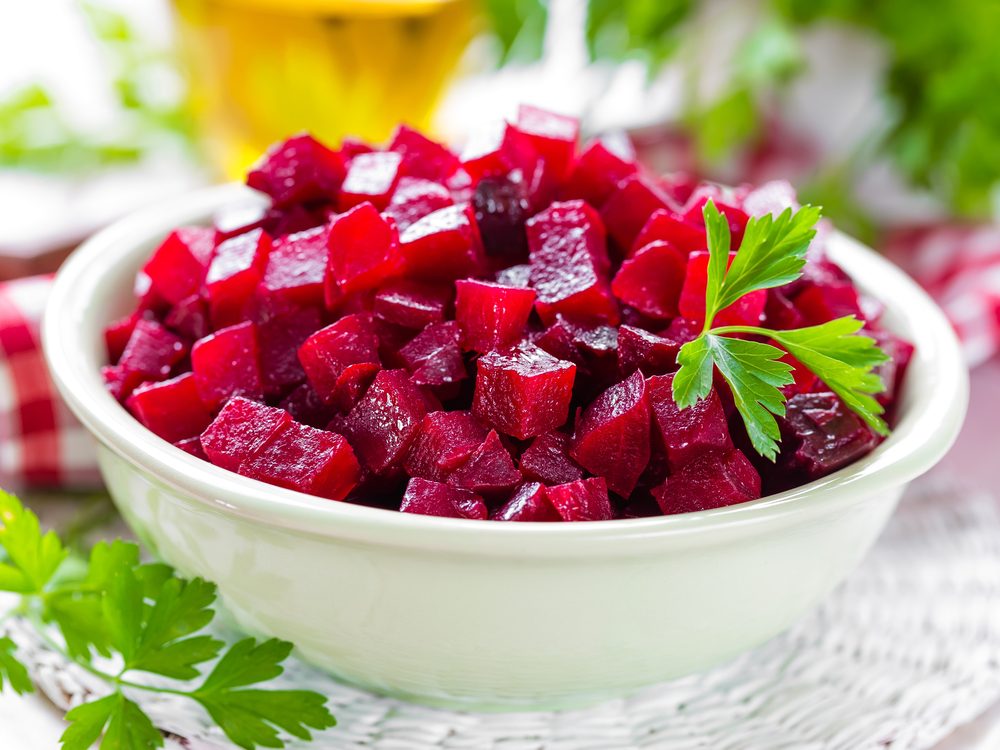
Beets are ultra nutritious with virtually no fat, no cholesterol, no sodium, quite a bit of potassium, and 2 grams of fibre. Try roasting whole, peeled beets for 45 minutes, chilling, then dicing into a summer salad.
20 / 31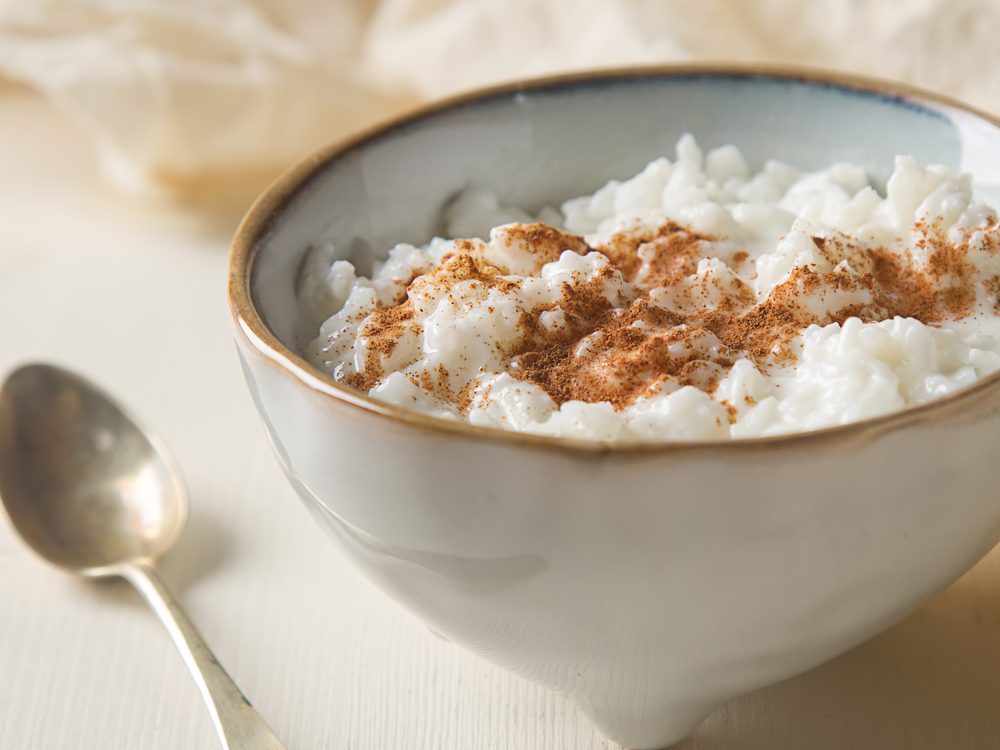
Only instead of white rice, use brown rice.
Bonus: Boosting your fibre intake is an effective home remedy for constipation.

The microwave variety works just fine, but we prefer air-popped popcorn without the oil. Each cup of popcorn delivers 1.2 grams of fibre.
Find out what your burps can reveal about your health.
22 / 31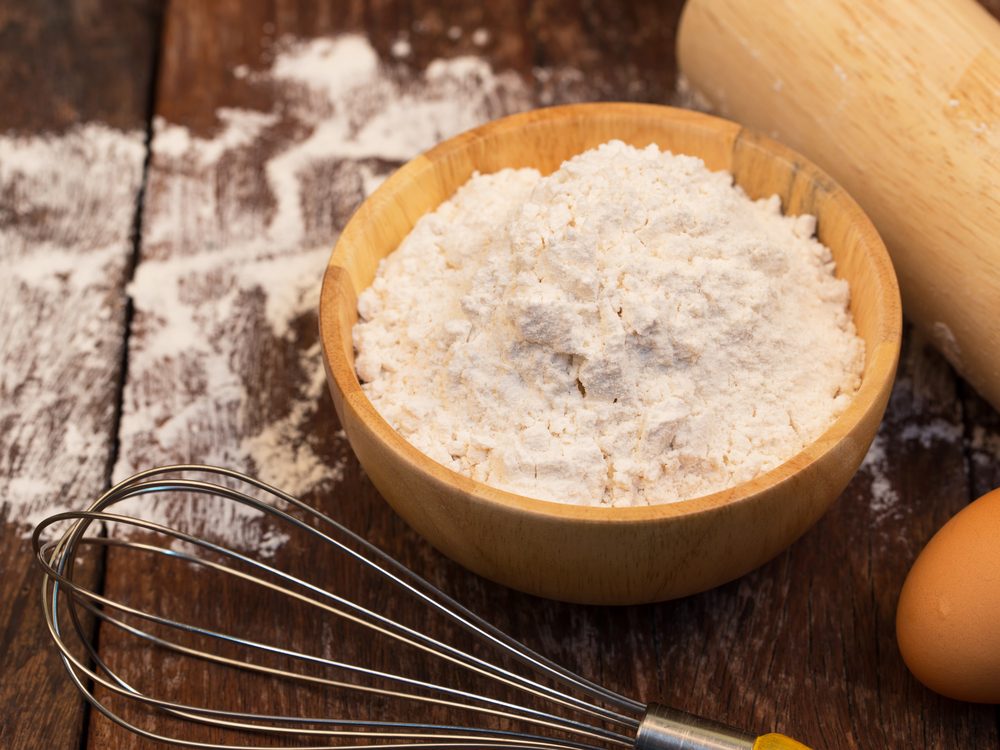
You can start by going half and half, eventually using only whole wheat flour for all your cooking needs.
Discover 10 easy ways to improve gut health.
23 / 31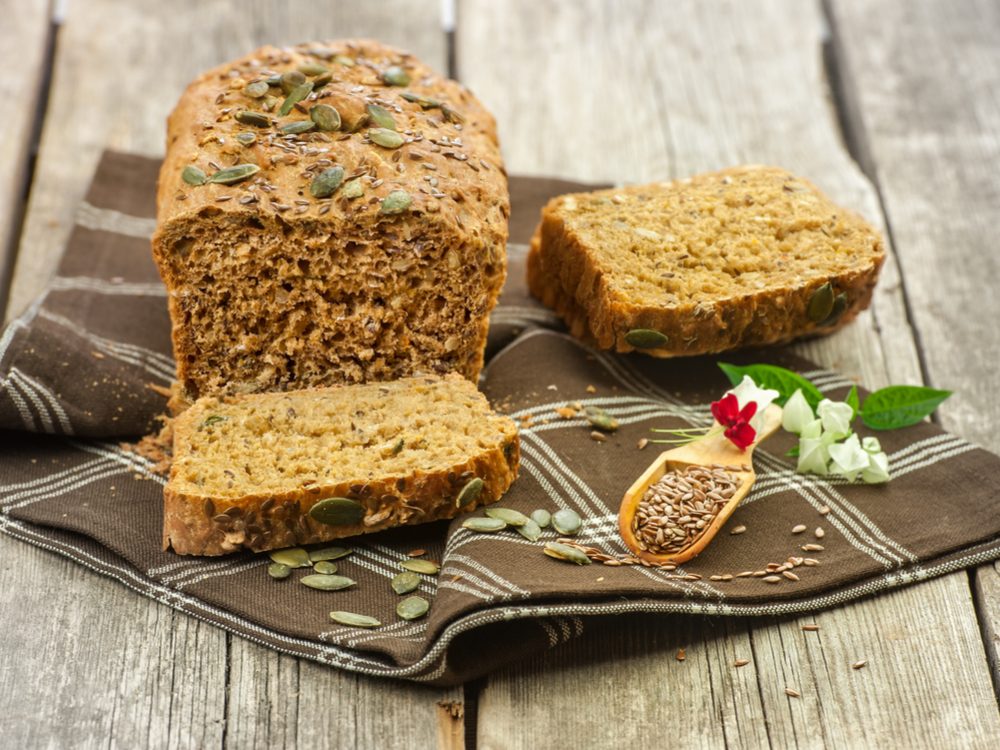
They add crunch to your cookies, muffins, and breads—and loads of fibre.
Find out the 14 foods everyone over 50 should be eating.

Eating baked potatoes with the skin instead of mashed ups the fibre at least 3 grams (depending on the size of the potato).
Here are more fruits and vegetables you should never peel.
25 / 31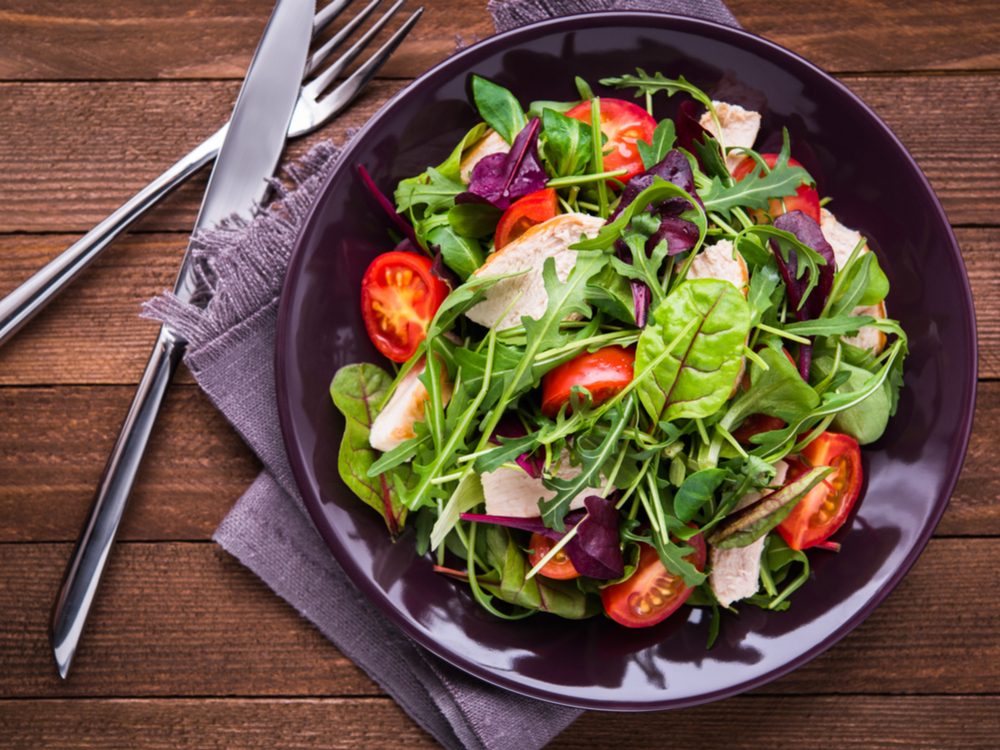
Not only will it add fibre, but with a low-calorie vinaigrette dressing, it will partially fill you up with very few calories, and thus offers great benefits in weight loss or weight control.
Discover the 50 best foods for your heart.
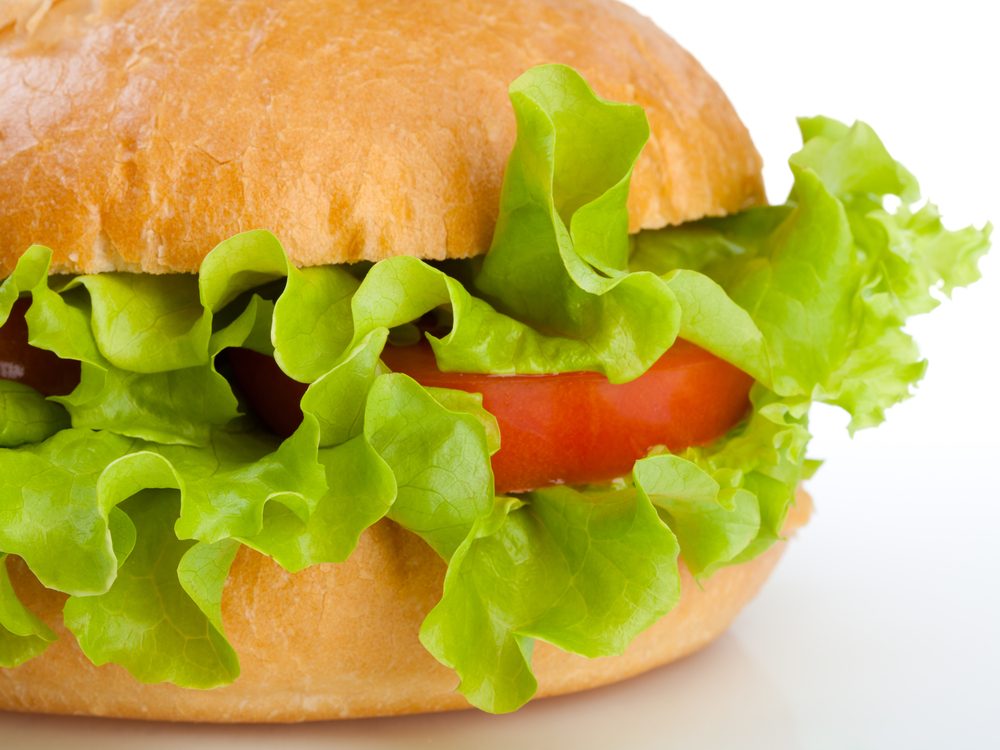
Not only do they add fibre, but they also reduce calories.
You’ll also want to avoid these mistakes most people make when buying bread.
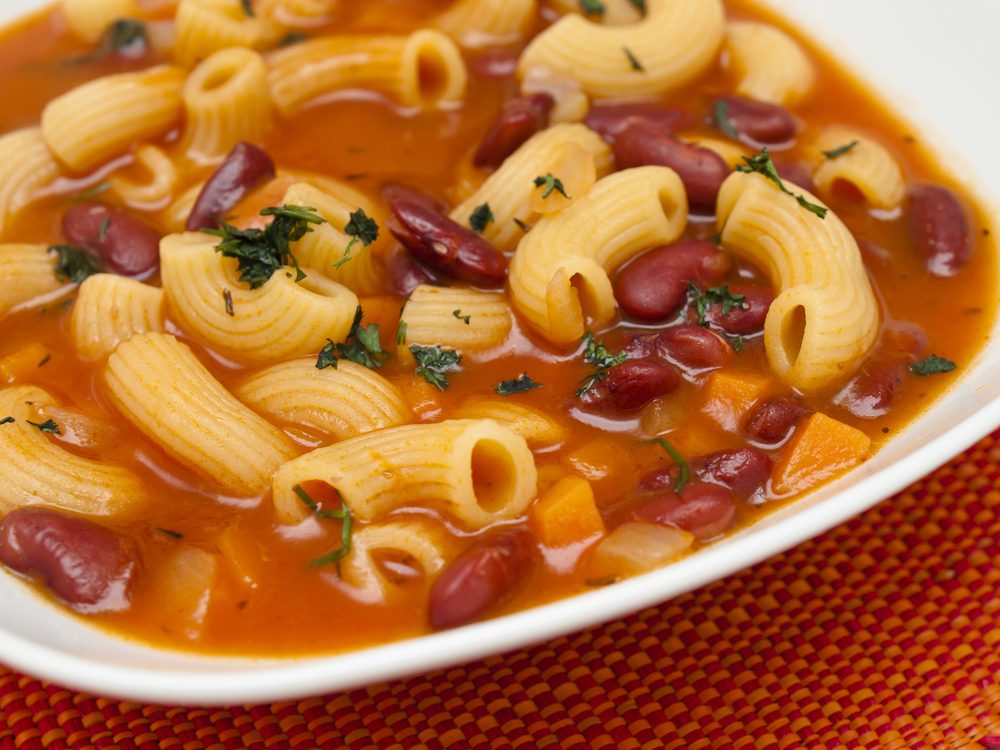
A classic dish such as pasta e fagioli works well.
Learn to spot the signs you’re not getting enough protein.
28 / 31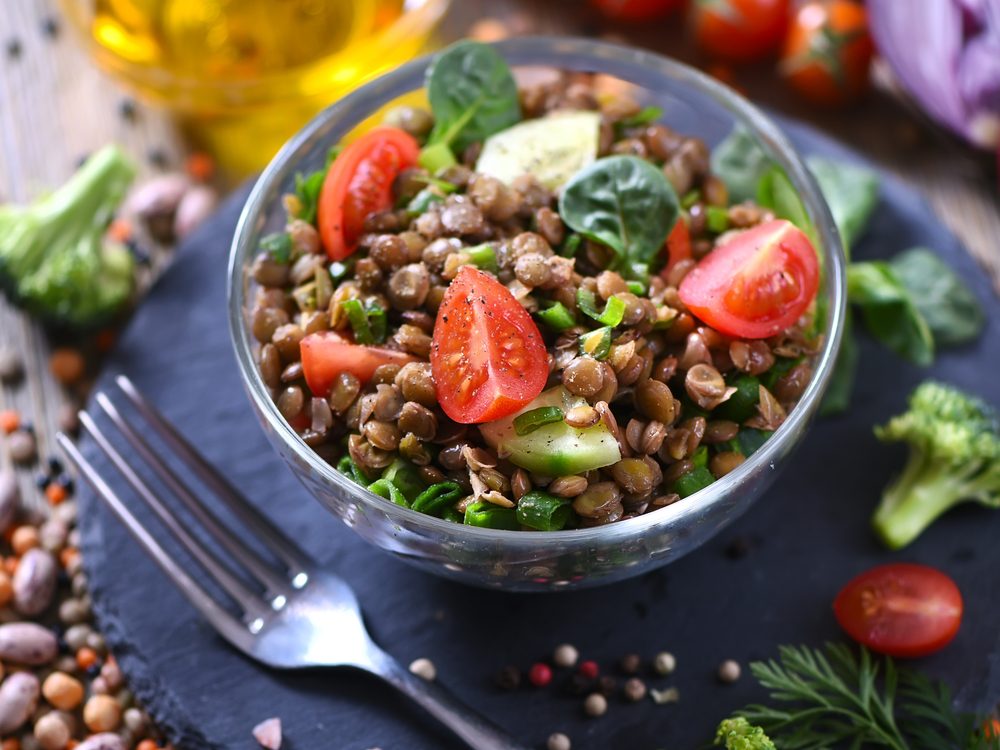
A cold lentil salad, or corn and black bean salad in summer, then vegetarian chili in winter.
This handy infographic shows when all fresh fruits and vegetables are in season.
29 / 31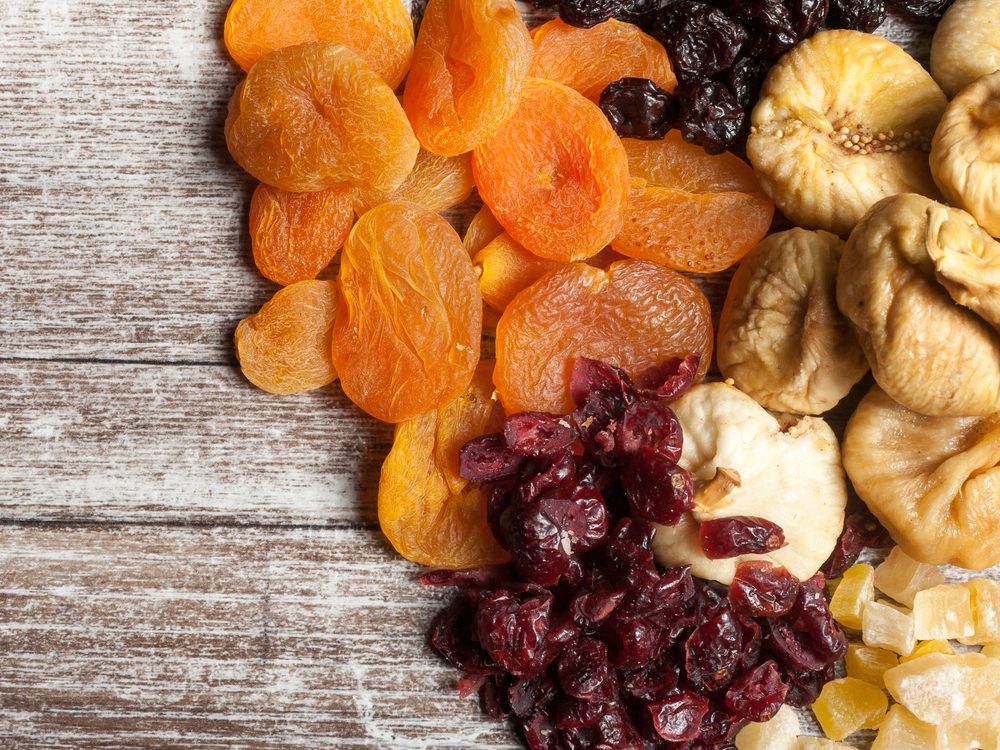
Tasty, chewy, satisfying, easy to eat on the go—and loaded with fibre. Try dried apricots, dates, figs, peaches, pears, and bananas.
These are the healthiest fruits you can eat.
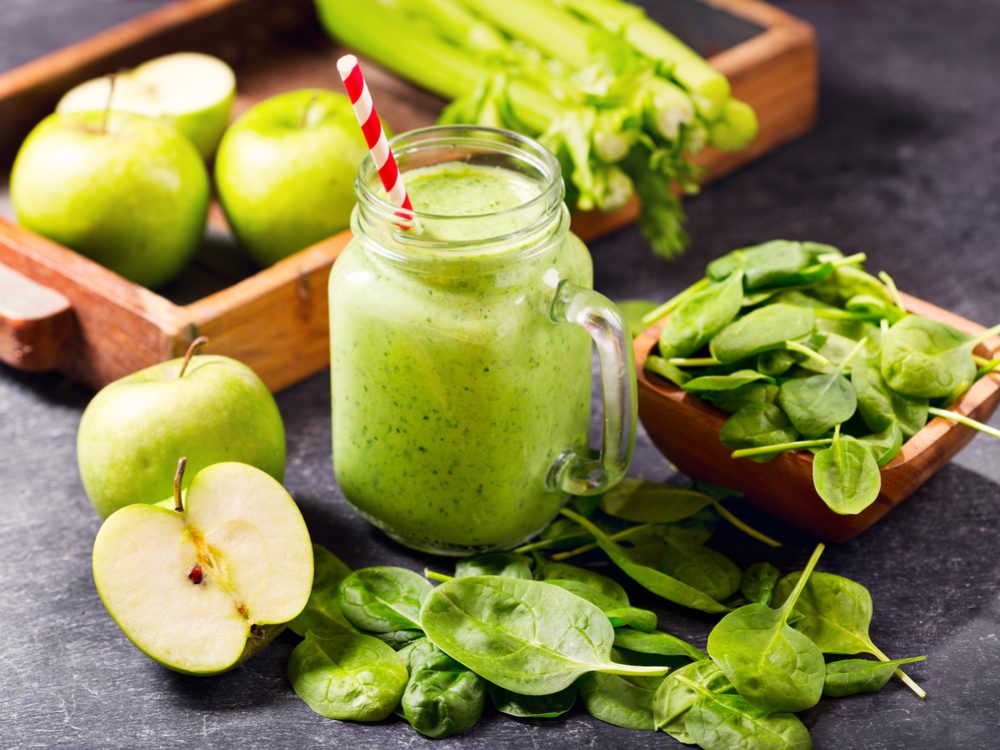
Make your own smoothies by blending whole fruits (cut out the big seeds). If everything in the fruit goes into your glass, you’ll get the fibre from the edible peel, often missing from fruit juice.
Psst—these 12 groceries are worth buying organic.
31 / 31
You need water to help the fibre pass through your digestive system without getting, ahem, stuck. So as you’re increasing the fibre in your diet, also increase the amount of water or other unsweetened beverages you’re getting. (Find out what happens to your body when you start drinking eight glasses of water a day.) Also, don’t up your fibre load all at once. That’s just going to overwhelm your system, leading to gas, bloating, and constipation. Instead, start slowly. Try one tip a week for the first couple of weeks, then two, then three. By week four or five, you should be up to the full 25-30 grams—or more.
Next, check out the iron-rich foods you should be adding to your diet.