

Smart Tip: Berries should be eaten quickly, because they are harvested when ripe and soon become rotten. They keep for a few days in the refrigerator. So eat up!
2 / 8
Bananas don’t grow on trees but on giant herbs related to the Lily and Orchid family. They continue to ripen after picking. When buying, select a range at different stages of ripeness so they won’t all ripen at once. Look for shiny yellow skins, either unblemished or with few brown spots. Bananas are high in vitamin C. They contain a mix of carbohydrates to provide sustained energy, and are a good source of dietary fibre, potassium and vitamin B6.
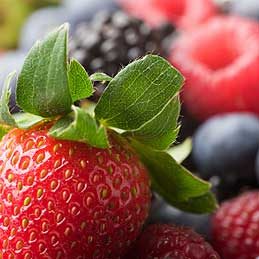
Smaller berries often have more flavour than large ones. Always rinse berries briefly in cold water, then trim only if necessary. Delicate varieties such as raspberries, strawberries and blackberries should be used on the day they are picked, if possible. The more robust varieties will keep in the refrigerator for up to 2 days. The simplest of berry dessert salads can be made by adding sugar to berries and serving them with yogourt.
4 / 8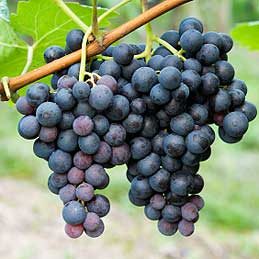
Classed as berries, most varieties of purple and green grapes grown for eating are sweet and juicy with a high glucose and fructose content. Select plump, well-coloured grapes, firmly attached to their stems. Avoid soft or wrinkled fruit and those browning around the stem. Grapes are generally picked when ripe and sweet, to be eaten fresh. Store grapes, unwashed, in the refrigerator in a sealed container or plastic bag. Use within 2 to 3 days.
5 / 8
The orange-coloured flesh of the mango is sweet, fragrant and succulent. Fibrous, but edible, strands, surround the very large seed. Select firm, bright mangoes that have a distinct pleasant aroma. Let ripen at room temperature. Store ripe fruit in the vegetable crisper or in a plastic bag in the refrigerator. Use within 3 days.

Ripe watermelons have firm red flesh and brown seeds. When buying watermelons, test them for ripeness by tapping the melon and listening carefully. If it sounds firm and echoes, it is ripe. If it sounds dull, it has been picked for some time or is unripe.
Melons such as galia melons, muskmelons, cantaloupes and rockmelons should smell aromatic without any hint of acetone. They should have no soft spots or cracks and certainly no mould formation. Ripe specimens yield slightly to pressure at the stems. They do not ripen further after harvesting and will only get softer. Store uncut melons at room temperature. Once cut, cover and refrigerate.
7 / 8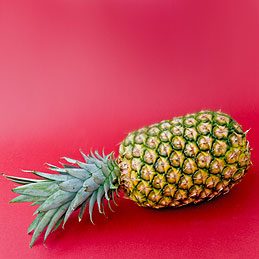
Pineapple flesh contains a protein-splitting enzyme, so fresh pineapple tastes sour with milk products and prevents gelatine from setting. This enzyme is destroyed by heating and it can tenderise meat if used in a marinade. Select plump pineapples with a sweet, pleasant aroma and fresh-looking skin and leaves. Pineapples do not ripen further after picking. They become juicier, but not sweeter, once harvested. Store in a cool place. Once cut, cover and refrigerate. Use within 2 days.
8 / 8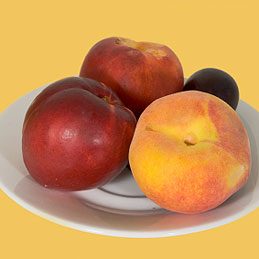
Fully ripe plums and peaches are juicy and sweet and the stones (pits) are easy to remove. Firm, less ripe plums and peaches are often tart and are just as suitable for salads or eating raw. The flesh of ripe peaches and plums yields to gentle pressure. Purée ripe, juicy peaches and serve as a fruit sauce with fruit salad.